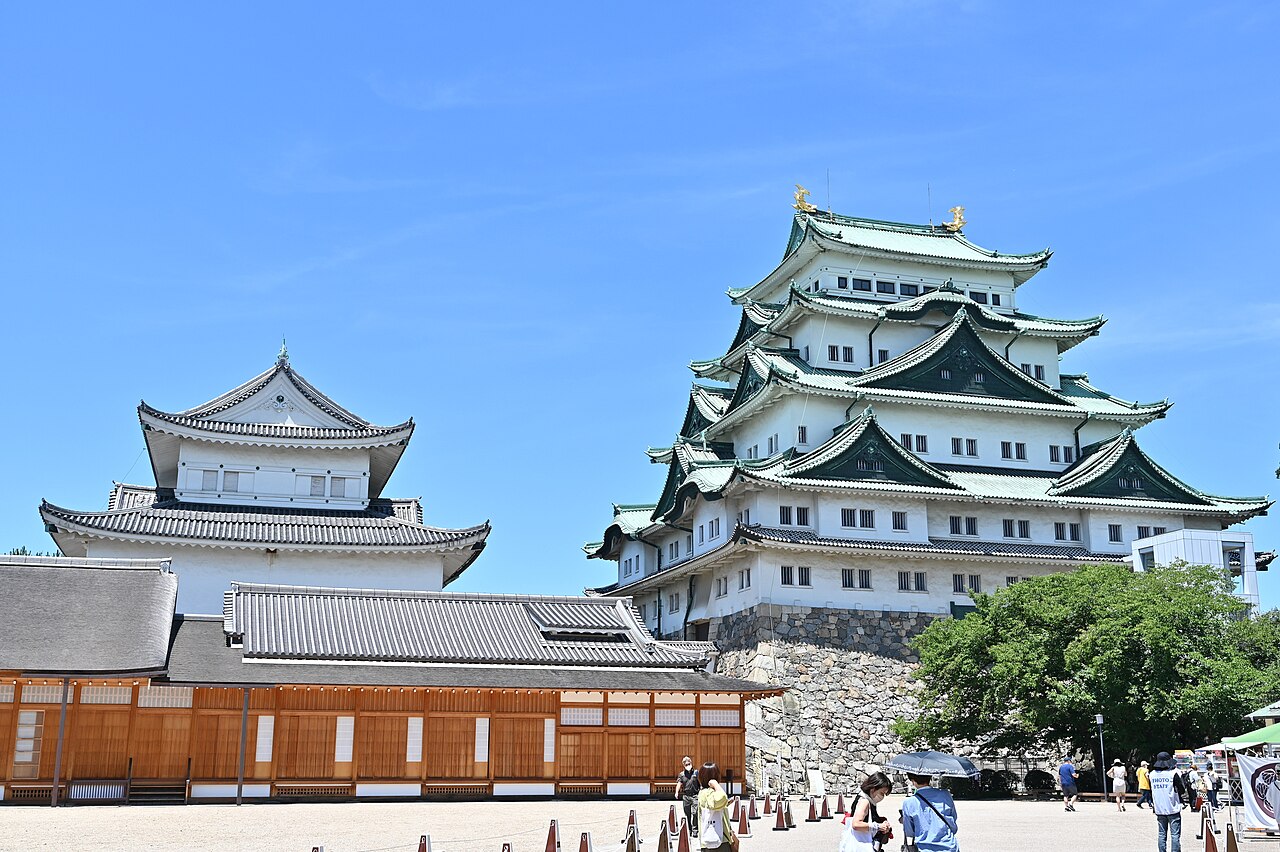
Nagoya's grand samurai-era castle, crowned by twin golden shachihoko and home to the dazzling restored Hommaru Palace.
Nagoya Castle is the symbol of the city and one of Japan's great early-Edo fortresses. It was built from 1610 on the orders of Tokugawa Ieyasu, founder of the shogunate, as the stronghold of the powerful Owari branch of the Tokugawa clan and as a bulwark guarding the Tokaido road between Kyoto and Edo. Its most famous features are the two golden shachihoko — mythical tiger-headed carp — that glitter at either end of the main keep's roof and have become an emblem of Nagoya itself.
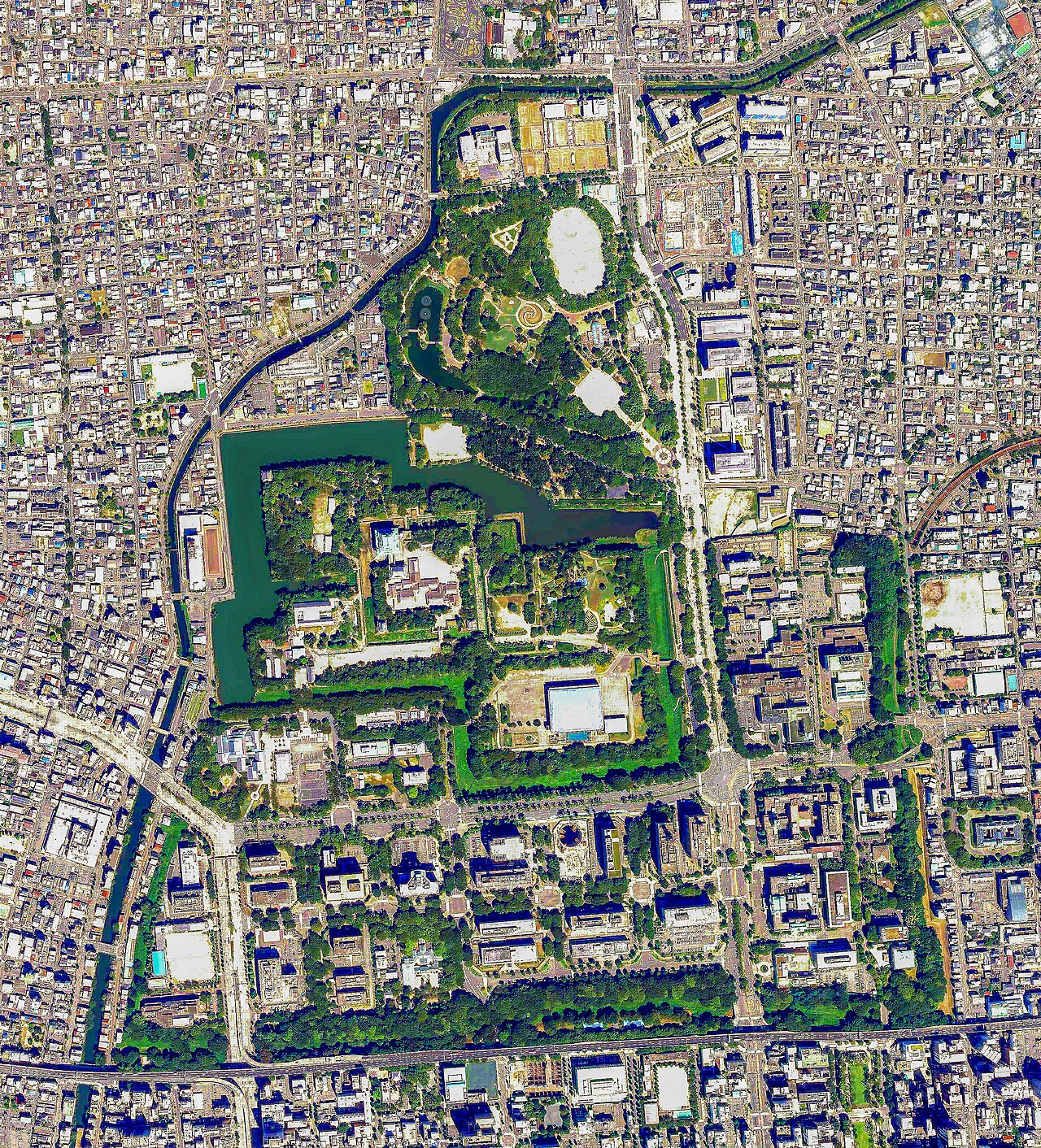
The original main keep survived until the Second World War, when it was destroyed in air raids in 1945 along with much of the castle. The keep visitors see today is a 1959 ferro-concrete reconstruction of the exterior; because of structural concerns it has in recent years been closed to interior access while the city debates rebuilding it in traditional wood. Even so, the exterior remains an imposing sight, rising in tiered white-and-green stories above massive stone ramparts and a broad moat, and the surrounding grounds are among the most pleasant in the city.
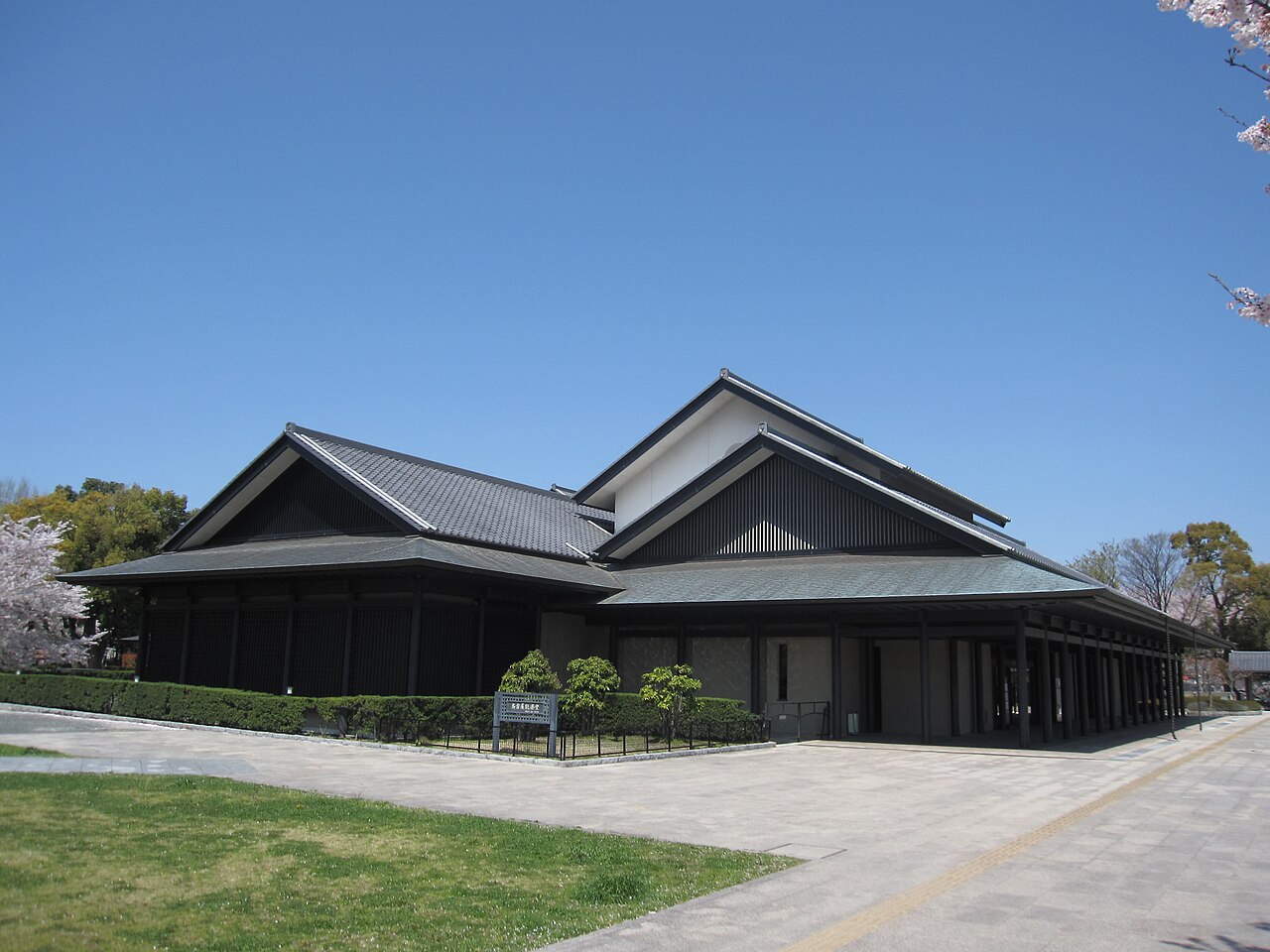
The true showpiece today is the Hommaru Palace (Honmaru Goten), a painstaking reconstruction completed in stages and fully opened in 2018. Using traditional techniques, cypress joinery and thousands of reproduced paintings, artisans recreated the lavish residence where the Owari lords received guests. Walking its tatami rooms you pass gold-leaf sliding doors painted with tigers, leopards, cherry blossoms and pine, elaborately carved transoms and coffered ceilings — a vivid, almost blinding demonstration of Edo-period power and craftsmanship. It ranks among the finest examples of restored palace architecture in Japan.
The wider grounds reward unhurried exploration. The Ninomaru Garden, a large strolling garden with ponds, teahouses and seasonal planting, occupies the former second bailey, and the Kiyosu Yagura corner turret and reconstructed gates give a sense of the castle's defensive scale. In spring the grounds become one of Nagoya's premier cherry-blossom spots, with hundreds of trees framing the keep, while autumn brings colour to the maples. A samurai-and-ninja performance troupe often entertains visitors near the entrance, and the Kinshachi Yokocho food streets just outside serve Nagoya specialties.
Practical visiting is easy. The castle sits just north of the city centre, a five-minute walk from Shiyakusho subway station, and admission is modest at 500 yen for adults, with the grounds and Hommaru Palace both included. Allow about two hours to see the palace, gardens and turrets properly. Mornings are quieter, and the cherry-blossom and autumn seasons are the most beautiful but also the busiest.
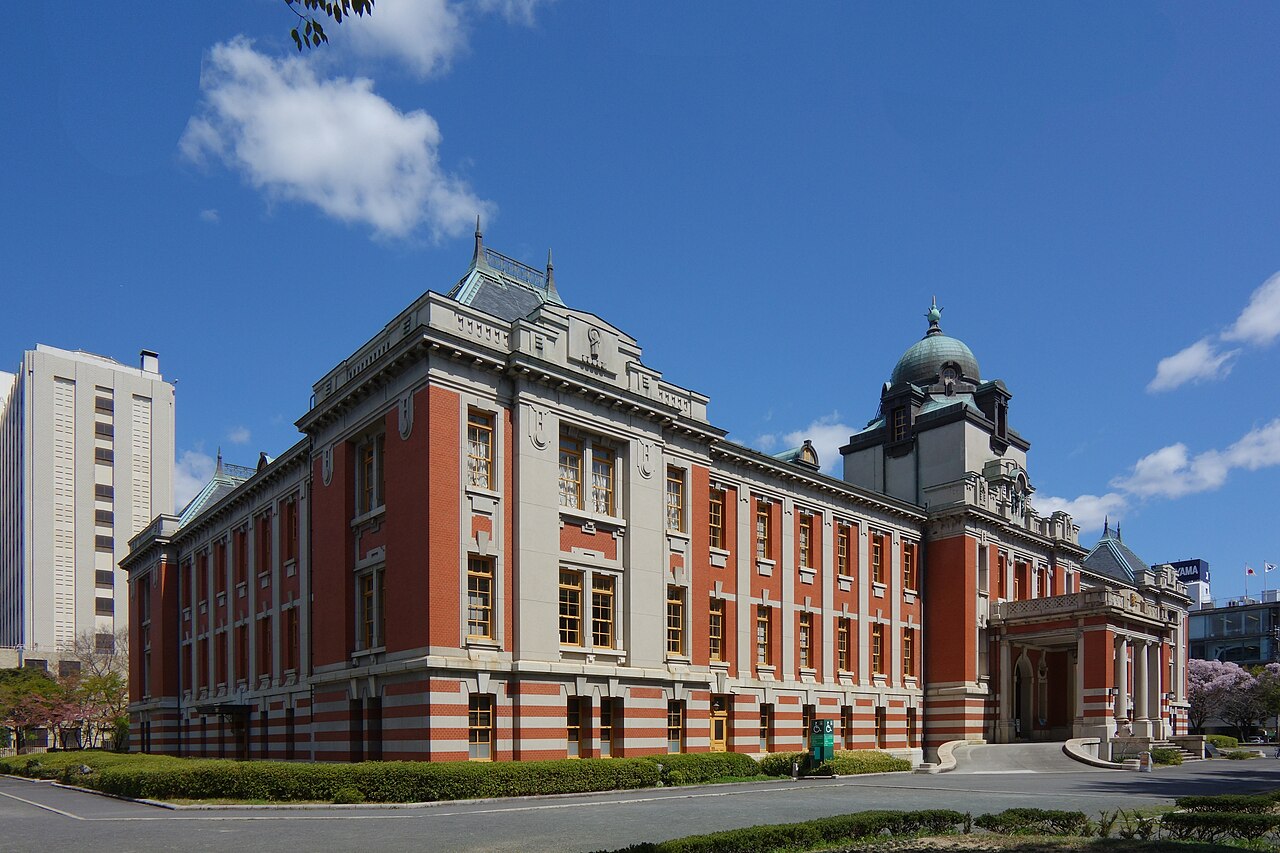
As the seat of one of the three senior Tokugawa houses, Nagoya Castle is not just a pretty landmark but a key site for understanding the political geography of Edo Japan and the wealth of the domain that shaped the city. Between its golden dolphins, its ramparts and the spectacular restored palace within, it is the essential historical destination in Nagoya and a natural first stop for any visitor.
A local's tip
Prioritise the reconstructed Hommaru Palace over the tower — its gleaming gold-leaf and cypress interiors are the real highlight and often less crowded first thing.
Best time to visit
Spring for cherry blossoms; mornings to avoid crowds
Getting there
Take the Meijo Subway Line to Shiyakusho Station (Exit 7) and walk about 5 minutes to the East Gate; from Nagoya Station transfer at Sakae.
Good to know
- Cafe
- Gift shop
- Restrooms
- English signage
Plan the whole trip offline
Nagoya Castle is one of many places in the Real Japan app — with turn-by-turn directions, nearby spots and full offline maps you can use with no signal.