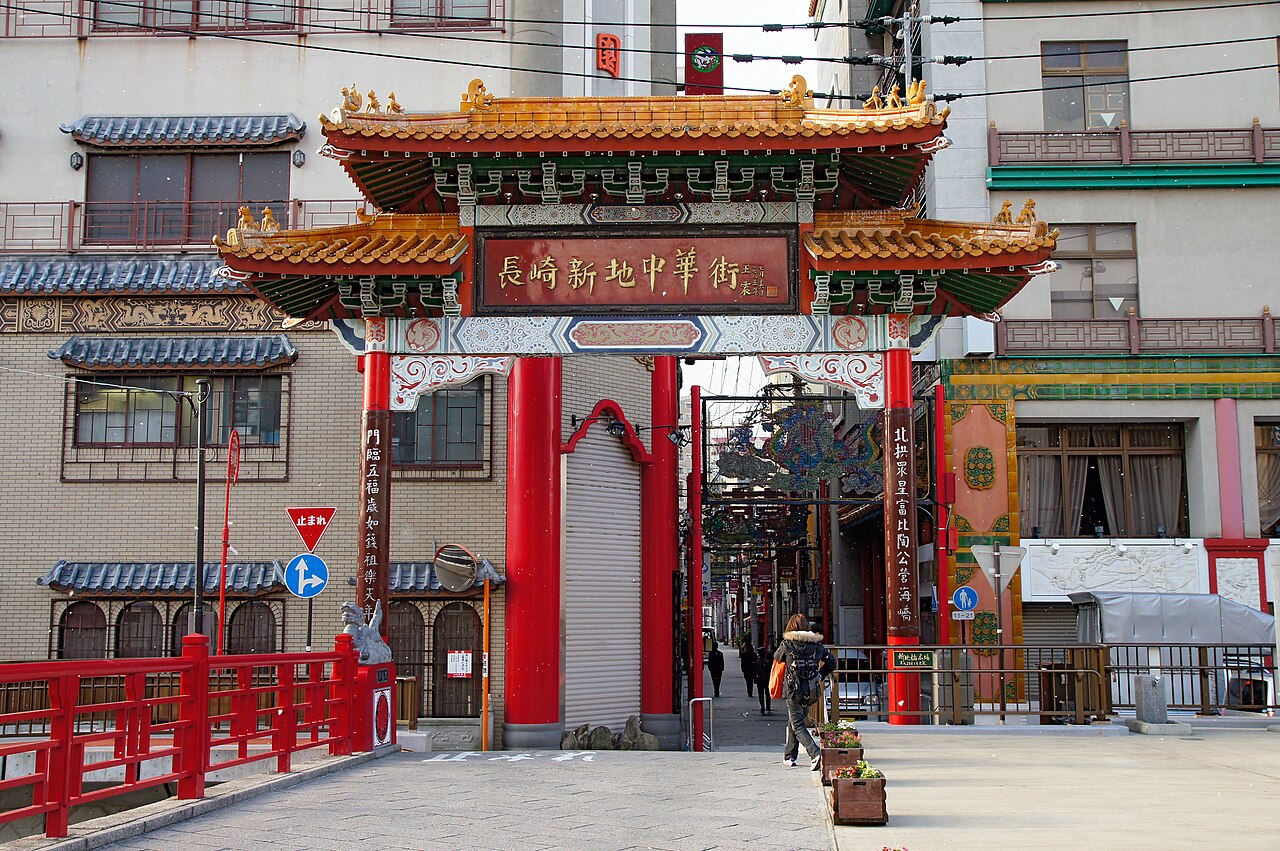
One of Japan's three great Chinatowns, birthplace of champon noodles and heart of the dazzling winter Lantern Festival.
Nagasaki Shinchi Chinatown is the oldest and one of only three official Chinatowns in Japan, a compact grid of red-lanterned streets in the heart of the city that distils Nagasaki's centuries-long relationship with China into a few flavourful, colourful blocks. Marked at its four entrances by ornate Chinese gates, it is both a beloved dining destination and, each winter, the glowing centre of the city's most spectacular festival.
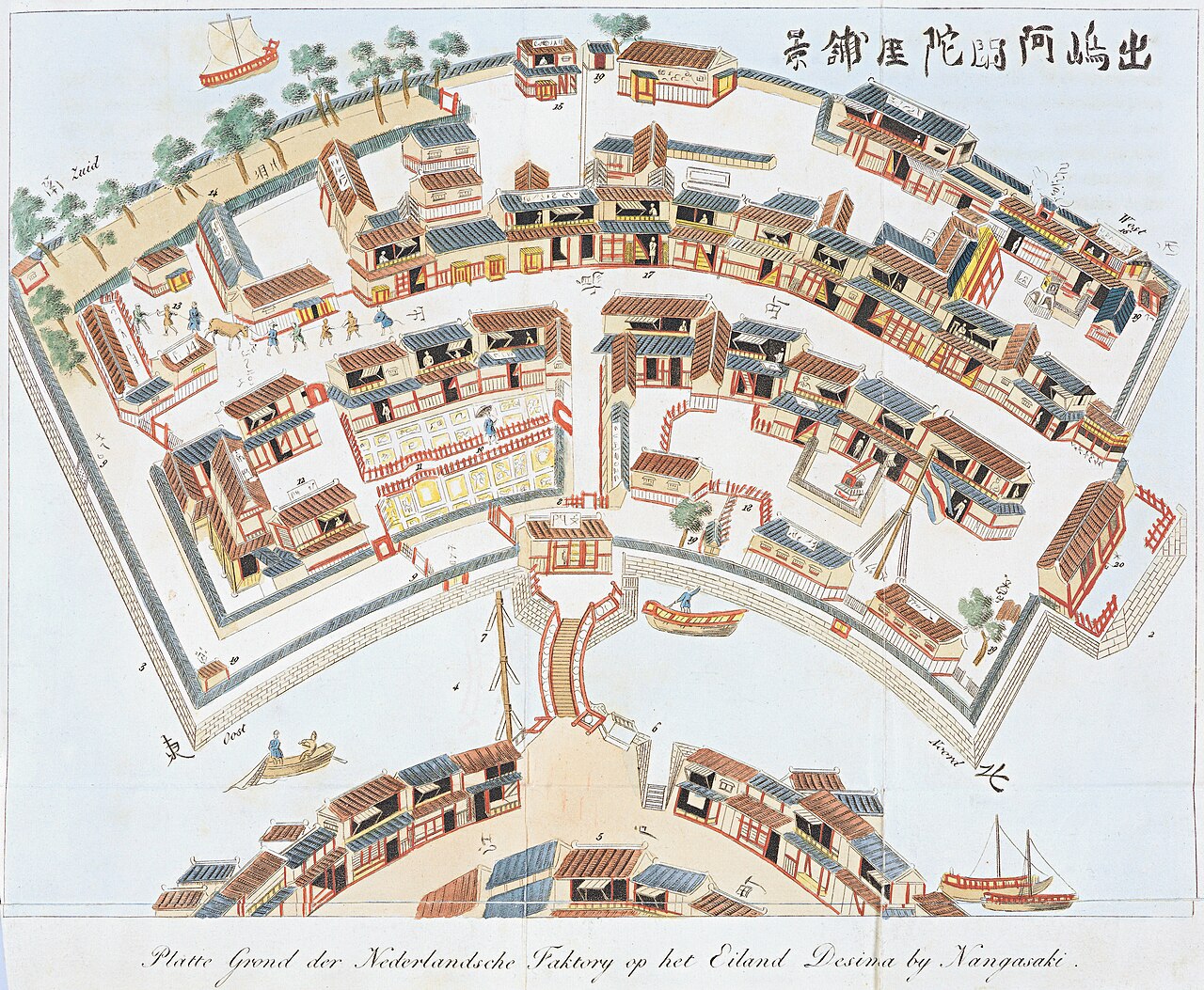
The district's origins reach back to the era of national seclusion. While the Dutch were confined to the artificial island of Dejima, Nagasaki's much larger Chinese community was eventually gathered into a designated residence quarter, and the Shinchi ("new reclaimed land") area was created in the early eighteenth century as a warehouse district for Chinese trade goods. Over time it evolved into the commercial and culinary heart of the Chinese presence in the city, and today's Chinatown occupies this historic ground, its lanes lined with restaurants, shops selling Chinese sweets and sundries, and stalls of steaming street food.
Above all, Chinatown is about food, and it is the birthplace of dishes that have become emblematic of Nagasaki throughout Japan. Champon — a hearty bowl of thick noodles in a rich pork-and-seafood broth piled with cabbage, pork, squid and vegetables — was created here to feed Chinese students affordably, and its cousin sara udon, crisp-fried or soft noodles topped with a thick seafood-and-vegetable sauce, was born in the same kitchens. Eating a bowl of champon in the quarter where it was invented is one of Nagasaki's essential experiences, and the restaurants also serve steamed buns, kakuni manju (braised pork belly in a bun), and other Chinese-Japanese specialities.
The district's most magical moment comes in winter. During the Nagasaki Lantern Festival, held over roughly two weeks around the Lunar New Year, Chinatown and much of the surrounding city are decorated with tens of thousands of glowing lanterns, along with towering illuminated figures, dragon dances, acrobatics and parades. Originating from the Chinese community's Spring Festival celebrations, it has grown into one of Kyushu's great winter events, and Chinatown, ablaze with red light, is its dazzling core.
Even outside festival season, the quarter is an atmospheric and easy stop, ideal for a lunch or dinner break while exploring the central sights, and it sits close to Dejima and the waterfront. The gates, the lanterns strung overhead and the cooking smells give it a lively character quite unlike anywhere else in the city.
Central and effortless to reach by tram to Tsukimachi, Chinatown needs only around an hour for a wander and a meal, though a visit during the Lantern Festival deserves an entire evening. Historic, delicious and full of colour, Nagasaki Shinchi Chinatown is a delicious shortcut into the city's cosmopolitan soul.
A local's tip
Try champon and sara udon — Nagasaki's signature Chinese-Japanese noodle dishes born in this very quarter — and if you come in February, the Nagasaki Lantern Festival fills these streets with thousands of glowing red lanterns.
Best time to visit
Lunch or dinner; February for the Lantern Festival
Getting there
Take a Nagasaki tram to Tsukimachi; the ornate Chinese gates of Shinchi Chinatown are a two-minute walk away in the city centre.
Good to know
- Shops
- Restrooms
- Restaurants
Plan the whole trip offline
Nagasaki Shinchi Chinatown is one of many places in the Real Japan app — with turn-by-turn directions, nearby spots and full offline maps you can use with no signal.