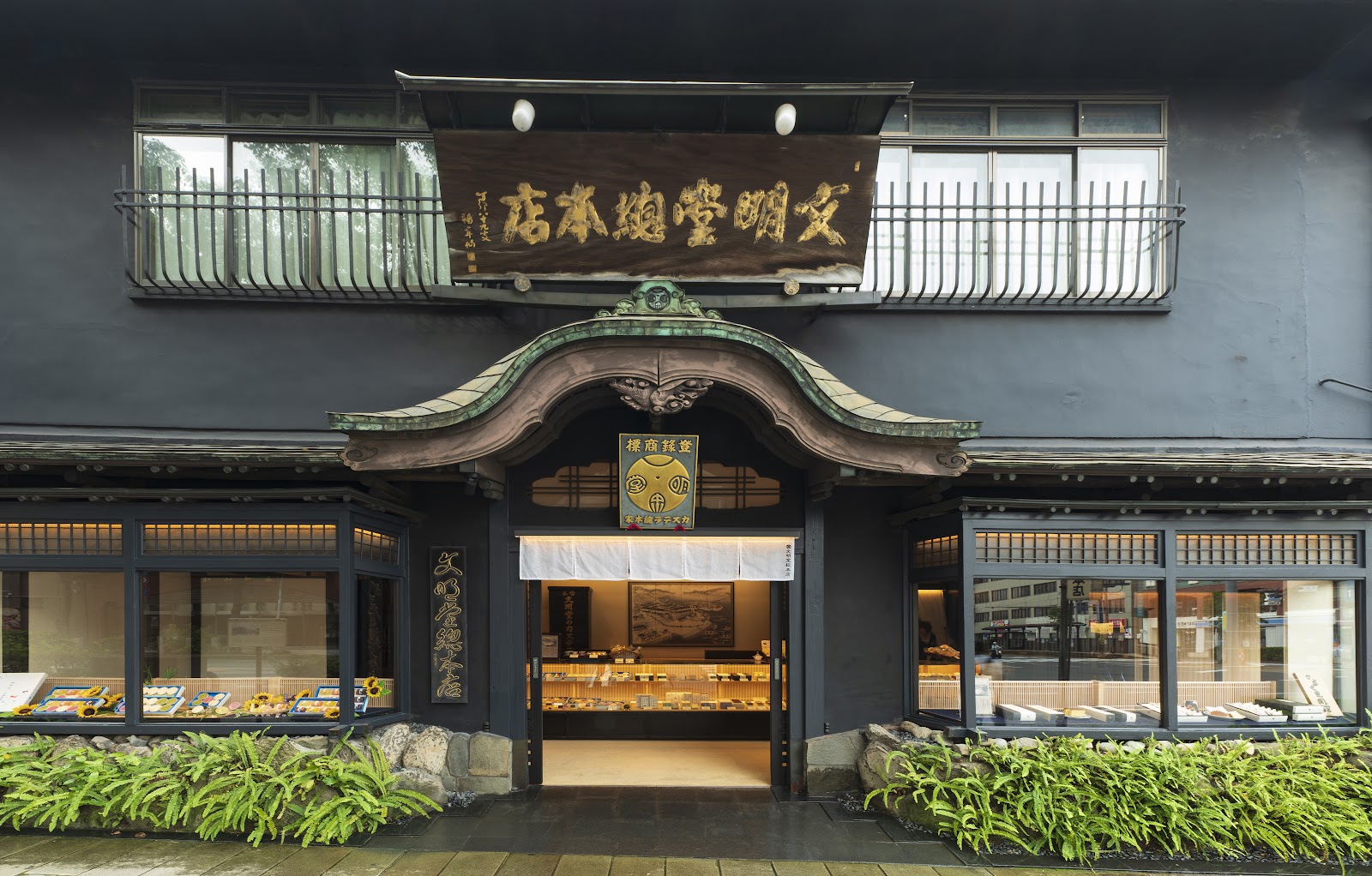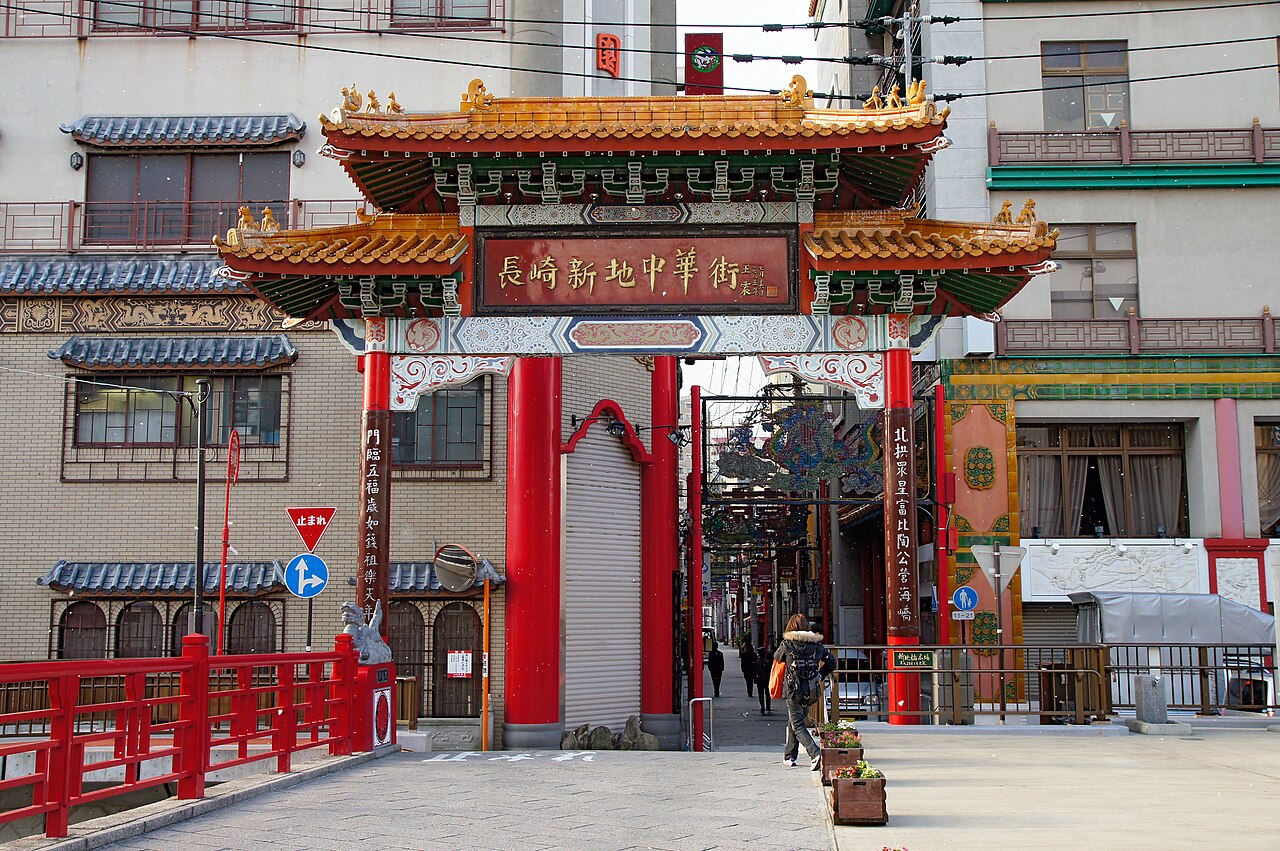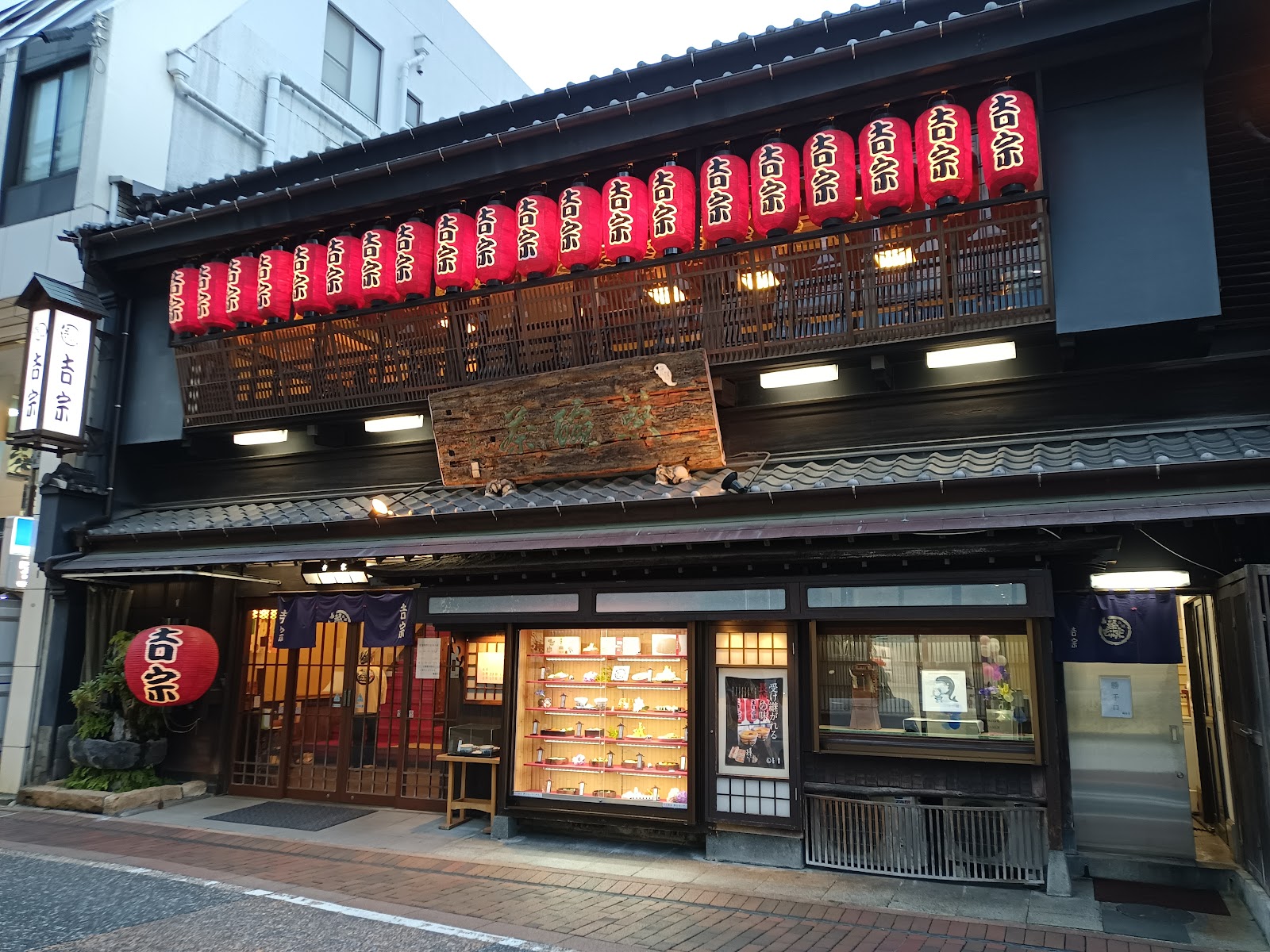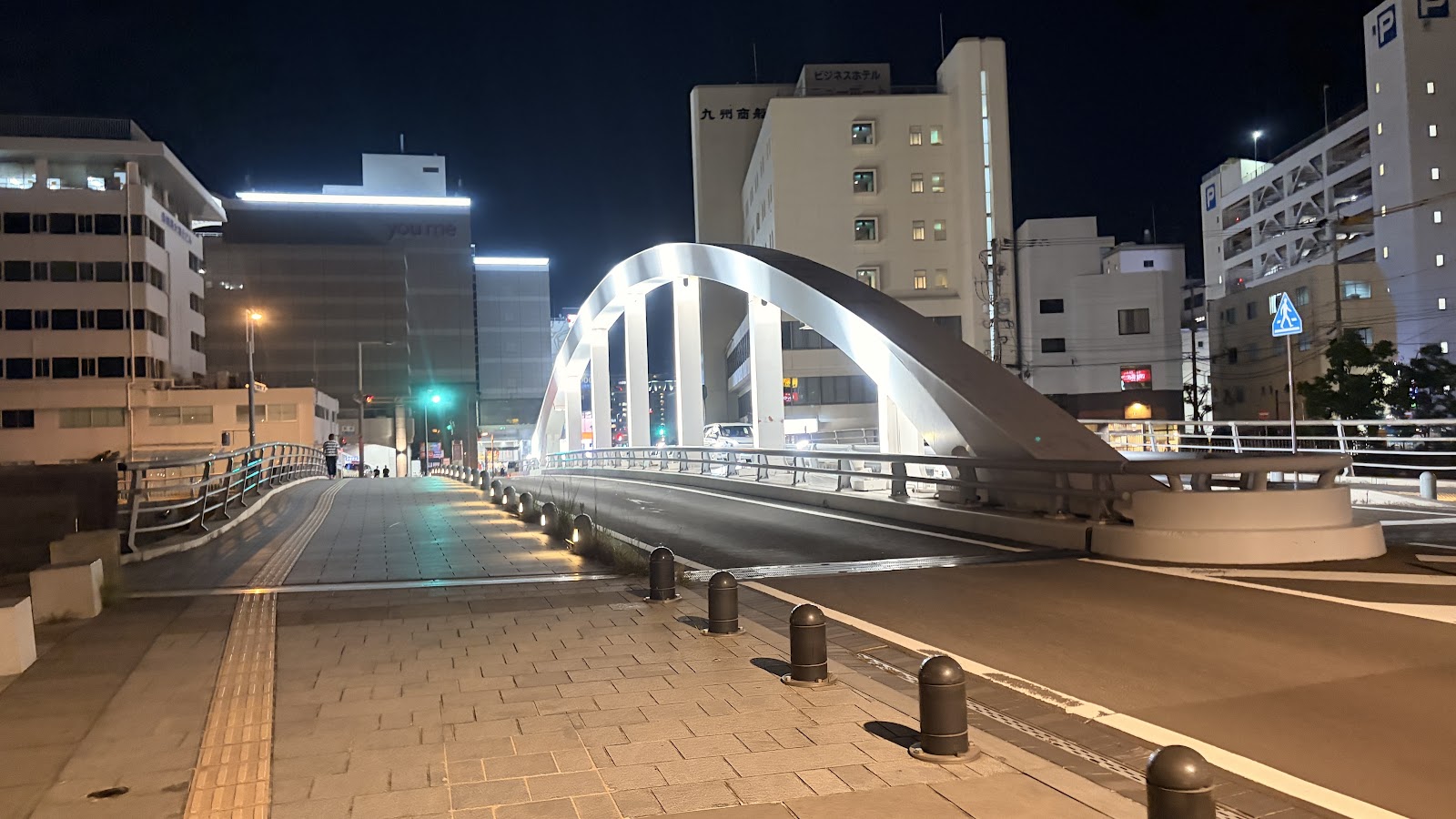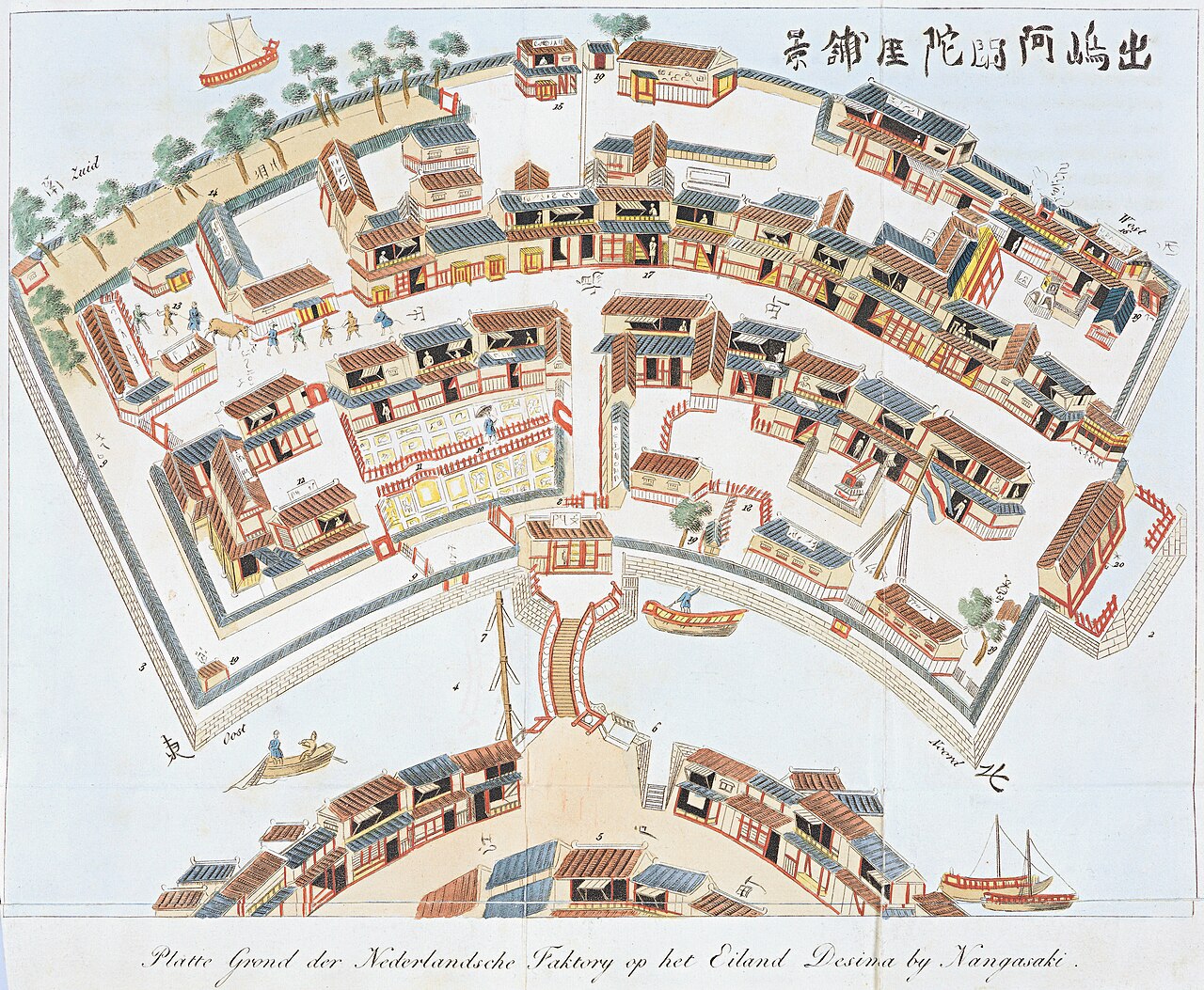
The reconstructed fan-shaped island that was Japan's sole gateway to the West during two centuries of isolation.
Dejima is a small, fan-shaped former island in Nagasaki that holds an outsized place in Japanese history, for during more than two centuries of national seclusion it was the country's only permitted point of contact with the Western world. When the Tokugawa shogunate closed Japan to foreigners in the seventeenth century, fearing the spread of Christianity and outside influence, it confined Dutch traders to this tightly controlled artificial islet, and through this single narrow channel flowed nearly all of Japan's knowledge of Europe until the country reopened in the nineteenth century.
Built in 1636, Dejima was originally created to isolate Portuguese traders, and when they were expelled the Dutch East India Company was moved here from nearby Hirado. The island, connected to the mainland only by a single guarded bridge, functioned as a trading post and a strictly monitored enclave where a handful of Dutch merchants lived under close supervision. Goods, silver, sugar, textiles and exotic curiosities passed through, but so did ideas: books, scientific instruments and medical knowledge entered Japan here, giving rise to a whole field of study the Japanese called Rangaku, or Dutch Learning, which quietly seeded the country's later modernisation.
Over the centuries, land reclamation swallowed the island into the growing city, and its distinctive fan shape vanished into the ordinary street grid. In recent decades Nagasaki has undertaken an ambitious, ongoing project to reconstruct Dejima as it was in its heyday, rebuilding the warehouses, the chief factor's residence, the merchant houses and other structures on their original footprints. Walking the reconstructed street today, visitors pass through rooms furnished in period style, blending Japanese and Dutch elements, filled with exhibits on the trade, the daily life of the residents and the flow of knowledge between East and West.
The experience is engaging and informative, an immersive walk through a pivotal chapter of Japanese history. The site is compact and largely flat, making it accessible, and detailed English signage and displays bring the story to life. A scale model near the entrance shows the island as it once stood surrounded by water, and markers in the surrounding streets trace where the old shoreline lay, helping visitors picture the vanished islet within the modern city. Most people spend around seventy-five minutes exploring the buildings and exhibits.
A notable point is how Dejima symbolises Japan's paradoxical relationship with the outside world during its long isolation. The shogunate sealed the country off, yet deliberately kept this one tiny aperture open, and through it trickled the Western science, medicine and ideas that would help transform Japan when it finally reopened. Dejima is thus both a monument to seclusion and, in a sense, to curiosity, the place where a closed nation kept one careful eye on the wider world.
The best time to visit is late afternoon into early evening, when the reconstructed street grows quiet and its lamps are lit. Take tram line 1 to the Dejima stop, and the entrance lies directly across the street. For anyone interested in how Japan navigated its centuries of isolation, and in the surprising channel through which foreign knowledge reached its shores, Dejima is a fascinating and beautifully realised historical experience.
A local's tip
Look for the scale model of the original fan-shaped island near the entrance, then trace its outline in the modern street layout, where markers show where the shoreline once was before land reclamation swallowed it.
Best time to visit
Late afternoon, when the reconstructed street quietens and the lamps come on
Getting there
Take Nagasaki tram line 1 to the Dejima stop; the entrance is directly across the street.
Good to know
- Cafe
- Exhibits
- Gift shop
- Restrooms
Plan the whole trip offline
Dejima is one of many places in the Real Japan app — with turn-by-turn directions, nearby spots and full offline maps you can use with no signal.