A sulphur-scented hillside district famous for milky-white baths and thatched huts where bath-salt crystals have been farmed from steam for 300 years.
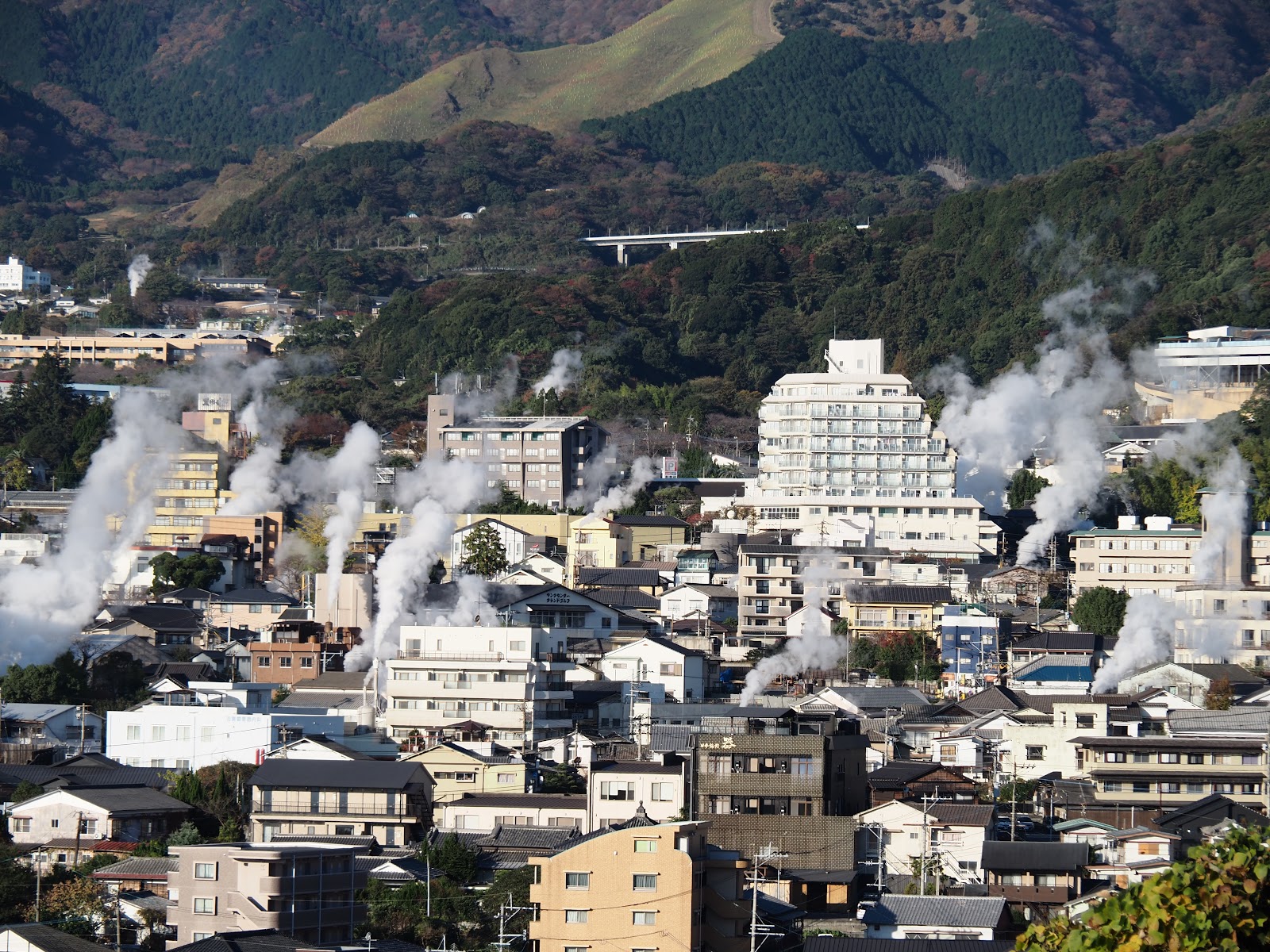
Myoban Onsen sits high on the western slopes above Beppu, and the first thing you notice on arrival is the smell: the unmistakable sulphur tang of a district built on some of the milkiest, most mineral-rich springs in the whole of Beppu Hatto. Where Kannawa is about steam and street atmosphere, Myoban is about a single remarkable craft - the traditional production of yunohana, the pale bath-mineral crystals that form as geothermal gas cools inside distinctive thatched huts.
These huts, clustered on the hillside at the district's heart, are the signature sight. Beneath their low straw roofs, hot sulphurous steam is channelled over beds of blue clay, and over roughly 40 to 60 days delicate crystalline yunohana grows on the surface, harvested by hand. The technique dates to the Edo period, around 300 years ago, and is so distinctive that it has been designated an Important Intangible Folk Cultural Property of Japan. Visitors can walk among the huts, watch the process, and buy the crystals to dissolve in their own baths at home - genuine Beppu onsen in a bag, and one of the most authentic souvenirs the city offers.
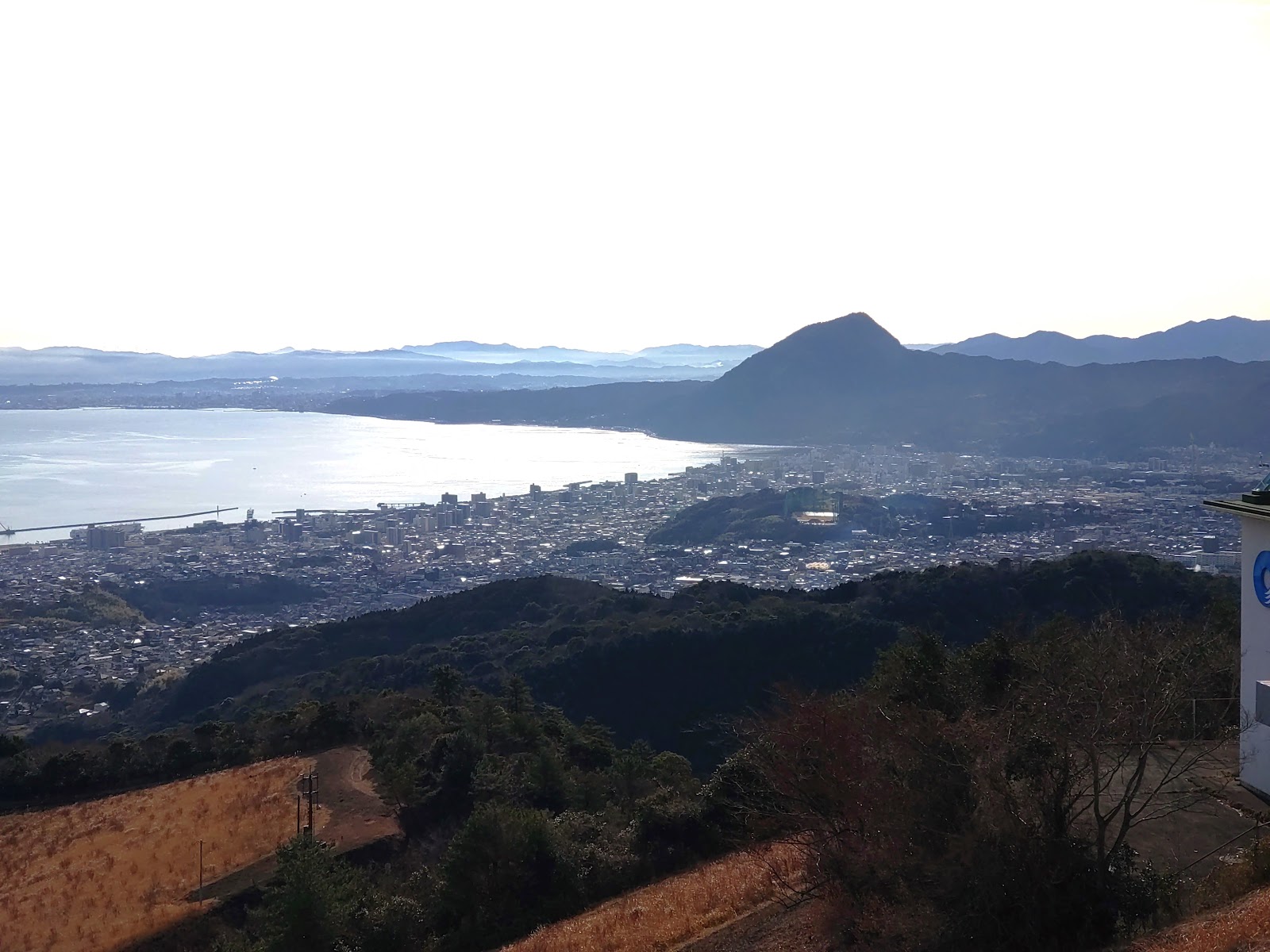
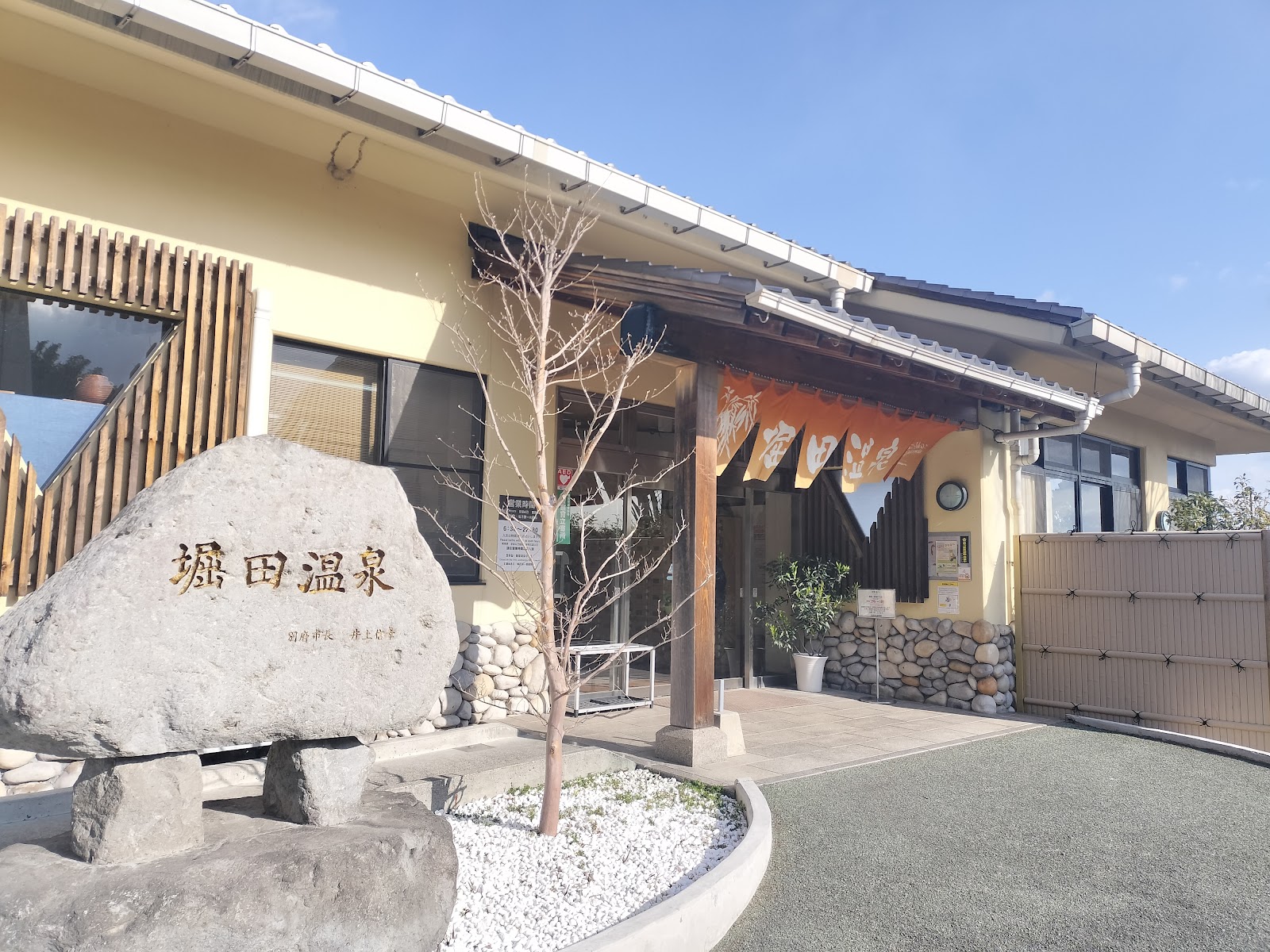
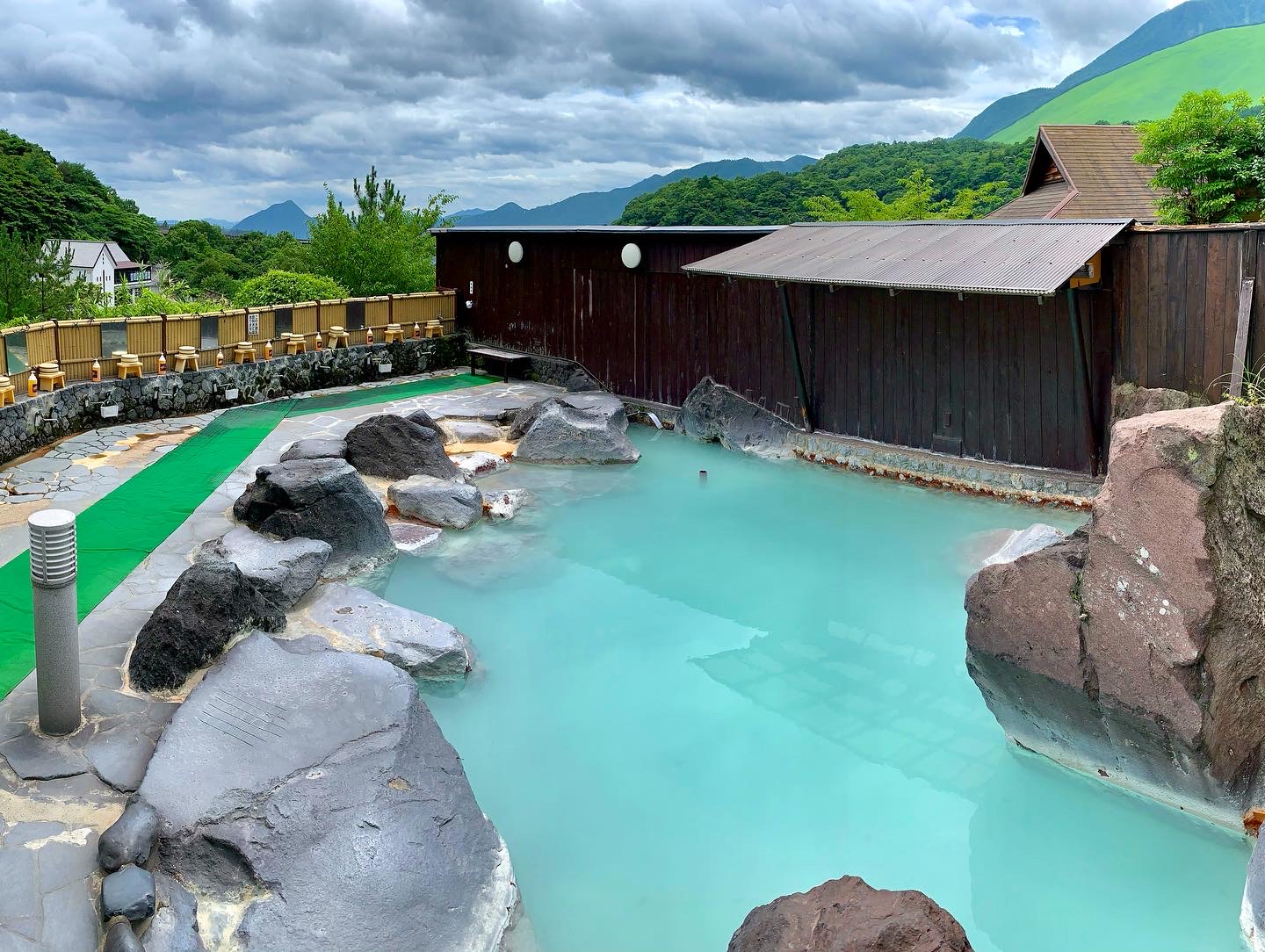
Myoban's baths themselves are prized for their cloudy, sulphur-white water, believed to benefit the skin and circulation. Several ryokan and public bathhouses, including well-known spots offering open-air rotenburo with views over the valley toward Beppu Bay, let day visitors soak in the milky springs. The high sulphur content gives the water a soft, silky feel and leaves that characteristic mineral scent on the skin.
The district has a quieter, more rural feel than the busy hell-tour areas lower down the mountain. A large red bridge, the Myoban Ohashi, spans a valley nearby and offers views back over the steaming hillside, while small cafes sell jigoku-mushi pudding and steamed snacks cooked in the local vapour. The elevated position means cooler air and, on clear days, glimpses of the sea far below.
Myoban rewards a visit of an hour or so: time to tour the yunohana huts, soak in a milky bath, buy some crystals and take in the hillside views. Because it is spread across a slope, expect some walking on inclines. It combines naturally with Kannawa, just downhill, for a half-day exploring Beppu's two most traditional onsen quarters.
As one of the eight districts of Beppu Hatto, Myoban represents the artisanal, craft-based side of the city's relationship with its springs. It is a place where a 300-year-old technique still runs daily, where the steam is not just scenery but raw material, and where the intangible heritage of turning volcanic gas into a bathing treasure is kept quietly alive under thatched roofs on a Kyushu hillside.
A local's tip
Buy authentic yunohana bath crystals straight from the thatched huts where they are still made by hand - it is a designated Important Intangible Folk Cultural Property. The milky sulphur baths here are the whitest in Beppu.
Best time to visit
Daytime to see the yunohana huts
Getting there
Uphill west of Kannawa. Take Kamenoi bus 5 or 41 from Beppu Station toward Myoban (about 25 minutes) to Myoban or Jigoku-bara.
Good to know
- Cafe
- Shops
- Public baths
- Yunohana huts
Plan the whole trip offline
Myoban Onsen District is one of many places in the Real Japan app — with turn-by-turn directions, nearby spots and full offline maps you can use with no signal.