A 1375-metre peak above Beppu reached by Kyushu's largest ropeway, with sweeping views over the bay and beyond.
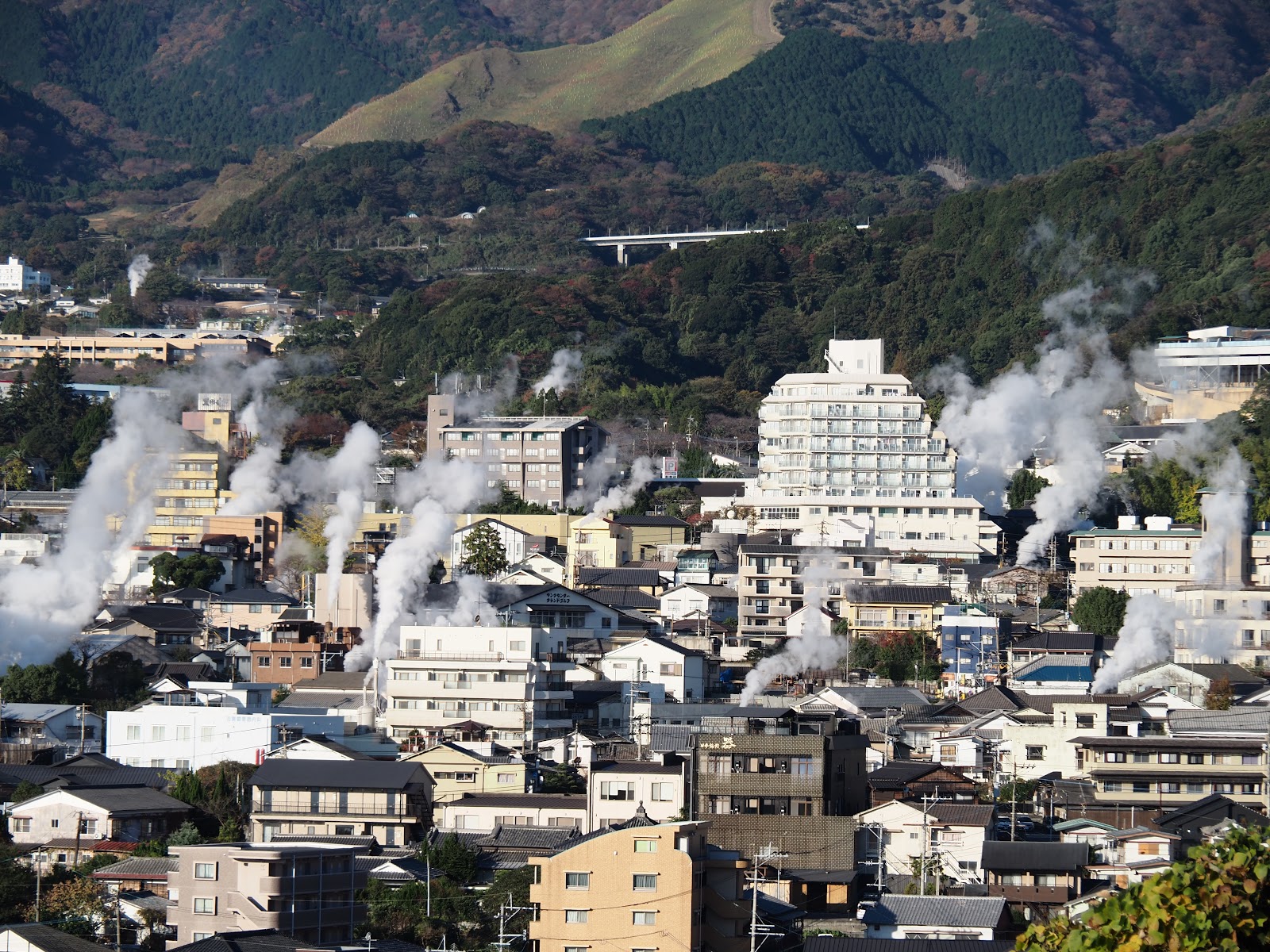
Mount Tsurumi, or Tsurumidake, is the great 1375-metre mountain that rises directly behind Beppu, and its summit provides the finest natural panorama of the famous hot-spring city and the coastline of Kyushu. While Beppu is celebrated for its steaming onsen and bubbling hells, Mount Tsurumi offers the opposite perspective, a cool, elevated escape where you look down on the whole steaming city, the sweep of Beppu Bay, and ridge upon ridge of Kyushu's mountains rolling into the distance.
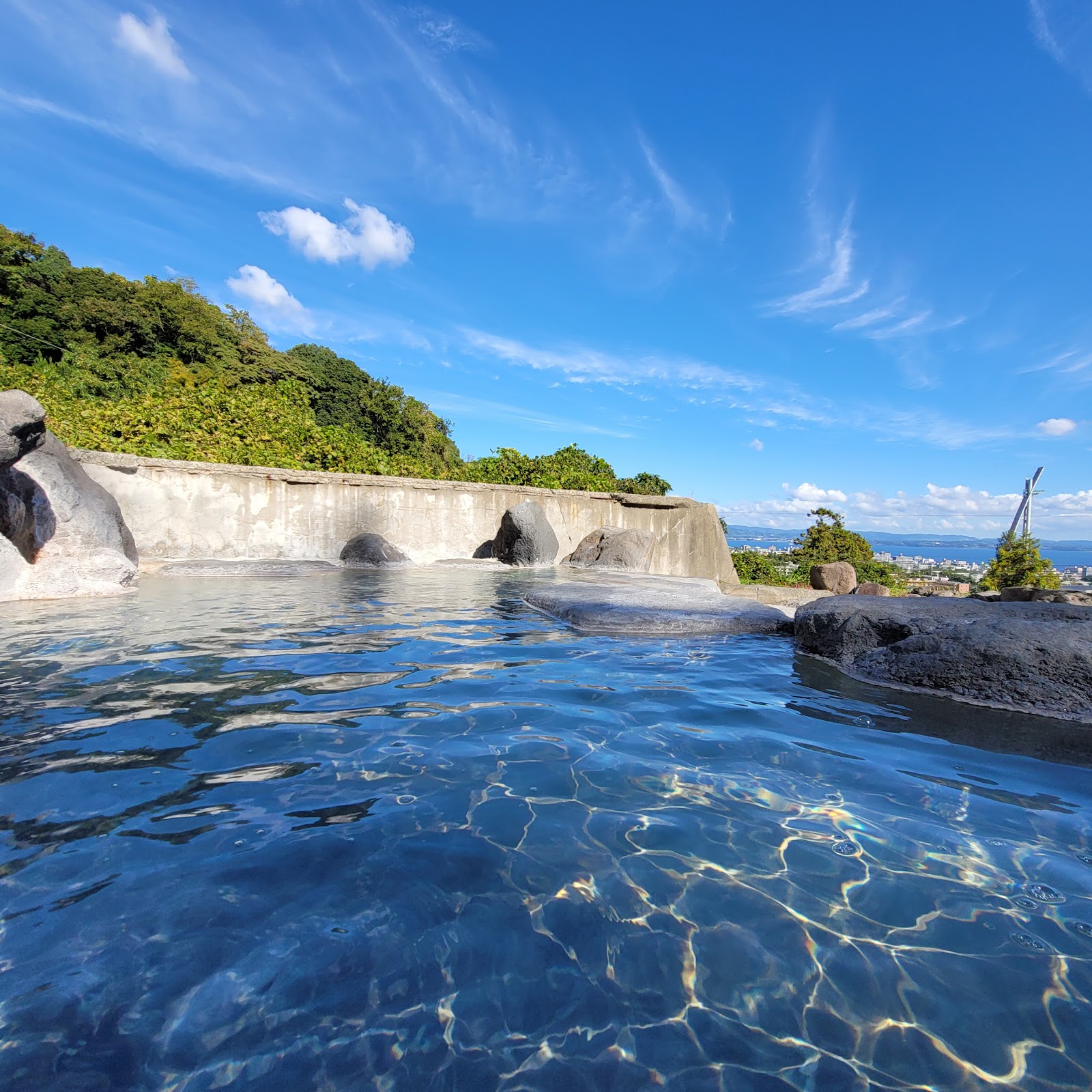
The summit is reached by the Beppu Ropeway, a highlight in its own right. Its gondolas, among the largest in the Kyushu region and able to carry around 100 passengers at once, rise from the lower Beppu Kogen Station at roughly 500 metres up to Tsurumi Sanjo Station near the top at around 1300 metres. The ten-minute ascent climbs nearly 800 metres up the steep slopes, and as the city drops away below, the view expands dramatically until Beppu Bay, the Kunisaki Peninsula, and on clear days even the mountains of distant Shikoku across the sea come into sight.
At the top, a small park and network of walking paths lead to several lookout points and to summit shrines, including rows of small stone Buddhist statues that lend the heights a serene, spiritual air. A short, easy walk of a few minutes brings you from the upper station to the main observatory, and the more energetic can continue along gentle trails around the summit area. A cafe and rest facilities make it comfortable to linger over the views.
Mount Tsurumi is a mountain for all seasons, and each brings a different reward. Spring dresses the slopes in cherry blossoms and, a little later, brilliant azaleas that carpet the summit in pink and red. Autumn turns the forests to gold and crimson. Winter, however, produces the mountain's most magical spectacle: juhyo, or frost-covered trees, when freezing mist coats every branch in white rime and the summit becomes a glittering ice forest, a genuinely rare sight at this southern latitude. Because the peak is markedly cooler than the city, it also offers welcome relief from summer heat.
The mountain pairs beautifully with the rest of a Beppu itinerary, providing the perfect natural counterpoint to the town's geothermal attractions. After descending, visitors often continue to the colorful hells of the Jigoku Meguri circuit, soak in one of Beppu's many hot springs, or take in the city's other viewpoints such as Jumonjibaru and the Global Tower.
Getting there is simple. From Beppu Station, buses run to the Beppu Ropeway lower station in about 15 minutes, and drivers will find parking at the base. Note that neither the bus nor the ropeway is covered by the Japan Rail Pass; the round-trip ropeway fare is around 1800 yen. The ropeway generally operates from morning until early evening, with seasonal variations, so check the last ascent time. Allow around 90 minutes for the ride up, the walk to the viewpoints and shrines, and the return. Cool, scenic, and spectacular in every season, Mount Tsurumi is the crowning natural attraction of Beppu.
A local's tip
Come in mid-winter to see the juhyo, or frost-covered trees, that turn the summit into a glittering white forest, a rare sight this far south in Japan.
Best time to visit
April for cherry and azalea, or winter for frost flowers
Getting there
About 15 minutes by bus from Beppu Station to the Beppu Ropeway lower station, then a 10-minute cable-car ride to Tsurumi Sanjo Station near the summit.
Good to know
- Cafe
- Shrine
- Parking
- Restrooms
Plan the whole trip offline
Mount Tsurumi (Beppu Ropeway) is one of many places in the Real Japan app — with turn-by-turn directions, nearby spots and full offline maps you can use with no signal.