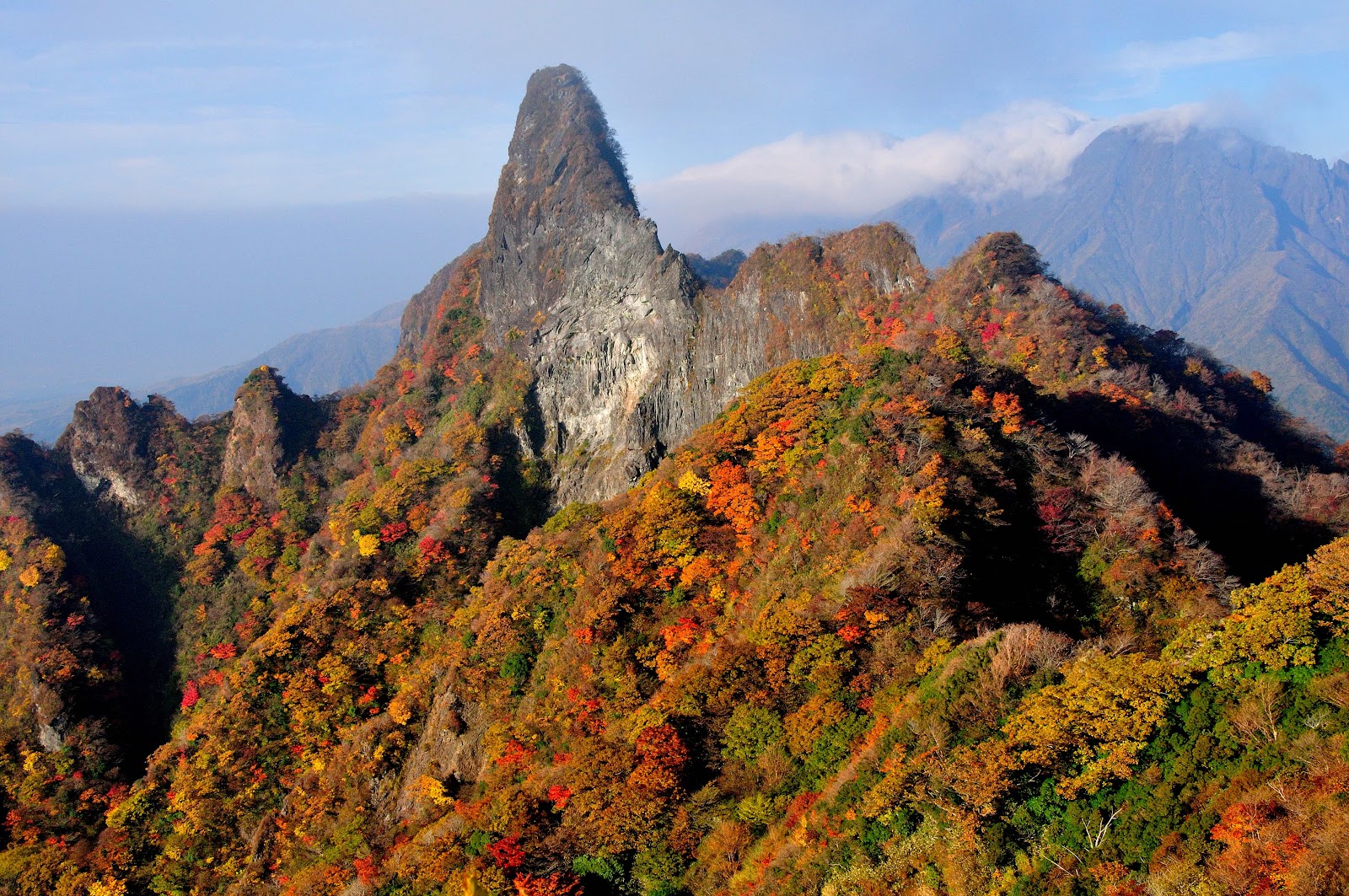
The jagged, saw-toothed easternmost of the Aso Five Peaks, a dramatic silhouette and a serious ridge climb for experienced hikers.
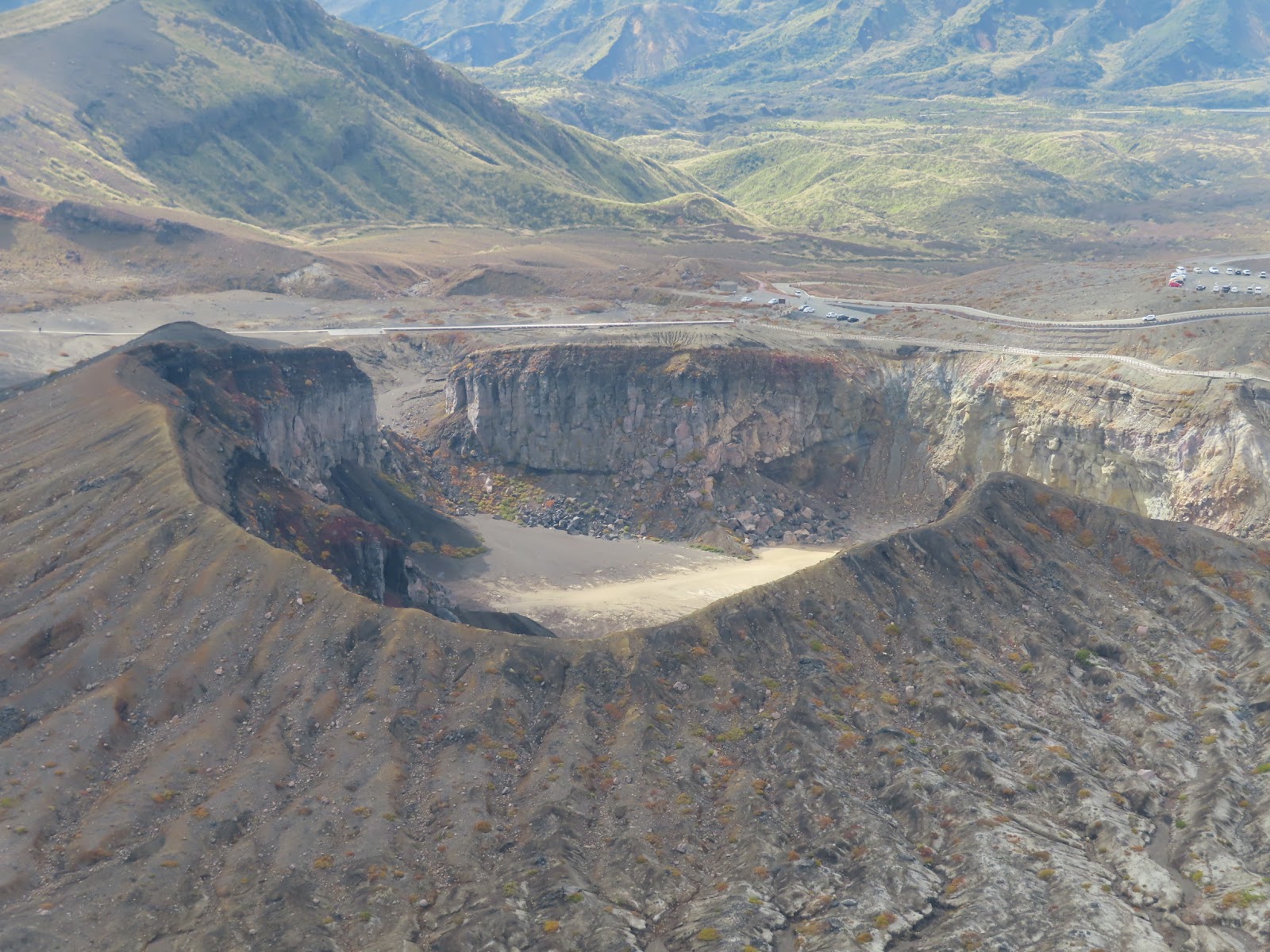
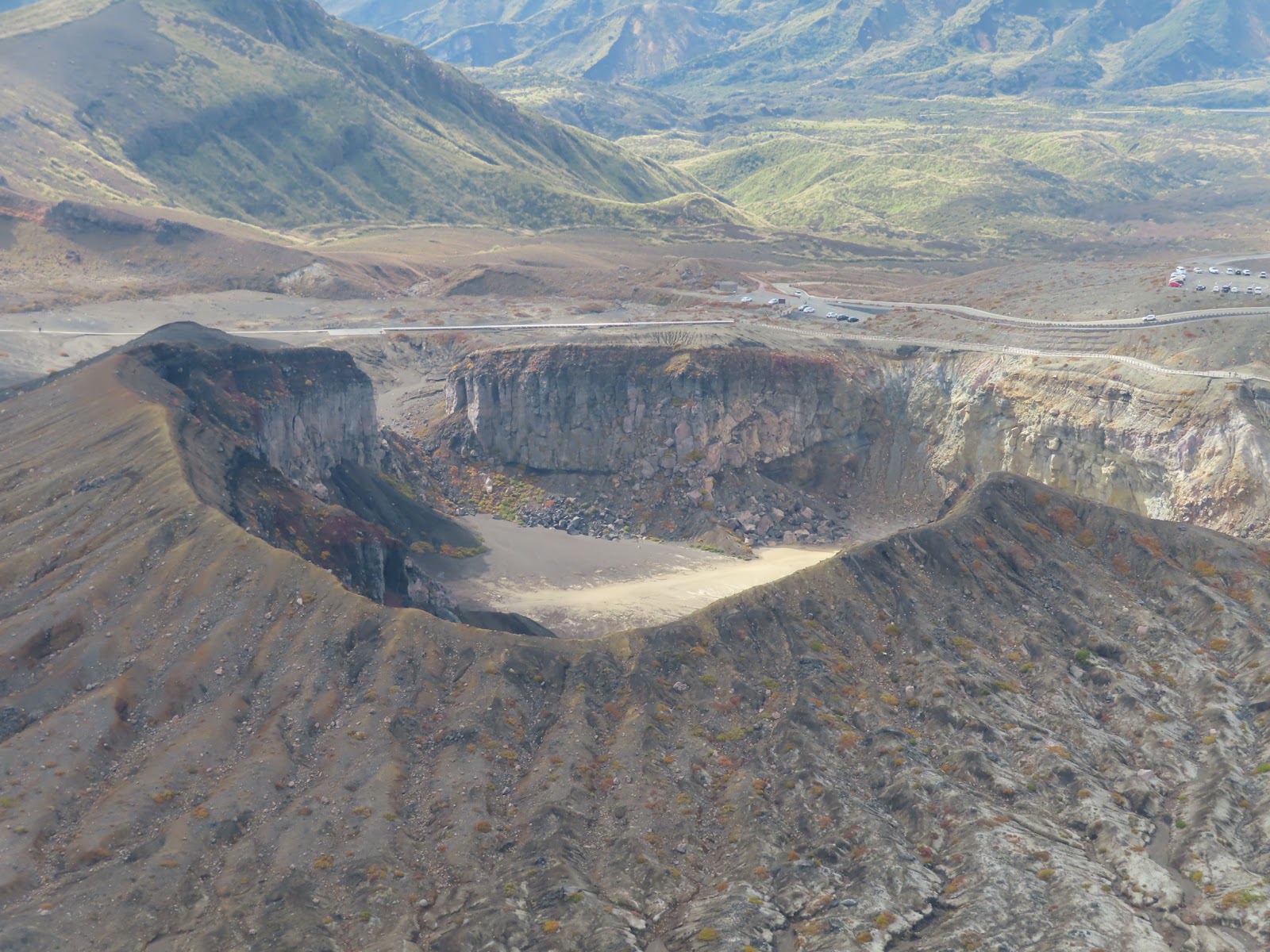
Mount Nekodake, 1,433 metres high and the easternmost of the Aso Five Peaks, is the wild outlier of the group. While its neighbours are smooth green cones, Nekodake is a shattered ridge of dark, weather-sculpted rock whose jagged profile is said to resemble a cat's ears or the spine of a sleeping animal, giving it the name "cat mountain." It is the oldest of the central cones, and hundreds of thousands of years of erosion have stripped it back to a serrated crest of pinnacles and gullies utterly unlike the pastoral peaks to the west. For photographers it is Aso's signature shape; for hikers it is the caldera's most demanding and rewarding climb.
Seen from the caldera floor around Takamori and Miyaji, Nekodake dominates the eastern skyline, its rock teeth catching the light at dawn and dusk. Many visitors are content to admire and photograph it from below, and it makes a superb subject in the golden hour, especially in autumn when the surrounding slopes turn russet and gold. But for those with the experience and fitness, the ascent to the ridge is one of the finest adventures in Kyushu.
This is emphatically not a casual stroll. The upper route involves steep scrambling over exposed volcanic rock, chains and fixed ropes in places, and genuine exposure along the narrow crest. It should only be attempted by hikers comfortable with hands-on scrambling, in good weather, with proper footwear, gloves and a head for heights. The reward is a knife-edge vantage point unlike anywhere else in the caldera, looking back across the whole central cone group to the steaming Nakadake crater and out over the eastern caldera rim toward the mountains of Oita. The rock itself, folded and coloured by ancient eruptions, is a geology lesson underfoot.
Nekodake's age and structure make it a key to reading Aso's story. As the eroded remnant of an early central volcano, it shows what the younger peaks like Kijimadake and Eboshidake may eventually become, once their eruptions cease and time wears them down. Standing on its ridge, with active steam on one side and this fossilised volcano beneath your boots, you feel the deep time of the caldera in a way no roadside viewpoint can convey.
Access is the mountain's main practical hurdle. Public transport to the trailhead is impractical, so a rental car or taxi from Miyaji or Takamori is effectively required, and parking near the approach is limited. Always check weather and volcanic conditions before setting out, start early, and turn back if cloud or rain moves in, as the exposed rock becomes dangerous when wet. For the majority of travellers, the smart plan is to enjoy Nekodake as the dramatic backdrop it is, photographing its unmistakable silhouette from the valley, and to leave the summit to well-prepared mountaineers. Either way, it is the most memorable shape on the Aso horizon.
A local's tip
You do not have to climb it to enjoy it: Nekodake's saw-toothed ridge is Aso's most photogenic silhouette, best shot from the caldera floor near Takamori in morning light.
Best time to visit
Clear autumn days, early start
Getting there
The trailhead is on the eastern side of the central cones, reached by car from Miyaji or Takamori; there is limited roadside parking near the Nekodake approach. Public transport is impractical, so a rental car or taxi is recommended.
Good to know
- Parking
- Restrooms
Plan the whole trip offline
Mount Nekodake is one of many places in the Real Japan app — with turn-by-turn directions, nearby spots and full offline maps you can use with no signal.