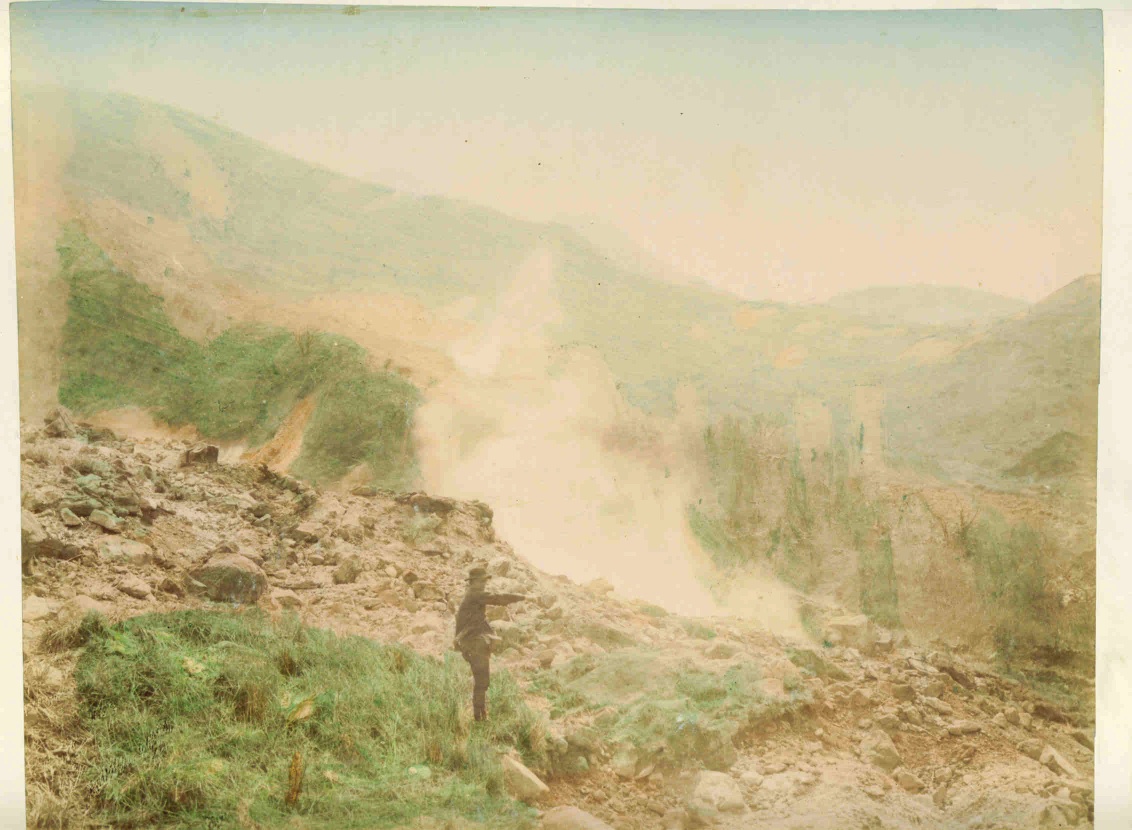
A refined, retro onsen district famous for the century-old Fujiya Hotel and a main road lined with antique and curio shops.
Miyanoshita is Hakone's most storied and cosmopolitan onsen district, a hillside resort that became the international face of Japanese hot-spring tourism in the late 19th century. Set roughly midway up the Hakone Tozan Railway between Yumoto and Gora, it grew famous when the Fujiya Hotel opened here in 1878 as one of Japan's first Western-style resort hotels, drawing foreign diplomats, royalty, and celebrities to the mountains.
That legacy still defines the district's atmosphere, which blends Meiji-era Western elegance with traditional onsen culture. The Fujiya Hotel remains the centerpiece: a rambling, ornately detailed wooden complex with hybrid Japanese-Western architecture, landscaped gardens, a greenhouse, and a grand dining hall. Even non-guests are welcome to admire the lobby, stroll the grounds, or take afternoon tea, and the hotel's history reads like a guest list of the 20th century, having hosted figures from Charlie Chaplin to John Lennon.
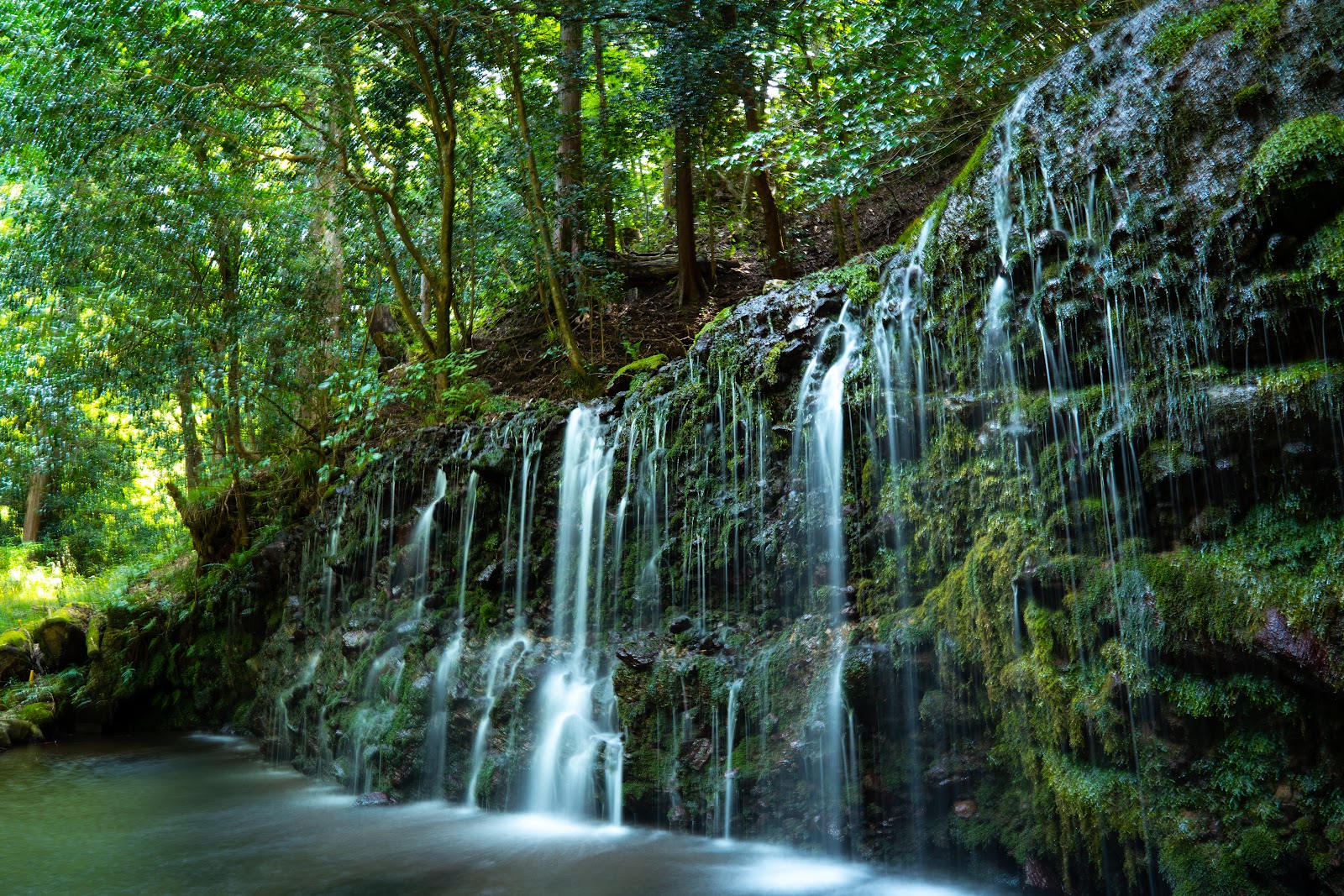
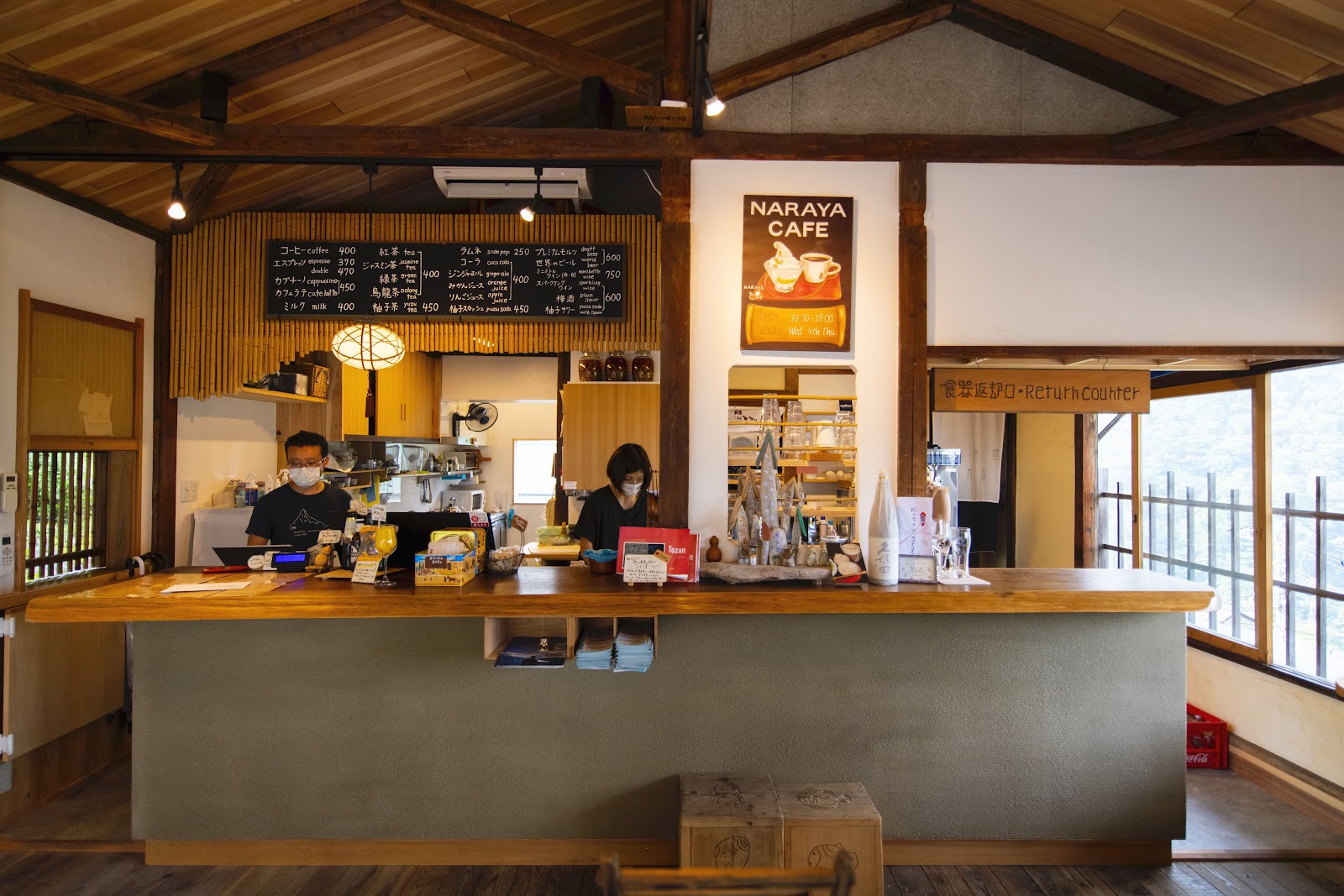
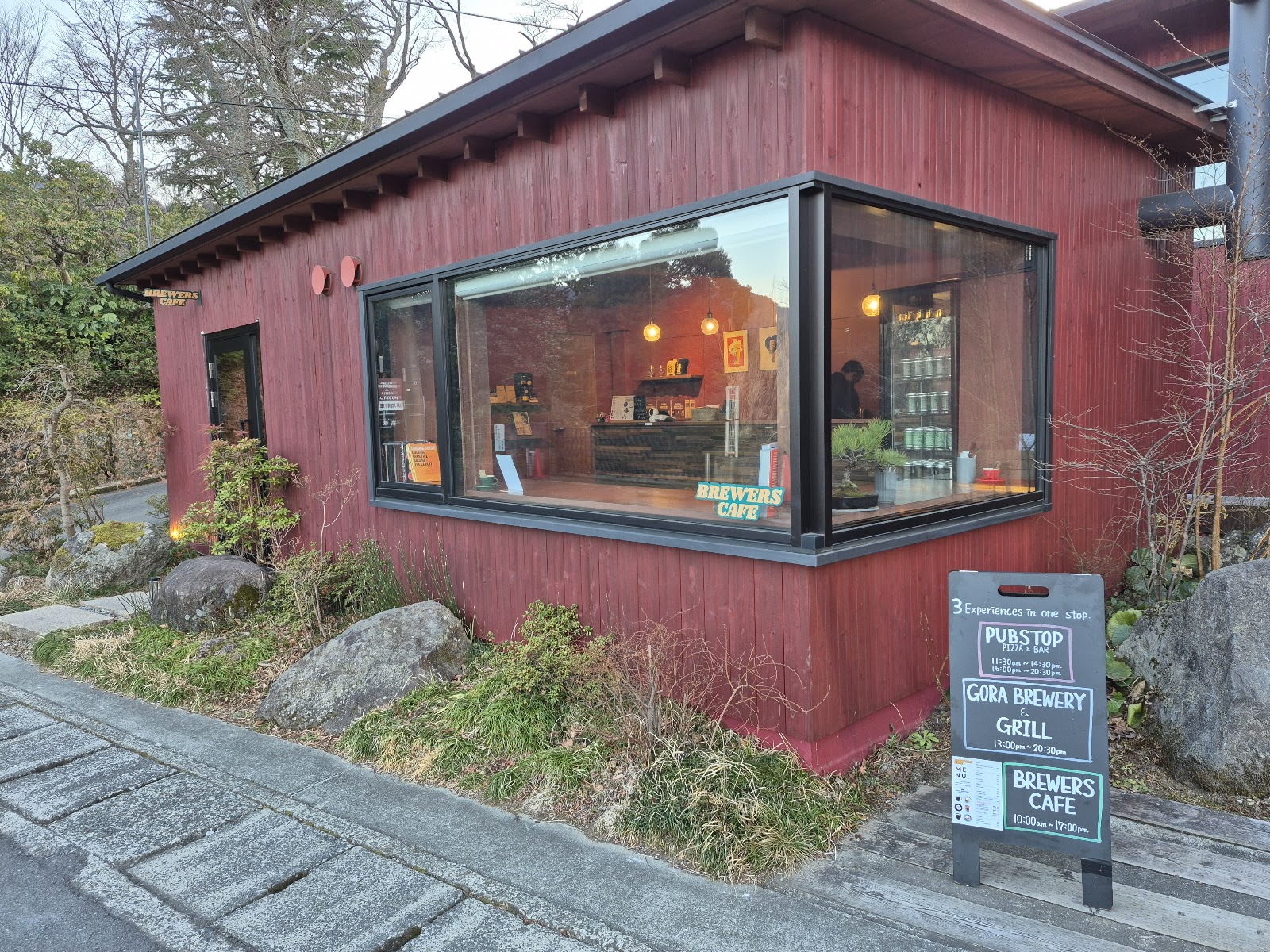
Beyond the hotel, Miyanoshita's charm lies in its gently sloping main road, which is lined with antique shops, curio dealers, bakeries, and cafes. This is one of the best districts in Hakone for browsing vintage woodblock prints, old ceramics, lacquerware, and retro souvenirs, and the shopfronts themselves, many dating back decades, give the street a nostalgic, film-set quality. Small bakeries and tea houses provide easy rest stops.
A notable fact is that Miyanoshita's hot springs have been developed continuously since the Edo period, and the district's fame helped establish Hakone as the classic weekend escape from Tokyo. Its elevation gives cooler summers and vivid autumn color, and the surrounding forest presses close to the rooftops.
The visiting experience is relaxed and cultured rather than adventurous. You can happily spend an hour or two wandering the main road, dipping into shops and cafes, then continuing to the Fujiya for a look at its architecture and gardens. The district is walkable but hilly, with slopes and steps between the station and the main street, so those with mobility needs should plan for gentle inclines. Day-use bathing is available at several inns and at the hotel, letting travelers sample the waters without an overnight stay.
The best time to visit is autumn, when maples flare around the hotel gardens and along the railway, or spring for cherry and fresh greenery. Winter is quiet and refined, ideal for pairing a soak with a warm cafe stop, while summer stays comfortably cool.
Getting there is part of the pleasure. From Hakone-Yumoto, board the Hakone Tozan Line, the mountain-climbing railway that switches back three times as it ascends, and ride to Miyanoshita Station in about 25 to 30 minutes. The vintage trains, tight curves, and forest views make the ride itself a highlight. From the station it is a short downhill walk to the main road and the Fujiya Hotel. Miyanoshita sits conveniently on the standard Hakone loop, so it slots easily between Yumoto below and the museums, cable car, and Gora district above.
A local's tip
Even if you are not staying at the historic Fujiya Hotel, book afternoon tea or browse its lobby and gardens, then hunt the antique and curio shops along the main road for vintage prints and lacquerware.
Best time to visit
Afternoon; autumn foliage season
Getting there
From Hakone-Yumoto Station, ride the Hakone Tozan Line uphill through its switchbacks to Miyanoshita Station (about 25-30 minutes). The onsen district and antique-lined main road are a short walk down from the station.
Good to know
- Onsen
- Shops
- Restrooms
- Restaurants
- Historic Hotel
Plan the whole trip offline
Miyanoshita Onsen is one of many places in the Real Japan app — with turn-by-turn directions, nearby spots and full offline maps you can use with no signal.