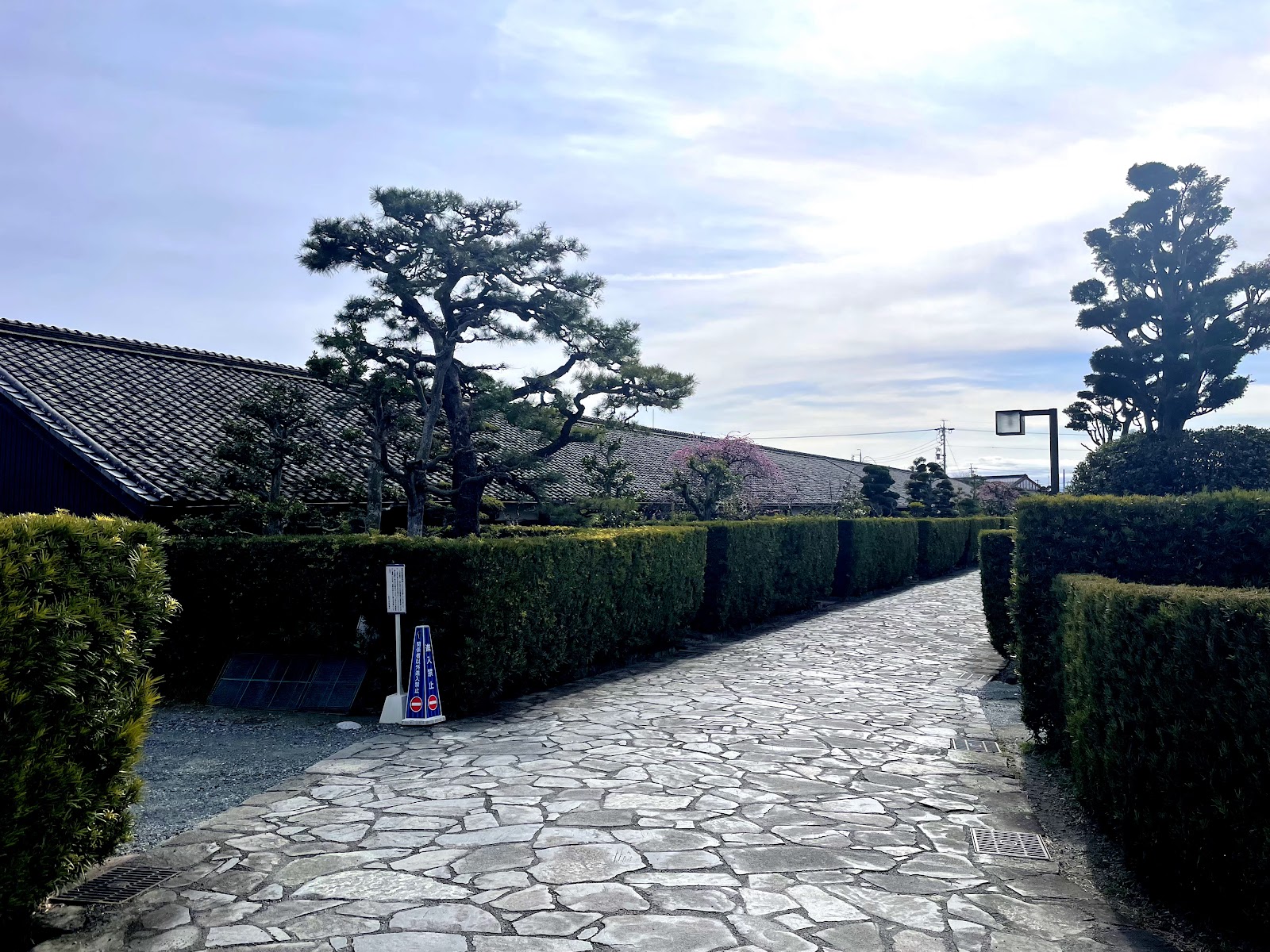
A living row of Edo-era samurai residences below Matsusaka Castle, still home to the warriors' descendants.
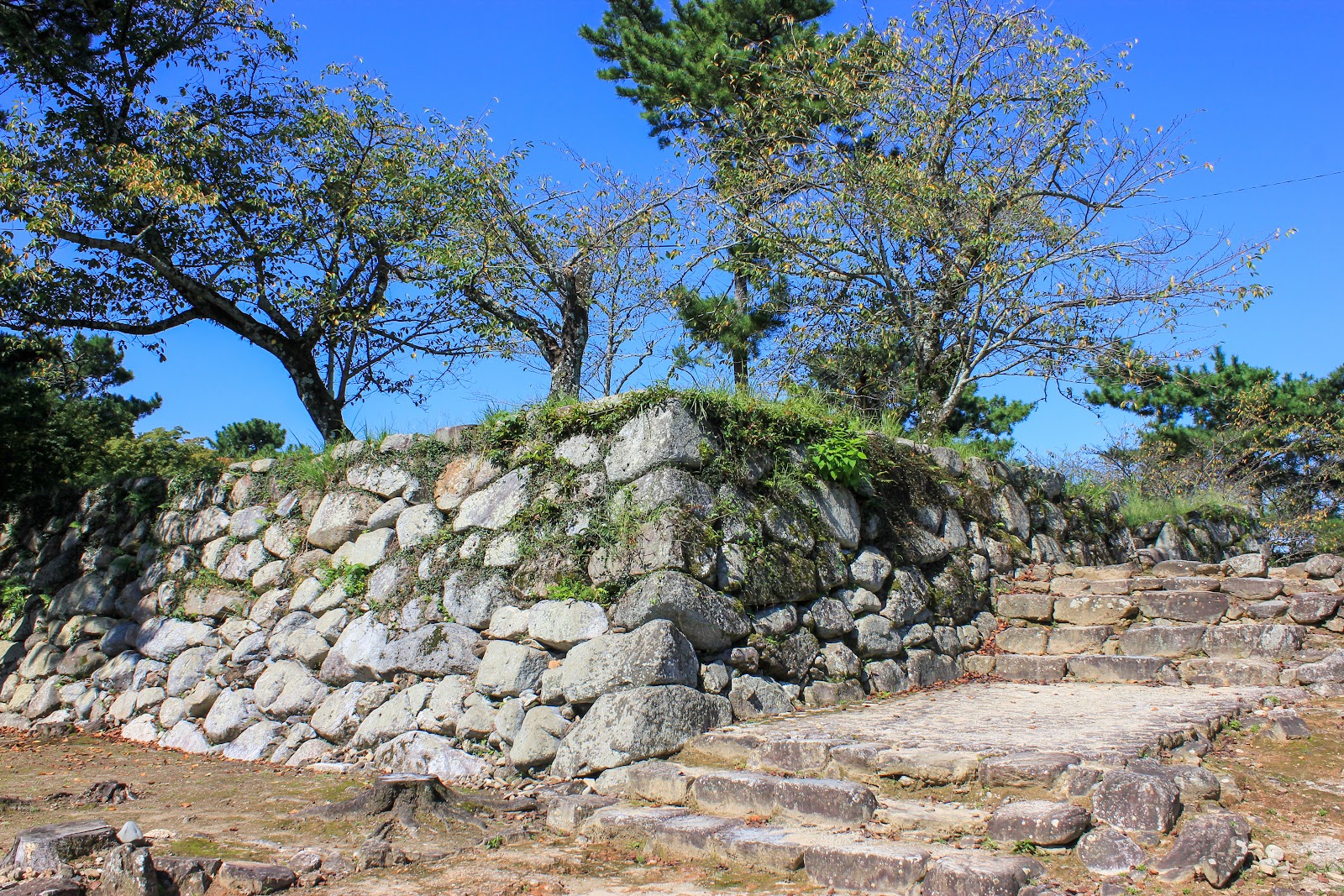
Just below the great stone ramparts of Matsusaka Castle runs the Gojoban Yashiki, one of the best-preserved samurai residential lanes in Japan and a genuine slice of the Edo period still in daily use. The name refers to the fifth guard unit: these long, low tenement houses were built for the samurai of the Kishu Domain who were posted to guard the castle in the closing decades of the Edo era. Ranged behind clipped hedges along a quiet gravel street, with their whitewashed walls and grey-tiled roofs, they look almost exactly as they did when the shogun's warriors lived here.
What sets the Gojoban Yashiki apart from a museum is that it remains a living neighbourhood. Remarkably, the descendants of those original samurai families still occupy many of the houses today, maintaining the historic buildings as their homes. This continuity gives the lane an authenticity that reconstructed heritage districts can never match, but it also means visitors should treat it as the residential street it is, admiring the architecture and the atmosphere without intruding on private life.
Strolling the lane, you get an immediate feel for the modest, disciplined world of the low-ranking Edo samurai, far removed from the grandeur of the daimyo's castle looming above. The uniform hedges, the narrow gardens, the plain but dignified facades all speak of a class that valued order and restraint. It feels, as one visitor put it, like walking straight into a samurai television drama, yet everything here is real and centuries old. Interpretive signs explain the history of the guard unit and the layout of the residences.
On certain days one of the houses is opened to the public as a show residence, letting you step inside to see the tatami rooms, the household arrangements and the everyday objects of samurai domestic life. Even when the interiors are closed, the exterior streetscape is freely accessible at any hour and is a rewarding photo stop, especially in the soft light of early morning before other visitors arrive.
The Gojoban Yashiki works best as part of a wider Matsusaka history walk. It sits directly at the foot of the castle ruins, so most people combine the two, climbing the ramparts for the view and then descending into the hushed samurai lane; the relocated study house of the scholar Motoori Norinaga is also close by. Together these sites make Matsusaka one of the most rewarding small castle towns in the Ise region, rich in Edo texture yet almost entirely overlooked by international visitors.
Allow around half an hour to walk the lane slowly, longer if a show house is open. Access is free, the setting is peaceful, and the experience of a samurai quarter still inhabited by the warriors' own descendants is something you will find in very few places in Japan.
A local's tip
This is one of very few samurai tenement rows in Japan still lived in by descendants of the original warriors, so admire the lane respectfully; the hedged street is loveliest in soft morning light.
Best time to visit
Any season; pairs with a Matsusaka Castle visit
Getting there
The samurai lane sits just below the Matsusaka Castle ramparts, a 15-minute walk from Matsusaka Station. Follow the castle hill down its western side to reach the row of tiled-roof residences.
Good to know
- Parking
- Restrooms
Plan the whole trip offline
Matsusaka Gojoban Yashiki is one of many places in the Real Japan app — with turn-by-turn directions, nearby spots and full offline maps you can use with no signal.