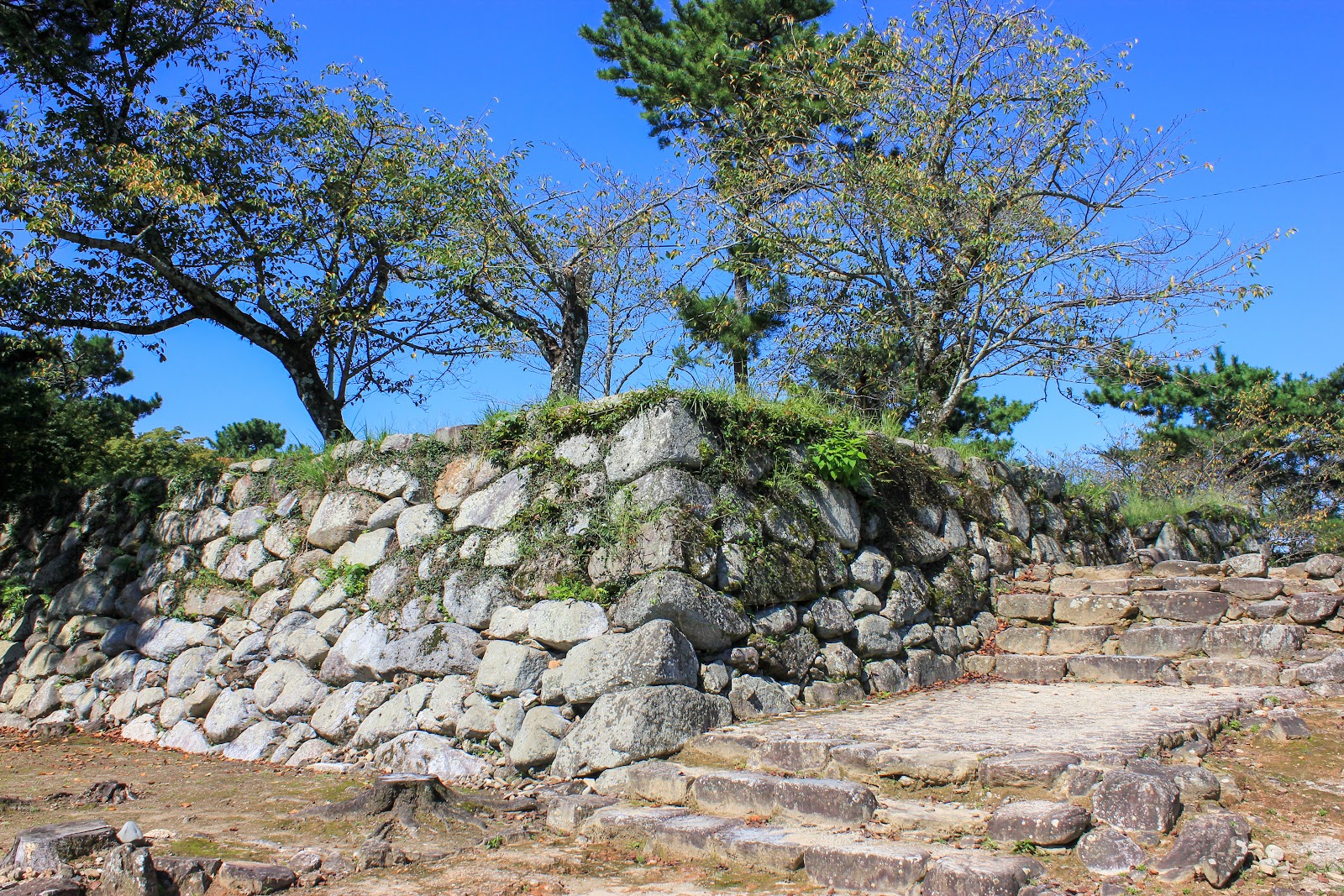
Towering Edo-period stone ramparts of a lost castle, now a free hilltop park over Matsusaka's old town.
Matsusaka Castle (Matsusaka-jo) was built in 1588 by the warlord Gamo Ujisato, a gifted young general under Toyotomi Hideyoshi who laid out both the fortress and the prosperous merchant town that still surrounds it. Though the wooden keep and turrets are long gone, the castle's magnificent stone ramparts survive almost intact, rising in tiered walls of fitted granite that were carried and set by hundreds of labourers more than four centuries ago. Climbing the worn stone steps to the summit is like walking backward into the Edo period.
For most of that era the castle served as a secondary administrative centre for the powerful Kishu-Tokugawa clan, the daimyo of Kii Domain, and it anchored one of the wealthiest towns in the region. Matsusaka grew rich on cotton and on the famous Ise merchants who fanned out across Japan; that mercantile confidence is still legible in the scale of the fortifications. After the Meiji Restoration the buildings were dismantled, but the site was preserved as a park and is today counted among Japan's notable castle ruins.
What you come to see are the walls themselves. Multiple baileys step up the hill, their ramparts built in different techniques and periods, and the topmost tenshudai marks where the main keep once stood. From here the view opens across the tiled roofs of the old castle town toward the mountains and, on clear days, the glint of Ise Bay. In spring the grounds fill with cherry blossom and in late autumn the maples turn, making these two seasons by far the most rewarding for a visit.
The ruins are wonderfully uncommercial and free to enter at any hour, which is part of their charm. Paths are unpaved gravel and stone, so sensible shoes help, but the climb is short and manageable for most visitors. Interpretive signs explain the layout, and the quiet, tree-shaded ramparts are a favourite of local walkers and photographers.
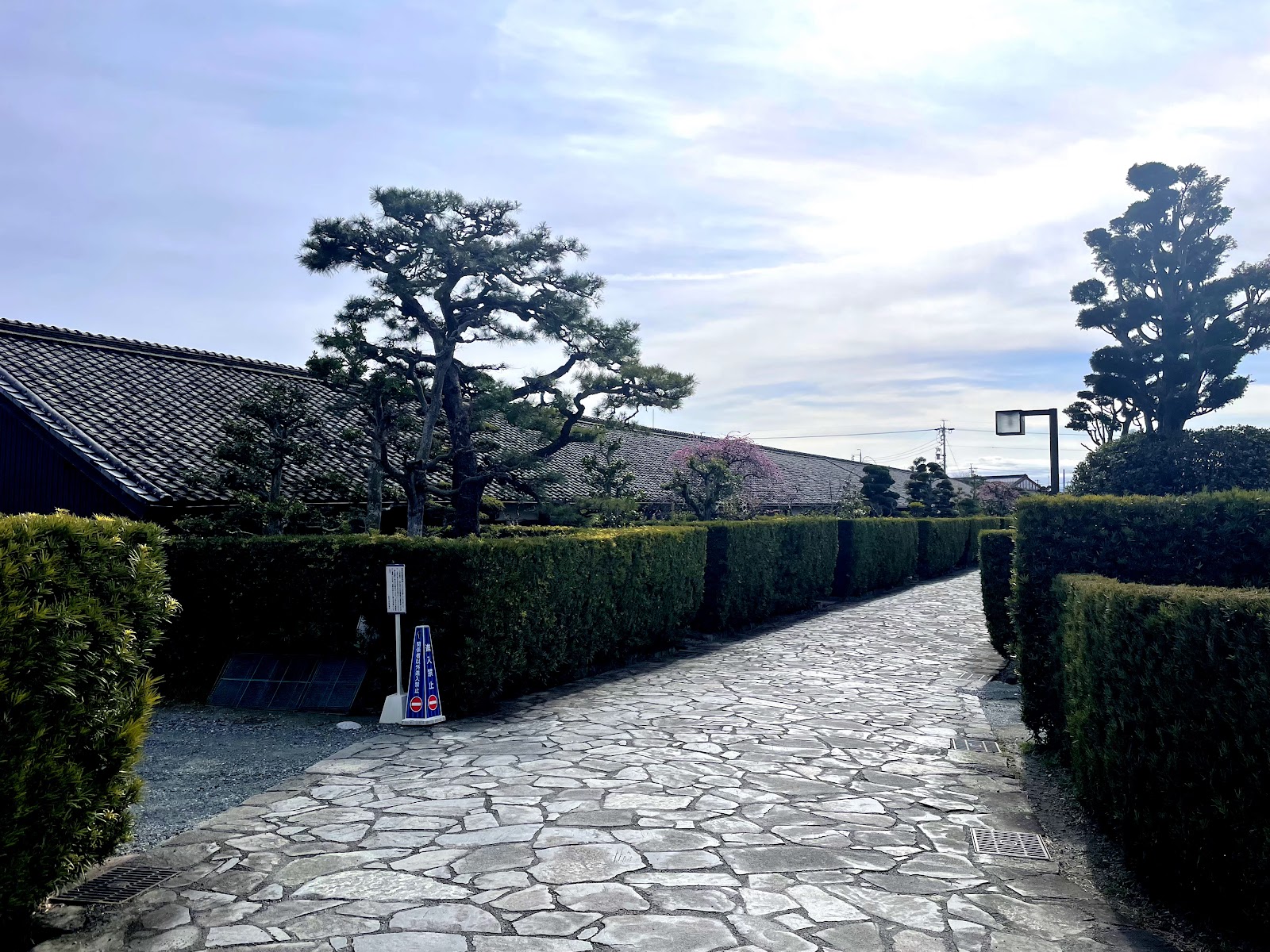
Crucially, the castle is the hub of a wider historic quarter. Immediately below the walls lies the Gojoban Yashiki, a rare surviving row of samurai residences whose descendants still live there, and a short stroll away is the relocated study house of the great Edo scholar Motoori Norinaga. Combine the three and you have a compact, deeply atmospheric half-day of Edo history far off the usual tourist trail.
Getting there is easy: Matsusaka Station sits about 70 minutes from Nagoya on JR or Kintetsu express services, and the ruins are a pleasant 15-minute walk through streets still lined with old merchant houses, sake shops and the town's celebrated Matsusaka-beef restaurants. Come hungry, wear good shoes, and give yourself time to wander both the ramparts and the samurai lane at their feet.
A local's tip
Climb to the tenshudai (keep base) at the top for the widest view over Matsusaka, then loop down to the neighbouring Gojoban Yashiki samurai lane before the crowds arrive.
Best time to visit
Late autumn for foliage, or cherry-blossom season
Getting there
From Matsusaka Station (about 70 minutes from Nagoya on the JR or Kintetsu express lines), walk roughly 15 minutes southwest through the old castle town. The stone ramparts rise directly ahead once you cross into the historic quarter.
Good to know
- Parking
- Restrooms
Plan the whole trip offline
Matsusaka Castle Ruins is one of many places in the Real Japan app — with turn-by-turn directions, nearby spots and full offline maps you can use with no signal.