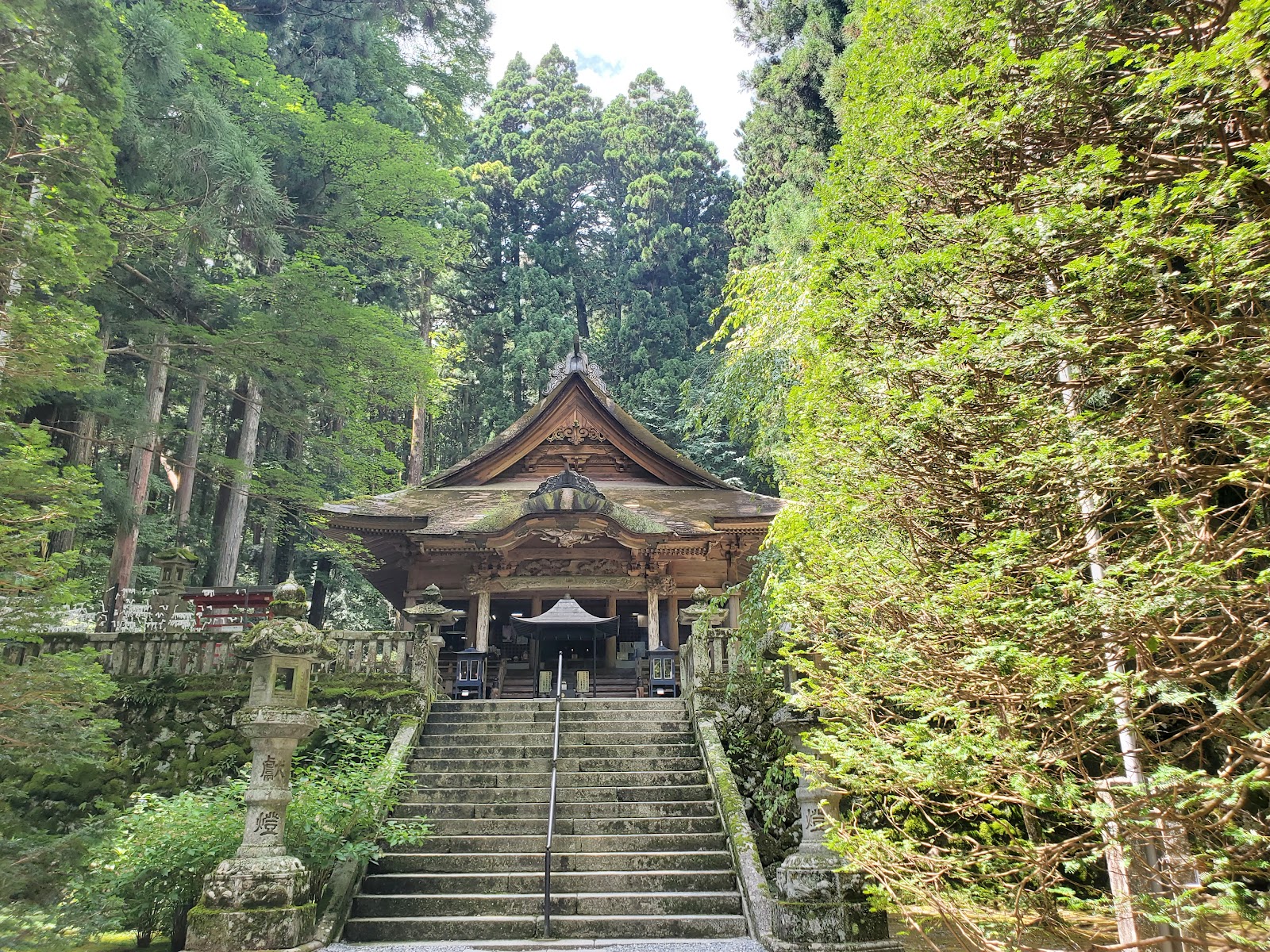
A Zen temple above the old Kiso castle town with a celebrated dry rock garden and ties to the Kiso samurai clan.
Kozen-ji rises on the hillside above Kiso-Fukushima, the historic administrative heart of the Kiso Valley, and offers a rare combination of Zen calm, a distinguished rock garden and a deep connection to the region's samurai past. For travellers exploring the Nakasendo highway and its post towns, it is a rewarding cultural stop that most visitors overlook.
The temple is the family temple of the Kiso clan, descendants of Kiso Yoshinaka, the 12th-century warrior who rallied the mountainous province to his cause during the Genpei War and briefly seized the capital before falling out with his own kin. That heritage gives Kozen-ji unusual historical weight for a mountain temple, and its precinct holds memorials connected to the clan that once ruled these steep, cedar-cloaked valleys. The Kiso region was later famed for its magnificent hinoki cypress forests, so closely guarded by the shogunate that felling a tree was a capital offence, and that same superb timber went into the region's temples and shrines.
Kozen-ji's best-known feature is the Kanuntei, a karesansui or dry landscape garden designed in the modern era by the celebrated garden master Shigemori Mirei, who reinterpreted the Zen tradition with bold, contemporary lines. Raked gravel represents flowing water, while carefully placed stones and clipped greenery evoke mountains and islands; because the temple sits at some altitude, it is often described as one of the highest dry gardens in the country. Sitting on the temple veranda and contemplating the composition, with the forested Kiso mountains rising beyond the walls, is a genuinely meditative experience, especially in autumn when maples add fiery colour to the greys and greens.
Inside, the temple preserves cultural treasures including a rare Buddhist mandala and hell-scroll paintings used historically to teach lay believers about karma and the afterlife, as well as statuary and documents relating to the Kiso clan. A large bell and old timber halls complete the atmospheric precinct, which is blessedly quiet compared with the busy tourist honeypots elsewhere along the Nakasendo.
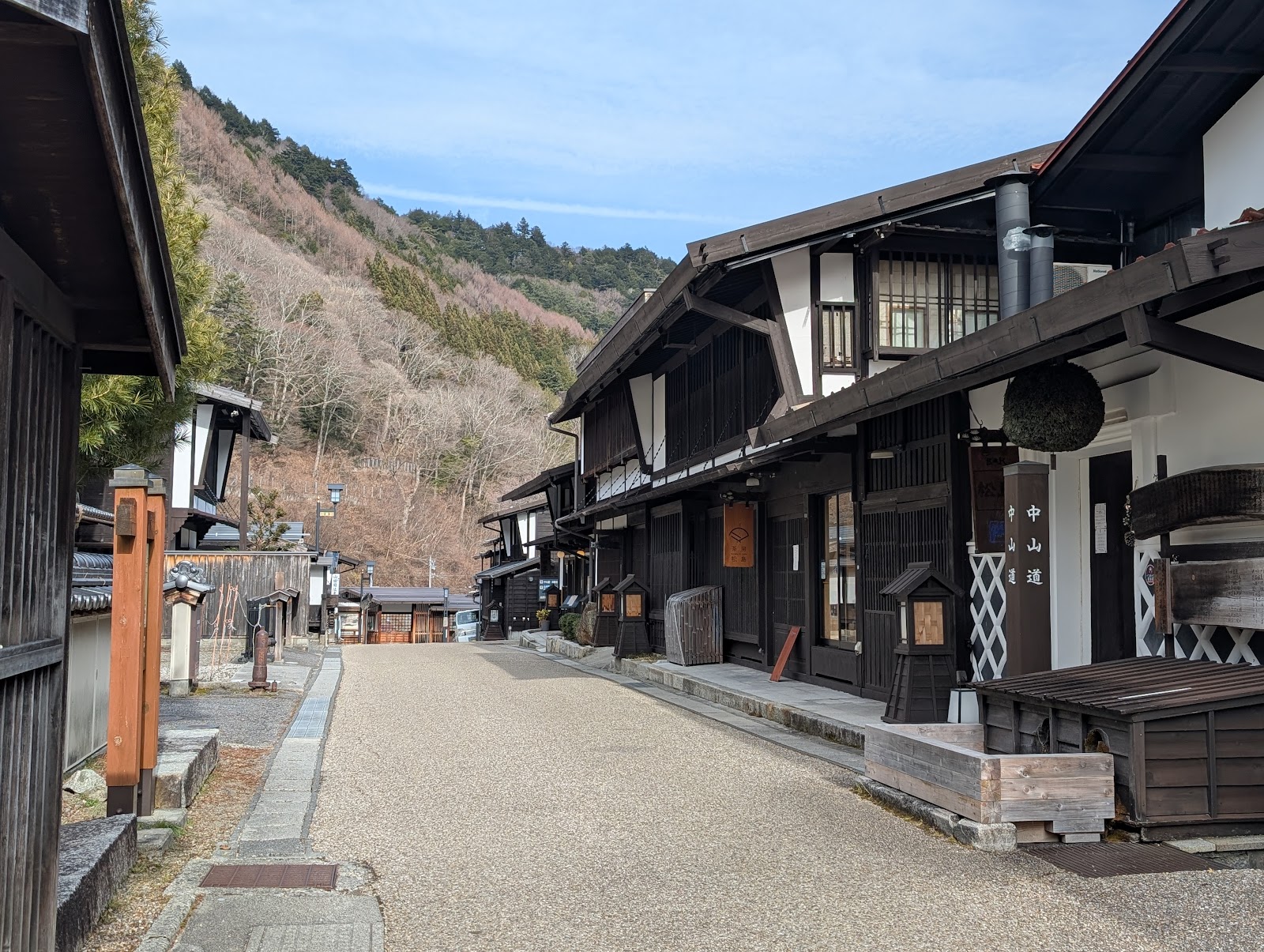
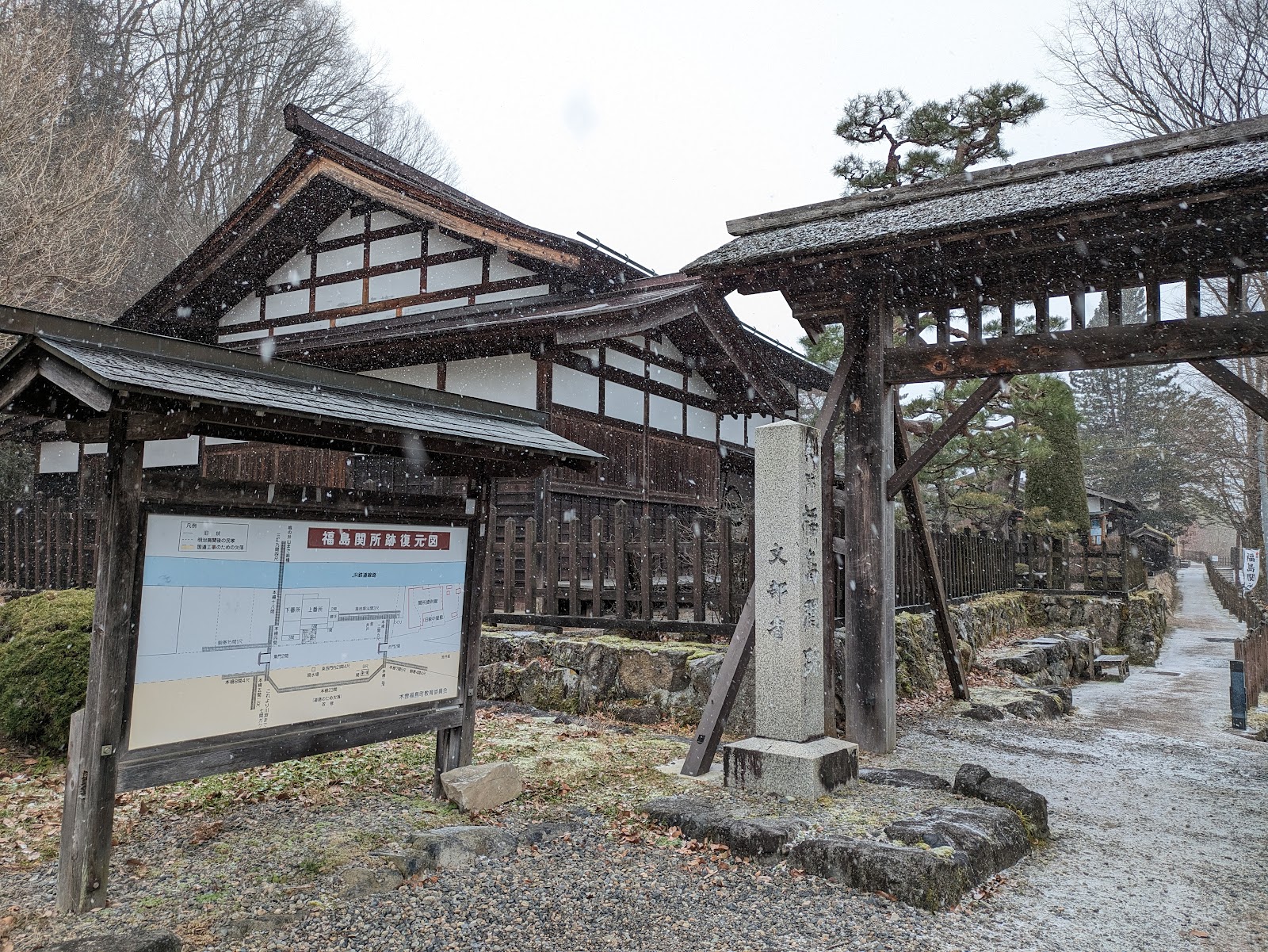
Kiso-Fukushima itself is worth exploring: an old barrier town on the Nakasendo where travellers were once inspected as they passed between Edo and Kyoto, it retains steep lanes, a preserved sekisho checkpoint museum and traditional wooden buildings clinging to the riverbanks. Kozen-ji makes a fine centrepiece for a half day here, easily combined with the celebrated post towns of Tsumago and Magome further down the valley.
To reach the temple, take the JR Chuo Main Line to Kiso-Fukushima, roughly midway between Nagoya and Matsumoto, then walk about 20 minutes uphill through the old town, following signs up the slope. The climb is gentle and passes traditional shops and houses, an appropriate approach to a temple that has watched over this remote mountain valley for many centuries.
A local's tip
The Kanuntei rock garden is one of the highest-altitude dry landscape gardens in Japan; the temple also keeps a rare mandala hell scroll.
Best time to visit
Autumn for the rock garden and maples
Getting there
A 20-minute walk uphill from Kiso-Fukushima Station on the JR Chuo Main Line, in the old castle town of Kiso.
Good to know
- Parking
- Restrooms
Plan the whole trip offline
Kozen-ji Temple (Kiso) is one of many places in the Real Japan app — with turn-by-turn directions, nearby spots and full offline maps you can use with no signal.