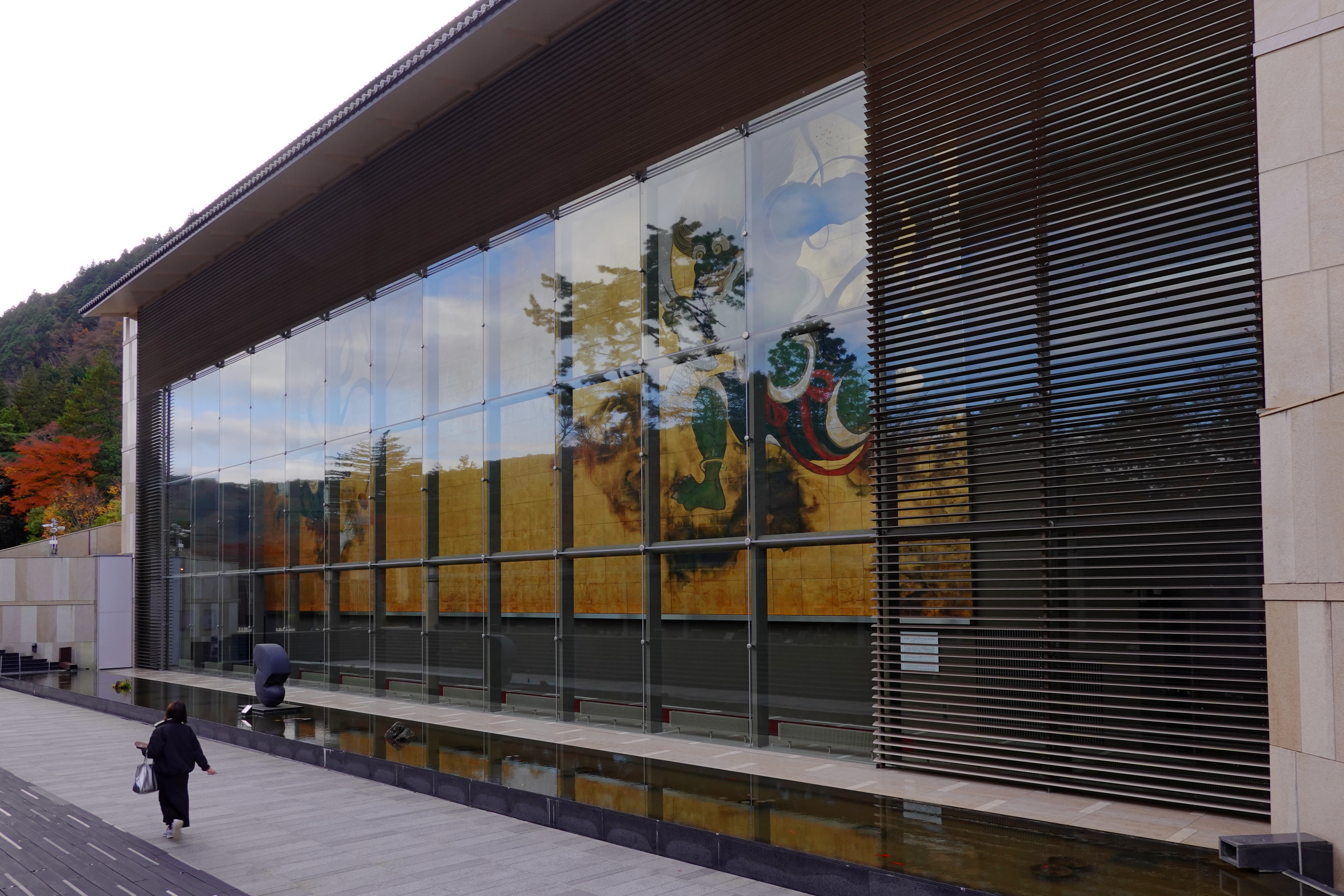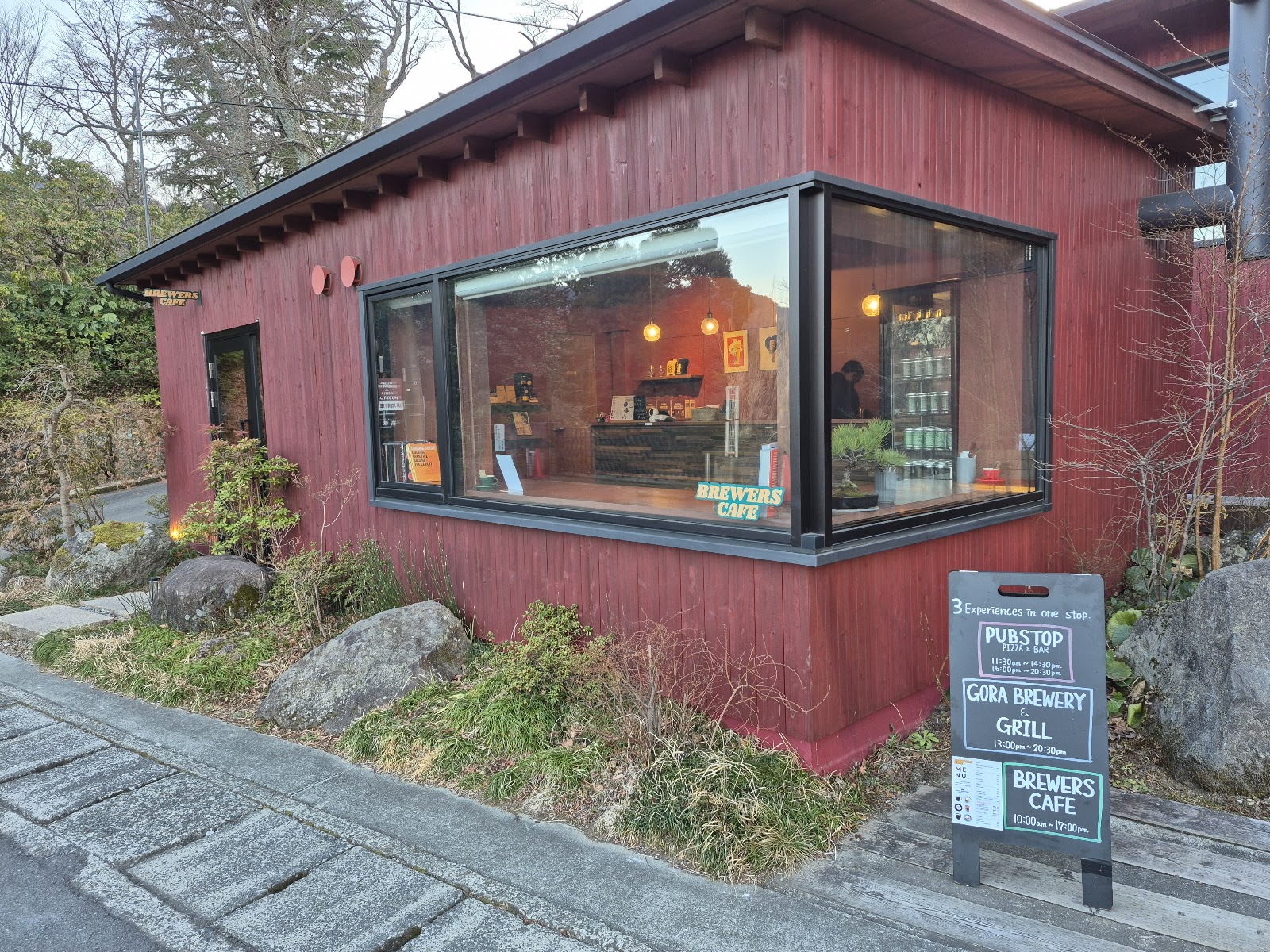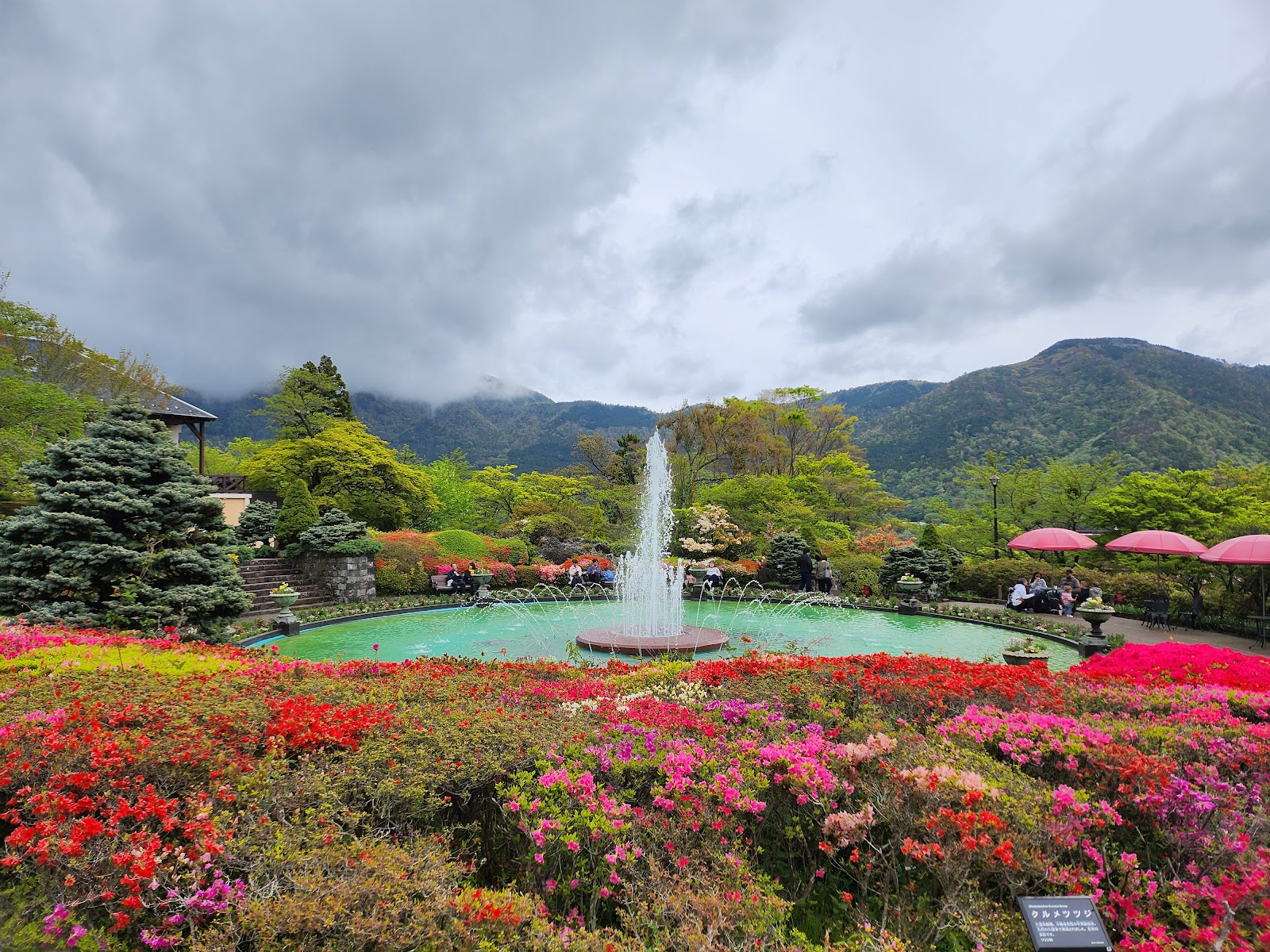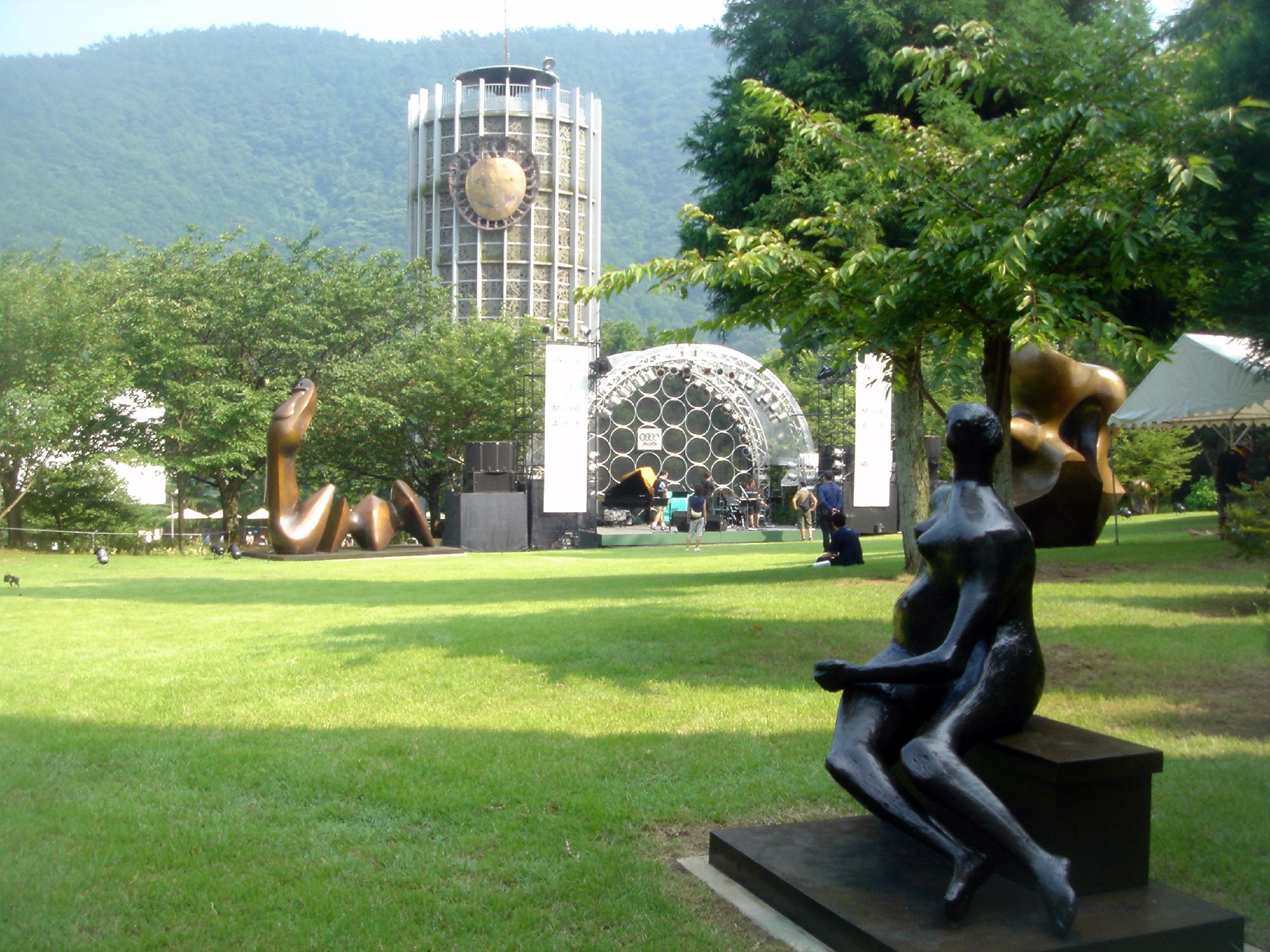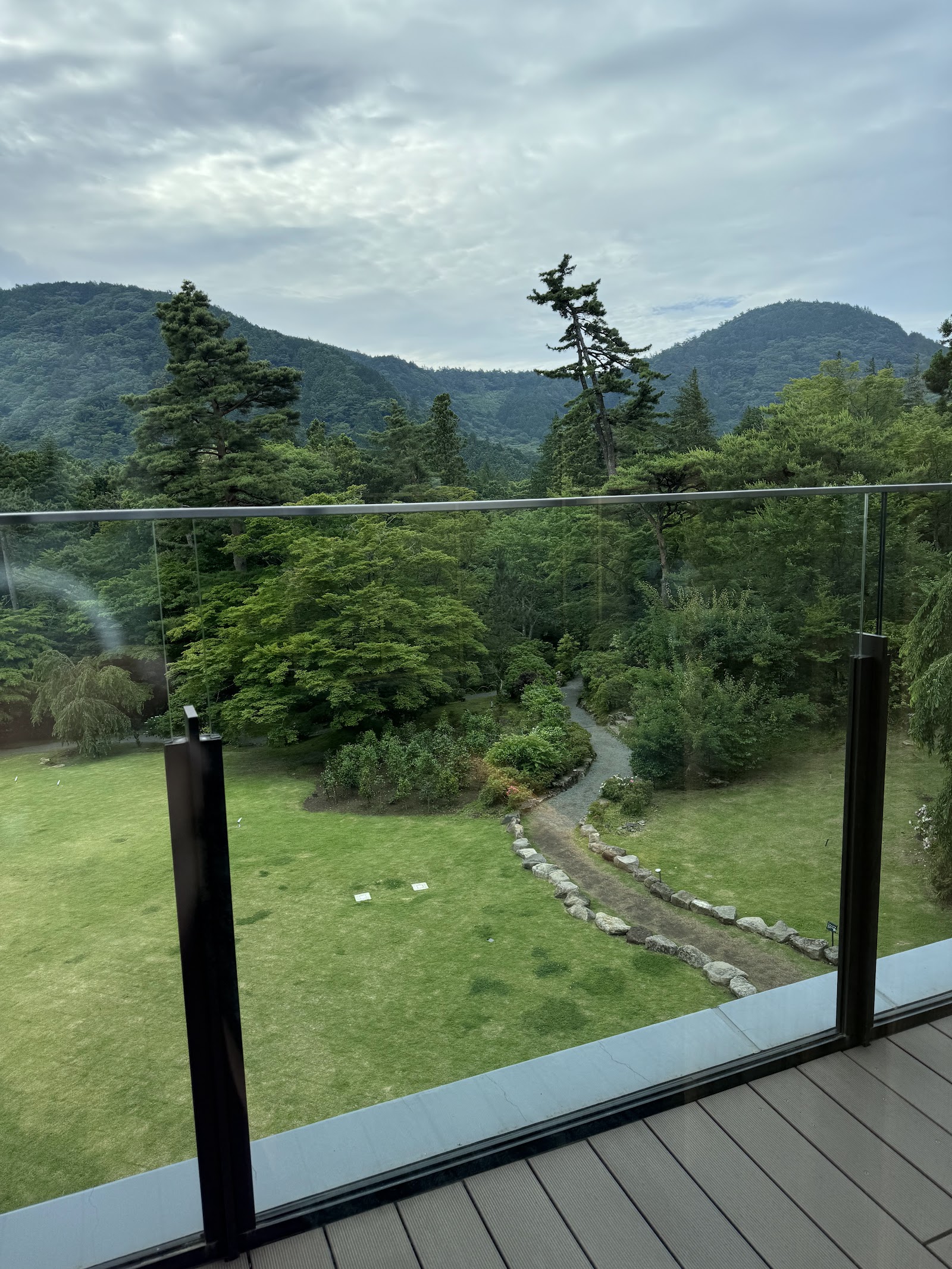
A leafy hillside onsen district high on the Tozan railway, home to resort ryokan and a relaxed base near the region's bath complexes.
Kowakidani is a quiet mountain onsen district set high on the Hakone Tozan Railway, a few stops before its Gora terminus, at an elevation where the air is noticeably cooler and the forest thicker. Its name translates roughly as valley of the little boiling waters, a reference to the volcanic hot springs that surface across this part of the Hakone caldera. Compared with the bustle of Yumoto or the museum crowds of Gora, Kowakidani is a restful, residential-feeling area built around resort ryokan and hot-spring lodging.
The district developed as a hot-spring resort in the modern era, drawing on abundant thermal water piped from the volcanic zones higher up the mountain. Today it is best known to visitors as the gateway to the large Hakone Kowakien Yunessun spa and bath resort, a family-friendly complex famous for its themed baths, and to a scattering of upscale ryokan and hotels that make use of the quiet, view-rich hillside. The surrounding slopes are wooded and green, and the district enjoys long-range views across the caldera on clear days.
Historically, Kowakidani formed part of the network of Hakone hot springs that expanded as the Tozan railway pushed hospitality up the mountain in the early 20th century, opening previously remote valleys to weekend travelers from Tokyo. The station itself is a modest, charming stop on the vintage switchback line.
A notable characteristic is Kowakidani's position on the classic Hakone loop. It sits between the historic onsen towns lower down and the Gora hub above, so it makes a convenient and calmer place to stay or pause. The station is a short walk from lodging and bath facilities, and buses connect it toward the lake and other attractions.
The visiting experience is low-key and centered on relaxation. There is no large shopping arcade here; the appeal is the hot springs, the greenery, and the quiet. Travelers typically use Kowakidani as a bathing stop or an overnight base rather than a sightseeing destination in itself, enjoying the ryokan cuisine and the mineral waters. Terrain is hilly with slopes between the station and the resorts, so a little walking uphill is expected.
Autumn is the finest season, when the wooded caldera slopes turn red and gold and the cool air makes the baths especially inviting. Winter brings clear, crisp days and steaming open-air baths, while summer stays refreshingly cool at this altitude, offering an escape from Tokyo's heat. Spring adds fresh green and mountain flowers.
Getting there is straightforward. From Hakone-Yumoto, board the Hakone Tozan Line and ride uphill through its switchbacks toward Gora, alighting at Kowakidani Station a couple of stops before the end of the line. The district is a short walk from the platform, and Hakone Tozan buses also serve the area, linking it to the wider loop toward Owakudani and Lake Ashi. Its convenient mid-mountain location makes Kowakidani an easy, peaceful stop on any Hakone circuit.
A local's tip
Kowakidani is the closest station to the Hakone Kowakien Yunessun bath complex and a quiet base for the loop; grab a snack near the station and use it as a calm alternative to staying in busier Gora.
Best time to visit
Afternoon; autumn foliage season
Getting there
From Hakone-Yumoto Station take the Hakone Tozan Line uphill to Kowakidani Station, a few stops before the Gora terminus. The onsen district lies within a short walk of the station.
Good to know
- Onsen
- Ryokan
- Restrooms
- Restaurants
Plan the whole trip offline
Kowakidani is one of many places in the Real Japan app — with turn-by-turn directions, nearby spots and full offline maps you can use with no signal.