The lords' residence within Korakuen, telling the story of the Ikeda daimyo who ruled Okayama.
Within the celebrated Korakuen garden stands the Enyo-tei, the elegant residence built for the ruling daimyo, and together with the garden's history it opens a window onto the Ikeda clan who governed Okayama through the long peace of the Edo period. While Korakuen is usually enjoyed as a landscape garden, seeing it through the lens of the lords who created it - and visiting the building from which they surveyed it - deepens a visit into a genuine encounter with feudal history.
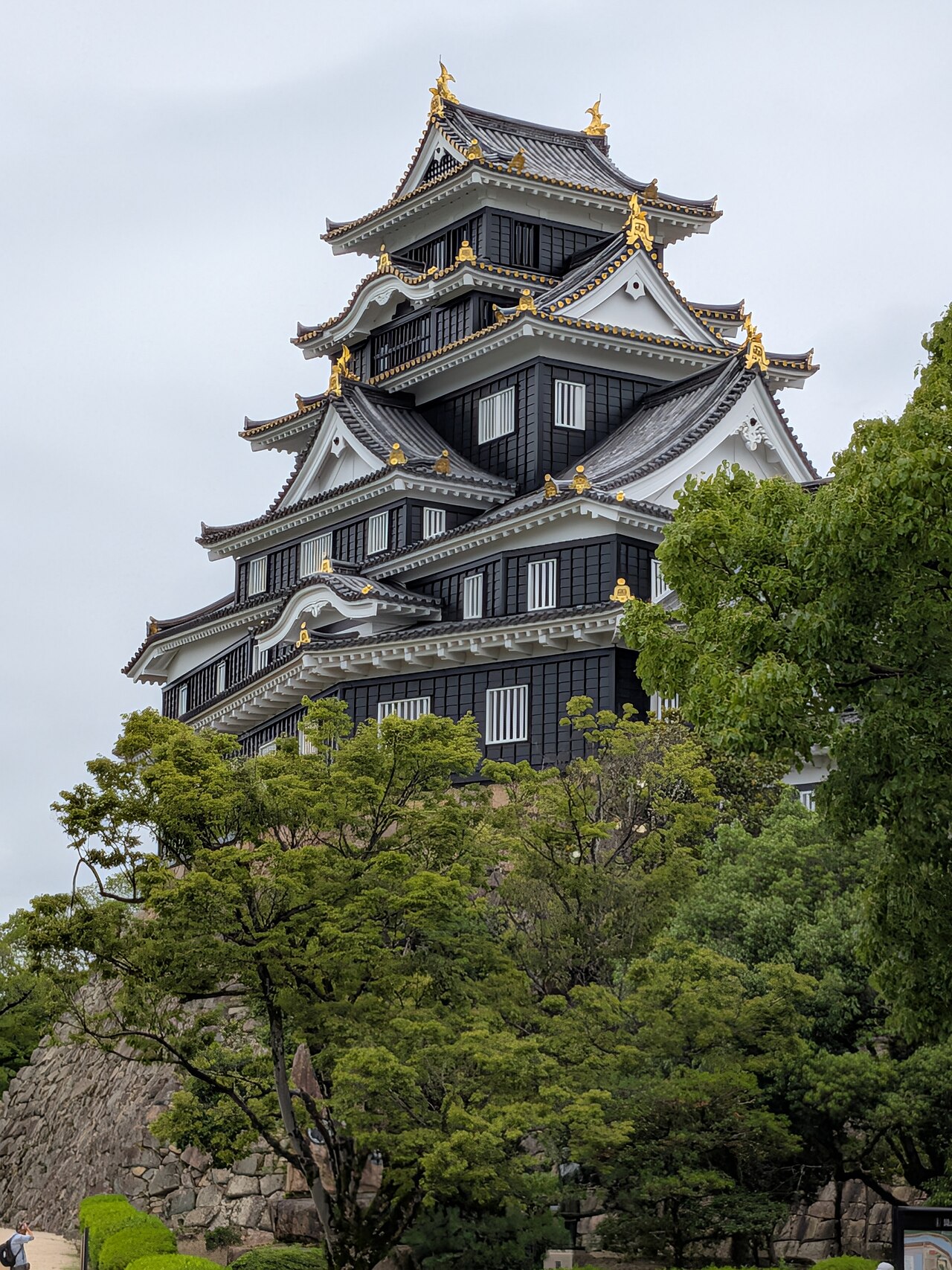
Korakuen was commissioned by Ikeda Tsunamasa, lord of Okayama, and completed in 1700 after years of work, conceived as a place of retreat, entertainment and refined display for the ruling house. The Ikeda had taken control of Okayama in the early 17th century and would rule it for generations, developing the castle town, patronising the arts and administering the domain from the black keep just across the Asahi River. The garden was an expression of their power and cultivation, and the Enyo-tei at its heart served as the daimyo's own residence and reception hall within the grounds.
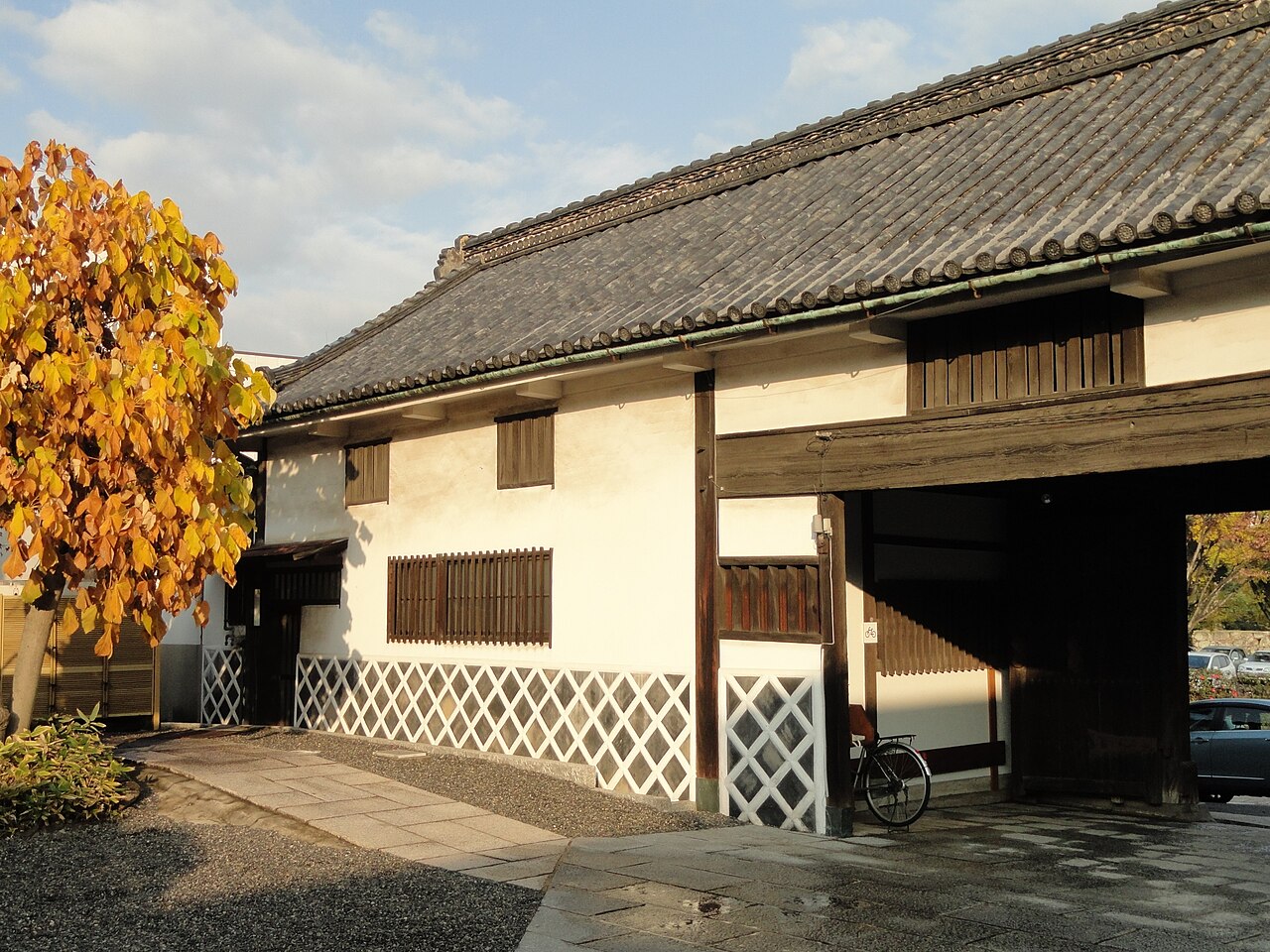
Today the restored Enyo-tei allows visitors to look out over the garden much as the lords once did, its tatami rooms framing carefully composed views of lawns, ponds and the distant borrowed scenery of Okayama Castle. Sitting in the space designed for the domain's rulers, with the landscape unrolling before you, gives a vivid sense of the aesthetics and privilege of daimyo life. Elsewhere in the garden, tea houses, a noh stage and other historic structures reveal how the Ikeda and their guests were entertained.
The wider story ties the garden, the residence and the castle into a single narrative of Edo-period rule. Korakuen ranks among Japan's 'three great gardens', and its intimate link to the Ikeda lords and their fortress across the river makes the whole ensemble - garden, residence and castle - one of the finest surviving expressions of daimyo culture in the country. Crossing the Tsukimi Bridge from the Enyo-tei toward the black keep lets you trace the daily geography of feudal Okayama.
Visiting is easy and pleasant. The Enyo-tei and the historic structures are included with standard Korakuen admission, and the garden's flat, well-maintained paths make it one of the more accessible historic sites in the region. Allow around 40 minutes to focus on the residence and the Ikeda story, though most visitors happily spend far longer in the garden as a whole and combine it with the castle next door.
Spring cherry blossom and autumn colour are the standout seasons, framing the historic buildings beautifully. To reach Korakuen and the Enyo-tei, take the tram from Okayama Station to Shiroshita and walk a short distance, or catch a bus to the Korakuen-mae stop. For anyone wanting to understand not just how the garden looks but who made it and why, the Enyo-tei and the Ikeda legacy provide the essential human history behind Okayama's greatest sight.
A local's tip
The Enyo-tei was the lords' own residence in the garden - sit where the Ikeda daimyo sat and take in the view they designed for themselves.
Best time to visit
Morning; combine with the castle across the bridge
Getting there
Within Korakuen garden, reached by tram to Shiroshita stop then a short walk, or a bus from Okayama Station to Korakuen-mae.
Good to know
- Cafe
- Wi-Fi
- Restrooms
Plan the whole trip offline
Koraku-en Enyo-tei and Ikeda History is one of many places in the Real Japan app — with turn-by-turn directions, nearby spots and full offline maps you can use with no signal.