The stately grid of the old foreign concession, now Kobe's most elegant quarter of Western-style banks, luxury boutiques, museums and refined dining.
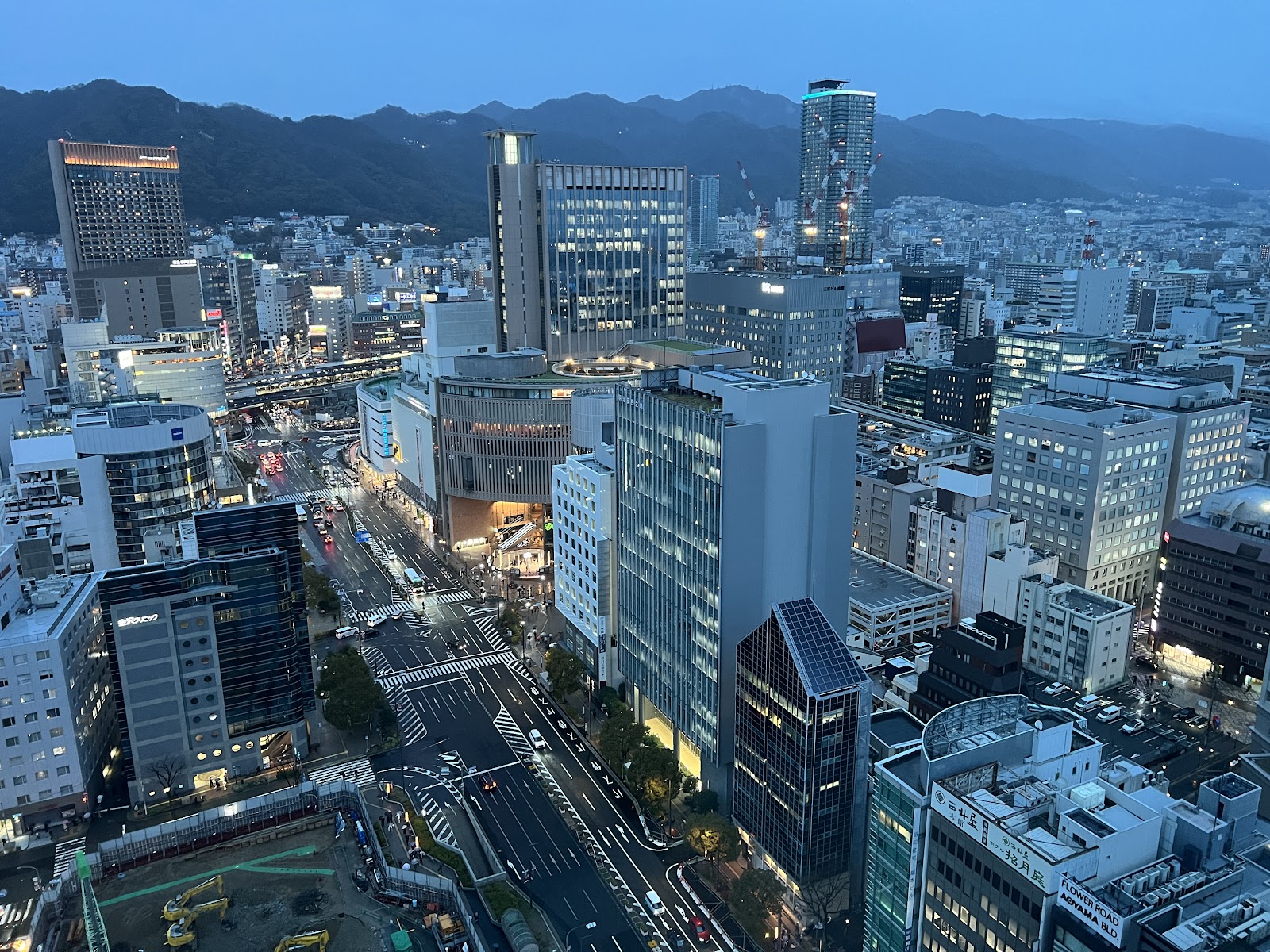
The Kobe Former Foreign Settlement, known in Japanese as Kyu Kyoryuchi, is the city's most refined and architecturally distinguished district, a compact grid of stately buildings between the Sannomiya business core and the harbour. When Kobe opened to foreign trade in 1868, this reclaimed patch of land near the port was set aside as the international concession, where Western merchants, banks and consulates established themselves under their own municipal administration. Widely regarded at the time as one of the best-planned foreign settlements in East Asia, it laid out its streets on a neat Western grid with modern drainage, gas lighting and tree-lined avenues — a model of nineteenth-century urban design.
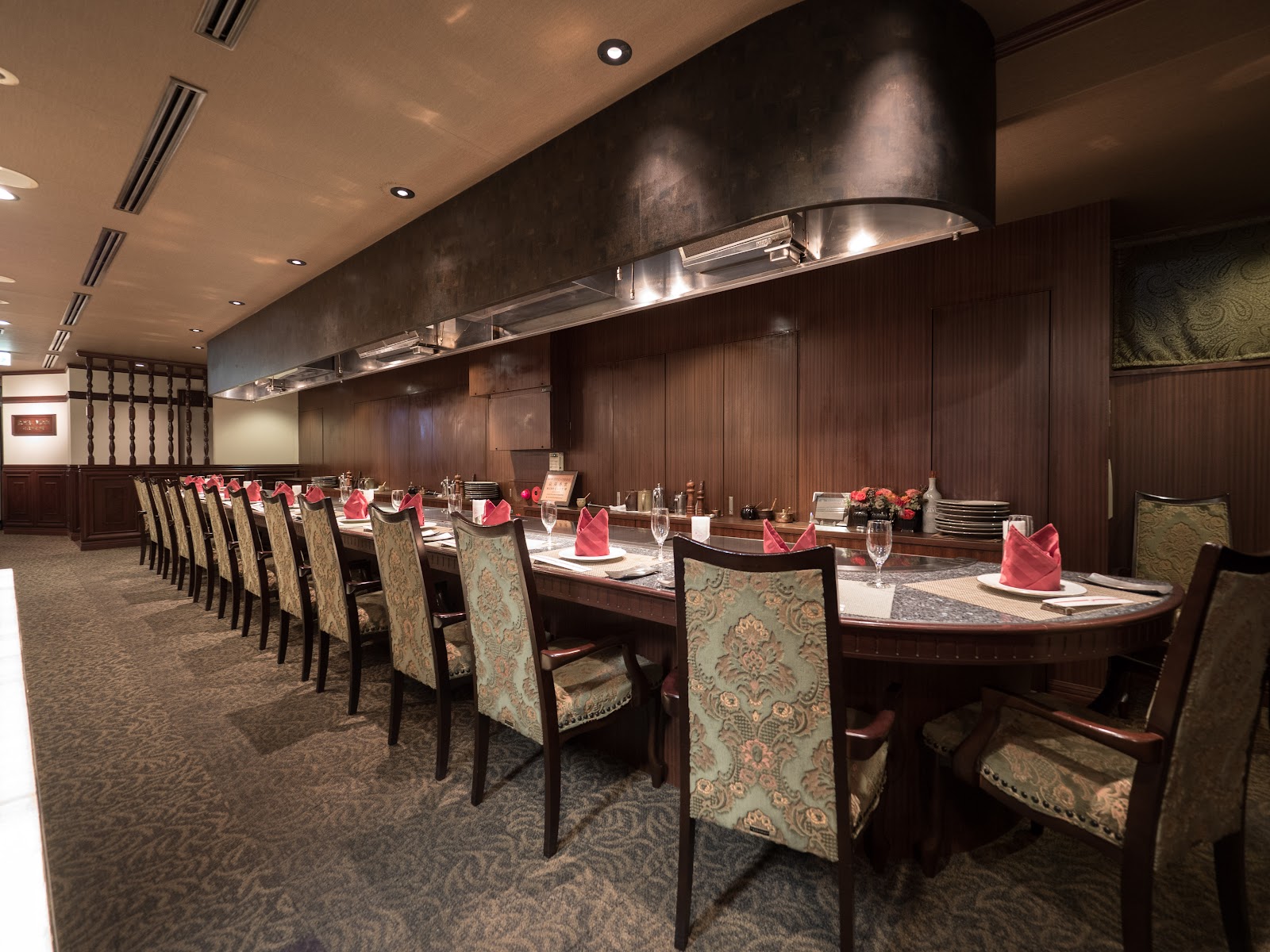
After the settlement's special status ended and the district merged into the wider city, it evolved into a prestigious commercial quarter, and that is very much its character today. The old grid remains, and along it stand handsome stone and brick buildings — former banks, trading houses and offices in classical and art-deco styles — many now beautifully restored and repurposed. They house flagship luxury boutiques, jewellers, upscale restaurants, cafes and small museums, giving the area a polished, almost European elegance that sets it apart from the busier shopping arcades nearby.
History and resilience are woven into the district's fabric. The 1995 Great Hanshin earthquake devastated much of Kobe, and the settlement's careful post-quake restoration became a symbol of the city's recovery. That story is honoured each December by the Kobe Luminarie, a moving festival of light in which archways and colonnades of illuminations fill the surrounding streets in memory of the disaster's victims and in celebration of rebirth — the settlement's grand facades make a superb backdrop.
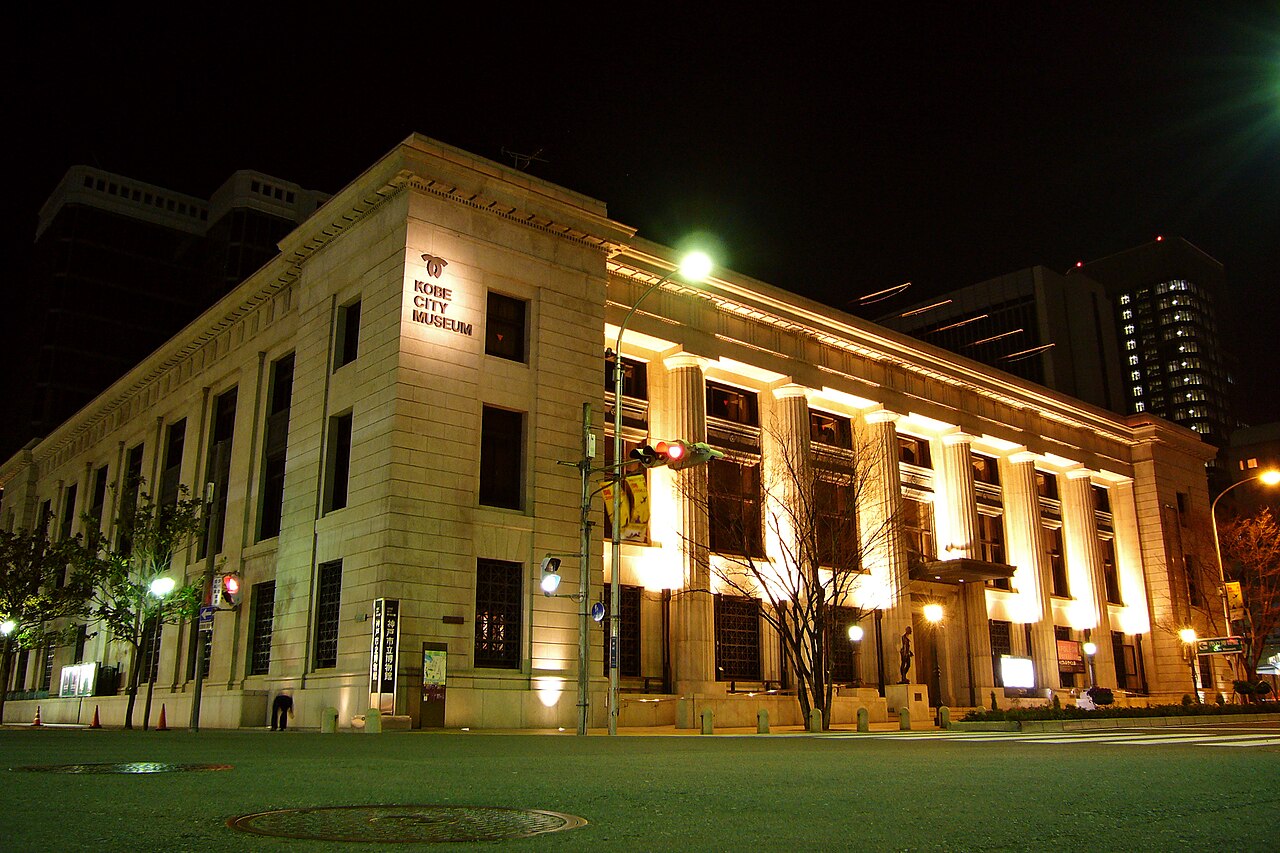
Strolling the Former Foreign Settlement is a pleasure at any time of day, but it is especially atmospheric in the evening, when many of the historic buildings are tastefully illuminated and the district's restaurants and bars come to life. Highlights include the Kobe City Museum, housed in a former bank and rich in the city's port history and the artefacts of early foreign contact, as well as any number of photogenic facades. Design lovers, architecture enthusiasts and anyone seeking an elegant break from busier sightseeing will feel at home here.
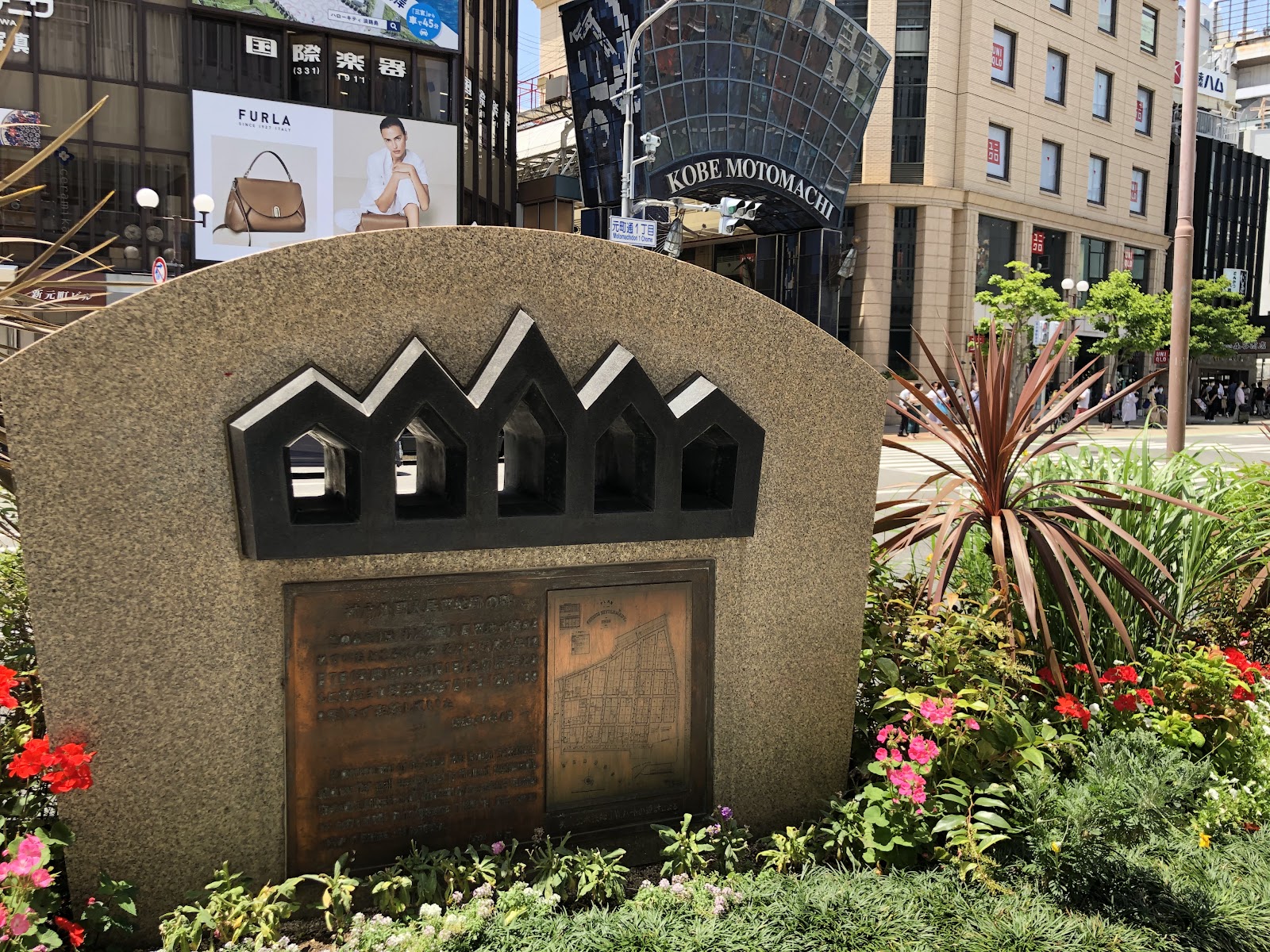
Practically, this is an easy, flat, walkable district that can be enjoyed in an hour or combined with the adjacent Nankinmachi Chinatown, Motomachi arcade and the Meriken Park waterfront for a fuller day. Streets are open around the clock; individual shops, restaurants and museums keep their own hours, generally daytime into the evening. The district's understated luxury makes it a fine place for a coffee, a considered meal or simply an appreciative wander.
Access is very convenient. Sannomiya Station, served by JR, Hankyu and Hanshin lines, is a short walk to the north, while Kyukyoryuchi-Daimarumae Station on the Kobe Municipal Subway Kaigan Line sits right in the middle of the district. Come at dusk, and ideally in the festive glow of December, to see the old settlement at its most beautiful.
A local's tip
Visit in December, when the district hosts part of the Kobe Luminarie light festival and the grand old buildings glow with elaborate illuminations honouring the 1995 earthquake recovery.
Best time to visit
Evening, when the historic facades are elegantly illuminated
Getting there
From Sannomiya Station walk south toward the harbour; the district lies between Sannomiya and the waterfront. Kyukyoryuchi-Daimarumae Station on the Kobe Kaigan Line sits at its heart.
Good to know
- Wi-Fi
- Boutiques
- Restrooms
- Restaurants
Plan the whole trip offline
Kobe Former Foreign Settlement (Kyu Kyoryuchi) is one of many places in the Real Japan app — with turn-by-turn directions, nearby spots and full offline maps you can use with no signal.