Kobe's flagship history-and-art museum inside a stately 1935 former bank, famed for its Nanban trade collection.
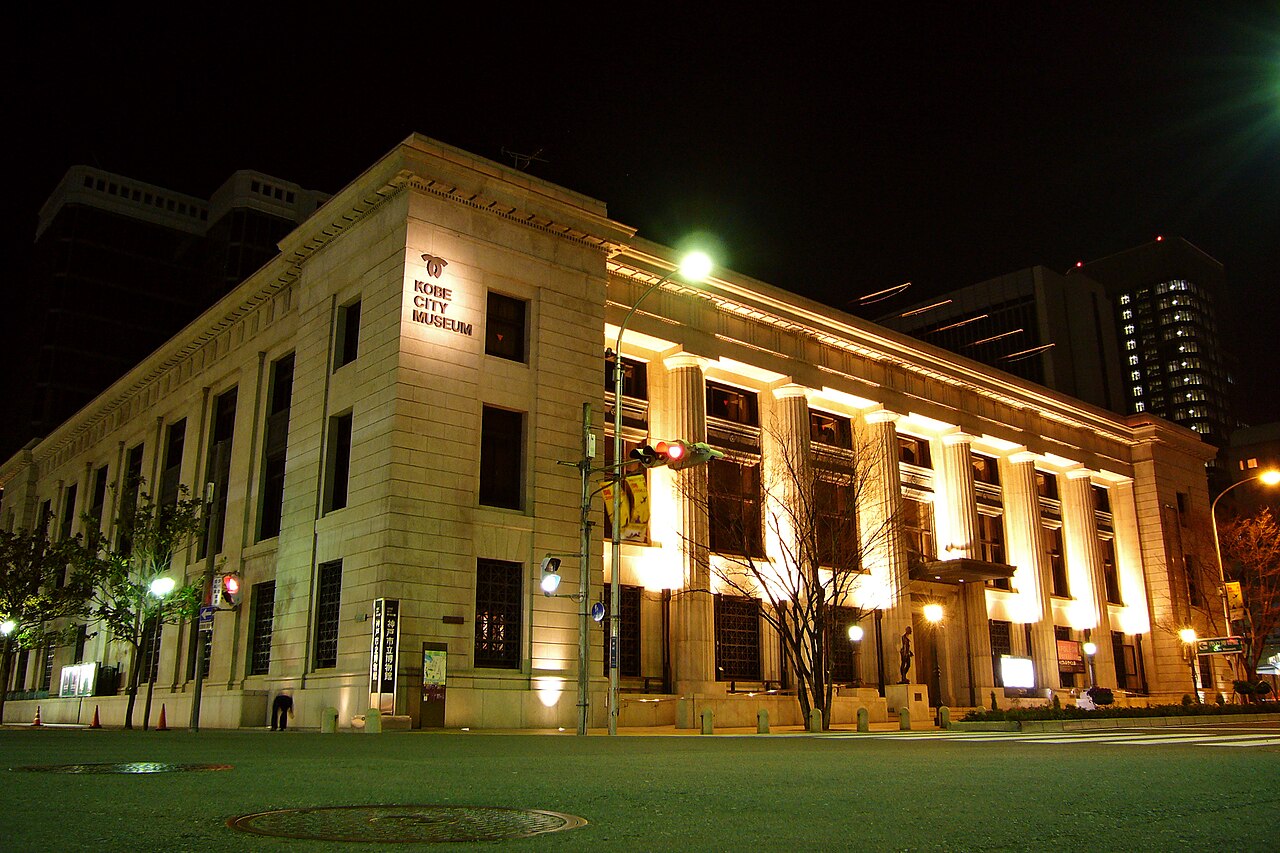
The Kobe City Museum is the cultural anchor of the Kyukyoryuchi, the elegant grid of the city's former foreign settlement just south of Sannomiya. Housed in the monumental former Yokohama Specie Bank building of 1935 — a neoclassical hall of fluted Doric columns and coffered ceilings — the museum tells the story of Kobe as one of Japan's great gateway ports, where East met West after the harbour opened to foreign trade in 1868.
The collection's crown jewels are its Nanban works: folding screens, maps, lacquerware and paintings created in the 16th and 17th centuries when Portuguese and Spanish traders and missionaries first reached Japan. The museum holds a nationally important set of Nanban byobu (screens depicting the arrival of the 'southern barbarians') and early world maps that show how Japanese artists absorbed European perspective and cartography. Alongside these are archaeological finds from the Kobe area, ukiyo-e, and objects tracing the daily life of the international merchant community that gave the city its cosmopolitan character.
A major renewal completed in 2019 modernised the galleries, added a bright ground-floor lobby and cafe, and made much of the permanent display free to enter — a rare and generous touch. The building itself is part of the experience: the former banking hall, with its marble and bronze detailing, is one of the finest surviving examples of pre-war financial architecture in western Japan, and it survived the 1995 Great Hanshin earthquake that devastated much of the district.
Special exhibitions, which rotate several times a year and carry a separate admission, range from ancient Japanese art to blockbuster international loans, and they are where the museum draws its biggest crowds. Even so, the pace here is calm compared with Kyoto or Tokyo, and you can usually study the Nanban screens in near solitude on a weekday morning.
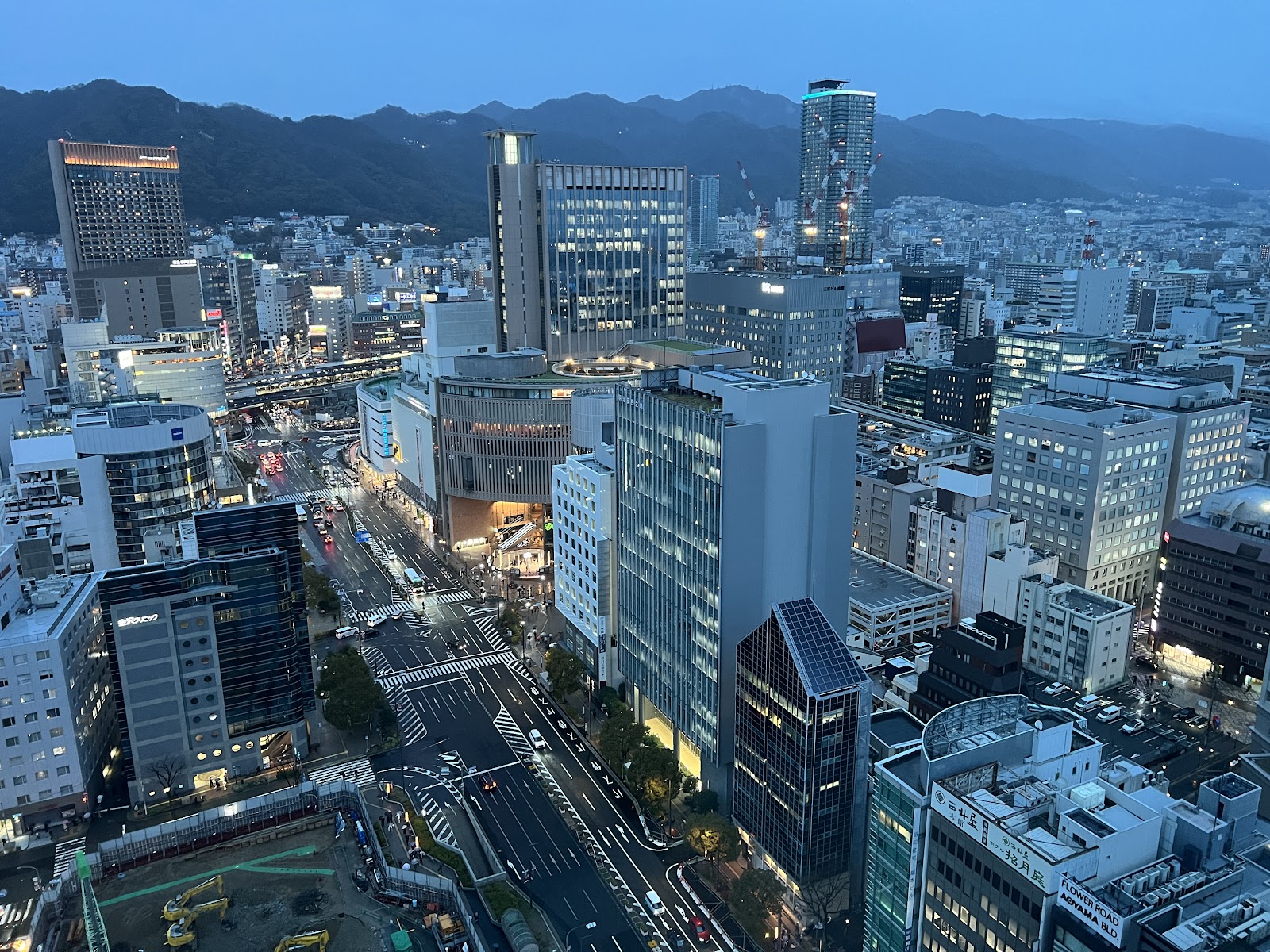
For visitors the location is ideal. The surrounding Kyukyoryuchi is Kobe's most refined shopping and dining quarter, lined with brick and stone Meiji-era facades, luxury boutiques and cafes, so a museum visit slots naturally into a stroll between Sannomiya and the waterfront at Meriken Park. Accessibility is good throughout, with lifts, wheelchair loans and step-free routes.
Allow around ninety minutes for the permanent galleries, more if a special exhibition tempts you upstairs. Come on a weekday for the quietest experience, and pair it with a walk through the settlement's historic streets and a coffee in one of Kobe's celebrated old cafes nearby. It is the single best place to understand why Kobe, more than almost any other Japanese city, wears its international heritage so openly.
Getting there is simple: from Sannomiya — reachable on the JR, Hankyu and Hanshin lines and covered by the Japan Rail Pass on the JR service — walk about ten minutes south toward the harbour, and the museum's columned facade rises on Kyomachi-suji.
A local's tip
The permanent gallery on the Nanban trade and Kobe's port history is free to browse even when a paid special exhibition is running upstairs.
Best time to visit
Weekday mornings
Getting there
A 10-minute walk south from Sannomiya Station into the former foreign settlement (Kyukyoryuchi); the museum occupies the grand former Bank of Tokyo building on Kyomachi-suji.
Good to know
- Cafe
- Wi-Fi
- Restrooms
- Wheelchair access
Plan the whole trip offline
Kobe City Museum is one of many places in the Real Japan app — with turn-by-turn directions, nearby spots and full offline maps you can use with no signal.