The mountain seat of the Kitabatake lords who ruled Ise, with one of Japan's finest samurai gardens.
Hidden deep in the Misugi valley of Tsu City lie the Kitabatake Ruins and Gardens, the ancestral seat of the Kitabatake clan who governed Ise Province from the early 14th century through the turbulent Sengoku era. Descended from a noble Kyoto family, the Kitabatake ruled from this remote mountain stronghold for some two and a half centuries, balancing courtly refinement with the hard realities of warlord politics until they were finally displaced by Oda Nobunaga's forces in the 1570s. The site preserves both the memory of that power and one of its most beautiful expressions.
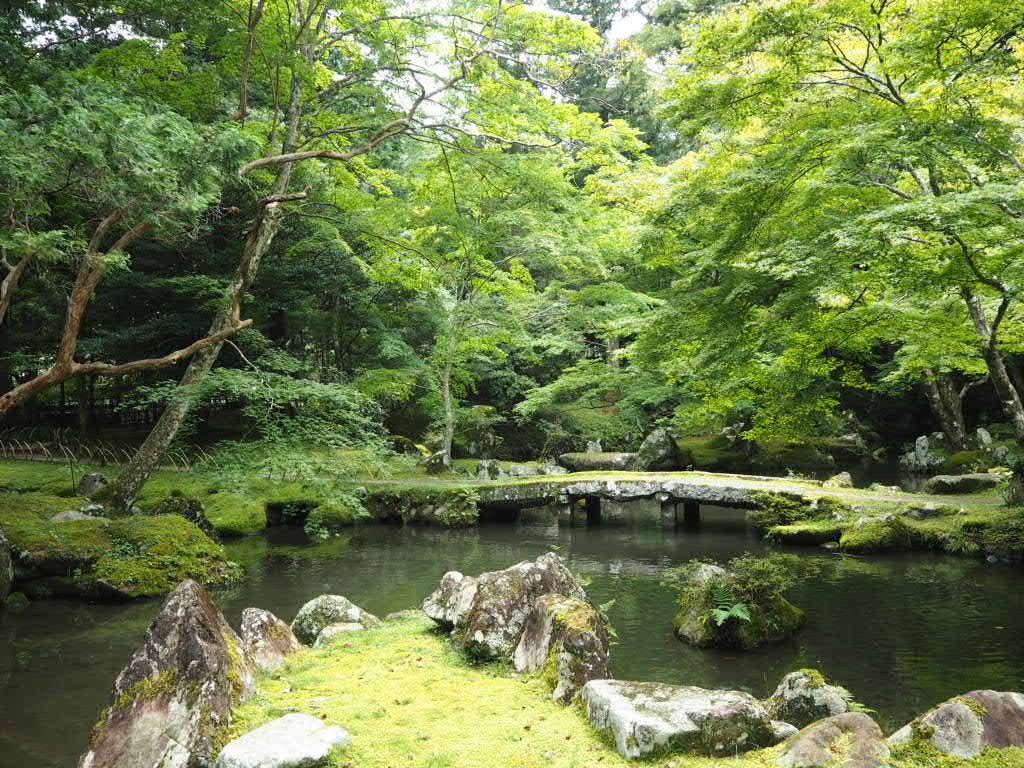
The centrepiece is the Kitabatake garden, laid out in the 16th century and attributed by tradition to the celebrated general and cultural figure Hosokawa Takakuni. It is counted among Japan's three great samurai gardens, a designation that sets it apart from the temple and stroll gardens most visitors know. Compact and contemplative, it arranges ponds, carefully placed stones and a backdrop of forested hillside into a composition that shifts with the seasons. In late November the surrounding maples blaze red and gold above the still water, and because the valley is so far off the tourist track you may have the whole scene almost to yourself.
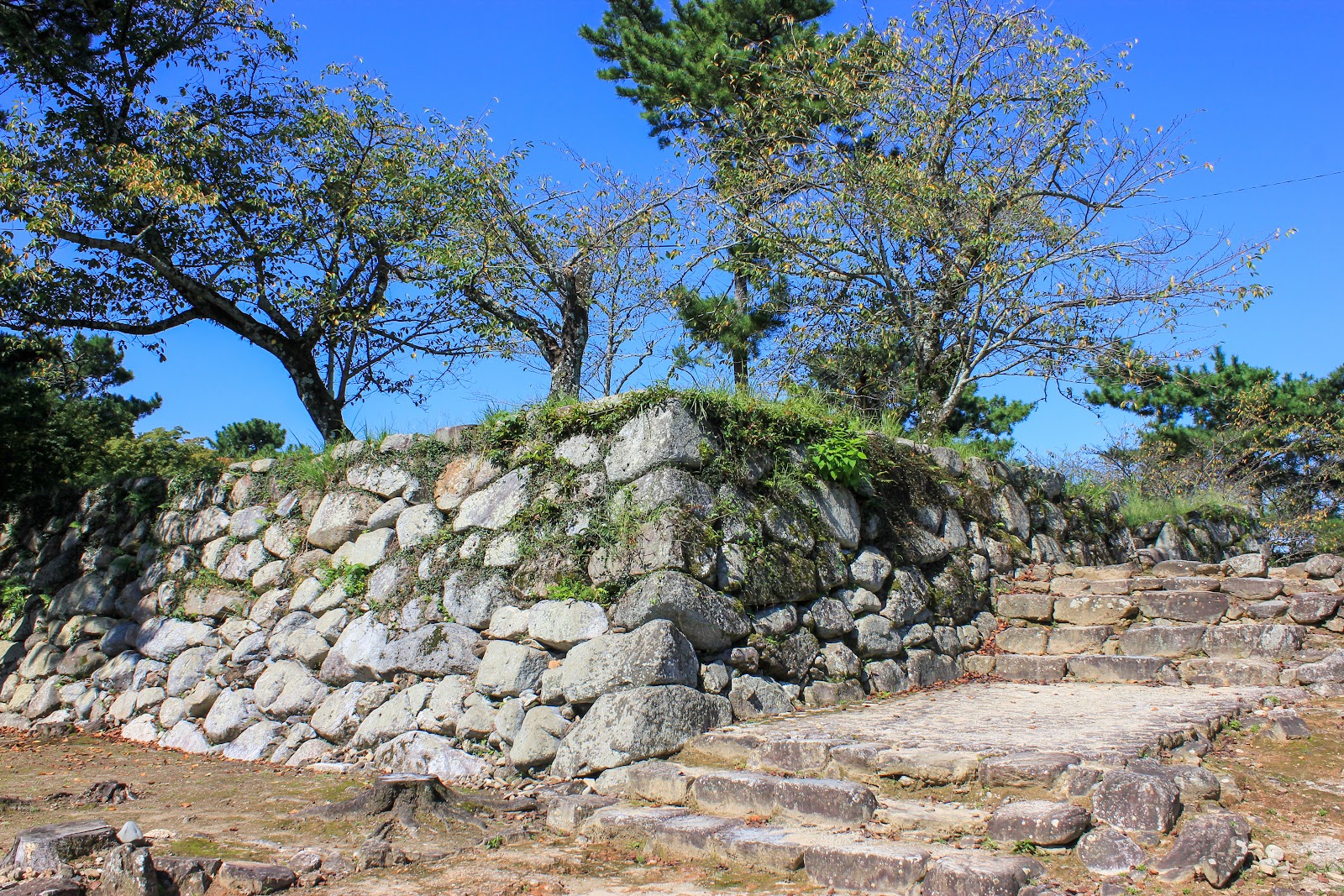
Adjoining the garden is Kitabatake Shrine, dedicated to the deified spirits of the clan's loyalist lords and recognised as one of the Fifteen Shrines of the Kenmu Restoration, which honour supporters of Emperor Go-Daigo's brief 14th-century bid to restore direct imperial rule. Together the shrine and garden knit together the martial, aristocratic and spiritual strands of the Kitabatake story. Elsewhere on the wooded slopes are the earthworks and remains of their fortifications, a reminder that this tranquil place was once a defensible mountain capital.
Visiting takes a little determination. The site sits well inland, and public transport is slow and infrequent; most travellers arrive by car, about an hour up into the hills from Tsu or Matsusaka. That effort is exactly why it stays so serene. A modest entrance fee covers the garden, which is open through the day, and an hour is enough to walk the grounds, pay respects at the shrine and absorb the mountain quiet.
For travellers who have already seen the Grand Shrines and want to understand the human, political history of Ise, Kitabatake offers something rare: a genuine warlord seat that never became a tourist machine, paired with a garden of real artistic importance. Come in autumn if you can, bring your own transport, and treat it as a peaceful, scholarly detour into the deeper past of a region usually defined by its sacred sites rather than its samurai.
A local's tip
The garden is one of Japan's three great samurai gardens and is at its most spectacular under late-autumn maples with almost no crowds.
Best time to visit
Late November for autumn colour
Getting there
The site is deep in the Misugi valley of Tsu City. Reaching it by public transport is slow (JR Meisho Line to Ise-Okitsu, then a bus or taxi); most visitors come by car, roughly an hour inland from Tsu or Matsusaka.
Good to know
- Parking
- Restrooms
Plan the whole trip offline
Kitabatake Ruins and Gardens is one of many places in the Real Japan app — with turn-by-turn directions, nearby spots and full offline maps you can use with no signal.