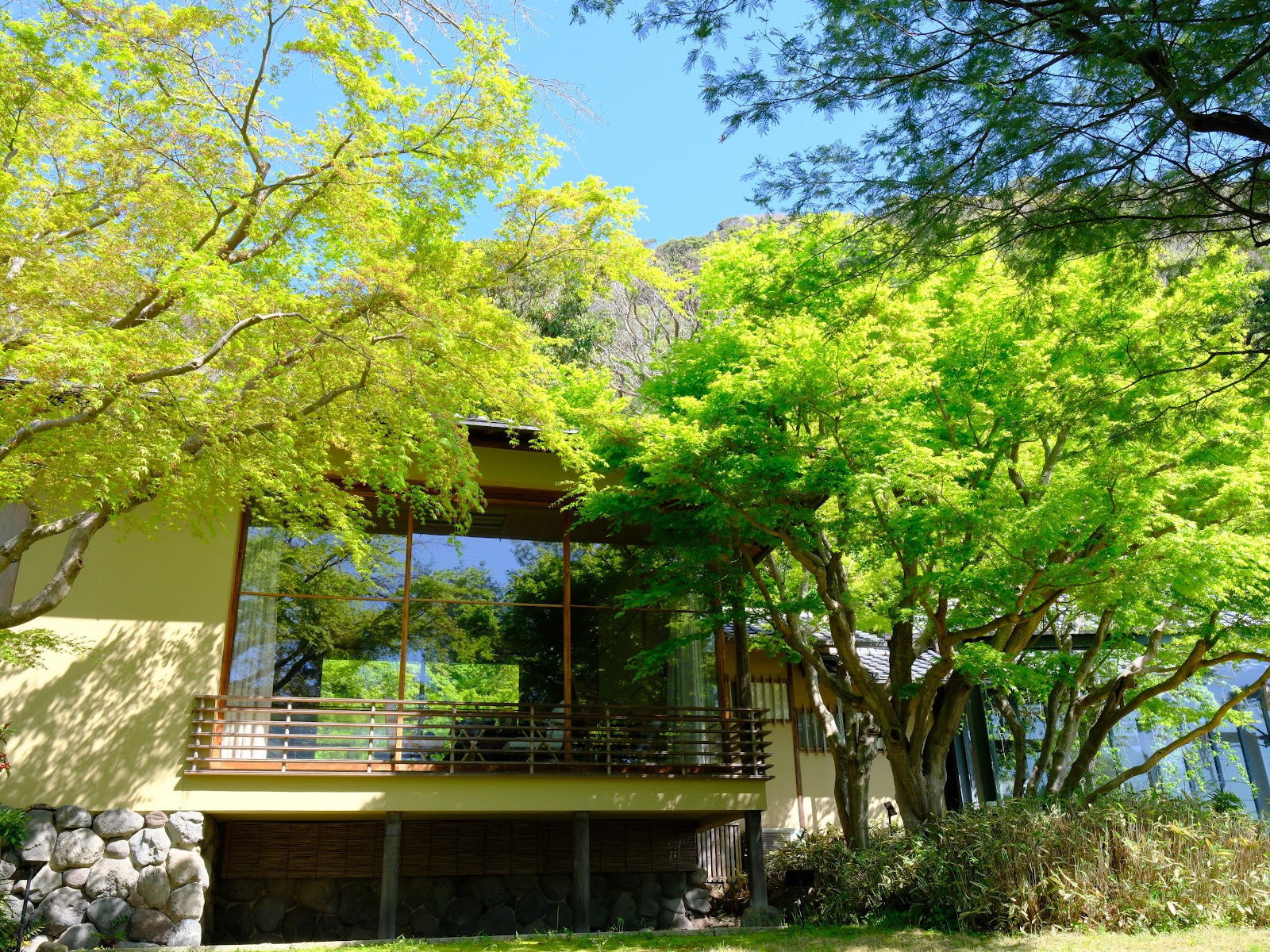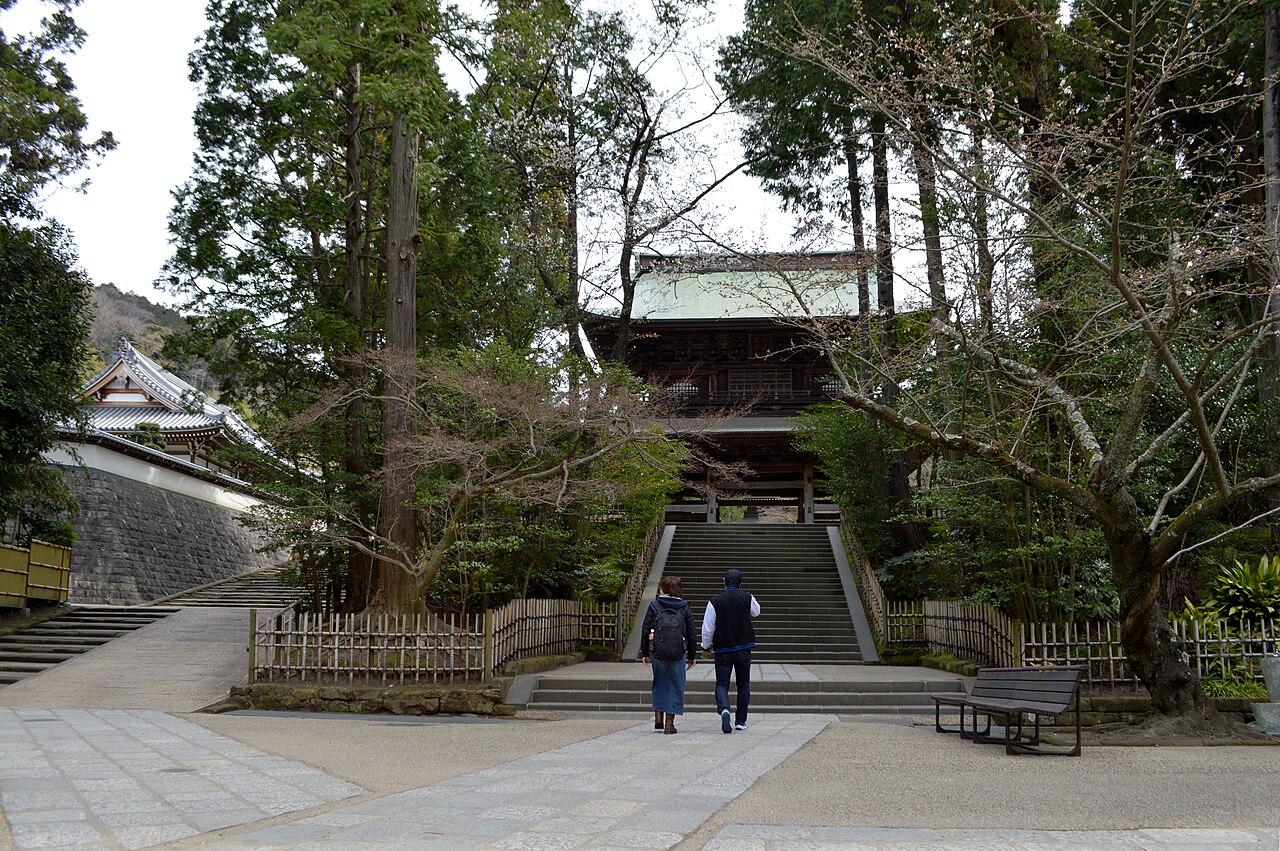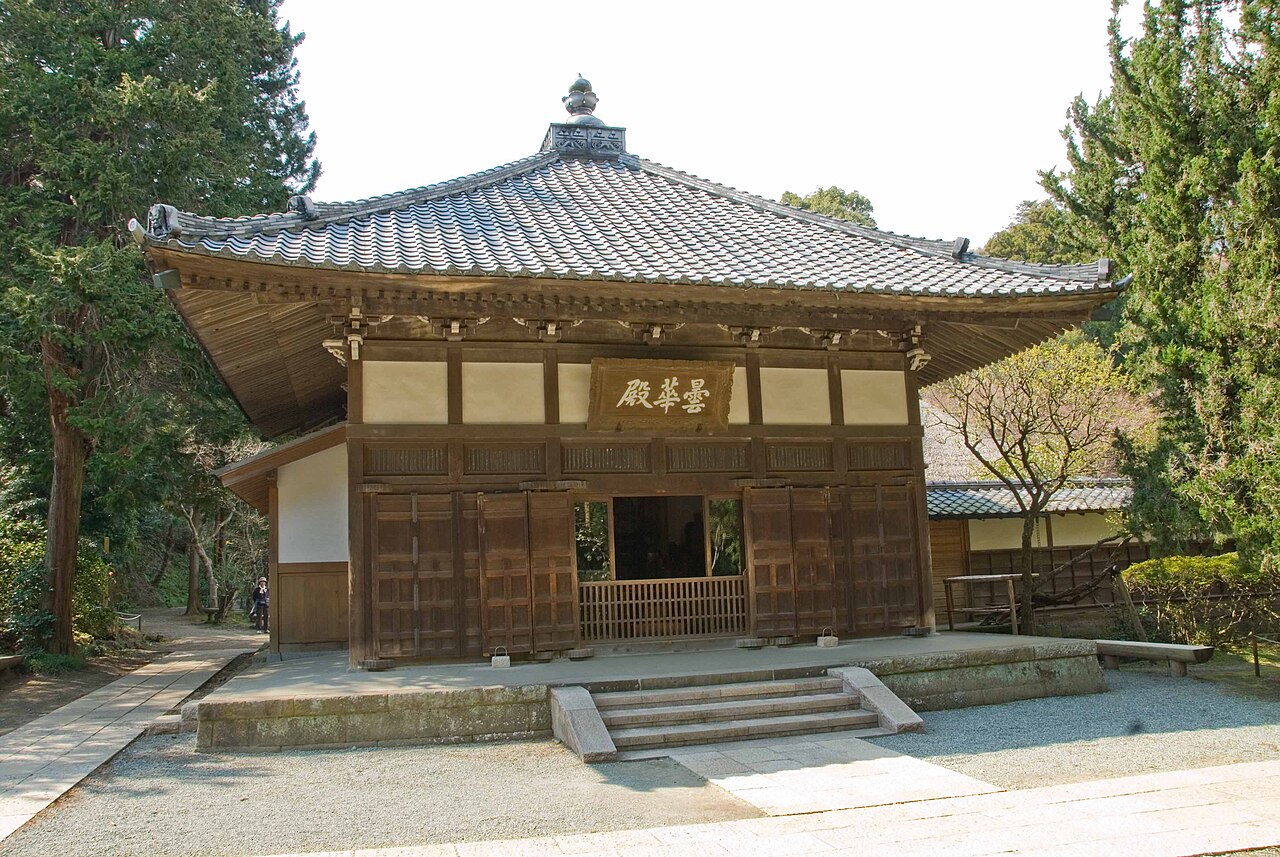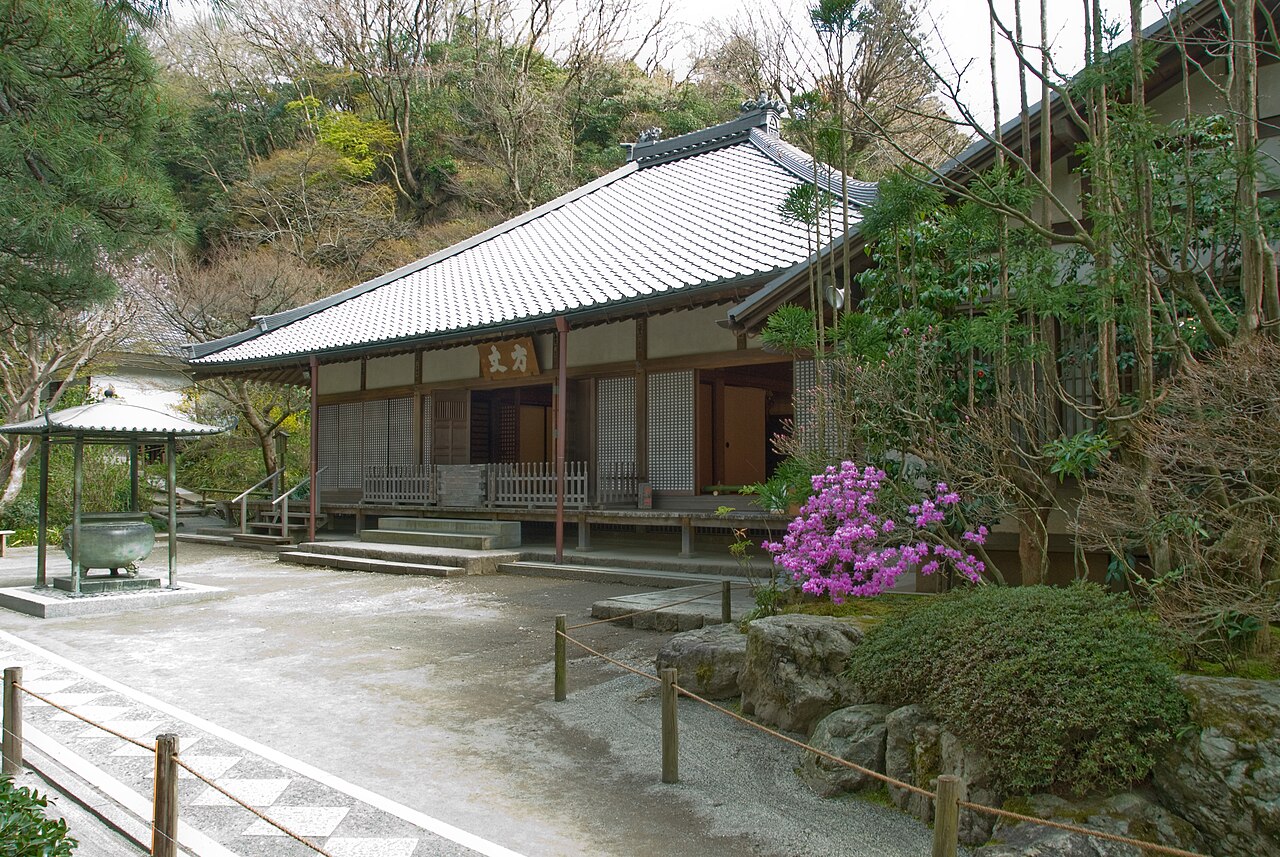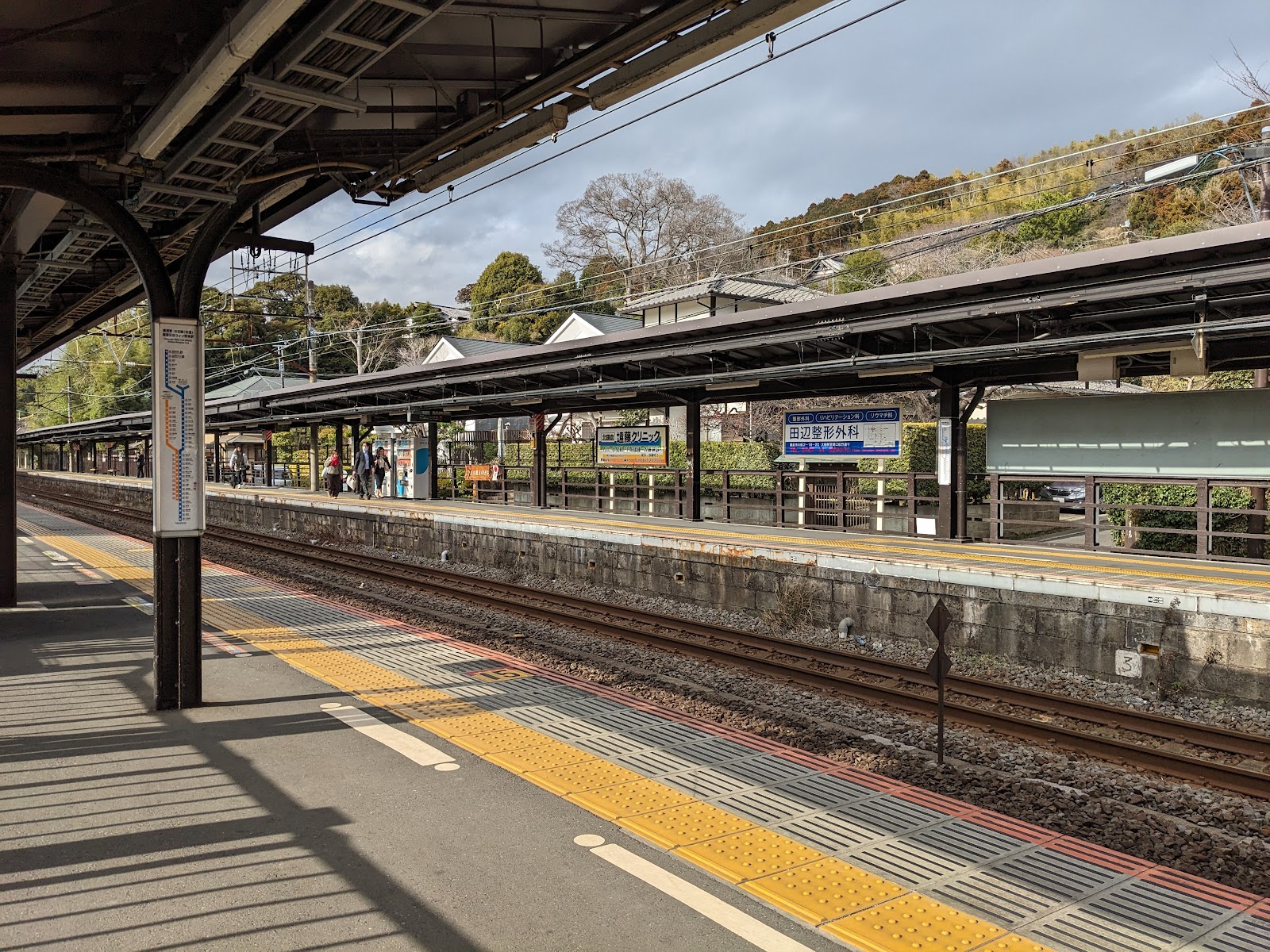
The tranquil temple district around Kita-Kamakura Station, home to the great Zen monasteries of Engaku-ji and Kencho-ji.
Kita-Kamakura, meaning 'North Kamakura', is the wooded temple district that gathers around the small JR station of the same name, one stop north of central Kamakura. Quiet, green and steeped in Zen, it feels a world away from the snack stalls of Komachi-dori. This is the spiritual heartland of Kamakura, where several of the most important Zen monasteries in Japan stand within a short walk of one another along a narrow valley road, and where the atmosphere - especially early in the day - can be genuinely serene.
The district's defining feature is its concentration of great temples. Engaku-ji, founded in 1282, spreads up a hillside directly beside the station, its cedar-shaded precincts and ranked sub-temples embodying Kamakura-era Zen; it is one of the Five Great Zen Temples of Kamakura and holds a magnificent bell designated a National Treasure. A short walk south along the valley brings you to Kencho-ji, founded in 1253 and ranked first among those Five Great Temples, the oldest full-scale Zen monastery in the country, with its imposing gates, ancient juniper trees and a mountainside trail climbing to a hilltop shrine and viewpoint. Between and around them lie smaller gems - Tokei-ji, once famous as a refuge for women seeking divorce; Jochi-ji; Meigetsu-in, celebrated for the blue hydrangeas that flood its grounds each June - each with its own character and season.
What makes Kita-Kamakura special is not just the individual temples but the way they string together into a walkable pilgrimage. The classic approach is to alight at Kita-Kamakura Station, visit Engaku-ji and Tokei-ji beside it, then follow the temple-lined road south through the valley, calling at Meigetsu-in and Jochi-ji, and continue to Kencho-ji before descending into central Kamakura near Tsurugaoka Hachimangu. It is a mostly gentle, downhill route of a few hours that takes you through the city's Zen history in sequence, ending among the shops and shrines of the town centre.
The district is also deeply seasonal. In early summer the hydrangeas of Meigetsu-in and the temple gardens draw crowds; in autumn the maples set the precincts ablaze with red and gold; and in the quiet of a winter morning the Zen gardens are at their most contemplative. Whatever the season, the reward is greatest early, before the day's visitors arrive, when mist can still hang in the valley and the temple bells sound across the trees.
The walking is easy and largely flat along the valley road, though the temple grounds themselves climb hillsides and involve steps and slopes, and the optional trails - such as the ridge walk above Kencho-ji - are more demanding. Sturdy shoes and an early start make the most of it. Simple teahouses and soba restaurants along the route offer places to pause.
Getting there is straightforward: Kita-Kamakura is a single stop north of Kamakura Station on the JR Yokosuka Line, and the first temples stand within a minute of the platform. Come early, walk the valley from north to south, and let Kita-Kamakura reveal the quiet, contemplative soul of the old samurai capital.
A local's tip
Arrive on an early train and visit Engaku-ji right beside the station before the tour buses, then walk the temple-lined valley road south toward Kencho-ji and central Kamakura - a classic, mostly downhill route through the city's Zen heartland.
Best time to visit
Early morning, especially in the June hydrangea season or autumn
Getting there
Kita-Kamakura is one stop north of Kamakura on the JR Yokosuka Line; the great Zen temples begin within a minute's walk of the small, atmospheric station.
Good to know
- Wi-Fi
- Restrooms
Plan the whole trip offline
Kita-Kamakura is one of many places in the Real Japan app — with turn-by-turn directions, nearby spots and full offline maps you can use with no signal.