A remarkable August-only museum of vintage cars and restored WWII aircraft, including a Mitsubishi Zero fighter.
One of the most unusual museums in the entire Fuji Five Lakes region, the Kawaguchiko Motor Museum and its companion Zero Fighter Museum (Hikoukan) sit in the wooded hills near Lake Saiko and open their doors to the public for just one month each year — August. That scarcity is part of the legend, and enthusiasts plan whole trips around the narrow window.
The Motor Museum houses a private collection of beautifully preserved and restored vintage automobiles, assembled over decades by its founder. Rows of gleaming pre-war and post-war cars, classic sports cars, racing machines and rare Japanese models are displayed in a large hangar-style space, many of them still in running condition. For anyone with an interest in automotive history it is a genuine treasure trove, and the informal, lovingly curated atmosphere feels a world away from a corporate showroom.
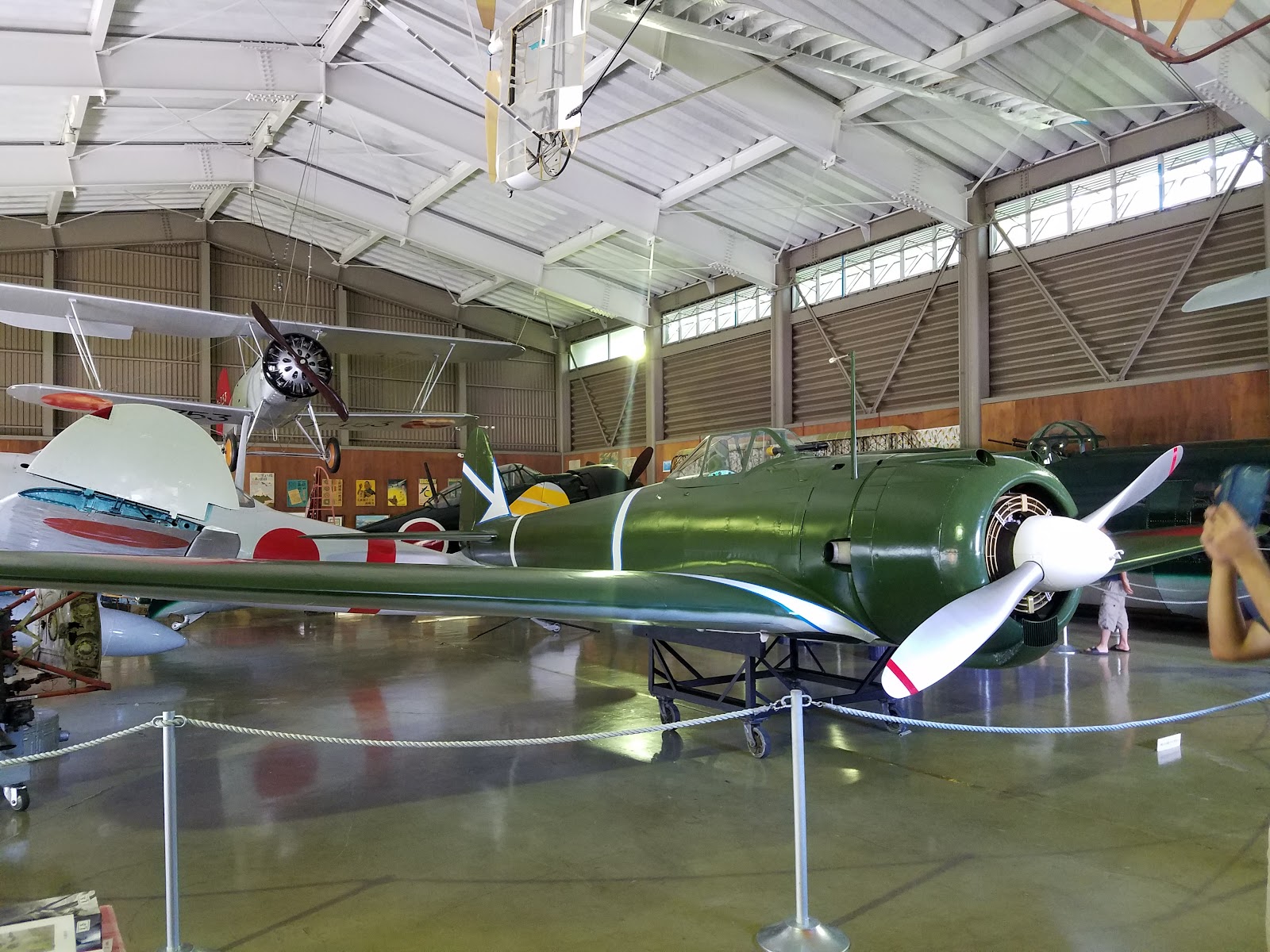
The adjoining Zero Fighter Museum is the emotional heart of the site. Its centrepiece is a restored Mitsubishi A6M Zero, the iconic Japanese naval fighter of the Second World War, painstakingly rebuilt over many years from recovered wartime airframes. Around it are other historic aircraft, engines and aviation artefacts. The restoration work here is internationally respected, and seeing an airworthy-condition Zero up close — rather than as a static replica — is a rare and sobering experience that draws aviation historians from around the world.
The combination of cars and aircraft under one custodianship makes the visit distinctive: it is really a portrait of twentieth-century engineering and of one collector's determination to preserve machines that would otherwise have been lost. Panels and staff explain the provenance of key pieces, and the aviation hall in particular is presented with obvious care for its historical weight.
Because it opens only in August, the museum has an almost festival-like feel during its short season, with enthusiasts, families and photographers making the pilgrimage. Plan for at least 90 minutes to do both halls justice, and confirm the exact opening dates in advance — they can vary slightly from year to year and the site is firmly shut the rest of the calendar.
The setting, near Lake Saiko on the quieter western side of the lakes, is peaceful and green, and the visit pairs well with the nearby caves and the Iyashi-no-Sato thatched village. The experience is casual and accessible, mostly on flat ground inside large halls, with parking and restrooms on site. Getting there is easiest by car or taxi from Kawaguchiko Station — roughly 25 minutes — since bus links to this corner of the lakes are sparse. For anyone visiting the region in high summer with an interest in history or machines, it is an unforgettable and genuinely one-of-a-kind stop.
A local's tip
It opens only in the month of August each year — check the exact dates before making the trip, because outside that window the gates are closed.
Best time to visit
August only — the museum opens exclusively during that month
Getting there
The museum is near Lake Saiko on the western side of the Fuji Five Lakes; it is best reached by car or taxi from Kawaguchiko Station (about 25 minutes) as public transport is limited.
Good to know
- Parking
- Restrooms
Plan the whole trip offline
Kawaguchiko Motor Museum & Zero Fighter Museum is one of many places in the Real Japan app — with turn-by-turn directions, nearby spots and full offline maps you can use with no signal.