An Onomichi temple with two National Treasures, linked to Prince Shotoku and the Ashikaga shoguns.
Jodo-ji is the most historically important temple in Onomichi, a Shingon Buddhist foundation on the eastern hillside of the town that guards two National Treasures and a remarkable concentration of designated cultural properties. Where nearby Senko-ji dazzles with views, Jodo-ji rewards those who care about architecture and history with a quietly extraordinary ensemble of medieval buildings, most visitors walk straight past it, which only adds to its appeal.
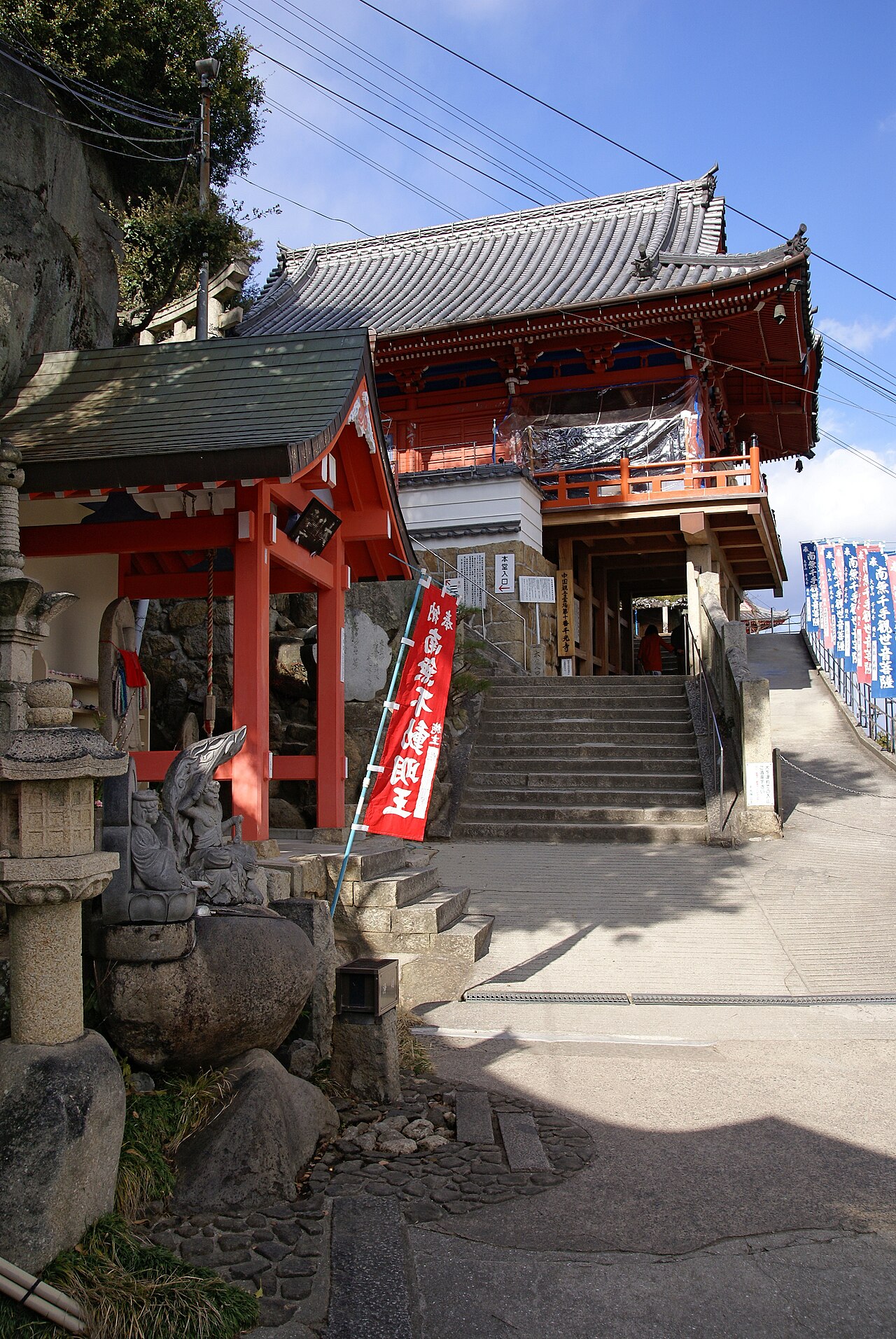
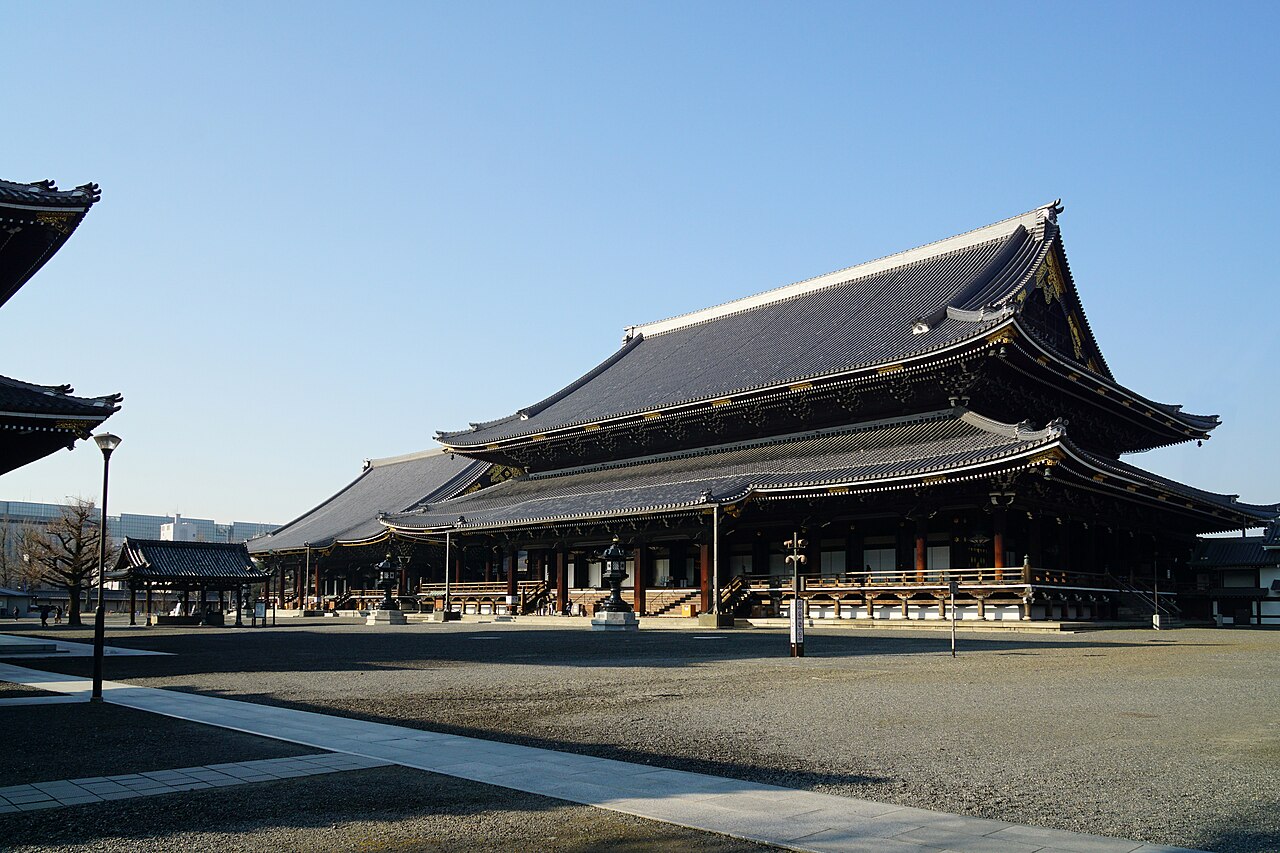
By tradition the temple was founded in 616 by Prince Shotoku, the revered statesman who did so much to establish Buddhism in Japan, and there is firm evidence of a place of worship on the site since the late Heian period. The buildings seen today largely date from the early 14th century: the Hondo (main hall), rebuilt in 1327 after a fire, and the elegant Tahoto, a two-storey 'treasure pagoda' completed in 1328, are both designated National Treasures, among the finest surviving examples of their kind from the Kamakura and early Nanbokucho periods. An Eleven-faced Kannon is enshrined as the principal image, and the temple is the ninth stop on the Chugoku 33 Kannon pilgrimage.
The temple's history is entwined with the warlords of the age. During the turbulent Nanbokucho period, Ashikaga Takauji, founder of the Muromachi shogunate, is said to have stayed here and prayed for success before a pivotal campaign; the grounds preserve a garden and a tea house associated with his visit, along with an Important Cultural Property gate and other structures. Walking the compact precinct, you move among buildings that have stood for seven centuries, their dark timber and gently curving roofs speaking of an age of samurai power and deep religious patronage. The collection of treasures held here, sculptures, documents and architecture alike, is out of all proportion to the temple's modest scale.
The experience is calm and unhurried. The main precinct can be enjoyed freely, while a modest fee grants access to the inner halls, garden and tea house, where a guide can point out details easily missed. Cherry blossom brightens the grounds in spring and maples colour them in autumn, and because Jodo-ji lies on the town's famous Temple Walk, it fits naturally into a day of exploring Onomichi's steep, cat-filled lanes on foot. The setting, tucked against the hillside just above the railway with the sea beyond, is thoroughly photogenic without ever feeling crowded.
Reach Onomichi on the Rail-Pass-covered JR Sanyo Main Line, then either walk about twenty-five minutes east from the station along the hillside path or take a short local bus toward Higashi-Onomichi. Allow around forty-five minutes to appreciate the halls, pagoda and garden properly. Jodo-ji pairs beautifully with Senko-ji and the wider Temple Walk, and gives real historical depth to a visit to this atmospheric old port town on the Seto Inland Sea.
A local's tip
Ask to see the National Treasure main hall and the two-storey Tahoto pagoda together; then step into the garden and tea house once used by shogun Ashikaga Takauji, who prayed here for victory before a decisive campaign.
Best time to visit
Spring and autumn
Getting there
From Onomichi Station take a local bus toward Higashi-Onomichi or walk about 25 minutes east along the hillside Temple Walk. The temple sits just above the JR line on the eastern side of town.
Good to know
- Restrooms
Plan the whole trip offline
Jodo-ji Temple is one of many places in the Real Japan app — with turn-by-turn directions, nearby spots and full offline maps you can use with no signal.