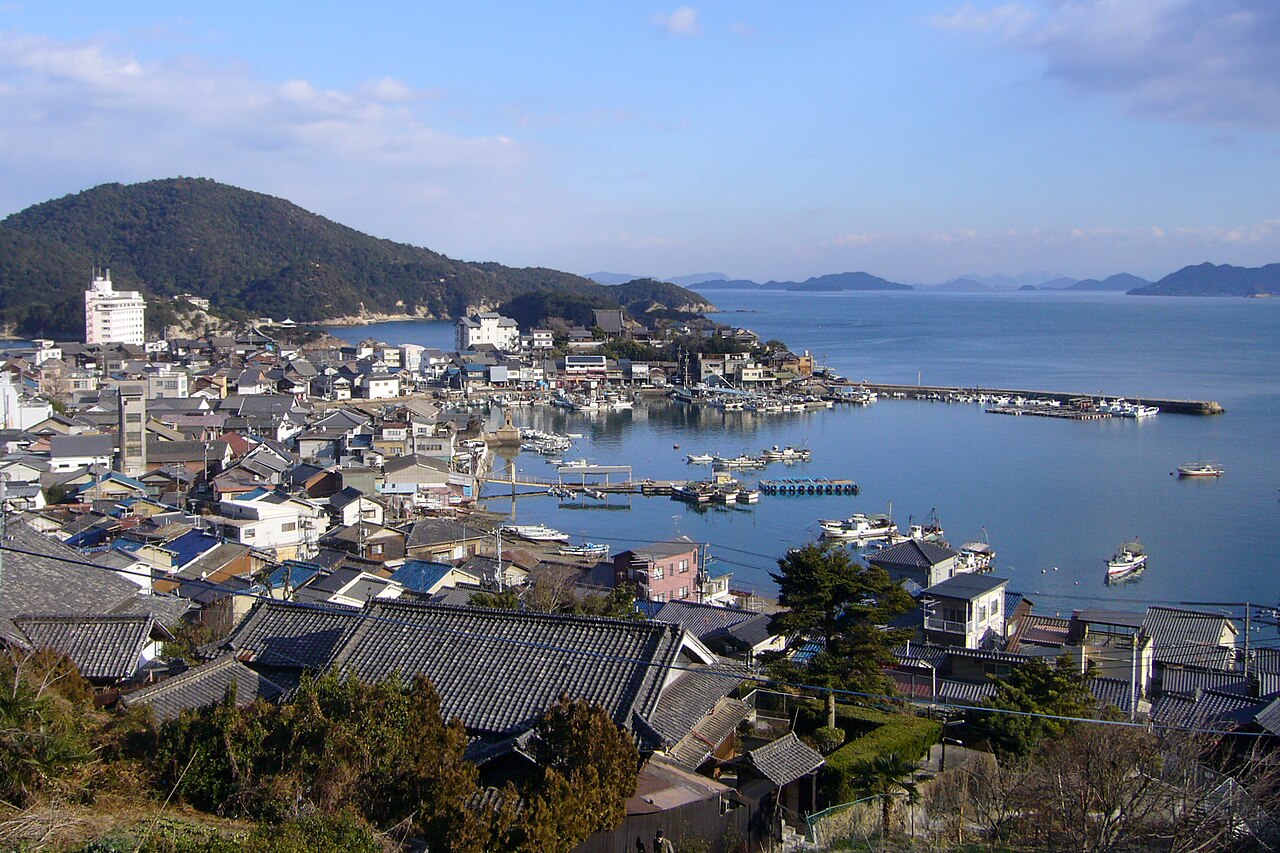
A perfectly preserved Edo-era harbour town on the Seto Inland Sea, ringed by scenic islands and steeped in maritime history.
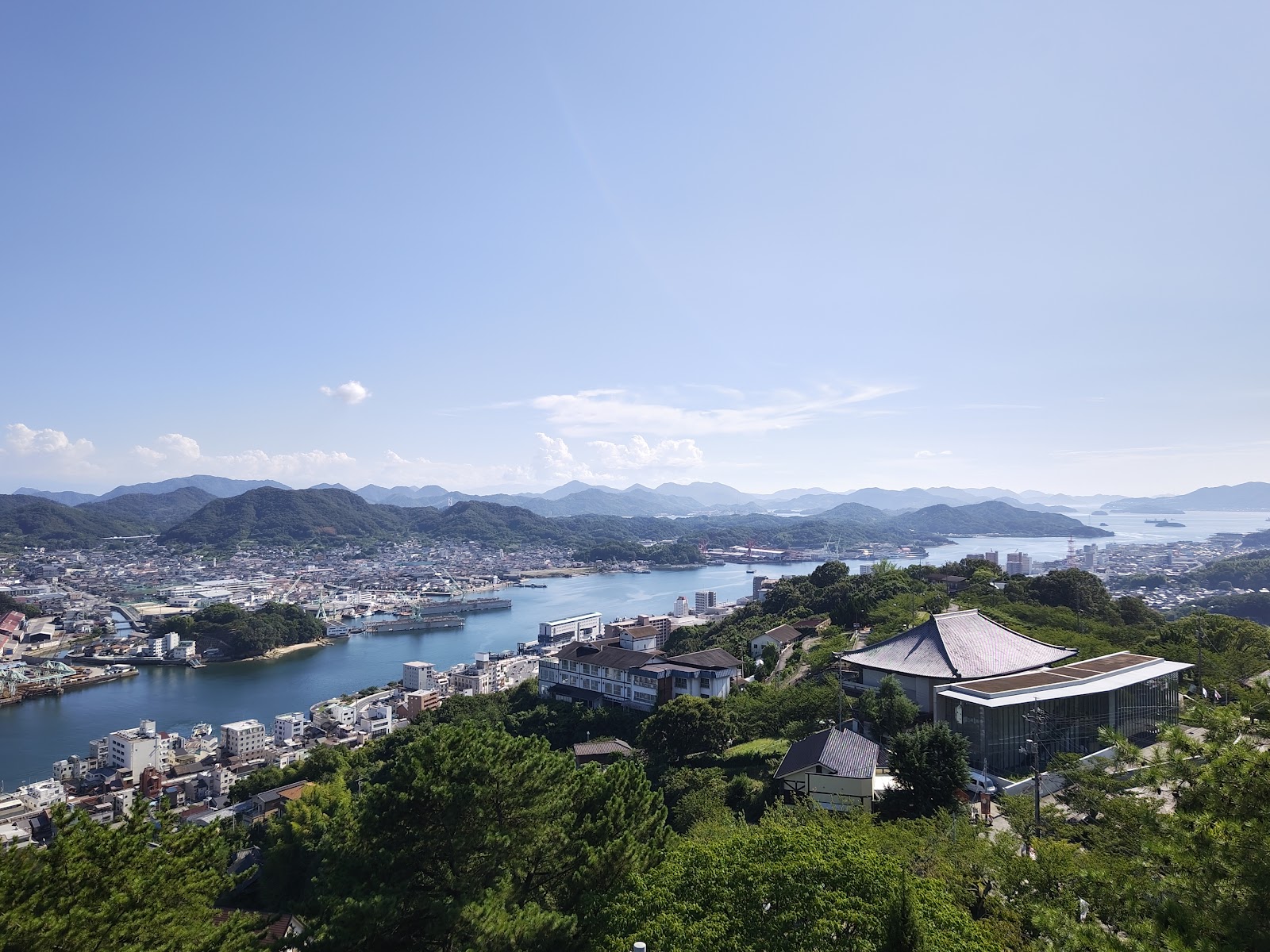
Tomonoura is a small, exquisitely preserved port town on the tip of the Numakuma Peninsula, jutting into the Seto Inland Sea south of the city of Fukuyama. For centuries it was one of the most important harbours on this great inland waterway, because of a quirk of geography: the tides of the Seto Inland Sea meet and reverse here, so sailing ships of the Edo period would put in to Tomonoura to wait for the current to turn in their favour. This made it a bustling 'tide-waiting port', and the wealth that passed through left the town with a remarkable concentration of historic buildings, temples and maritime relics that survive largely intact today.
The heart of Tomonoura is its old stone harbour, still watched over by an original nineteenth-century stone lighthouse, the Joyato, one of the largest surviving Edo-period lighthouses in Japan and the enduring symbol of the town. Around it wind narrow lanes of weathered wooden merchant houses, sake breweries and small shrines, so little changed that the whole townscape feels like a step back two hundred years. It is the only place in Japan that still produces homeishu, a traditional medicinal herb-infused sake, and several old brewers welcome visitors to taste it.
The surrounding seascape is protagonist here as much as the town itself. Tomonoura lies within the Setonaikai National Park, the first national park designated in Japan, and the view out across the water to the small green islands of Bentenjima and Sensuijima has been praised for centuries. From the hillside Fukuzen-ji temple, the Taichoro hall frames this panorama through its open wooden aperture so perfectly that a visiting Korean envoy in 1711 is said to have declared it the most beautiful scenery in the east of Japan. A short pleasure-boat ride crosses to Sensuijima, an island of unusual five-coloured rocks, walking trails and quiet beaches.
The town has also enjoyed a second life on screen. Its timeless atmosphere inspired the setting of Studio Ghibli's film Ponyo, after director Hayao Miyazaki stayed here, and its harbour and lanes have appeared in international productions including a Hollywood samurai epic. Yet Tomonoura remains a living fishing community rather than a theme park, with working boats, a morning catch and a population of only a few thousand, which is a large part of its charm.
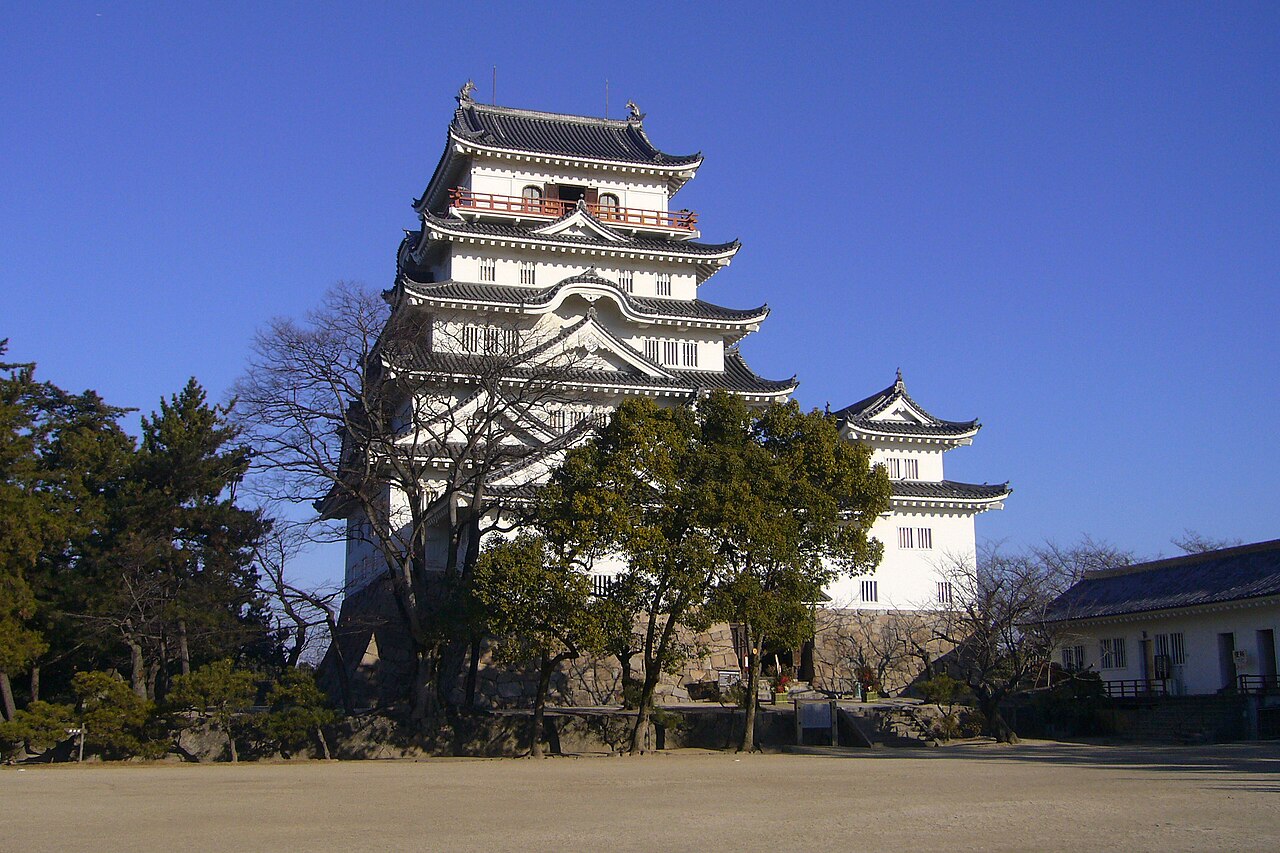
To reach Tomonoura, take a shinkansen or JR train to Fukuyama, whose station sits beside a handsome reconstructed castle, and then ride a local bus for around half an hour to the harbour. There is no train to the town itself, which has helped preserve its unhurried pace. Spend a few hours wandering the lanes, climbing to the temple viewpoints, tasting the local sake and watching the tide turn in the harbour, exactly as sailors did here for hundreds of years. It is one of the most atmospheric and rewarding corners of the whole Seto Inland Sea.
A local's tip
Climb to the Taichoro reception hall at Fukuzen-ji temple for the framed view of Bentenjima island that Korean envoys once called the finest scenery in Japan.
Best time to visit
Clear days for the Seto Inland Sea views and island ferries
Getting there
Ride the shinkansen to Fukuyama Station, then a Tomotetsu bus for about 30 minutes to the Tomonoura terminus; the old harbour is a few minutes on foot.
Good to know
- Cafes
- Ferries
- Restrooms
Plan the whole trip offline
Tomonoura is one of many places in the Real Japan app — with turn-by-turn directions, nearby spots and full offline maps you can use with no signal.