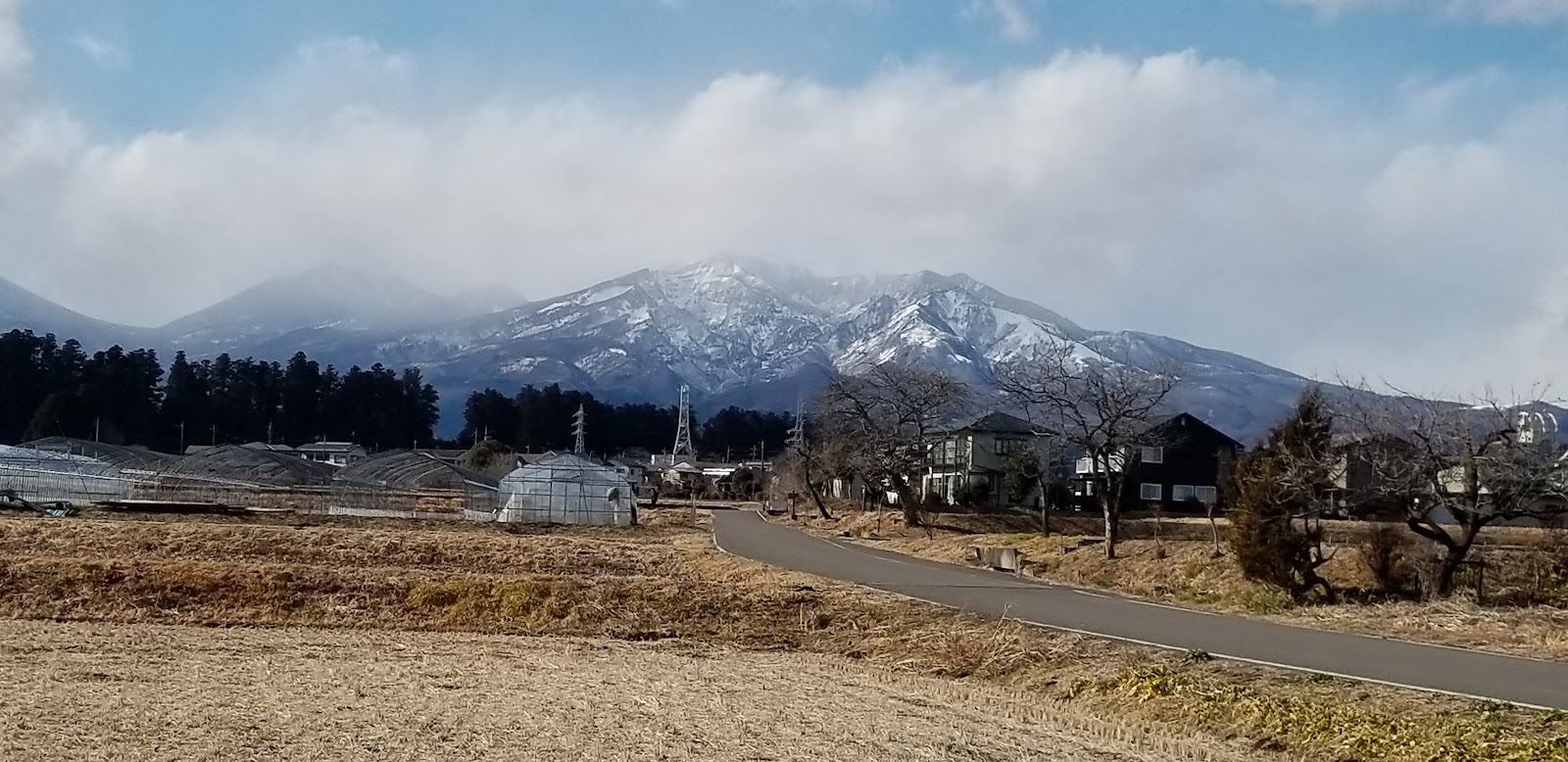
Historic Edo-era inn town and transport junction that serves as the low-country gateway to the greater Nikko area.
Imaichi is the historic inn town and transport hub that sits in the lower country at the southern edge of Nikko City, functioning as the gateway to the greater Nikko area. Long before it became a modern rail junction, it was an important post town, and today its role is echoed by Shimo-Imaichi Station, where the Tobu Nikko Line and the Tobu Kinugawa Line diverge, sending travellers either up to the shrines and Okunikko or north toward Kinugawa and Kawaji. For visitors it is less a headline sight than an authentic, workaday town with deep roots and a convenient position.
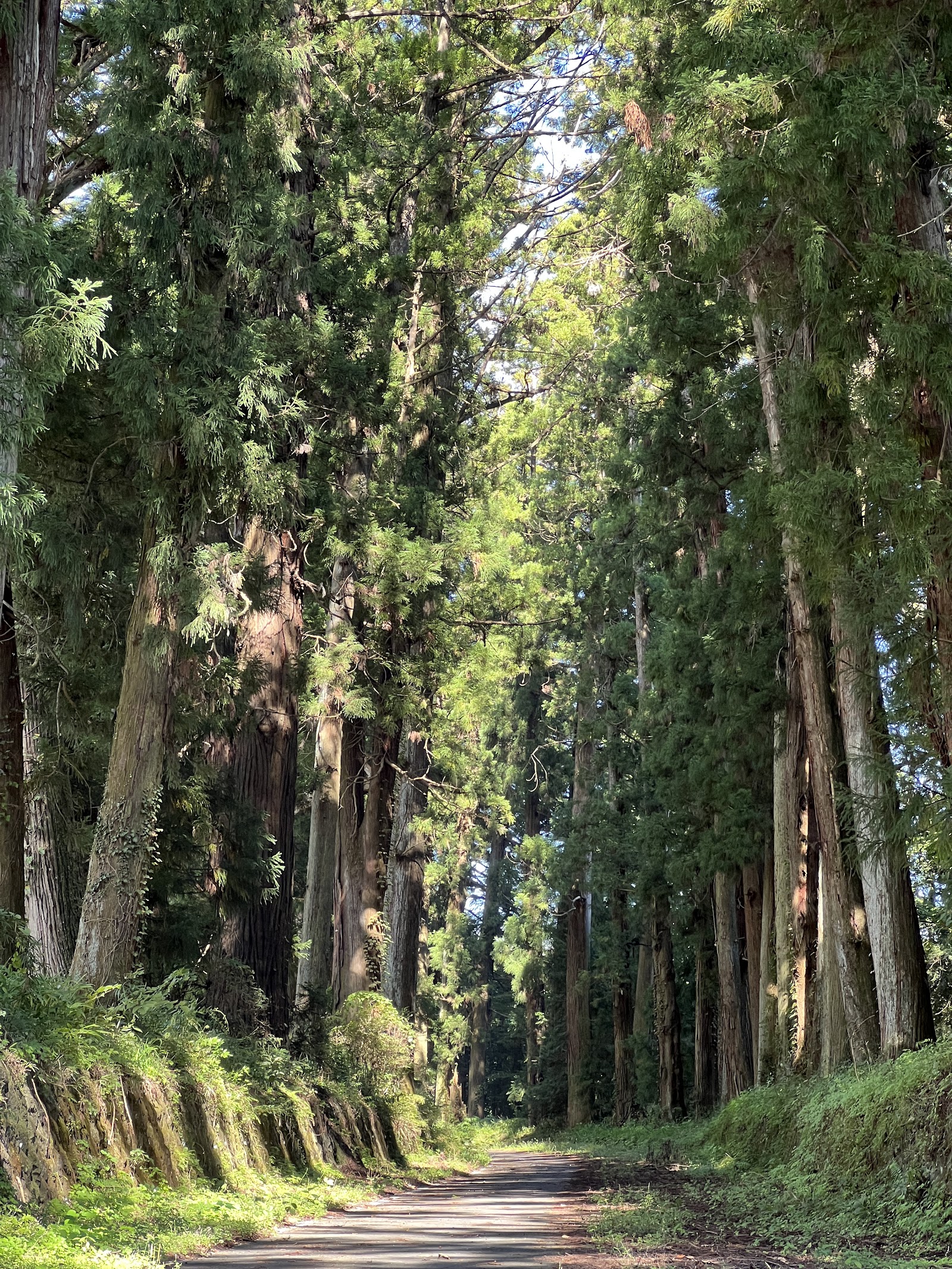
Its significance comes from geography. Imaichi grew up as a juku, or post town, on the old Nikko Kaido, the Edo-period highway that carried pilgrims and processions from Edo up to the Toshogu shrine. Crucially, it is the point where the three great tree-lined approach roads to Nikko, the Nikko Kaido, the Nikko Reiheishi Kaido and the Aizu Nishi Kaido, converge. Those roads are lined by the famous Cedar Avenue of Nikko, planted from the 1620s by the loyal retainer Matsudaira Masatsuna over some two decades, and Imaichi sits at their meeting point, making it a living crossroads of the pilgrimage network.
The town rewards a short exploration on foot. Visitors walk quieter, less touristy stretches of the towering cryptomeria cedar avenue near the town, visit local shrines and old merchant sites, and sample regional food and sake in a setting free of the crowds that fill the shrine approach. It also makes a practical, cheaper base for the region and a natural stop when changing trains between the Nikko and Kinugawa lines.
A notable fact is the scale of the cedars that converge here: the surviving Cedar Avenue of Nikko comprises roughly 13,000 trees along more than thirty kilometres of road, and is recognised as both a Special Historic Site and a Special Natural Monument, one of the few places in Japan to hold both designations, with Imaichi at its hub.
The experience is that of a relaxed, genuine Japanese town rather than a manicured attraction. The station area and old town are flat and easy to walk, with restrooms, parking and shops, and Shimo-Imaichi Station is only a few minutes' walk from the historic centre, making it very accessible. Because it is off the main tourist track, English signage is limited, which is part of its unpolished appeal.
Autumn, when the cedar avenue and surrounding hills deepen in colour, and spring are the pleasantest seasons for walking. To get here, ride the Tobu Nikko Line one stop down from Tobu-Nikko to Shimo-Imaichi Station, about eight minutes, or arrive directly on trains from Asakusa; the old post-town streets and the cedar avenue lie a short walk away. IC cards are accepted, and the town's compact, level layout makes it an easy and rewarding gateway stop.
A local's tip
Imaichi is where the three cedar-lined highways to Nikko converge, so walk a stretch of the Suginamiki cedar avenue here where it is quieter and freer of traffic than the sections closer to the shrines.
Best time to visit
Autumn along the cedar avenue
Getting there
Ride the Tobu Nikko Line from Tobu-Nikko one stop down to Shimo-Imaichi Station (the junction where the Kinugawa Line branches off), about 8 minutes; the old post-town centre and the cedar avenue are a short walk from the station. Trains from Asakusa also stop here.
Good to know
- Shops
- Parking
- Restrooms
Plan the whole trip offline
Imaichi is one of many places in the Real Japan app — with turn-by-turn directions, nearby spots and full offline maps you can use with no signal.