The head shrine of the Azumi clan, honouring seafaring gods amid the landlocked Azumino countryside.
Hotaka Shrine stands in the rural expanse of Azumino, north of Matsumoto, and is one of the most important Shinto sites in the Japan Alps region. It is the head shrine of a network dedicated to Hotakami-no-mikoto, the guardian deity of the ancient Azumi, a clan of seafarers who, according to tradition, migrated inland from the coast of northern Kyushu and settled this fertile basin. That maritime heritage explains the shrine's most surprising feature: though it sits among rice paddies far from any sea, its great annual rite centres on boats.
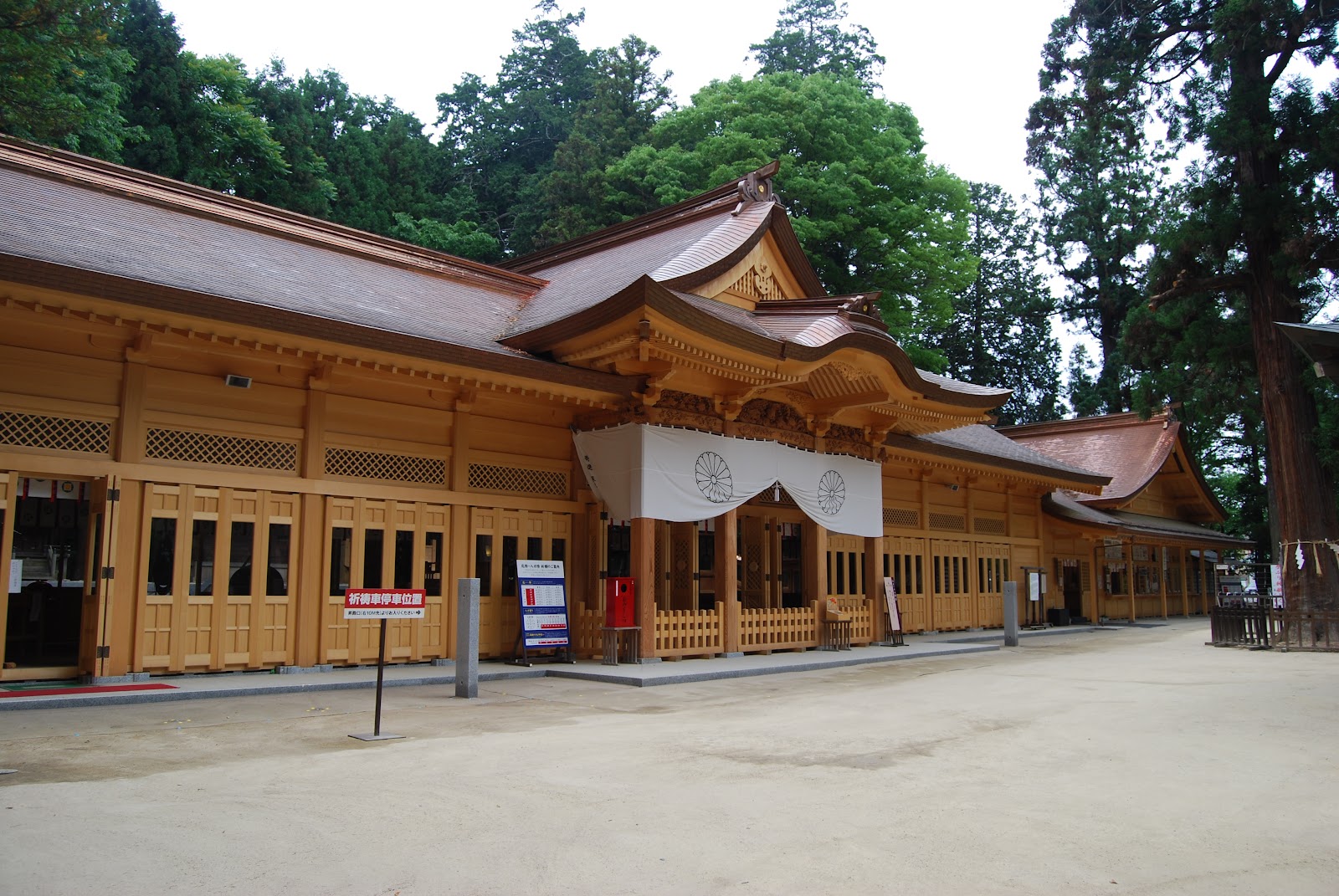
The main shrine, the Satomiya, sits in a grove of towering cedar and cypress at the foot of the mountains, its unpainted wooden halls weathered to a soft grey. A second, inner shrine known as the Okumiya lies deep in the mountains at Myojin Pond in Kamichi, while a third, the Reijin, sits on the summit of Mt. Oku-Hotaka, the third-highest peak in Japan, making this one of the few shrines whose sacred precinct spans from valley floor to alpine summit.
The shrine is best known for the Ofune Festival, held every year on 26 and 27 September. During it, huge wooden floats built in the shape of boats and decorated with scenes from Japanese history are hauled through the grounds and deliberately crashed into one another, a dramatic re-enactment thought to commemorate a naval battle and to pray for the repose of ancestral spirits. The sight of ship-shaped floats colliding in a landlocked mountain valley is a vivid reminder of the Azumi people's origins.
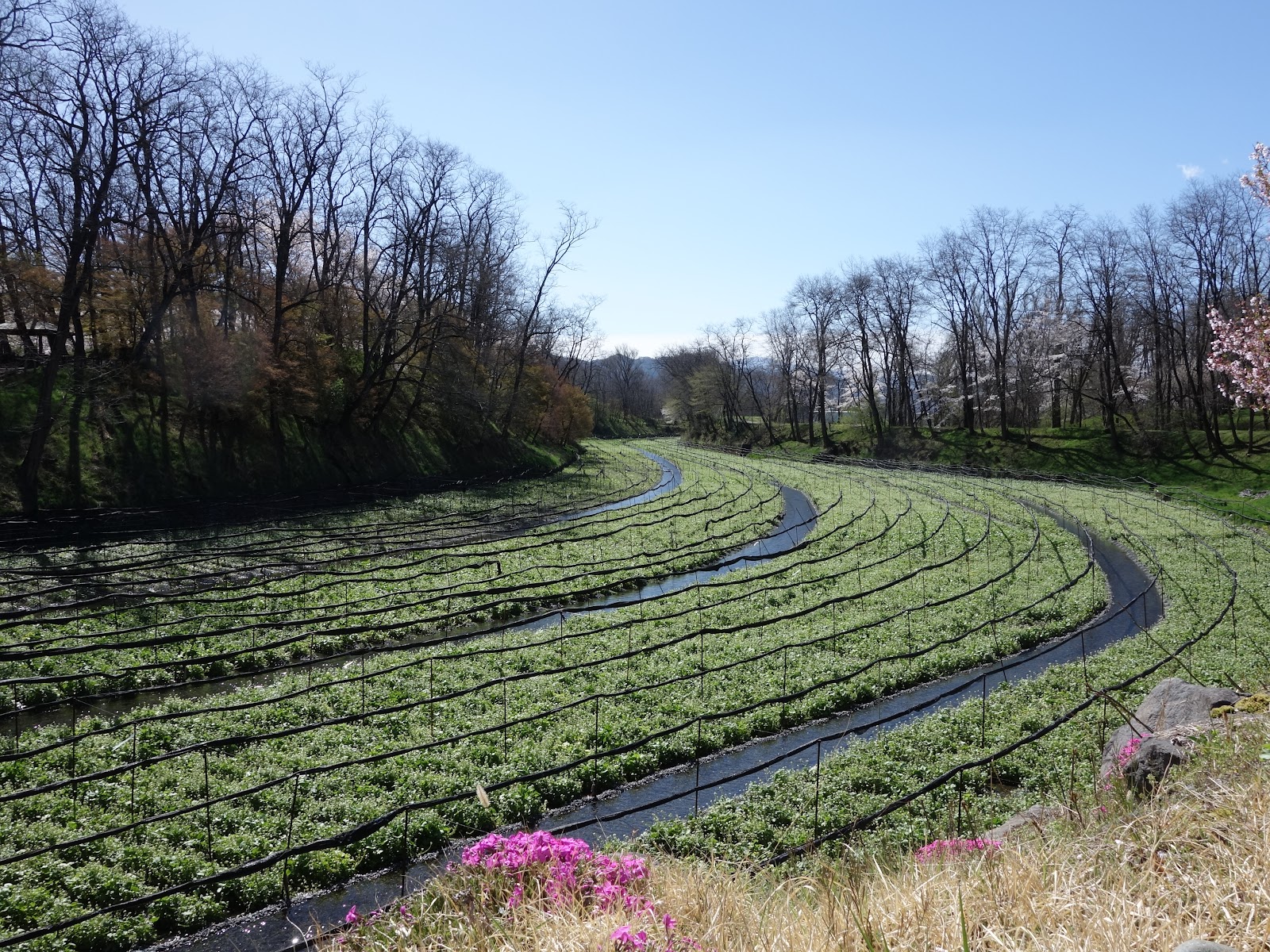
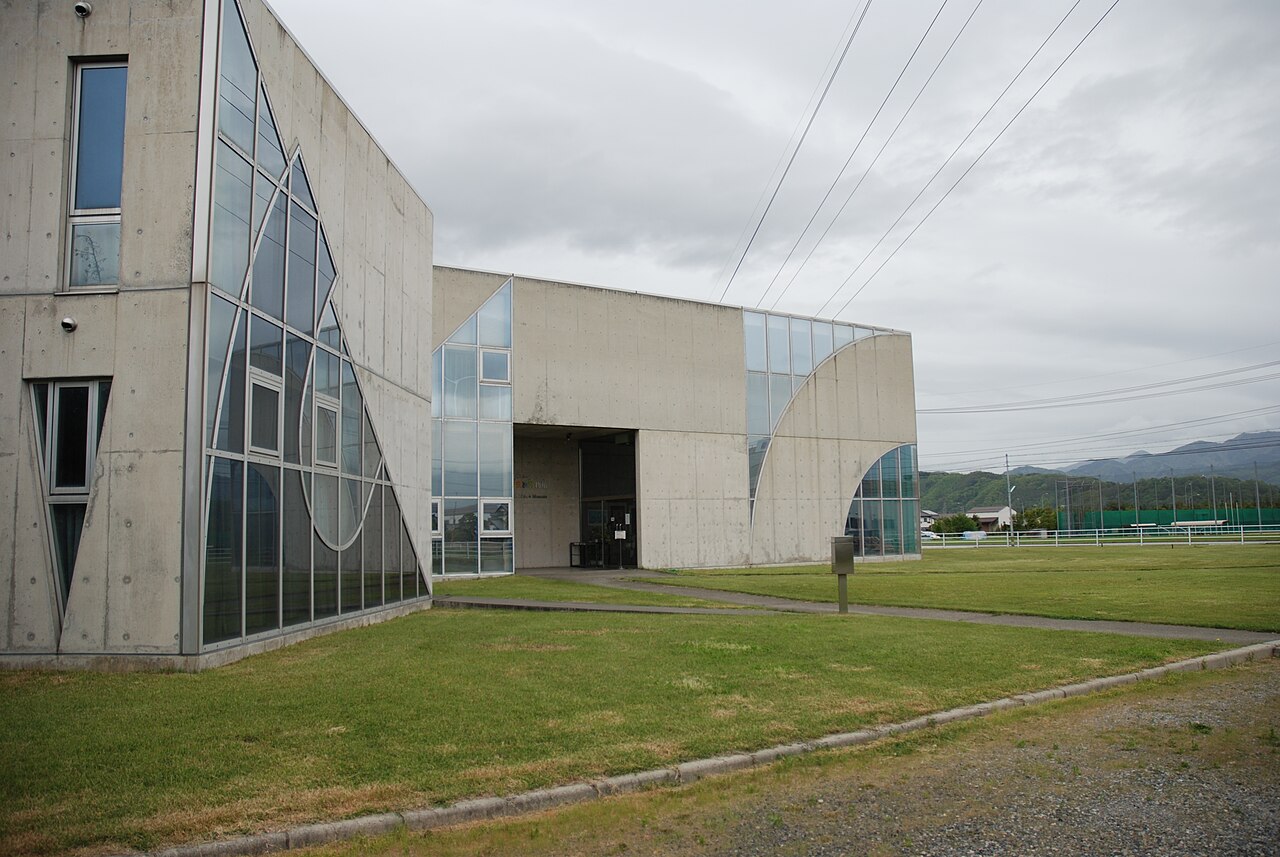
Within the peaceful grounds are several sub-shrines, a small museum of festival floats and ancient artefacts, and centuries-old trees designated as natural monuments. In spring the approach is softened by cherry blossom; in autumn the surrounding maples colour the precinct. Because Azumino is famous for its exceptionally clear spring water fed by Alpine snowmelt, the area around the shrine is dotted with wasabi farms and clear streams, and many visitors combine a stop here with the nearby Daio Wasabi Farm.
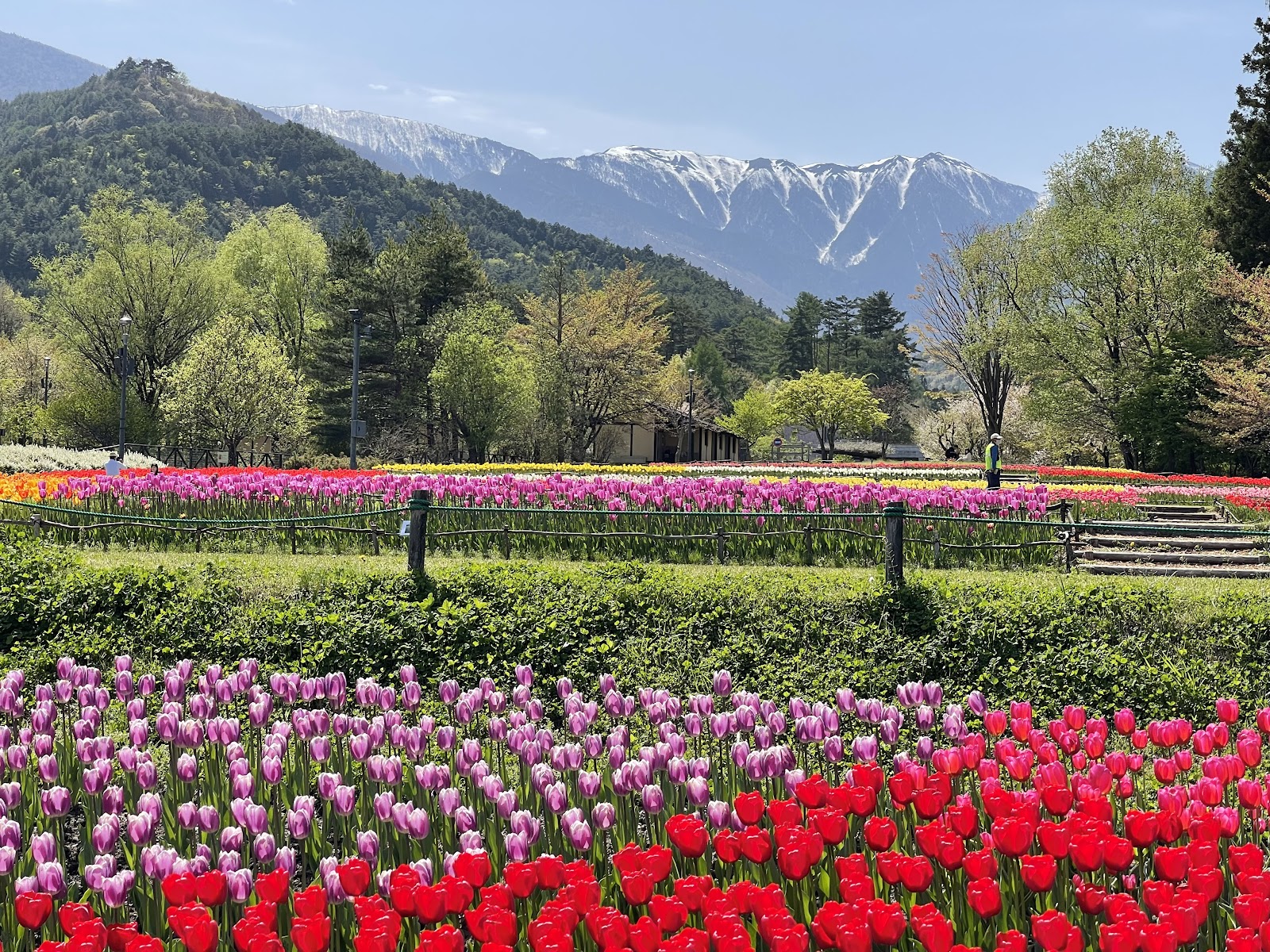
Visiting is simple and free: the grounds are always open, and the atmosphere is quiet and contemplative for most of the year, a contrast to the noise and colour of festival days. From Matsumoto, take the JR Oito Line to Hotaka Station and walk a few minutes, or, better in fine weather, rent a bicycle at the station and ride out through the paddies. The flat, well-signed lanes of Azumino make cycling between the shrine, wasabi farms and local cafes one of the most pleasant ways to spend a half-day in the region, with the white ridgeline of the Northern Alps rising behind every view.
A local's tip
Rent a bicycle at Hotaka Station and combine the shrine with the nearby Daio Wasabi Farm; the flat Azumino roads make it an easy, scenic half-day loop.
Best time to visit
Morning; late September for the Ofune Festival
Getting there
Take the JR Oito Line from Matsumoto to Hotaka Station (about 30 minutes), then walk roughly 8 minutes west. The shrine is an easy stop on a cycling day around the Azumino countryside.
Good to know
- Parking
- Restrooms
Plan the whole trip offline
Hotaka Shrine is one of many places in the Real Japan app — with turn-by-turn directions, nearby spots and full offline maps you can use with no signal.