Hokkaido's flagship museum tells the whole story of the island, from mammoths and Ainu culture to modern settlement, at the edge of Nopporo Forest.
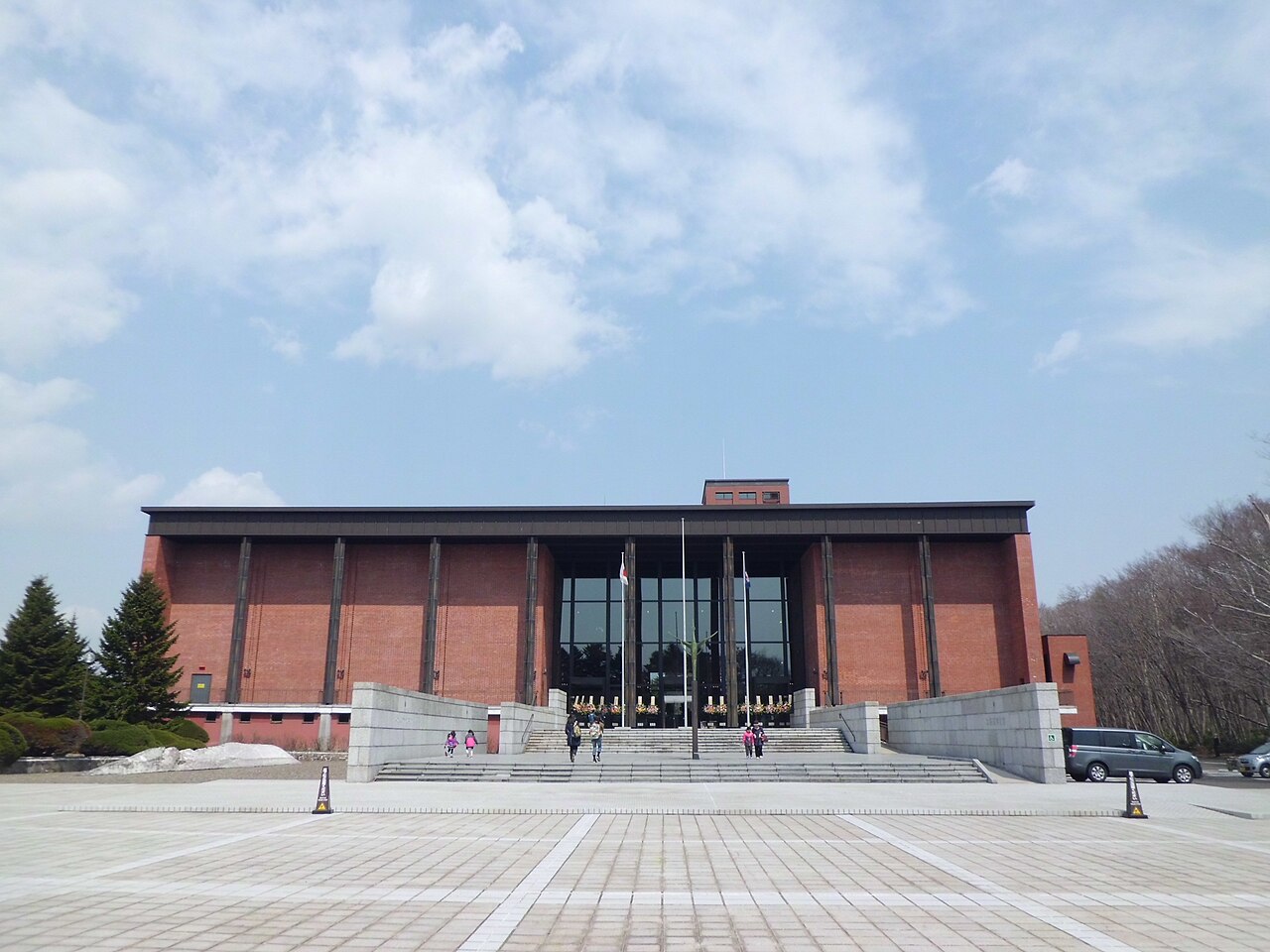
The Hokkaido Museum, opened in 2015 on the forested eastern edge of Sapporo, is the island's flagship institution for natural and human history. It was created by merging the former Hokkaido Historical Museum with the Ainu Culture Research Centre, and that dual heritage shapes everything inside: this is a museum about both the land and the peoples who have lived on it.
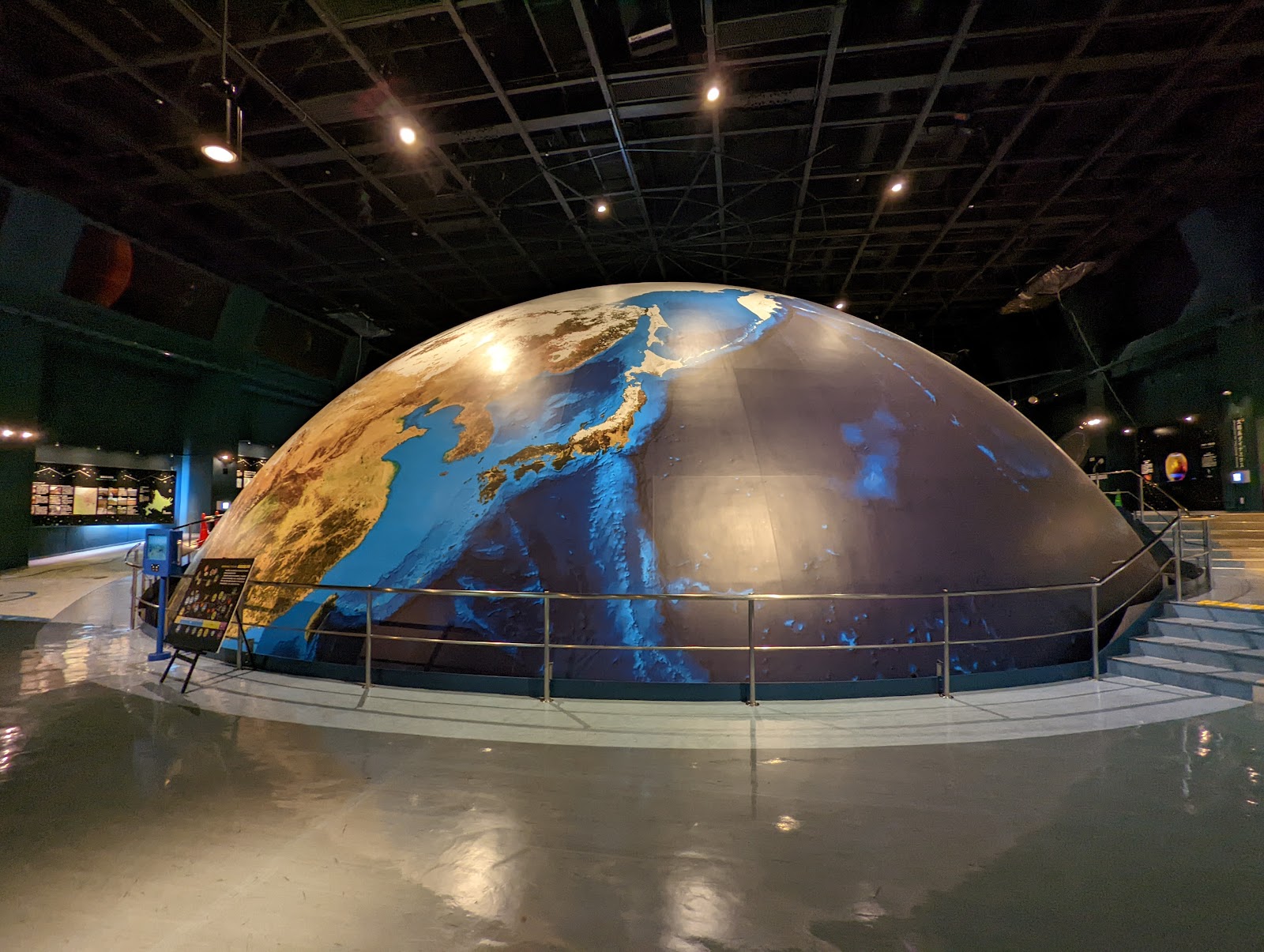
The permanent exhibition is arranged as a journey through time across five themes. It opens dramatically with the Ice Age, where full-scale reconstructions of a Naumann elephant and a woolly mammoth stand facing each other, a reminder that Hokkaido was once connected by land bridges to the Asian continent. From there the galleries move through the deep history of the Ainu, the indigenous people of the north, with tools, clothing, ceremonial objects and audio of the Ainu language that convey a living culture rather than a museum relic. Later sections cover the Meiji-era colonisation and rapid development of Hokkaido, when the Japanese government recruited American advisers, laid out Sapporo on a grid, and transformed a frontier into farmland and cities within a single generation.
What makes the museum unusually engaging is its emphasis on interaction and honesty. Displays invite you to pull open drawers, handle replica objects, and compare the environment of northern Japan with cold regions elsewhere in the world. The treatment of Ainu history does not shy away from the disruption caused by Japanese settlement, giving the exhibits a thoughtful, contemporary edge that many regional museums lack.
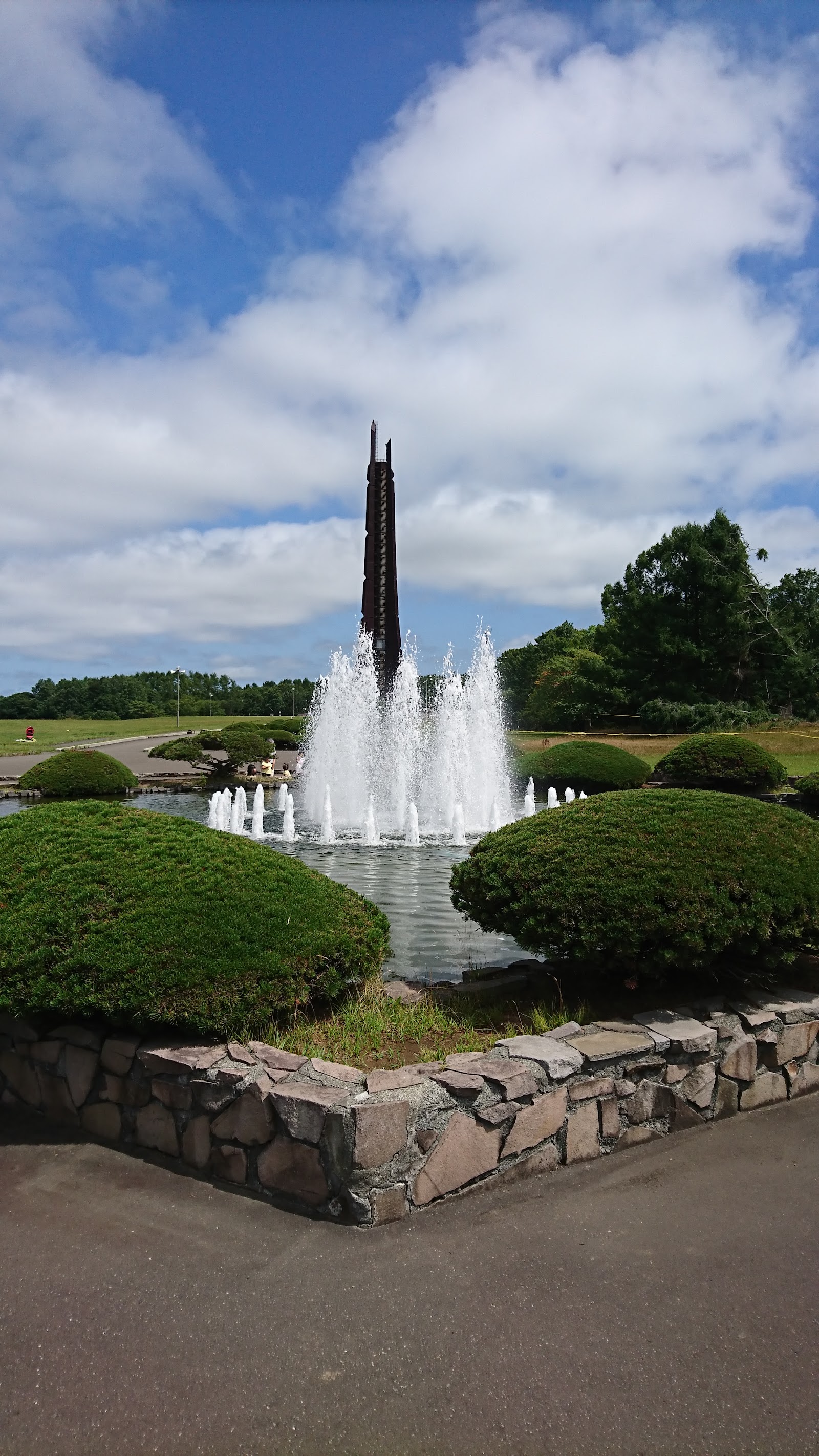
A notable story lives in the building's very location. It sits inside Nopporo Forest Park, a large tract of preserved woodland crowned by the centennial Hokkaido Centennial Memorial Tower. The museum was deliberately placed here so that the natural setting itself becomes part of the exhibit; walking trails connect the galleries to real forest, and in autumn the surrounding trees blaze with colour.
The visiting experience is relaxed and family-friendly. English signage and audio guides are available throughout, the galleries are spacious and never crowded, and a café and museum shop make it easy to linger. Allowing around two hours does the collection justice, though history enthusiasts can easily spend longer. The site is fully accessible, with lifts, ramps and wheelchair loans.
The best time to visit is really any season, but combining the indoor museum with a walk in Nopporo Forest is loveliest in late spring greenery or the autumn koyo, when the maples turn. Winter visits are perfectly comfortable too, and the museum makes an excellent escape on a snowy day.
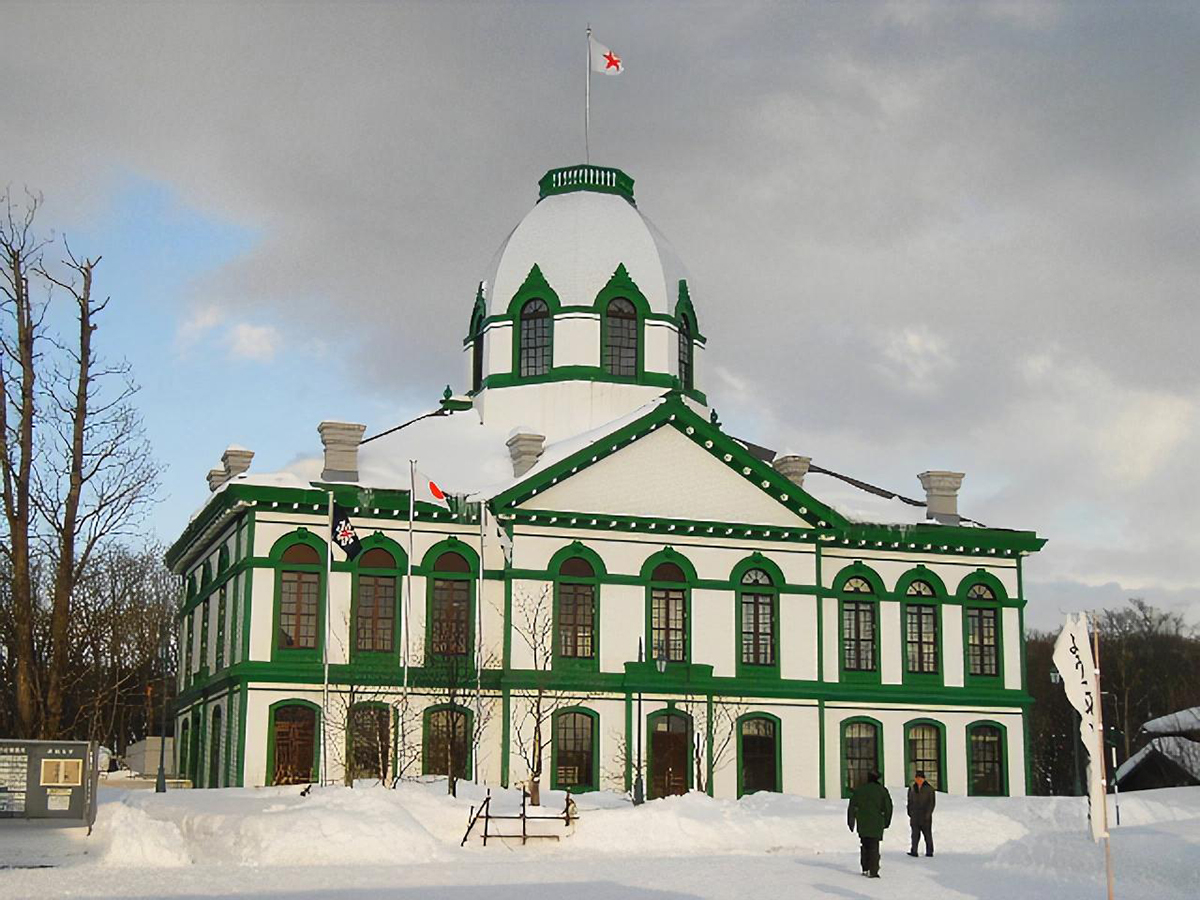
Getting there is straightforward. From Shin-Sapporo Station, a hub on the JR Chitose Line and the subway Tozai Line, take the JR Bus bound for Nopporo and get off at the Hokkaido Museum stop, roughly a ten-minute ride, followed by a short walk. Drivers will find free parking and an easy run of about twenty-five minutes from the city centre. Because the neighbouring Historical Village of Hokkaido tells the complementary open-air story of pioneer life, buying a combined ticket and pairing the two is the smartest way to understand how modern Hokkaido came to be.
A local's tip
Buy the combined ticket with the neighbouring Historical Village of Hokkaido and make a half-day of it inside Nopporo Forest Park.
Best time to visit
Any season; pair with Nopporo Forest walks in autumn
Getting there
From Shin-Sapporo Station take the JR Bus toward Nopporo; alight at 'Hokkaido Hakubutsukan' (about 10 minutes), then a short walk. By car it is roughly 25 minutes from central Sapporo via Route 12.
Good to know
- Cafe
- Wi-Fi
- Parking
- Restrooms
Plan the whole trip offline
Hokkaido Museum is one of many places in the Real Japan app — with turn-by-turn directions, nearby spots and full offline maps you can use with no signal.