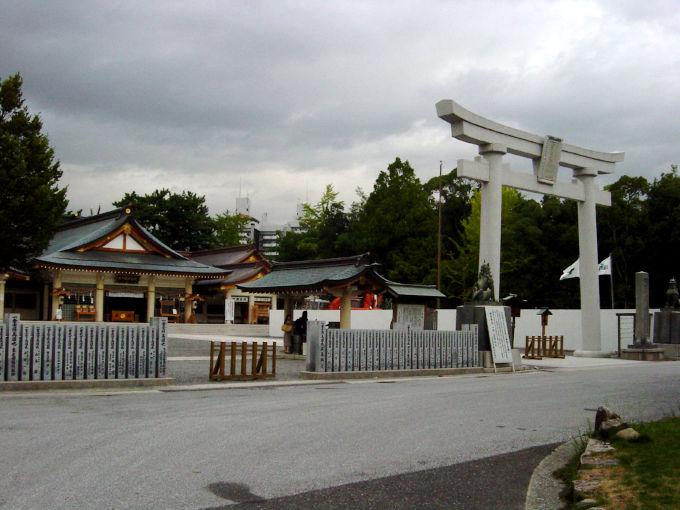
Hiroshima's busiest shrine, rebuilt inside the castle grounds and thronged for New Year prayers.
Hiroshima Gokoku Shrine stands within the inner grounds of Hiroshima Castle and is the most visited Shinto shrine in the city, the place where hundreds of thousands of locals come each January for hatsumode, the first prayers of the New Year. Its story mirrors that of Hiroshima itself: destruction, mourning and determined rebirth, all wrapped around a shrine that today feels warmly woven into everyday city life.
The shrine was originally founded in 1868 to honour those from the region who died in service of the country, in the tradition of the gokoku ('nation-protecting') shrines established across Japan. It once stood elsewhere in the city, but like almost everything within a wide radius it was obliterated by the atomic bombing on 6 August 1945. It was rebuilt on its present site inside the castle park in 1956, and the current halls, though modern, are kept in the clean, dignified style of a classic Shinto shrine, with a bright torii and a spacious approach.
What makes a visit here distinctive is the shrine's deep bond with Hiroshima's identity, especially the carp. Hiroshima Castle is nicknamed Carp Castle (Rijo), and the carp, a fish celebrated in Japan for swimming valiantly upstream, has become the city's emblem, lending its name to the beloved Hiroshima Toyo Carp baseball team. The shrine leans happily into this: large carp statues stand in the precinct, worshippers rub them for luck and success, and during baseball season fans come to pray for their team. It is a lovely example of how a place of solemn remembrance also functions as a living community hub.
Beyond New Year, the shrine is a pleasant, low-key stop at any time. It is popular for weddings, shichi-go-san children's blessings in November, and everyday prayers for success in exams, business and sport. The surrounding castle park is planted with cherry trees that blossom beautifully in spring, so a visit combines naturally with hanami and with a climb up the reconstructed castle keep next door for views over the city. Admission is free and the grounds are flat and easy to walk.
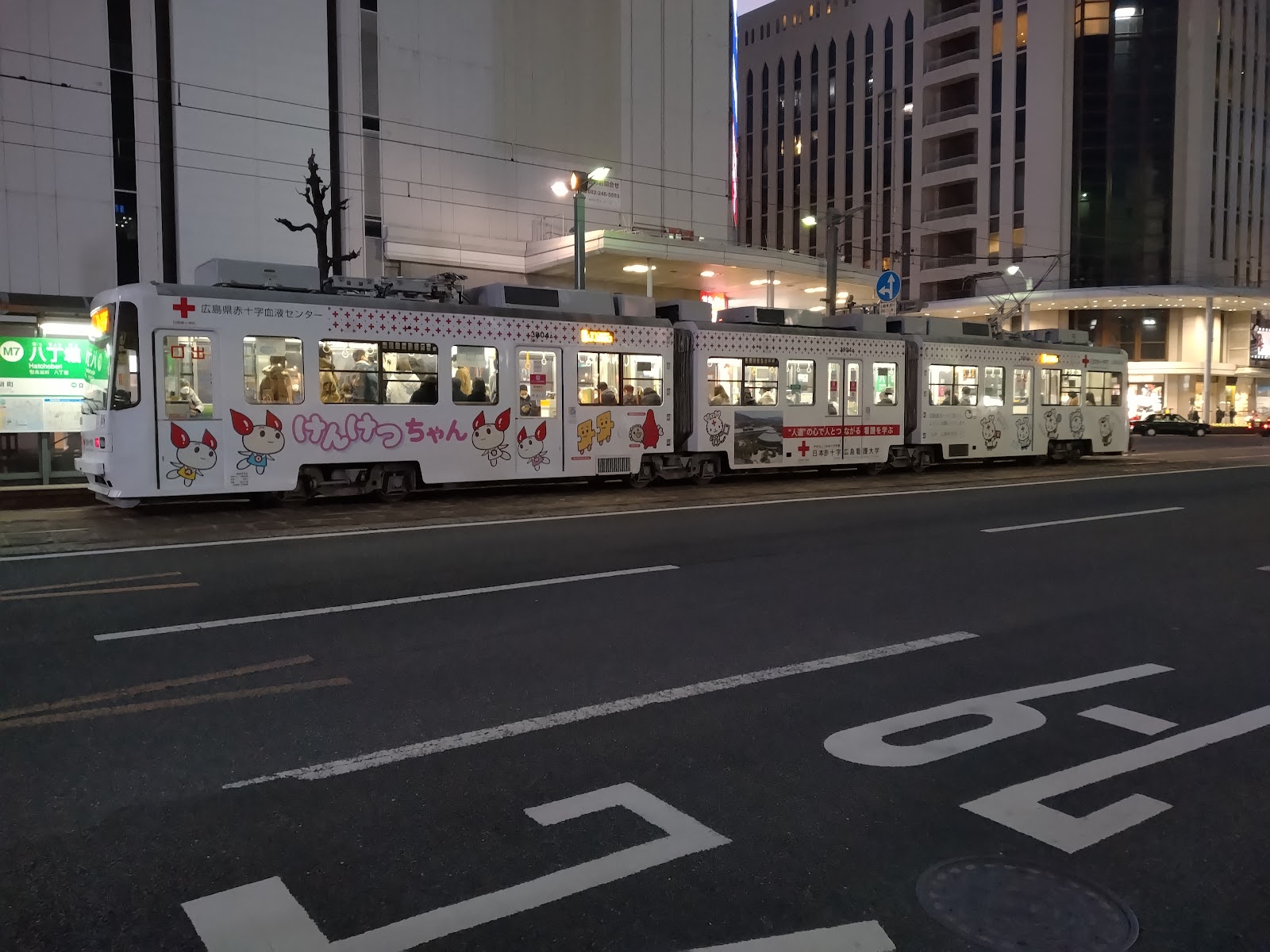
Because it shares the castle grounds, the shrine pairs perfectly with Hiroshima Castle and is only a short walk from the Peace Memorial Park, letting you take in the city's feudal past, its atomic tragedy and its resilient present in a single, moving loop. Reach it via the Hiroden streetcar, Hiroshima's characterful tram network, alighting at Kamiyacho or Genbaku Dome-mae and walking a few minutes into the park; note the streetcar is not covered by the Japan Rail Pass but takes IC cards and costs very little. Allow around half an hour for the shrine, or longer if you fold in the castle and a stroll beneath the cherry trees.
A local's tip
Seek out the two large carp (koi) statues at the shrine: the carp is Hiroshima's civic symbol, tied to the castle's nickname of Carp Castle and to the local baseball team, and rubbing them is said to bring good fortune and victory.
Best time to visit
New Year for hatsumode, spring for blossom
Getting there
Take the Hiroden streetcar to Kamiyacho or Genbaku Dome-mae and walk toward Hiroshima Castle; the shrine sits inside the castle's inner grounds. From Hiroshima Station it is a short streetcar ride plus an 8-minute walk.
Good to know
- Restrooms
- Amulet office
Plan the whole trip offline
Hiroshima Gokoku Shrine is one of many places in the Real Japan app — with turn-by-turn directions, nearby spots and full offline maps you can use with no signal.