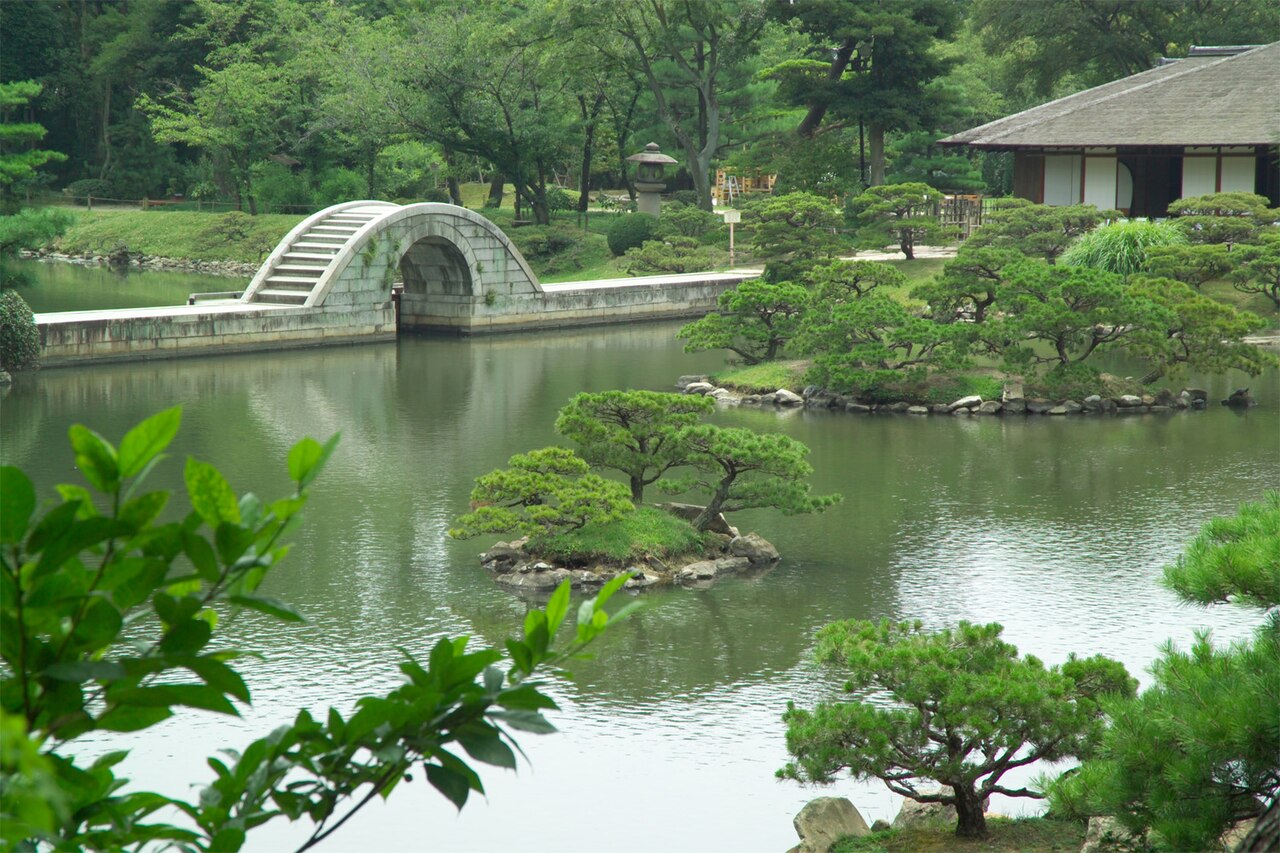
A serene 400-year-old Edo-period stroll garden of miniature landscapes, a mere ten-minute walk from the atomic bomb hypocenter.
Shukkei-en, whose name means 'shrunken-scenery garden', is a masterpiece of the Japanese stroll-garden tradition laid out in 1620 for Asano Nagaakira, the daimyo lord of the Hiroshima domain. Its designer, the warrior and celebrated tea master Ueda Soko, compressed a whole world of scenery into a few compact hectares: valleys, mountains, forests and a sinuous central pond that is said to evoke the famous West Lake of Hangzhou in China. Wander its winding paths and every few steps reveals a new, deliberately framed vista, each one a landscape painting made real.
The garden radiates outward from Takuei Pond, a body of water dotted with a dozen tiny islets and crossed by the gracefully arched Koko-kyo, or Rainbow Bridge. Stone lanterns, a working rice paddy, plum and cherry groves, and clipped pines all cluster around the shoreline, connected by a circuit path that changes character with every season. In spring the cherry trees blush pink, in early summer the irises and azaleas bloom, and in late November the maples set the whole garden ablaze in scarlet and gold, mirrored perfectly in the still pond.
Shukkei-en carries a weight of history far heavier than its delicate appearance suggests. It sits barely a kilometre from the hypocenter of the atomic bomb dropped on 6 August 1945. The blast flattened the garden and stripped its trees, and in the days that followed many wounded and dying survivors sought refuge on its banks; some are buried in the grounds. Yet within a few years shoots reappeared on the scorched trunks, and several trees that survived the bombing still stand today, quiet living witnesses to the city's rebirth. The garden was painstakingly restored and reopened to the public, a symbol of resilience as much as of Edo-era refinement.
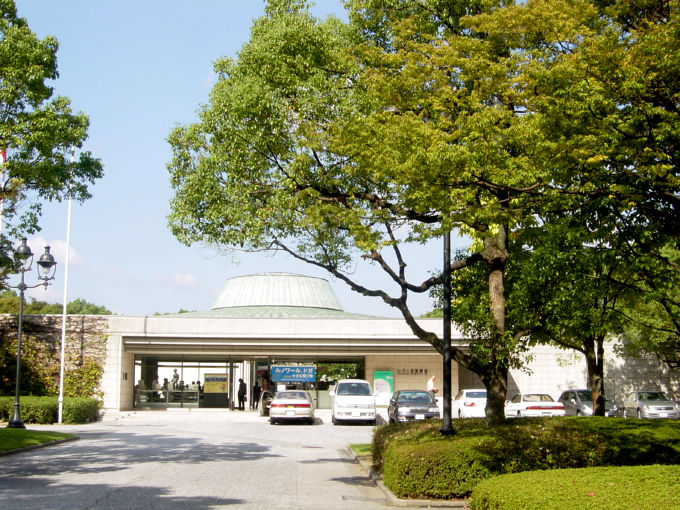
A visit today is an unhurried pleasure. A traditional teahouse, Seifukan, overlooks the pond and serves matcha and seasonal sweets to visitors who kneel on its tatami and simply watch the water. Carp and turtles glide beneath the bridges, herons stalk the shallows, and the sounds of the modern city fade behind the encircling trees. The adjacent Hiroshima Prefectural Art Museum makes an easy pairing, connected by a shared gate.
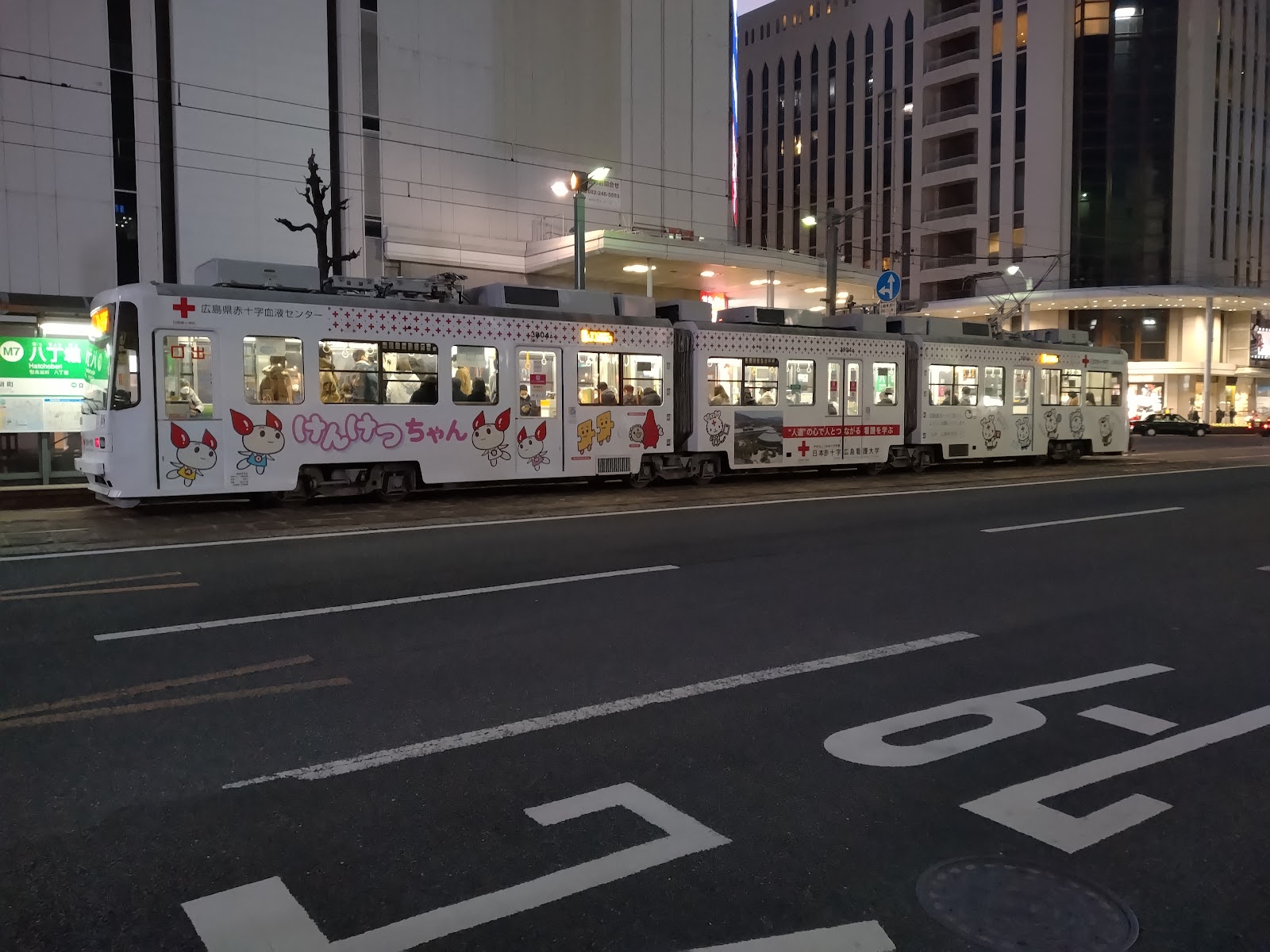
The garden opens at 09:00 daily and admission is a modest 260 yen. Allow around an hour to complete the loop at a relaxed pace, longer if you stop for tea. It is exceptionally central: from Hiroshima Station the Hiroden tram delivers you to the Shukkeien-mae stop in a few minutes, and the entrance is right there. Come at opening time or in the last hour before closing for the softest light and the fewest crowds, and if you can time your trip for the last week of November you will see one of western Japan's most beautiful and moving autumn displays.
A local's tip
Arrive right at the 09:00 opening to have the Rainbow Bridge and the koi-filled pond almost to yourself before tour groups arrive.
Best time to visit
Late November for autumn koyo; April for cherry blossom
Getting there
From Hiroshima Station take the Hiroden tram (Line 9 toward Hakushima) three stops to Shukkeien-mae, or walk about 15 minutes northwest. The entrance is a two-minute stroll from the tram stop.
Good to know
- Gift shop
- Restrooms
- Tea house
Plan the whole trip offline
Shukkei-en is one of many places in the Real Japan app — with turn-by-turn directions, nearby spots and full offline maps you can use with no signal.