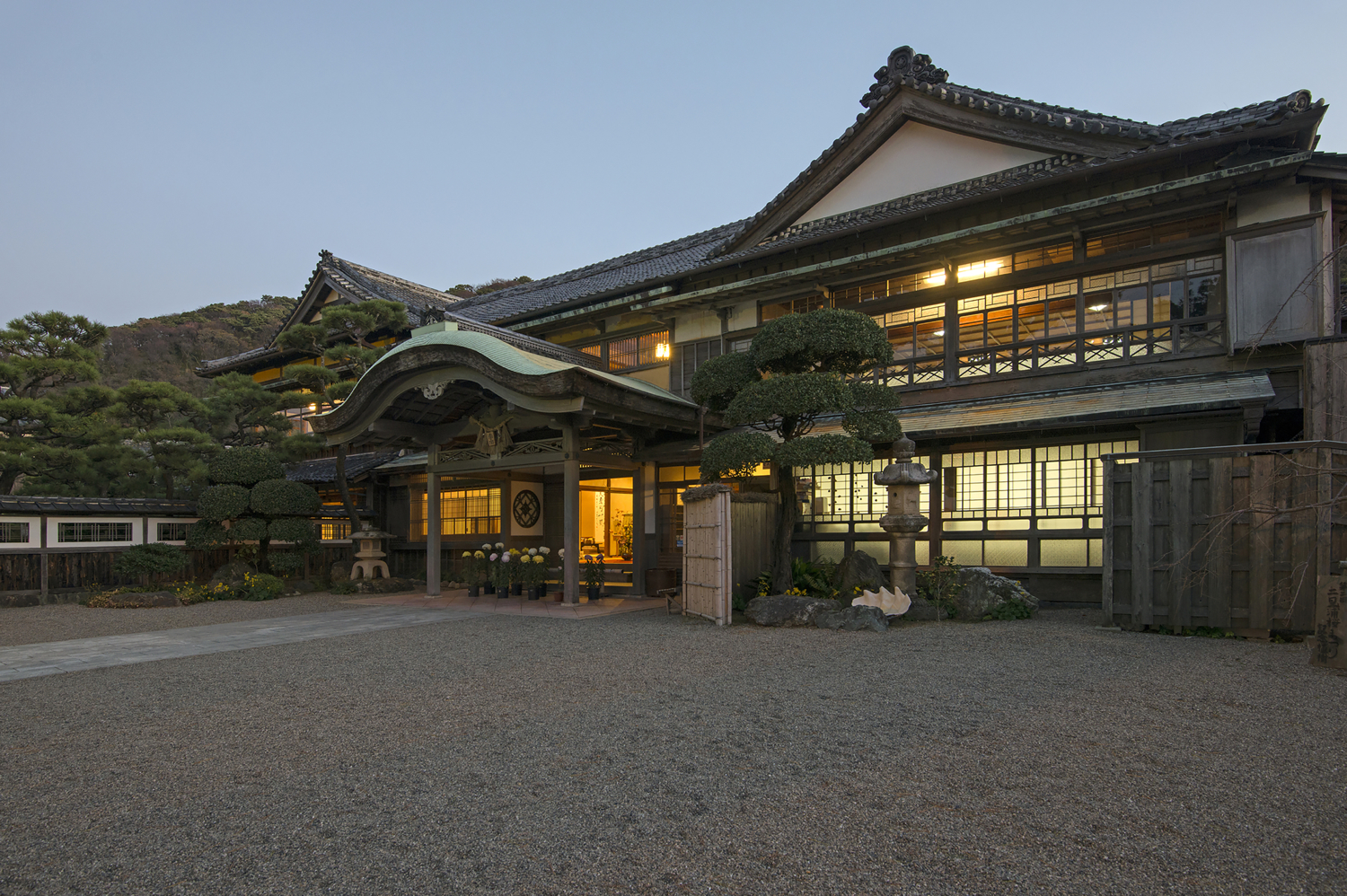
A graceful Meiji-era guesthouse in Futami that once hosted emperors and dignitaries, now an Important Cultural Property open as a museum.
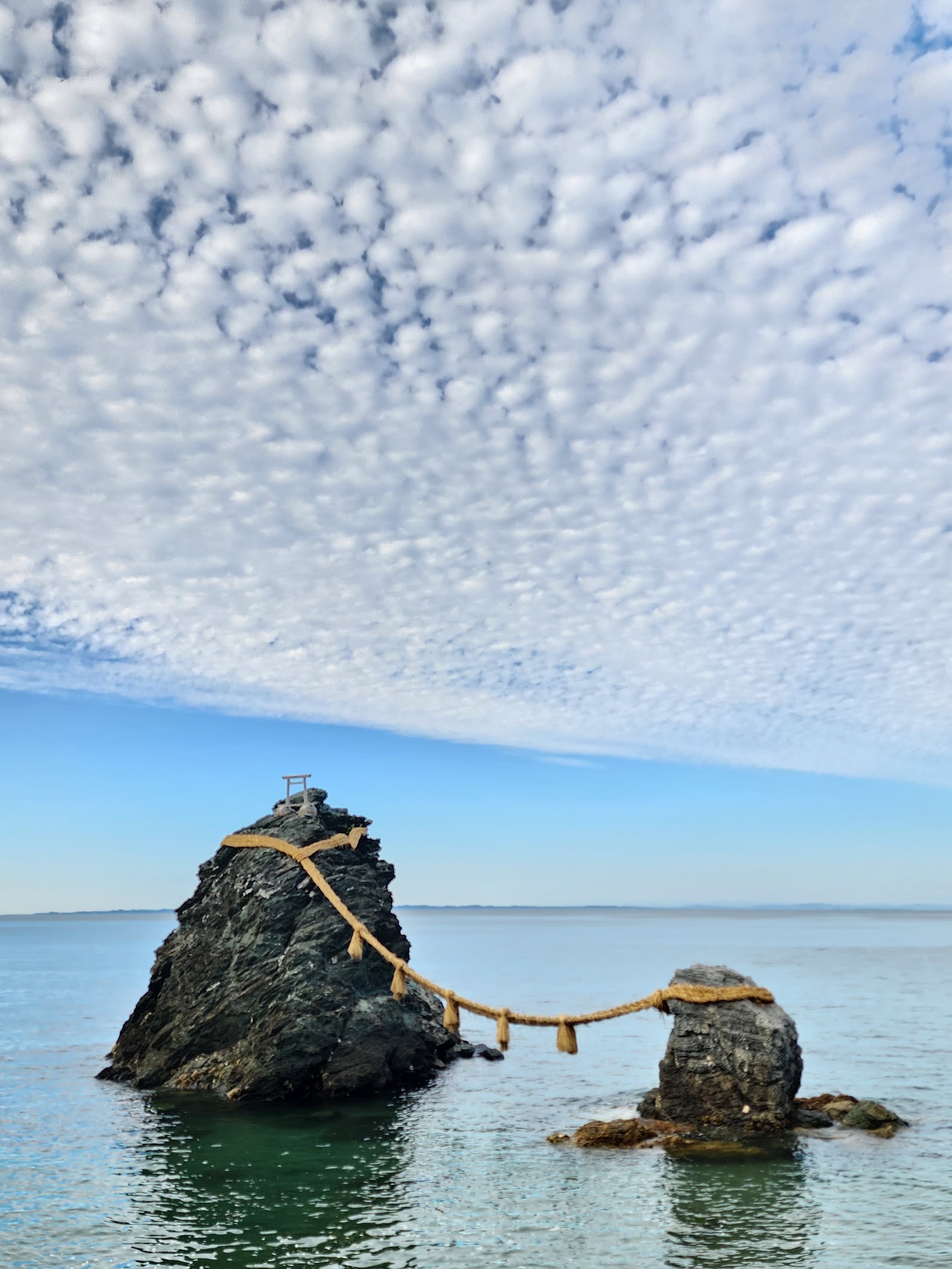
Hinjitsukan is an elegant relic of the Meiji era standing on the old seafront street of Futami, the coastal district of Ise best known for the sacred Meoto Iwa "wedded rocks." Built in 1887 as a guesthouse to accommodate members of the imperial family and other distinguished visitors who came to bathe in Futami's waters and worship at Ise Jingu, it is today preserved as a museum and designated an Important Cultural Property of Japan, offering a rare and beautifully intact glimpse of high-class Japanese architecture from the dawn of the modern age.
In its heyday Futami was a fashionable seaside resort, and Hinjitsukan was its most prestigious lodging. Over the decades it welcomed emperors, imperial princes, ministers and other dignitaries, and its rooms and gardens were designed to impress guests of the very highest rank. The building embodies the refined tastes of the period: expansive tatami rooms, meticulously crafted joinery, sliding screens, and views framed onto carefully composed gardens. Walking its polished corridors, you can sense the hushed formality of an era when a stay here was a mark of exceptional privilege.
The undisputed centrepiece is the Gozanoma, a magnificent 120-mat banquet hall on the upper floor. This vast, luminous space, with its coffered ceiling, fine woodwork and openness to the surrounding greenery, is one of the grandest surviving rooms of its kind and demonstrates the craftsmanship lavished on the building. Throughout the house, details reward close attention, from the quality of the timber and the design of the transoms to the interplay of interior and garden that lies at the heart of traditional Japanese aesthetics. Seasonal light moving across the tatami and the sound of the nearby sea give the rooms a serene, timeless atmosphere.
Hinjitsukan's history mirrors that of Futami itself. As the resort's fortunes rose and fell, the building served various roles before being restored and opened to the public as a cultural treasure, saved as a testament to the town's elegant past. It now hosts occasional exhibitions and cultural events, and its tranquil rooms make it a peaceful counterpoint to the busier shrine sites of the region.
The location makes Hinjitsukan easy to combine with Futami's other attractions. It stands on the old street leading toward Meoto Iwa, so a visit pairs naturally with a walk to the famous wedded rocks and the nearby Futami Okitama Shrine, together making a rewarding half-day on the Ise coast. The house is a twelve-minute walk from Futaminoura Station on the JR Sangu Line, which is covered by the Japan Rail Pass and only a short ride from central Ise, so no car is needed. Admission is inexpensive, the interior is comfortable in any weather, and an hour is ample to appreciate its rooms and gardens. For lovers of architecture and history, it is one of the most atmospheric small museums in the whole Ise-Shima area.
A local's tip
Ask to see the great 120-mat Gozanoma banquet hall upstairs; its coffered ceiling and garden views are the building's finest feature.
Best time to visit
Combine with a walk to nearby Meoto Iwa
Getting there
A 12-minute walk from Futaminoura Station on the JR Sangu Line, along the old Futami seafront street toward Meoto Iwa. From Ise it is a short train ride to Futaminoura.
Good to know
- Gift Shop
- Restrooms
Plan the whole trip offline
Hinjitsukan is one of many places in the Real Japan app — with turn-by-turn directions, nearby spots and full offline maps you can use with no signal.