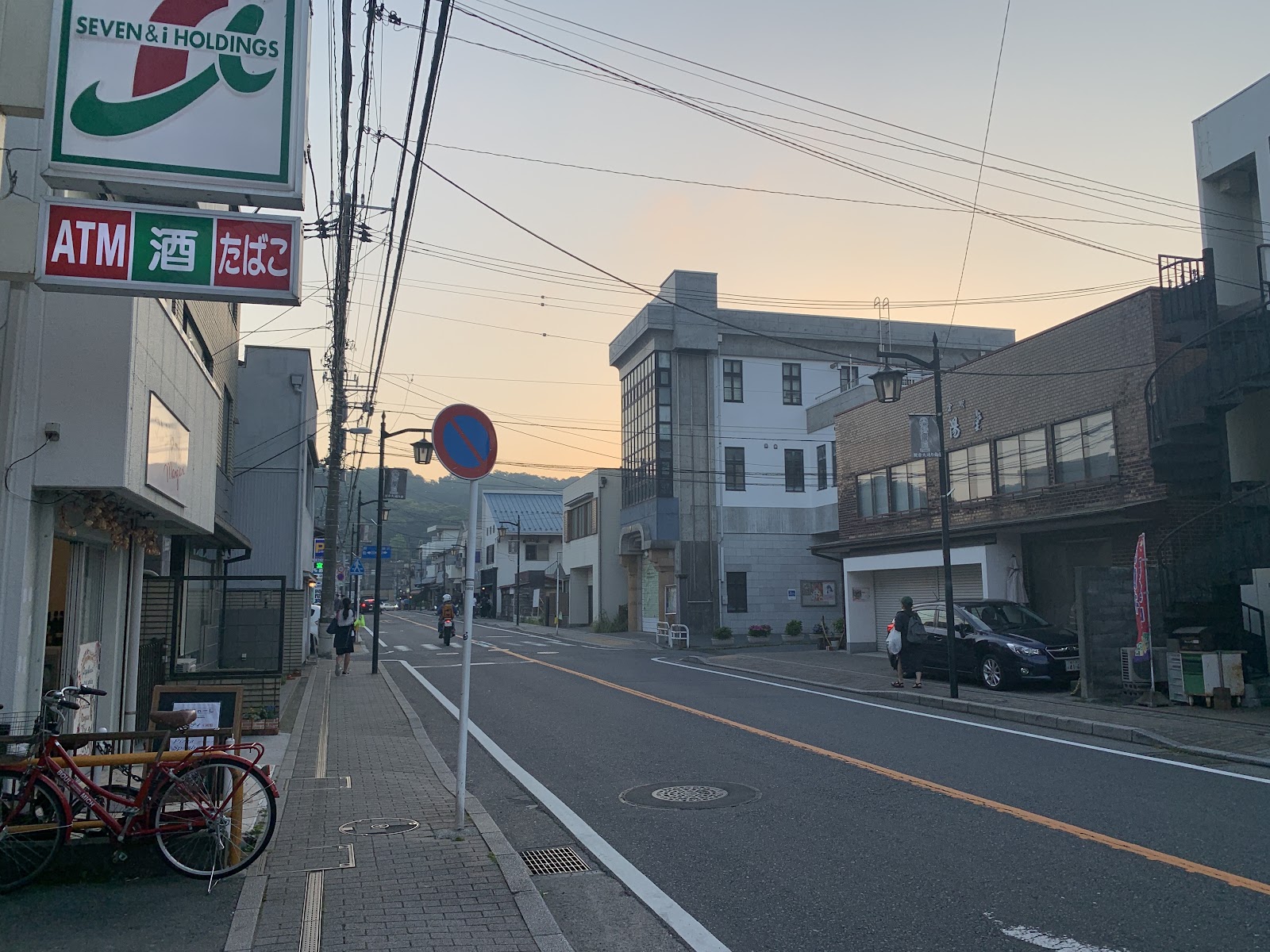
The temple-and-seaside neighbourhood around Hase Station, gateway to the Great Buddha and Hase-dera and a short walk from Yuigahama beach.
The Hase district occupies the southwestern corner of Kamakura, a gentle neighbourhood strung between the hills and the sea along the little Enoden railway line. It is one of the city's most visited areas, because within a short walk of Hase Station stand two of its greatest sights - the colossal bronze Great Buddha of Kotoku-in and the flower-filled temple of Hase-dera - yet it is also a genuine local neighbourhood, with a low-key shopping street, small cafes and restaurants, and the wide sweep of Yuigahama beach only minutes away.
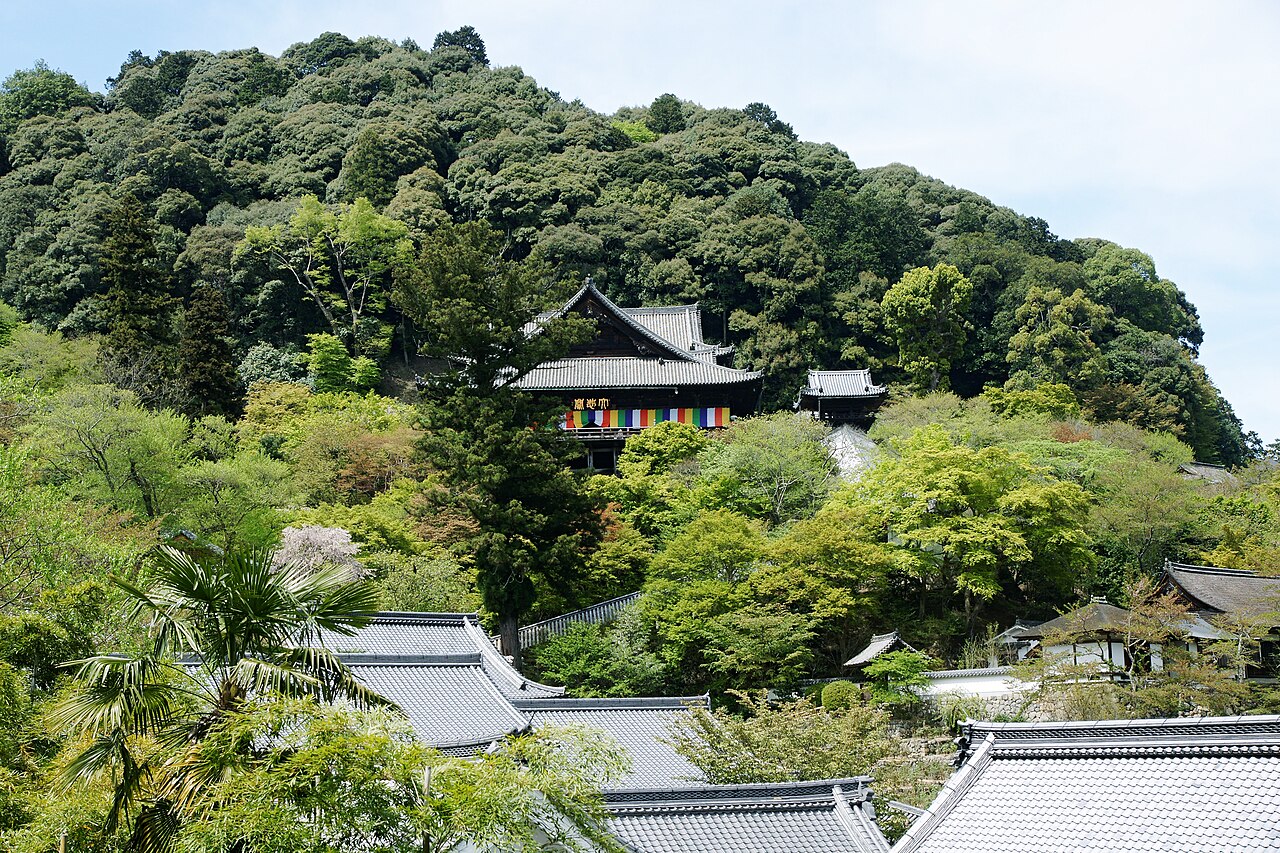
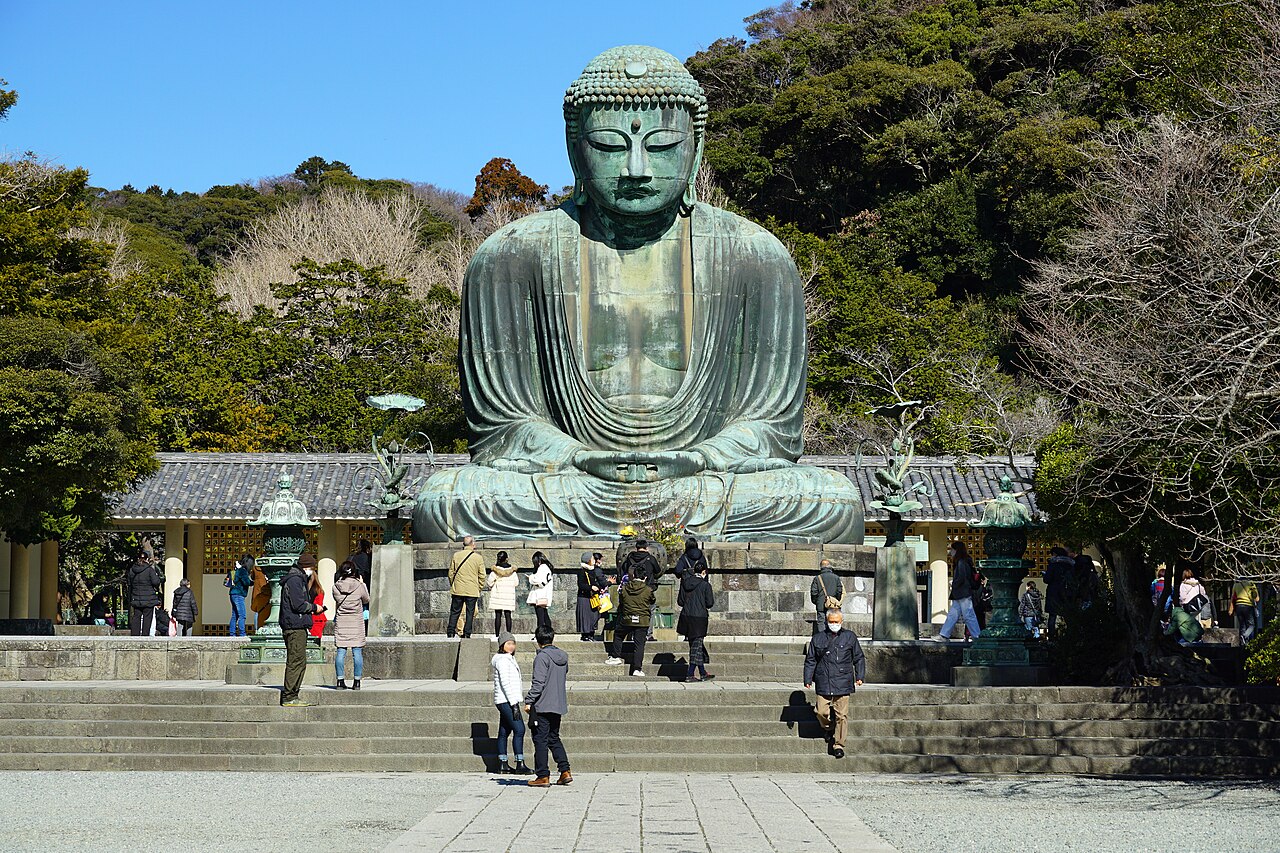
The district's fame rests above all on the Great Buddha, the Daibutsu of Kamakura, an eleven-and-a-half-metre bronze figure of Amida cast in the mid-13th century. Once housed in a great wooden hall, it has sat in the open air since the building was destroyed by storm and tsunami in the medieval period, and its calm, weathered face beneath the pines is one of the enduring images of Japan. A short walk away, Hase-dera climbs a hillside in a series of terraced gardens around a revered gilded statue of the eleven-headed Kannon; its grounds are famous for seasonal flowers, a small cave shrine, and a terrace with a sweeping view over the town and the bay.
Between these landmarks, the streets of Hase have the pleasant, slightly salty air of a seaside temple town. The main road from the station toward the temples is lined with souvenir shops, sweet stalls, cafes and casual restaurants serving shirasu rice bowls and other local fare, and the side lanes hide quieter spots. It is an easy, flat area to wander, and the presence of the Enoden - a charming old tram-like railway that rattles between houses and along the coast - gives it a nostalgic, unhurried character that many visitors find as memorable as the monuments.
What makes Hase especially rewarding is the combination of culture and coast in a single compact area. After visiting the Great Buddha and Hase-dera, you can walk a few minutes in the opposite direction to Yuigahama, a broad beach popular with surfers, families and, in summer, swimmers. On a clear day, particularly in the crisp air of winter, the view across Sagami Bay can include the distant cone of Mount Fuji, and sunsets here are justly loved. This pairing of ancient temple and open sea gives a Hase visit a satisfying rhythm.
The experience is easy for most travellers - the district is flat, though the temple grounds involve steps and Hase-dera climbs its hillside in stages. Mornings are best for the Great Buddha and Hase-dera before the crowds and coach tours arrive; afternoons and early evenings suit the beach. Because everything is close together, the area rewards a slow half-day rather than a rushed dash.
Getting there is part of the pleasure: from Kamakura Station take the Enoden line three short stops to Hase, a five-minute ride through the backstreets. From the station, Kotoku-in and Hase-dera are each within a five-to-ten-minute walk, and the beach lies just beyond. Treat Hase as a self-contained neighbourhood to explore on foot, combining its two great temples with a wander through its streets and a breath of sea air.
A local's tip
Hase is the perfect place to combine sightseeing with a coastal stroll - after the Great Buddha and Hase-dera, walk down to Yuigahama beach for sunset views of Mount Fuji across Sagami Bay on a clear winter's day.
Best time to visit
Morning before the Great Buddha crowds build
Getting there
Take the Enoden line three stops from Kamakura Station to Hase; the district's streets run from the station toward Hase-dera and Kotoku-in, with the beach a short walk the other way.
Good to know
- Wi-Fi
- Restrooms
Plan the whole trip offline
Hase District is one of many places in the Real Japan app — with turn-by-turn directions, nearby spots and full offline maps you can use with no signal.