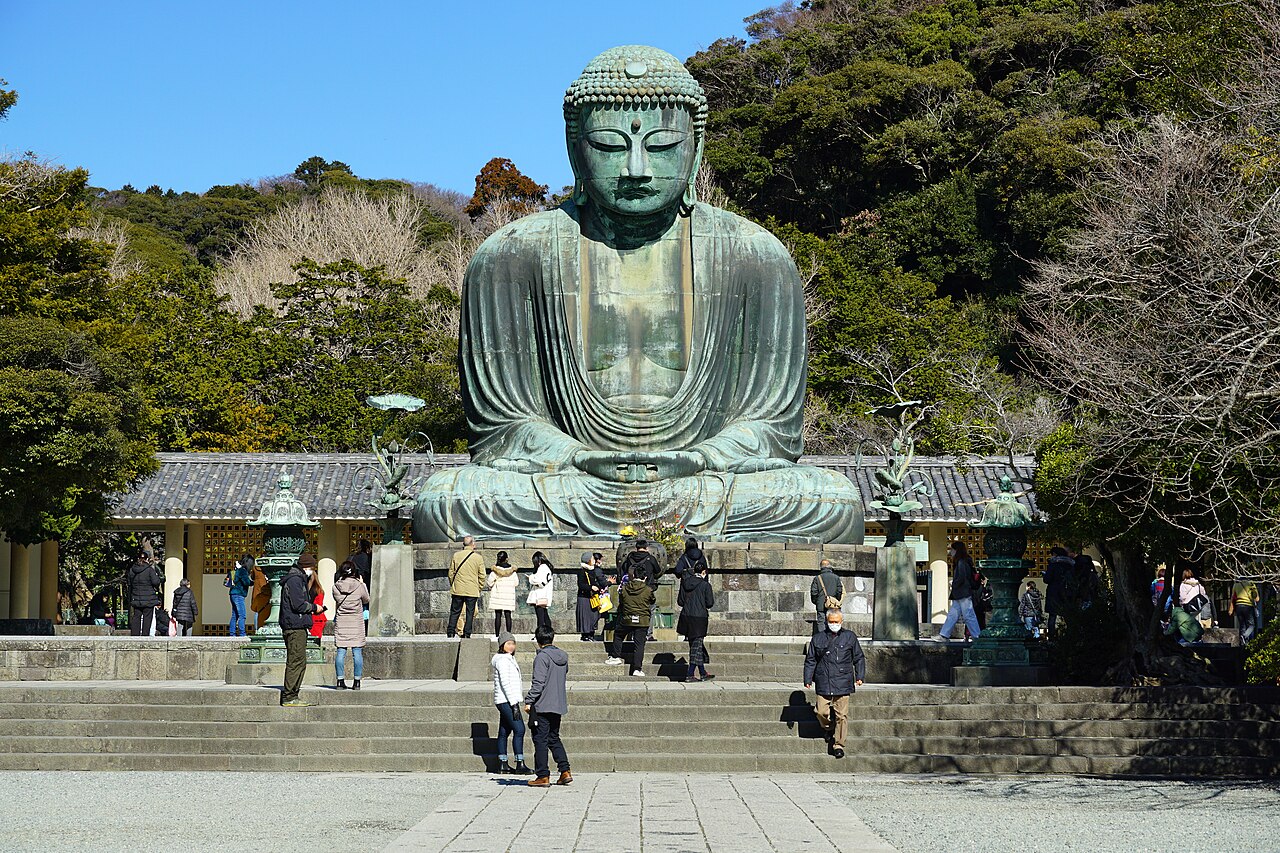
Kamakura's iconic 13.35m bronze Great Buddha, seated in the open air since 1252.
Kotoku-in is a Jodo-shu (Pure Land) Buddhist temple whose entire reputation rests on a single, staggering object: the Great Buddha of Kamakura, or Kamakura Daibutsu. Cast in bronze around 1252, during the Kamakura period that gives the city its name, the seated figure of Amida Buddha rises 13.35 metres including its base and weighs roughly 93 tonnes. It is a designated National Treasure and one of the twenty-two historic sites in Kamakura's ongoing bid for UNESCO World Heritage status.
What gives the statue its peculiar power is that it sits in the open air. A great wooden hall once enclosed it, but the building was destroyed by storms and finally swept away by a tsunami in 1498. Rather than rebuild, the temple left the Buddha exposed to the elements, and for more than five centuries it has meditated beneath the sky with the wooded hills of Kamakura behind it. The weathered green-bronze surface, the gently downcast eyes, and the sheer scale combine into one of the most recognisable images in all of Japan.
Visitors can walk right up to the base and, for a token 50 yen, step inside the hollow interior to see how the statue was assembled in stages from cast bronze plates, the seams and armatures still visible. Around the grounds stand a pair of enormous straw sandals (waraji) woven by schoolchildren, offered so the Buddha might walk the country and watch over its people. A famous inscription at the gate, quoted by the writer Rudyard Kipling, welcomes travellers of any creed to hallowed ground.
The temple has drawn pilgrims and sightseers for centuries, and its fame means it can grow crowded by mid-morning when tour buses arrive from Tokyo. Arriving at opening time rewards you with quiet, soft light, and space to photograph the figure without a crowd of heads in the frame. The grounds are compact and largely flat, with a gentle uphill approach from the gate, making a visit easy for most travellers; benches and shade let you linger.
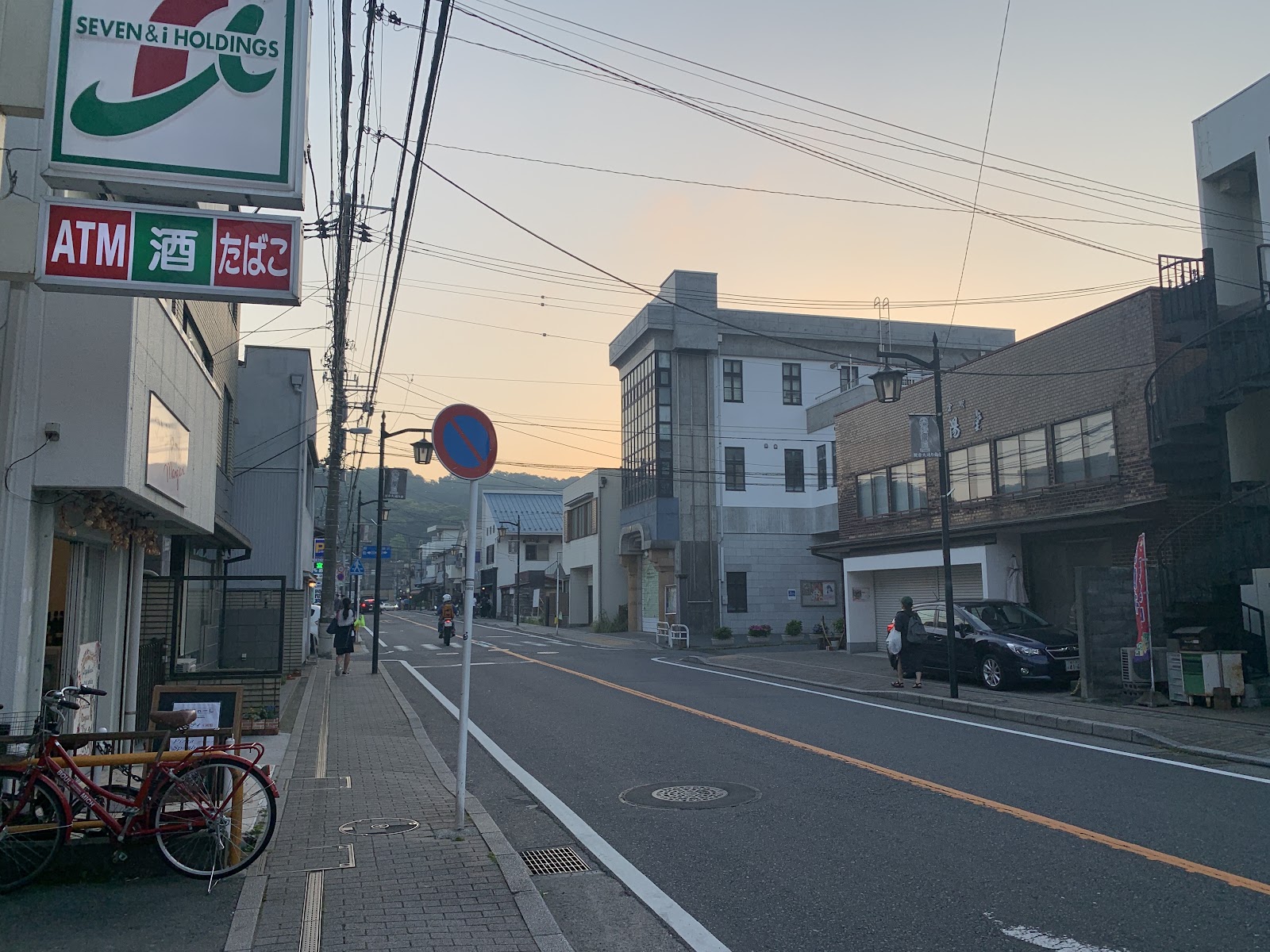
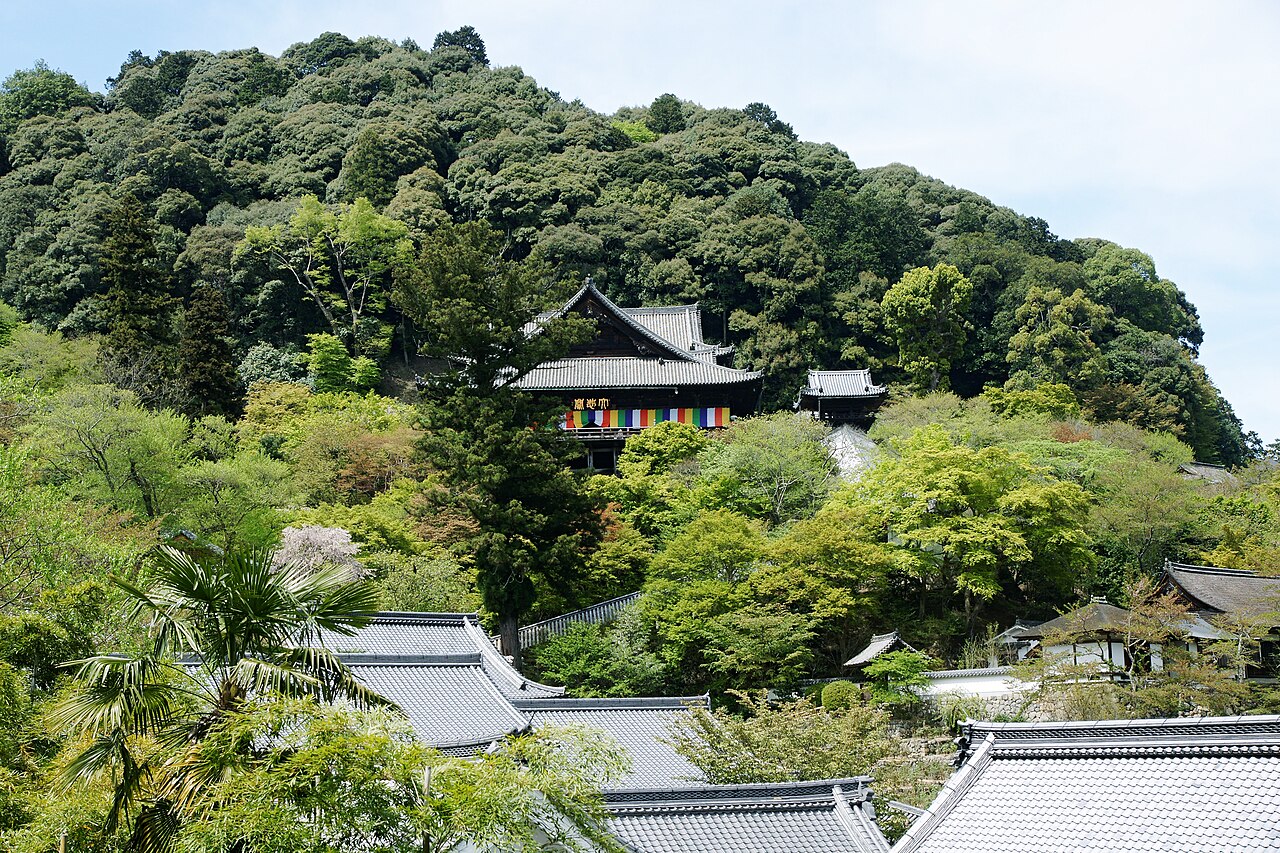
Spring brings cherry blossom to the surrounding trees, while November paints the maples in fiery reds and golds, both framing the dark bronze beautifully. Because Kotoku-in sits in the Hase district alongside Hase-dera, most visitors pair the two in a single morning. To get there, ride the JR Yokosuka Line to Kamakura Station, then transfer to the charming single-carriage Enoden tram line for three stops to Hase; from there it is an eight-minute walk uphill past souvenir shops and cafes. Allow around 45 minutes, or longer if you want to sit with the Buddha and let the extraordinary calm of the place settle over you before continuing to the rest of Kamakura's temple trail.
A local's tip
Pay the extra 50 yen to step inside the hollow bronze statue and see the 13th-century casting seams from within.
Best time to visit
Early morning, before tour buses
Getting there
Take the JR Yokosuka Line to Kamakura, transfer to the Enoden and ride three stops to Hase, then walk about 8 minutes uphill.
Good to know
- Gift Shop
- Restrooms
Plan the whole trip offline
Kotoku-in (Great Buddha of Kamakura) is one of many places in the Real Japan app — with turn-by-turn directions, nearby spots and full offline maps you can use with no signal.