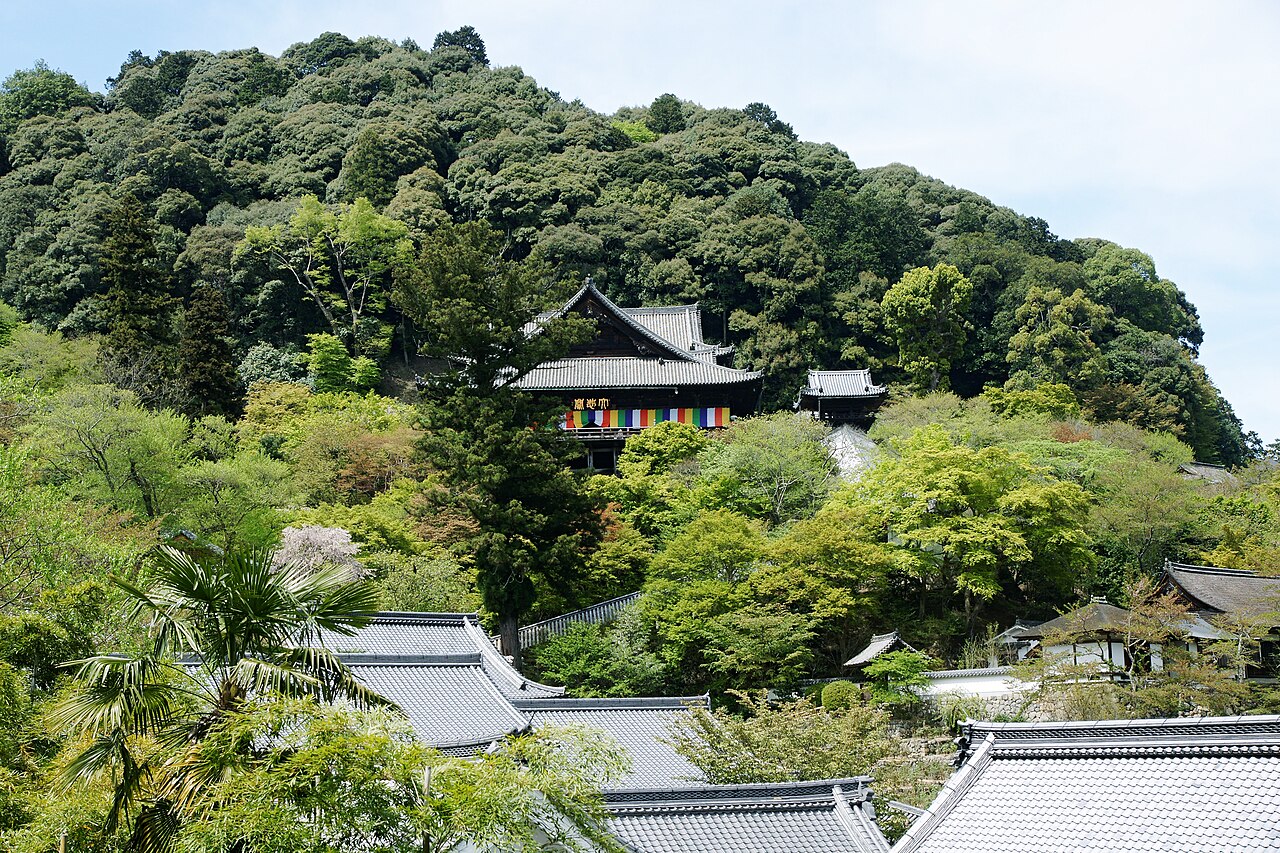
Hillside temple famed for a giant golden Kannon, June hydrangeas and bay views.
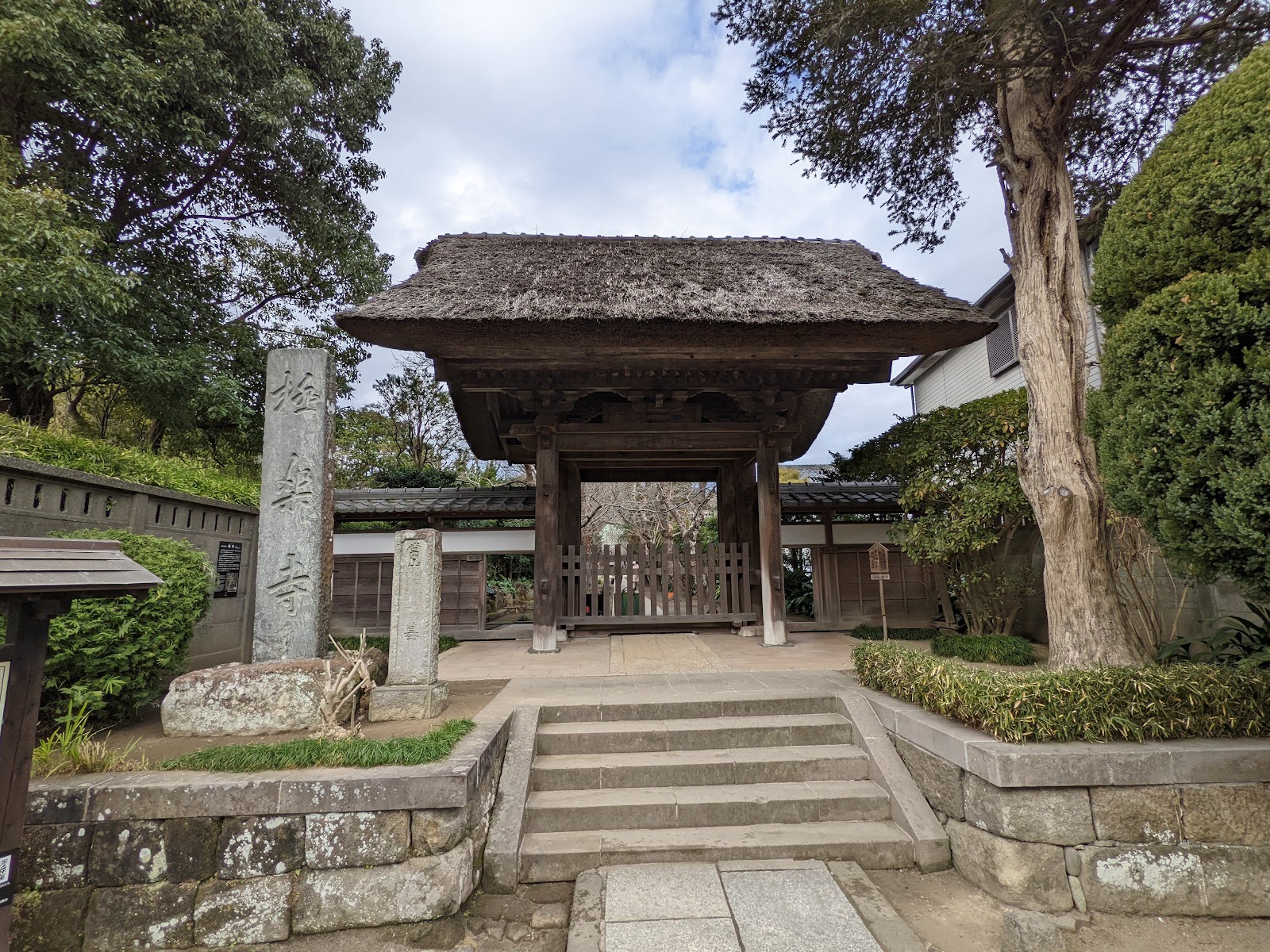
Hase-dera, formally Kaikozan Jishoin Hase-dera, is one of Kamakura's most atmospheric temples, built into a wooded hillside in the Hase district just a few minutes from the Great Buddha. Its origins are wrapped in legend: the temple claims that its principal image, a towering eleven-headed Kannon, was carved in the 8th century from the same camphor log as a twin statue enshrined at the older Hase-dera near Nara, then set adrift in the sea and washed ashore near Kamakura. Whatever the truth, the gilded wooden Kannon that stands over nine metres tall in the main hall is genuinely awe-inspiring and ranks among the largest wooden statues in Japan.
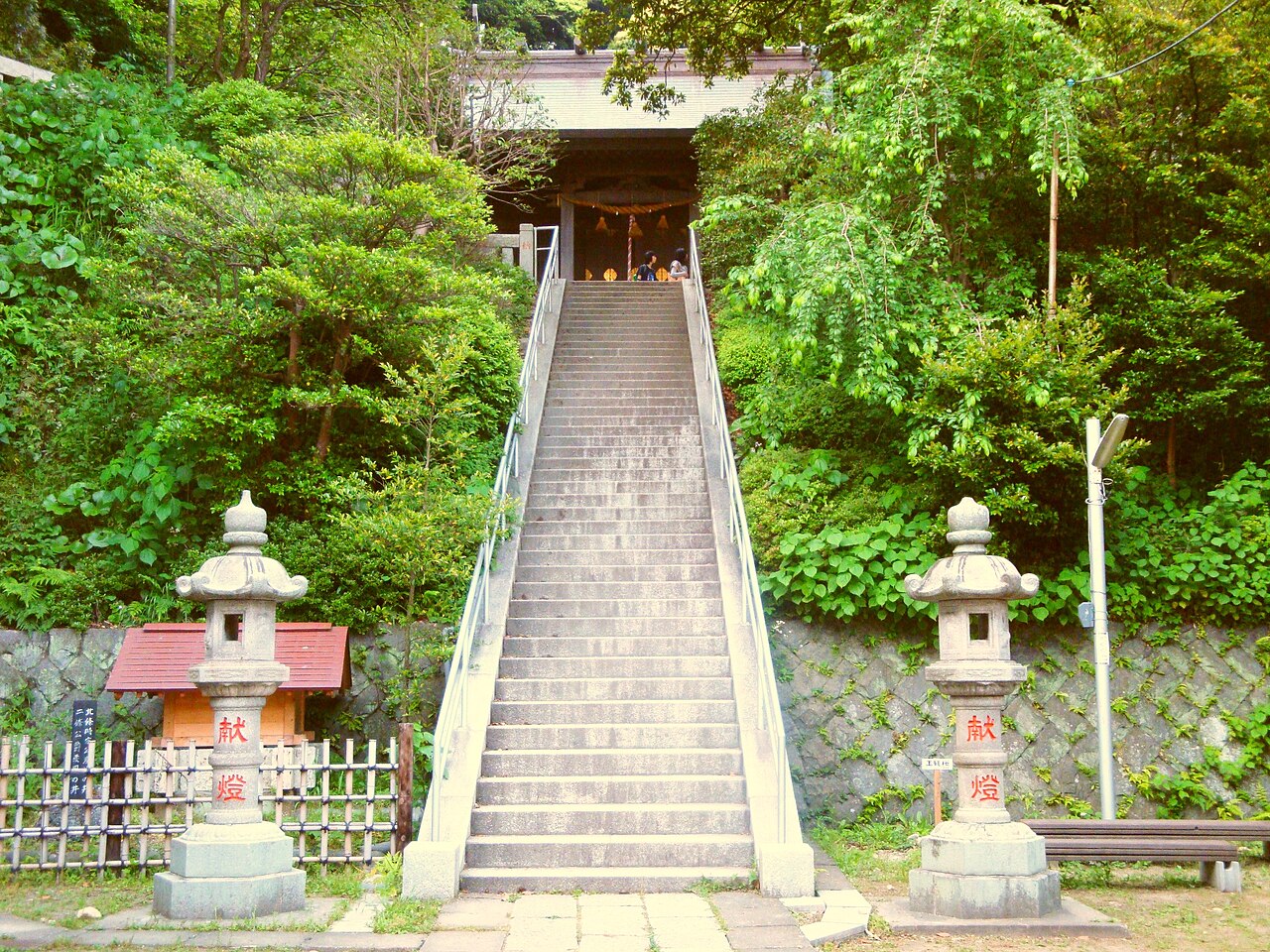
The temple is arranged over several levels connected by stone stairways and gardens. At the entrance, a tranquil pond garden with koi and seasonal flowers sets the tone. Climbing the steps, you reach the main hall (Kannon-do) and the Amida-do, then a terrace that opens onto one of the finest coastal panoramas in Kamakura, looking out over the tiled temple roofs to the town and the blue sweep of Sagami Bay. A small cafe on the terrace lets you take in the view over matcha and sweets.
Hase-dera is perhaps best loved for its flowers. In June the hillside path, known as the ajisai-michi, blazes with thousands of hydrangeas in blue, purple, pink and white, and a timed-entry system is used to manage the crowds that come specifically for them. Autumn brings brilliant maple colour, and during select evenings in November the grounds are illuminated after dark, the reds and golds glowing against the night. Throughout the year the temple grounds are dotted with rows of small Jizo statues, guardians of children and travellers, many dressed in red bibs and knitted caps left by visitors.
A short cave, the Benten-kutsu, tunnels into the hillside near the entrance; inside, candle-lit carvings of Benzaiten and her attendants are cut directly into the rock, and the low, damp passage adds a note of mystery. Above the main hall, a further path climbs to a quiet viewpoint and a small prospect over the whole town, well worth the extra few minutes of steps.
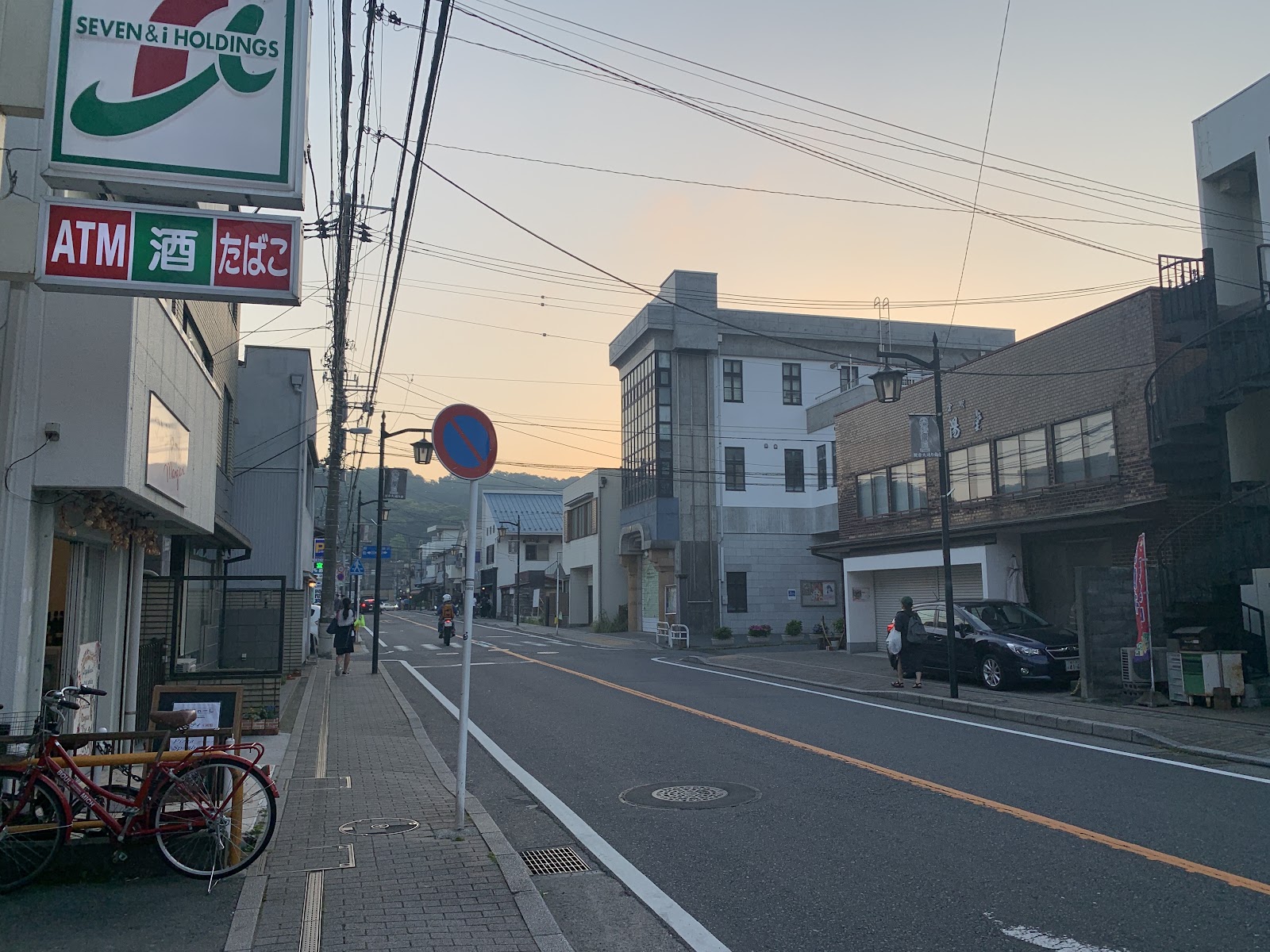
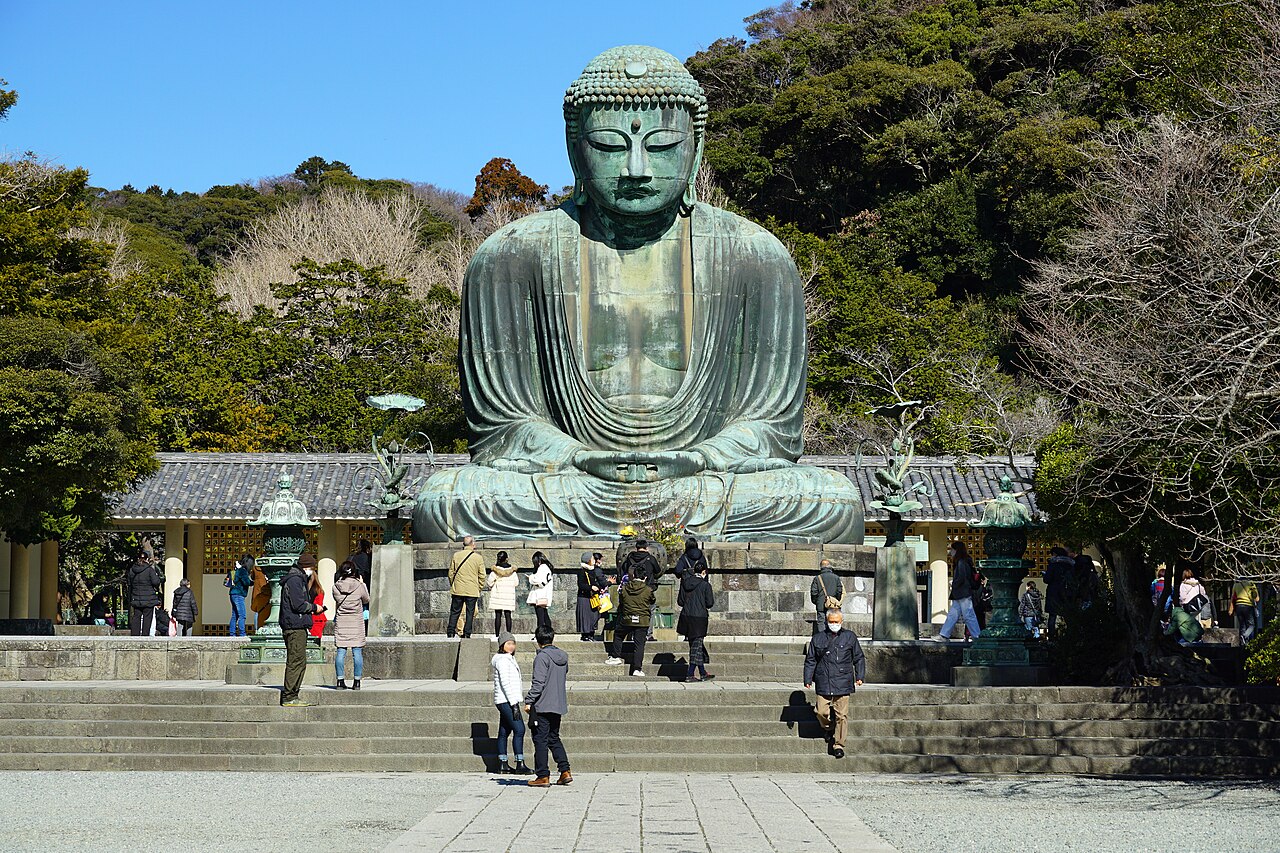
The temple is easy to reach and combine with Kotoku-in: from Kamakura Station, ride the single-car Enoden tram three stops to Hase, then walk about five minutes. The site involves several flights of stairs, so comfortable shoes help, though the lower gardens are enjoyable even for those who prefer to skip the climb. Allow around an hour, more in hydrangea season when queues form and the hillside path is best savoured slowly. Together with the Great Buddha next door, Hase-dera makes the seaside Hase district an essential half-day of any Kamakura visit, blending great art, working devotion, gardens and one of the region's loveliest sea views.
A local's tip
Climb the hillside path above the main hall for a sweeping viewpoint over Kamakura and Sagami Bay.
Best time to visit
June for hydrangeas; late autumn for illuminated maples
Getting there
From Kamakura Station take the Enoden three stops to Hase, then walk about 5 minutes.
Good to know
- Cafe
- Gift Shop
- Restrooms
Plan the whole trip offline
Hase-dera is one of many places in the Real Japan app — with turn-by-turn directions, nearby spots and full offline maps you can use with no signal.