Restored Meiji-era townhouses recreating daily life in old Hakata, with live weaving and festival displays.
The Hakata Machiya Folk Museum offers an intimate, human-scaled window into the daily life of old Hakata, the merchant half of Fukuoka whose narrow lanes, festivals and crafts long defined the city's character. While the grand city and prefectural museums tell sweeping stories of art and diplomacy, this small complex focuses on the ordinary: how townspeople lived, worked, celebrated and made things in the late nineteenth and early twentieth centuries.
The museum is built around restored machiya, traditional wooden townhouses, the most important of which is a genuine Meiji-era row house relocated and preserved here. Stepping inside, you find the tight, ingenious layout of a merchant home and workshop, with tatami rooms, a shop front, and the smoke-darkened beams and earthen passages typical of the era. The buildings themselves are exhibits, showing construction techniques and the compact living arrangements of a busy commercial district.
Inside the main exhibition hall, displays and models recreate the sights and sounds of old Hakata, from street scenes to the rhythms of the year. Pride of place goes to the city's living traditions, above all the Hakata Gion Yamakasa festival, the fierce July event in which teams race enormous decorated floats through the streets, and the elegant Dontaku spring festival. Videos, models and artefacts explain these celebrations that still bring the neighbourhood to life each year.
One of the museum's most engaging features is its programme of live craft demonstrations. On a traditional wooden loom, artisans weave Hakata-ori, the prized local silk textile known for its firm, ribbed weave, and depending on the day you may also see makers of Hakata dolls, spinning tops or other regional crafts at work. Many crafts can be tried hands-on or bought in the gift shop, making this a good stop for travellers who want to take home something genuinely local rather than mass-produced.
The museum is compact, so most visitors spend around 45 minutes, and admission is inexpensive. Because the older wooden buildings involve steps and tight spaces, accessibility is partial, though the main hall is easier to navigate; signage mixes Japanese and English. Staff are welcoming and often happy to explain the crafts.
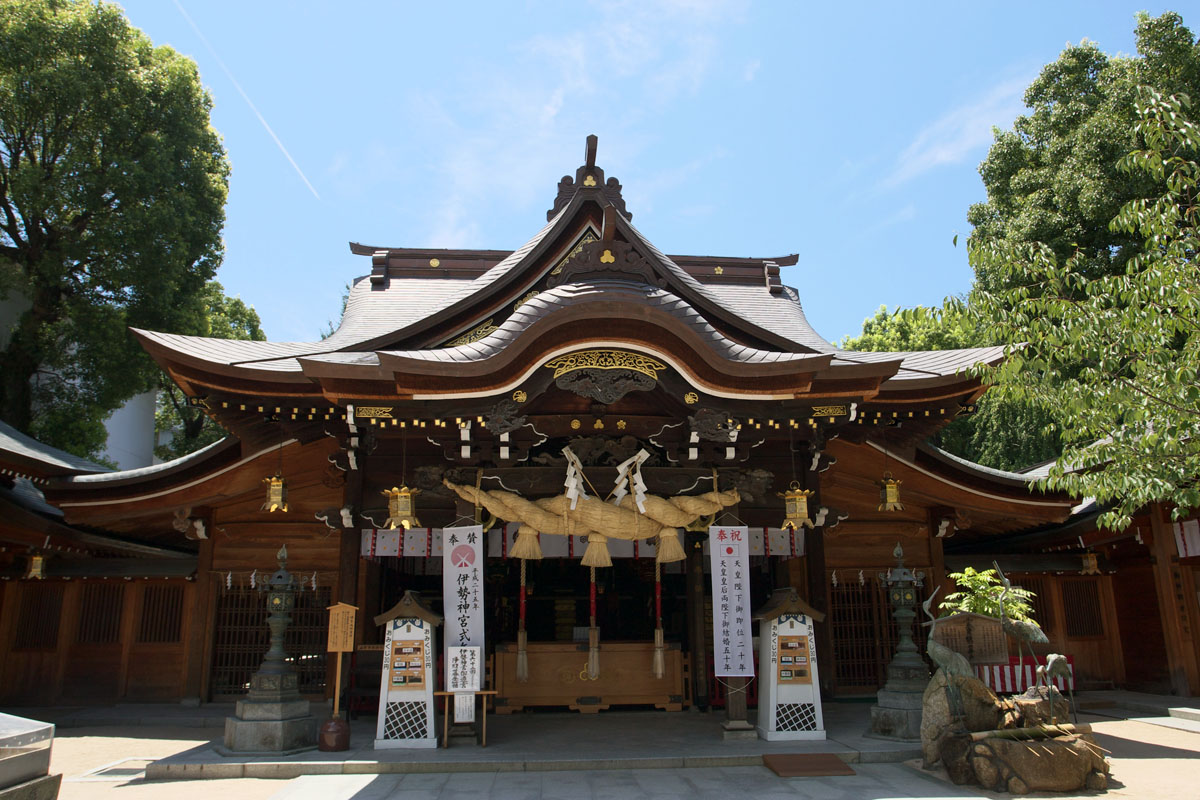
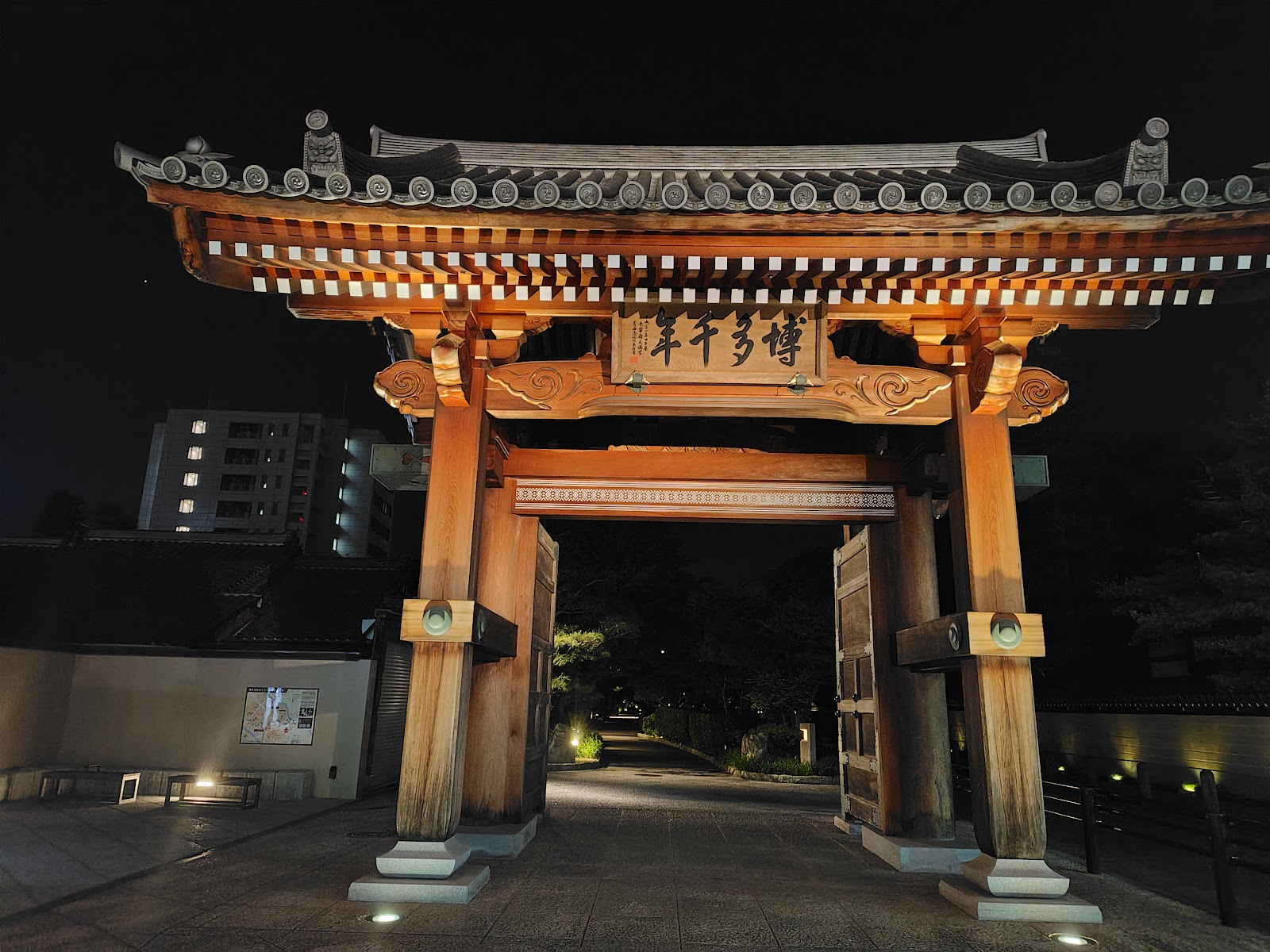
What makes the location perfect is its setting directly across from Kushida Shrine, the guardian shrine of Hakata and the spiritual home of the Yamakasa festival, where one of the giant kazariyama floats is kept on display year-round. Combining the two takes little more than an hour and gives a rounded picture of old Hakata's faith, festivals and daily craft. The surrounding Reisen and Kamikawabata area also holds the Kawabata shopping arcade and several historic temples, so the museum slots neatly into a walking tour of the old town.
Getting there is easy: Gion Station on the Kuko subway line is a five-minute walk away, and Hakata Station, the city's main rail hub, is only about 15 minutes on foot. IC cards work on all transit, and the flat streets of central Hakata make the short walk simple for everyone.
A local's tip
Watch the live Hakata-ori weaving demonstration on the old wooden loom, then cross the street to Kushida Shrine to see the towering Yamakasa festival float on display.
Best time to visit
Combine with a Kushida Shrine visit
Getting there
From Gion Station on the Kuko subway line it is a 5-minute walk; the museum faces the Kushida Shrine in the old Hakata district. From Hakata Station it is about a 15-minute walk or a short bus ride.
Good to know
- Wi-Fi
- Gift shop
- Restrooms
- Wheelchair
- English signage
Plan the whole trip offline
Hakata Machiya Folk Museum is one of many places in the Real Japan app — with turn-by-turn directions, nearby spots and full offline maps you can use with no signal.