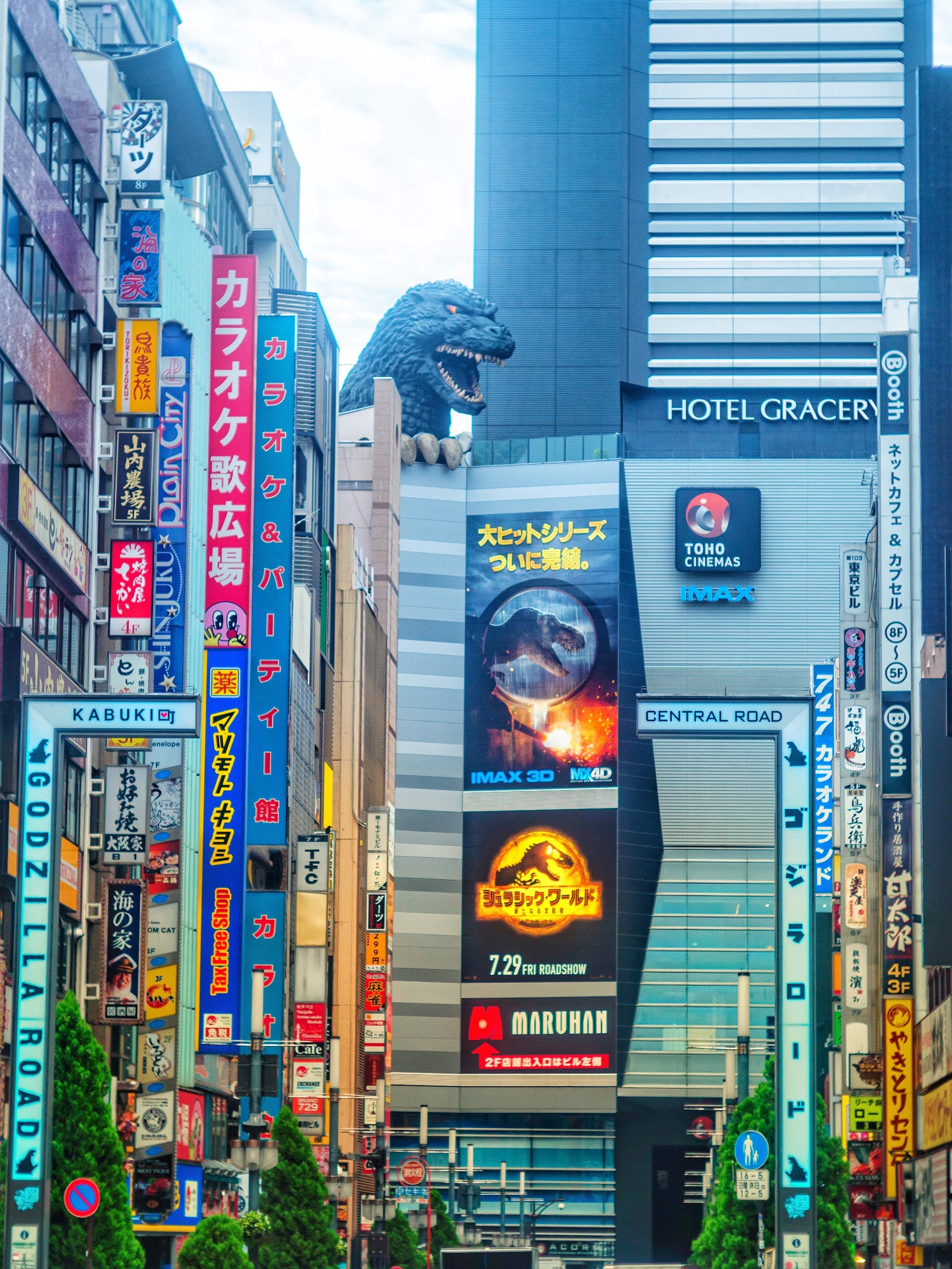
A life-sized Godzilla head roaring over Kabukicho from the Toho Building - Shinjuku's kaiju landmark.
The Godzilla Head is one of Shinjuku's most distinctive modern landmarks: a life-sized sculpture of the head of Godzilla, the world-famous giant monster (kaiju) born from Toho Studios' 1954 film, peering down over the neon chaos of the Kabukicho entertainment district. Installed in April 2015 on the eighth-floor terrace of the Shinjuku Toho Building - fittingly, since Toho created and still owns Godzilla - the head rises to a height that from the street makes it look as though the monster is climbing the building, a witty nod to the creature's habit of laying waste to Tokyo on screen.
The sculpture is modelled at 1:1 scale on the Godzilla of the 'Shin Godzilla' era and stands roughly 12 metres tall from chin to crest, meaning its overall height above street level - counting the building - is far greater. The road running past it has been informally renamed 'Godzilla Road,' and it has become a magnet for fans of the franchise and casual passers-by alike. During the day it is an eye-catching photo opportunity; the real show, however, comes on a schedule.
At set times through the day and into the evening, the head performs: it emits smoke and, in the after-dark shows, its eyes glow and it lets out a signature roar accompanied by lighting effects. Catching one of these hourly performances is the highlight, and they are best appreciated after nightfall when the glowing eyes and the surrounding neon of Kabukicho combine for maximum atmosphere. The performances are free to watch from the street below, so there is no need to pay for anything to enjoy the spectacle - simply stand on Godzilla Road and look up.
For a closer encounter, the head sits on the terrace of Hotel Gracery Shinjuku, which occupies part of the Toho Building. Guests of the hotel, and at times patrons of its eighth-floor cafe, can step out onto the 'Godzilla View Terrace' and stand almost eye-to-eye with the monster. Some hotel rooms even face the head directly, a novelty that draws Godzilla fans to book specifically for the view. Access to the terrace itself is generally tied to a hotel stay or cafe purchase, but this is entirely optional given the free street-level view.
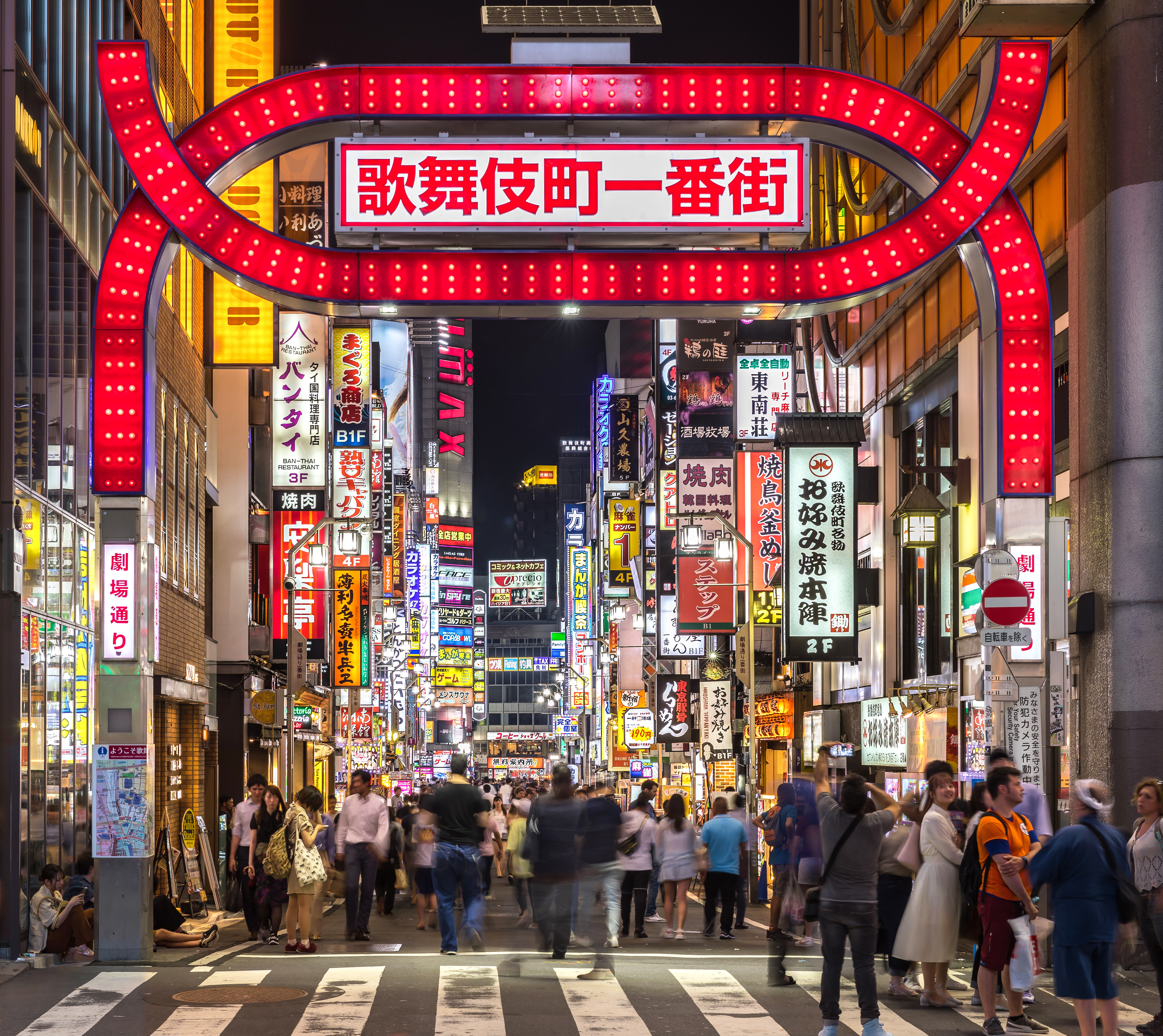
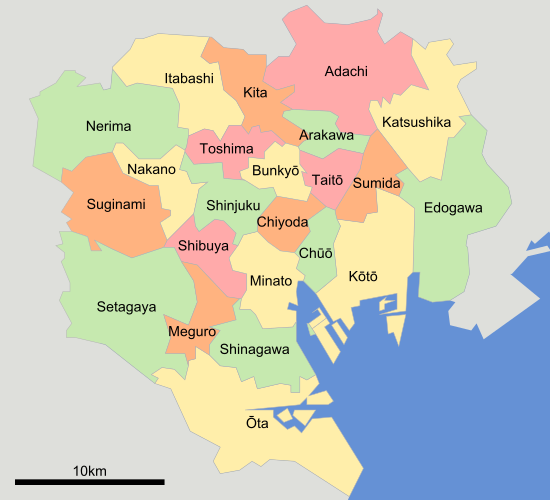
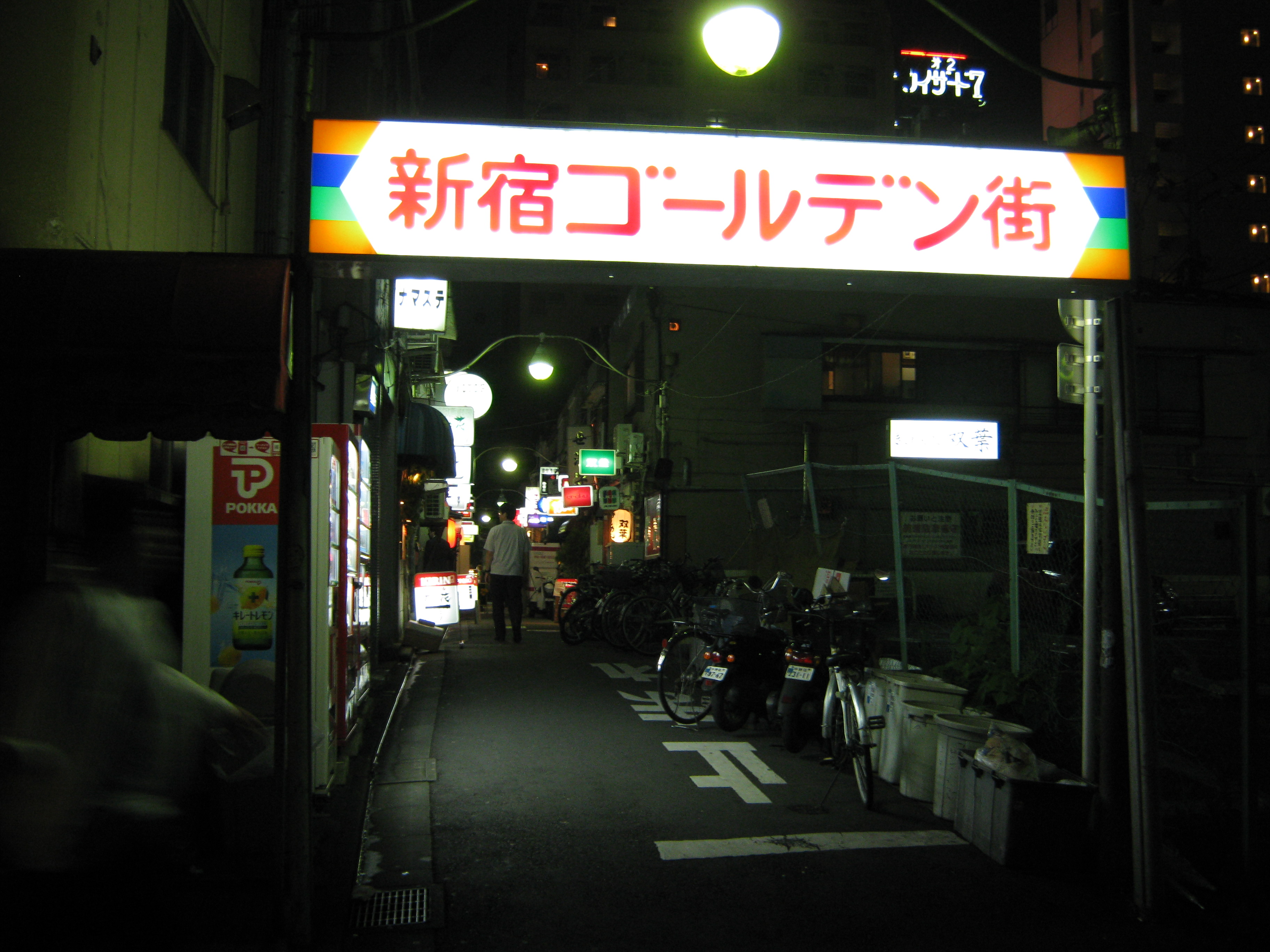
The head sits in the thick of Kabukicho, Tokyo's most famous nightlife and entertainment quarter, a dense grid of restaurants, bars, arcades, cinemas and neon signage. This makes the Godzilla Head an ideal, no-cost anchor for an evening of exploring the district - see the roar show, then dive into the surrounding streets for food and atmosphere. The area is lively and generally safe for tourists, though as with any nightlife district it pays to be aware of aggressive touts and to keep to the busier streets.
Getting there is easy from Shinjuku Station, the busiest railway station in the world, served by the JR Yamanote and Chuo lines - both Japan Rail Pass eligible - along with numerous subway and private lines. From the East Exit it is a walk of roughly seven minutes north into Kabukicho; once you are in the district, just look up and follow the crowds. A quick, free and thoroughly fun stop that captures Tokyo's playful relationship with its most famous monster.
A local's tip
Time your visit to the hourly Godzilla 'roar and light' performance after dark - the head emits smoke, glows and roars - and view it free from the street below rather than paying for the terrace.
Best time to visit
After dark, when the head roars and its eyes glow on the hour
Getting there
From Shinjuku Station's East Exit, walk about 7 minutes north into the Kabukicho entertainment district. The Godzilla head sits atop the Shinjuku Toho Building; look up from Godzilla Road, or access the 8th-floor terrace via Hotel Gracery.
Good to know
- Cafe
- Wi-Fi
- Nightlife
- Restrooms
Plan the whole trip offline
Godzilla Head Shinjuku is one of many places in the Real Japan app — with turn-by-turn directions, nearby spots and full offline maps you can use with no signal.