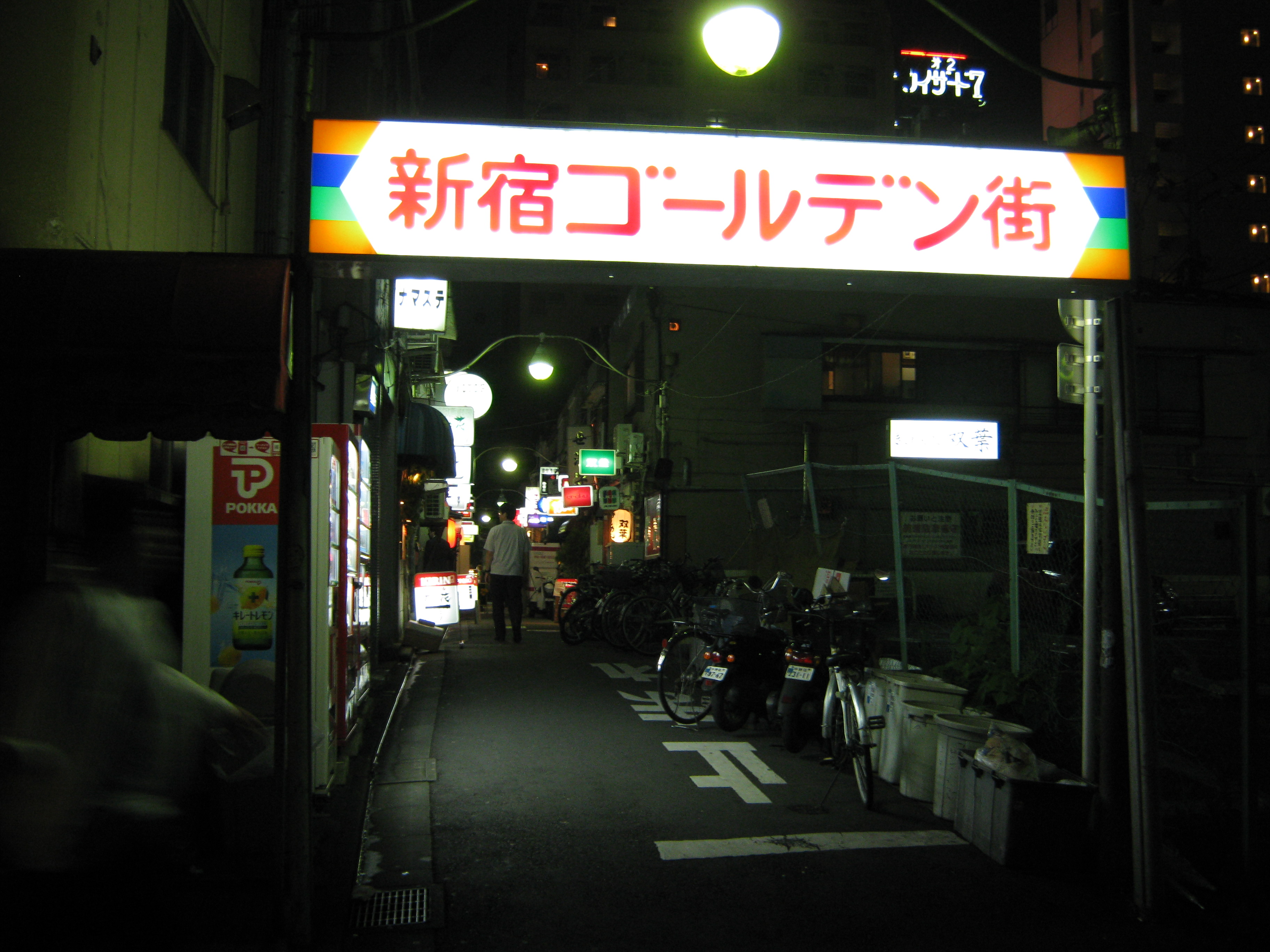
A warren of six tiny alleys in Shinjuku packed with over 200 minuscule, characterful bars, each seating just a handful of drinkers.
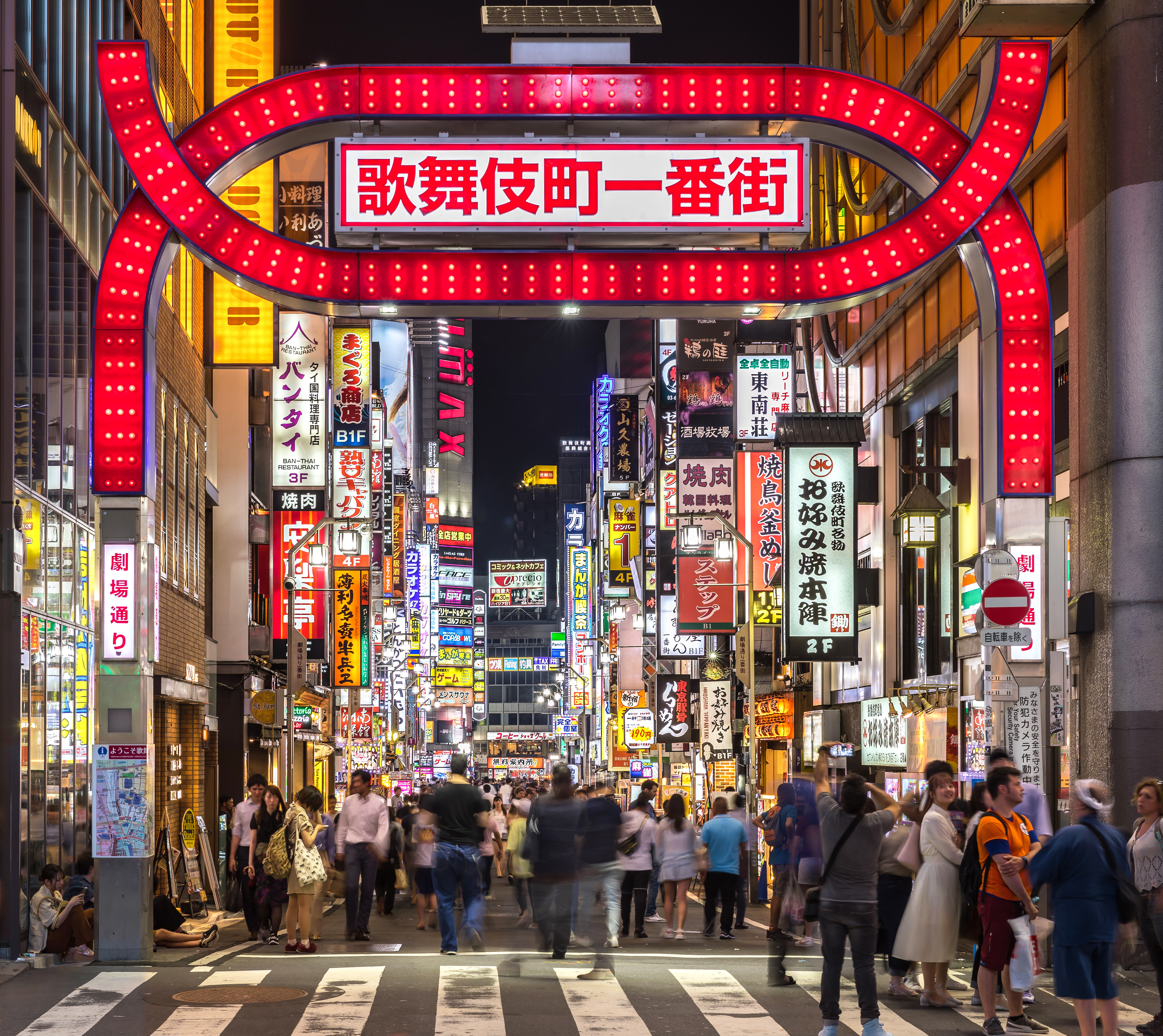
Shinjuku Golden Gai is a tiny, tangled district of six narrow alleys, hidden in plain sight on the edge of the neon chaos of Kabukicho, that offers one of Tokyo's most intimate and characterful drinking experiences. Crammed into an area barely larger than a football pitch are more than 200 minuscule bars, clubs and eateries, many seating only five or six people at a single counter, connected by passageways so narrow that two people must turn sideways to pass.
The area is a rare survivor of old Tokyo. It escaped the wave of postwar redevelopment and the bubble-era demolitions that flattened so much of the city, and its low, ramshackle two-storey buildings preserve the atmosphere of the Showa-era Shinjuku of the 1950s and 60s, when the district grew out of a black market and a red-light quarter. Today it is celebrated as a bastion of bohemian Tokyo, long favoured by writers, artists, musicians, filmmakers and journalists, and the fierce individuality of its owners means no two bars are alike.
Each bar is a tiny world with its own theme and personality. One might be devoted to punk records, another to 1960s French cinema, jazz, horror movies, professional wrestling or a single obscure whisky collection. The owner-bartenders are often characters in their own right, and squeezing onto a stool for a highball or a glass of shochu is as much about the conversation as the drink. Because space is so precious, most bars levy a small seat charge, or otoshi, of a few hundred yen, often accompanied by a token snack, on top of the price of your drinks.
Golden Gai has a reputation for being unwelcoming to outsiders, and it is true that some establishments are effectively members-only or cater strictly to regulars. In practice, a growing number of bars now display English signs, menus and welcome notices, and these are perfectly friendly to first-time and foreign visitors. The etiquette is simple: this is not a place to nurse one drink for hours, but to have a drink or two, appreciate the space, then move on and try another bar, gradually building your own crawl through the alleys.
The district comes alive late. Before around 21:00 many shutters are still down, but from mid-evening into the small hours the lanes glow with paper lanterns and hand-painted signs, and the atmosphere is convivial and buzzing without the aggressive touting of neighbouring Kabukicho. Photographers love the retro tangle of signage, though owners understandably ask that you do not photograph inside their bars without permission.
Golden Gai is free to wander even if you do not drink, and simply strolling its lanes to soak up the atmosphere is worthwhile. It sits a short walk from the east exit of Shinjuku Station, on the JR Yamanote Line and covered by the Japan Rail Pass, and close to Shinjuku-sanchome subway station. Come after dark, bring cash as many tiny bars do not take cards, look for the welcoming signs, and give yourself over to one of the last authentic pockets of old, offbeat Tokyo.
A local's tip
Many bars charge a table charge (otoshi) of several hundred yen on top of drinks, and some are members-only or Japanese-speaking; look for bars with English menus or welcome signs on the door if it is your first visit. One or two drinks per bar and moving on is the local way to explore.
Best time to visit
Late evening, from around 21:00 when the bars fill up
Getting there
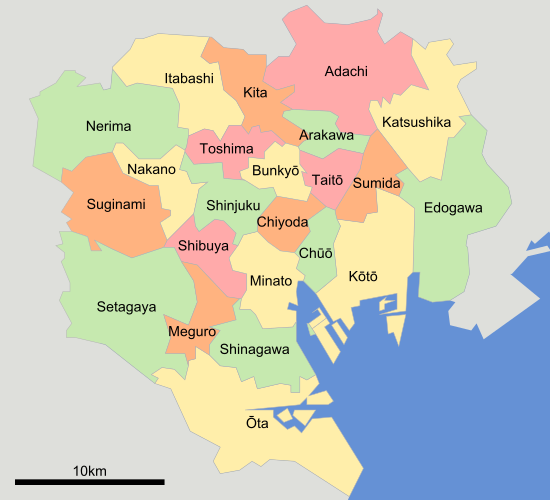
A five-minute walk from the east side of Shinjuku Station or three minutes from Shinjuku-sanchome Station. It sits just east of the Kabukicho entertainment district, behind the Hanazono Shrine.
Good to know
- Wi-Fi
- Restrooms
Plan the whole trip offline
Shinjuku Golden Gai is one of many places in the Real Japan app — with turn-by-turn directions, nearby spots and full offline maps you can use with no signal.