A smoky, lantern-lit warren of tiny yakitori and izakaya stalls beside Shinjuku Station, a surviving slice of postwar Showa-era Tokyo.
Omoide Yokocho, which translates poetically as Memory Lane, is a cramped, smoky, lantern-hung cluster of tiny eateries pressed against the railway tracks on the west side of Shinjuku Station. Once known by the earthier nickname Piss Alley, a legacy of its rough postwar origins, it has become one of Tokyo's most atmospheric places to eat and drink, a densely packed survivor of the Showa era that transports visitors straight back to the 1950s.
The alley took shape in the chaotic years after the Second World War as an illegal drinking and eating quarter beside the station. Dozens of minuscule stalls, many seating only six or seven customers at a narrow counter, still line its two or three interconnecting lanes. Red lanterns, hand-painted signs, tangles of overhead cables and the constant rumble of passing trains create a cinematic, almost theatrical sense of old Tokyo that has all but disappeared elsewhere in the modern city.
Food here is unpretentious, cheap and delicious. The speciality is yakitori, skewers of chicken grilled over charcoal, but the alley built its reputation on motsu, grilled and stewed offal, once a cheap source of protein for postwar workers and now a beloved delicacy. Sizzling skewers of liver, heart and gizzard sit alongside bowls of steaming ramen, oden simmering in broth, plates of gyoza and cheap, cold beer and shochu. The clouds of fragrant charcoal smoke that fill the lane are part of the experience, and you will leave smelling of the grill.
Eating here is intimate and social. With counters seating only a handful of people, you will find yourself elbow to elbow with office workers unwinding after work, curious travellers and old regulars, and the tight quarters make conversation almost unavoidable. Many stalls levy a small seat or cover charge, and cash is king, so carry coins and small notes. A survivor of a devastating fire and repeated waves of redevelopment pressure, the alley has been lovingly preserved, and a growing number of stalls now welcome foreign visitors with English menus and picture boards.
The atmosphere is at its best in the early evening as dusk falls, the lanterns glow and the grills fire up, filling the narrow lanes with smoke and chatter. Weekends and Friday nights are busy and the tiny stalls fill quickly, so arriving before the after-work rush around 18:00 gives you the best chance of a seat. It is a place to graze and drink rather than settle in for a long meal, ideally trying a few skewers and a drink at one stall before moving to another.
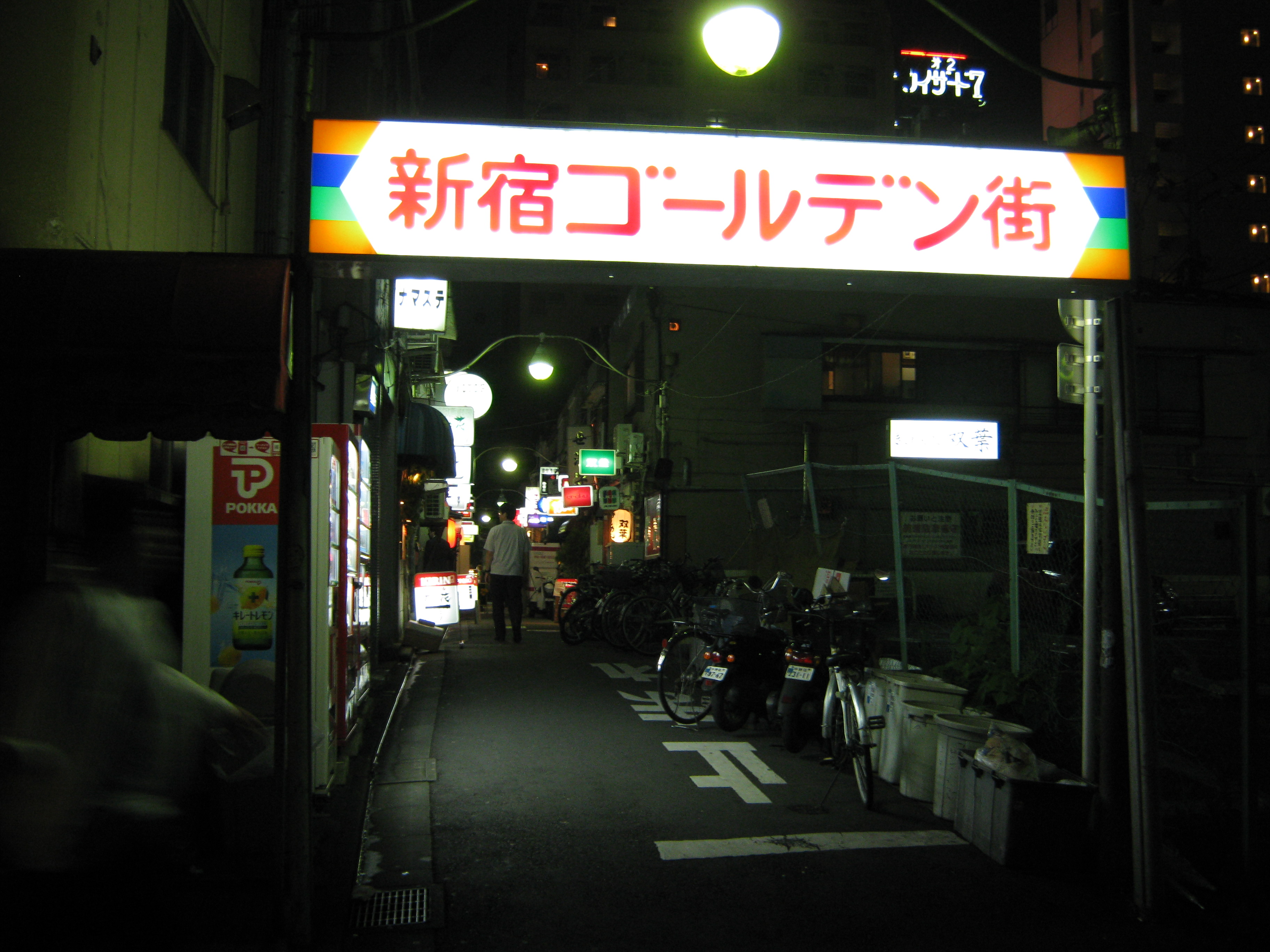
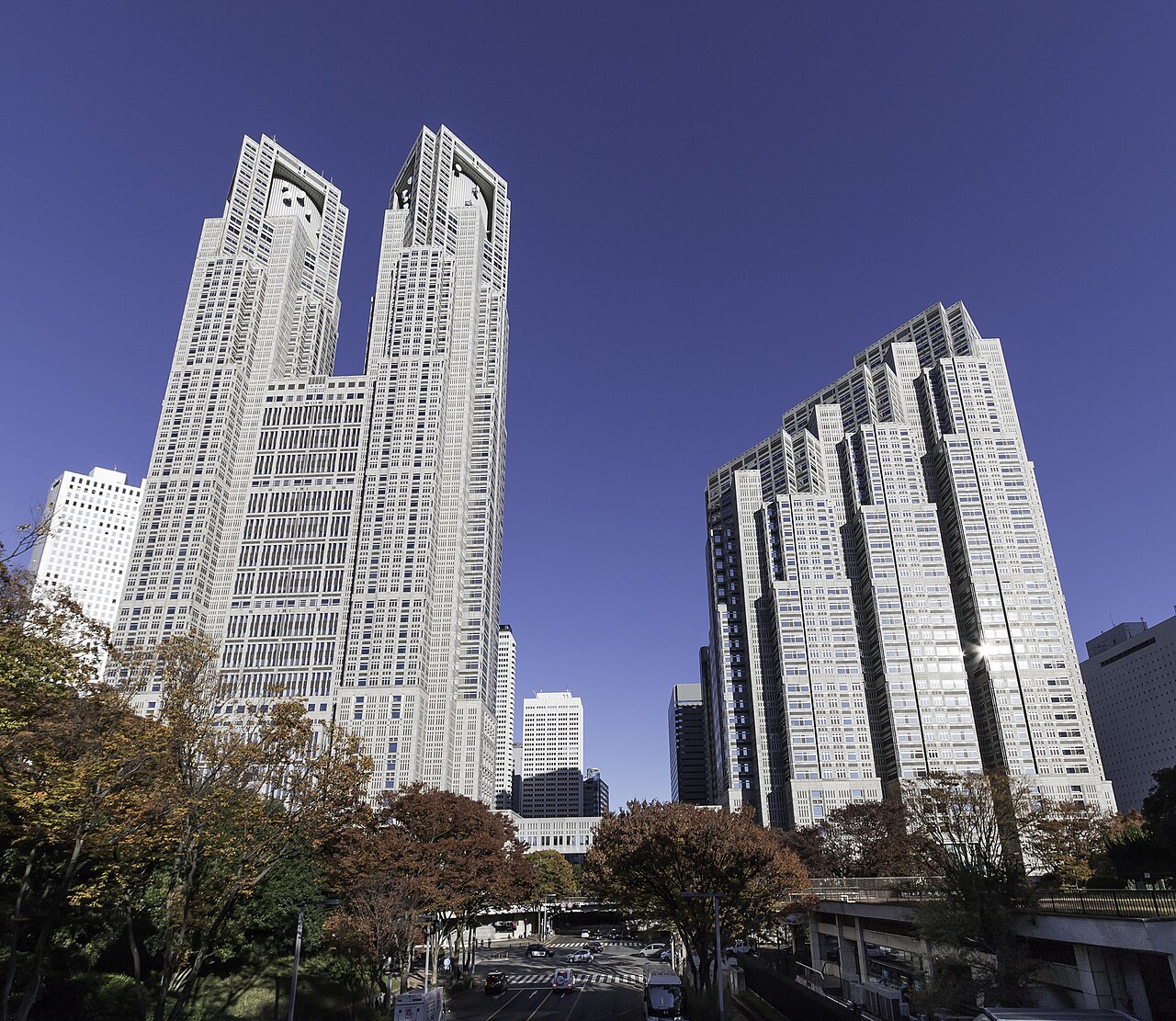
Omoide Yokocho is free to wander and photograph, and its location could hardly be more convenient, a two-minute walk from the west exit of Shinjuku Station, the busiest railway station in the world and a stop on the JR Yamanote Line covered by the Japan Rail Pass. Combine it with a stroll to the nearby Tokyo Metropolitan Government Building observation decks or an onward drink in Golden Gai for a full evening in Shinjuku. Come hungry, bring cash, and step into one of the last authentic corners of postwar Tokyo.
A local's tip
Seats are tiny and smoke from the charcoal grills clings to clothes, part of the charm but worth knowing. Many stalls have a small cover charge and seat only a handful of people, so go early or expect to wait, and try the grilled offal (motsu) skewers that made the alley famous.
Best time to visit
Early evening, from around 18:00, when the yakitori grills fire up
Getting there
A two-minute walk from the west exit of Shinjuku Station, tucked between the station tracks and Yasukuni-dori just north of the main west-exit crossing. Look for the small illuminated Omoide Yokocho gate.
Good to know
- Wi-Fi
- Restrooms
Plan the whole trip offline
Omoide Yokocho (Memory Lane) is one of many places in the Real Japan app — with turn-by-turn directions, nearby spots and full offline maps you can use with no signal.