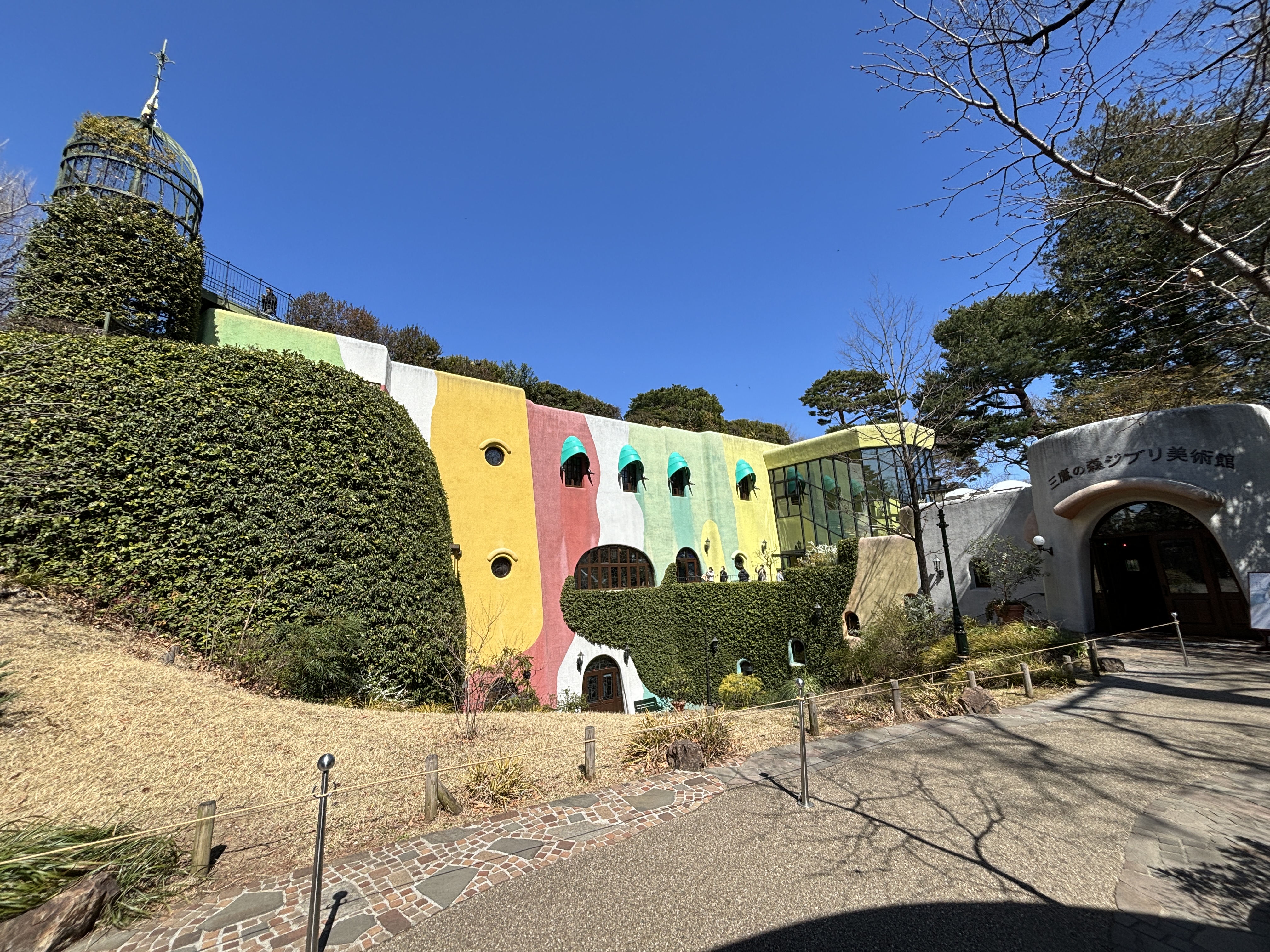
Hayao Miyazaki's whimsical museum of Studio Ghibli, with an exclusive short film, a life-size Catbus and a rooftop robot.
The Ghibli Museum in Mitaka is a place where the enchanted worlds of Hayao Miyazaki and Studio Ghibli step off the screen and into three dimensions. Designed by Miyazaki himself and opened in 2001, it is not a conventional museum so much as an immersive storybook building, a labyrinth of spiral staircases, stained-glass windows, secret balconies and hand-painted ceilings that captures the warmth, curiosity and craft at the heart of films like My Neighbor Totoro, Spirited Away and Howl's Moving Castle. For fans of any age it is a bucket-list experience, and even those new to Ghibli fall under its spell.
The museum deliberately has no fixed route; Miyazaki wanted visitors to wander and lose themselves as they would in one of his stories. On the ground floor, the Where a Film is Born rooms recreate an animator's studio in loving clutter, walls papered with sketches and reference photographs, revealing how hand-drawn animation is conceived. A permanent exhibit explains the history of moving images, culminating in the Bouncing Totoro zoetrope, a spinning three-dimensional sculpture that springs to life under strobe light. The much-loved Saturn Theater screens an original Ghibli short film available nowhere else in the world, rotated periodically so that repeat visitors always find something new. Children can clamber over a giant plush Catbus, and everyone climbs the spiral iron staircase to the rooftop garden, where a five-metre Robot Soldier from Castle in the Sky stands guard, the museum's signature photograph.
Part of the magic is what the museum withholds: photography is forbidden inside, a rule that keeps visitors present and turns the whole visit into a shared, unmediated delight. The Straw Hat Cafe serves hearty comfort food and Ghibli-themed treats, the Mamma Aiuto shop overflows with exclusive merchandise, and small touches, from the Totoro at the fake ticket window to the water pump in the garden, reward the observant at every turn.
The visiting experience is intimate and strictly capacity-controlled. Admission is by advance, date-and-time-specific ticket only; there are no same-day sales at the door, and tickets, released monthly through the official Lawson system, sell out almost instantly, so planning weeks ahead is essential. Once inside you may stay as long as you like, and two hours is a comfortable visit. The building's many stairs make full wheelchair access difficult, though staff assist where possible. The museum closes on Tuesdays and for occasional maintenance periods.
Because the wonder is all indoors, any season suits a visit, though the surrounding Inokashira Park is glorious with cherry blossom in spring and maple colour in autumn, making the walk from the station a joy. Getting there is part of the fun: from JR Mitaka Station, on the Chuo and Sobu lines and covered by the Japan Rail Pass, either stroll fifteen minutes along the leafy Tamagawa Josui canal or catch the dedicated yellow Community Bus, decorated with Ghibli characters, that shuttles from the station forecourt to the museum entrance.
A local's tip
Tickets are date-and-time-stamped, sell out within minutes, and must be bought in advance from the official Lawson channel; go for the earliest slot, watch the exclusive short film in the Saturn Theater first, then climb to the rooftop Robot Soldier for the best photo.
Best time to visit
Any season; book the moment tickets are released
Getting there
A pleasant 15-minute walk from the south exit of JR Mitaka Station along the Tamagawa Josui canal, or a short ride on the dedicated Community Bus that loops from the station forecourt to the museum door.
Good to know
- Cafe
- Garden
- Restrooms
- Wheelchair
- Museum Shop
Plan the whole trip offline
Ghibli Museum is one of many places in the Real Japan app — with turn-by-turn directions, nearby spots and full offline maps you can use with no signal.