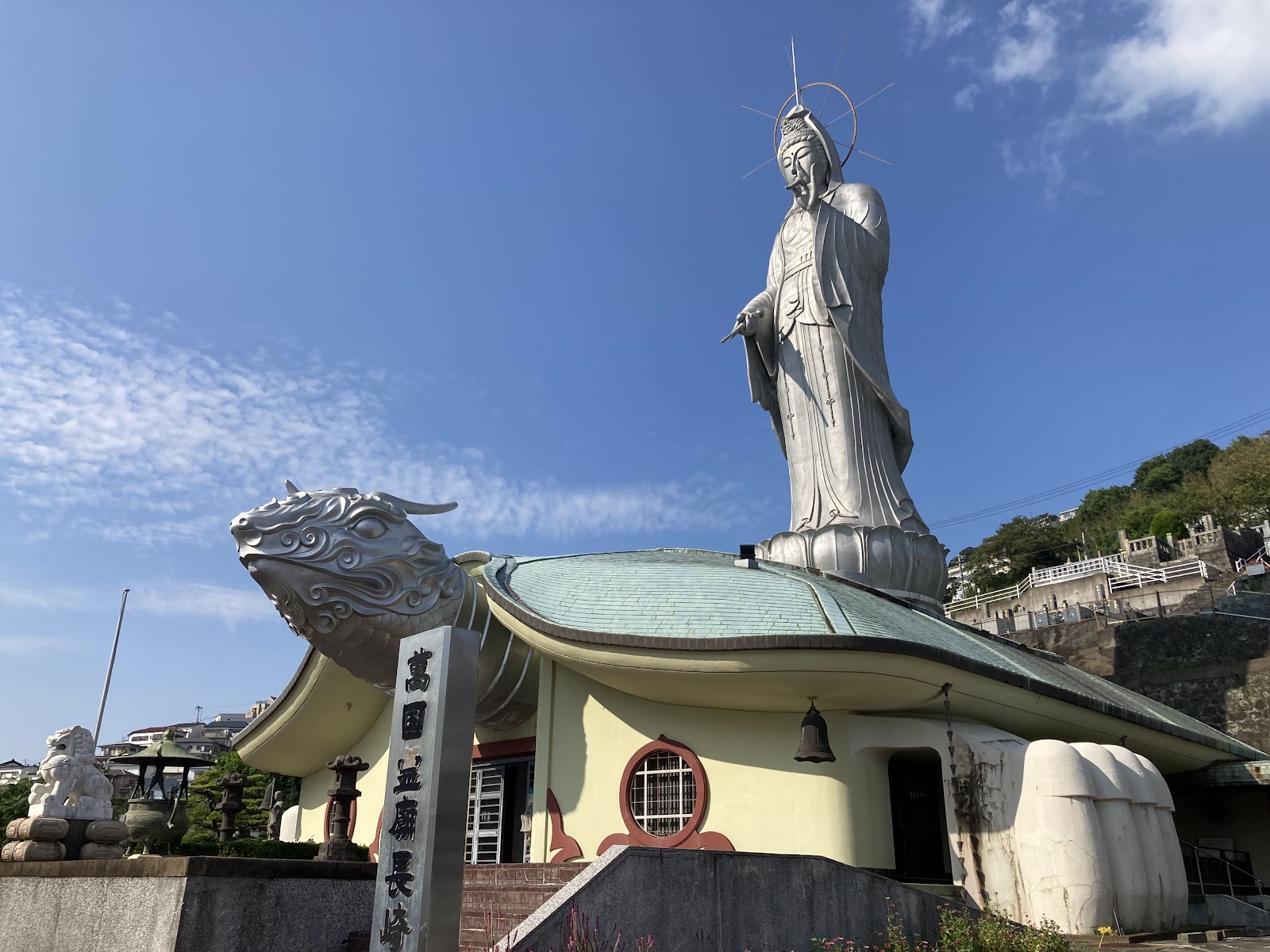
A rebuilt Zen temple crowned by an 18-metre Kannon riding a giant turtle, with a peace pendulum swinging inside.
Fukusaiji is among Nagasaki's most unusual and memorable temples, instantly recognisable from afar by the colossal white figure of the goddess Kannon standing atop an enormous turtle. A short walk uphill from Nagasaki Station, the temple combines a long history as one of the city's four great Chinese-founded Zen temples with a striking modern rebuilding shaped by the tragedy of the atomic bomb, making it both a religious site and a monument to peace.
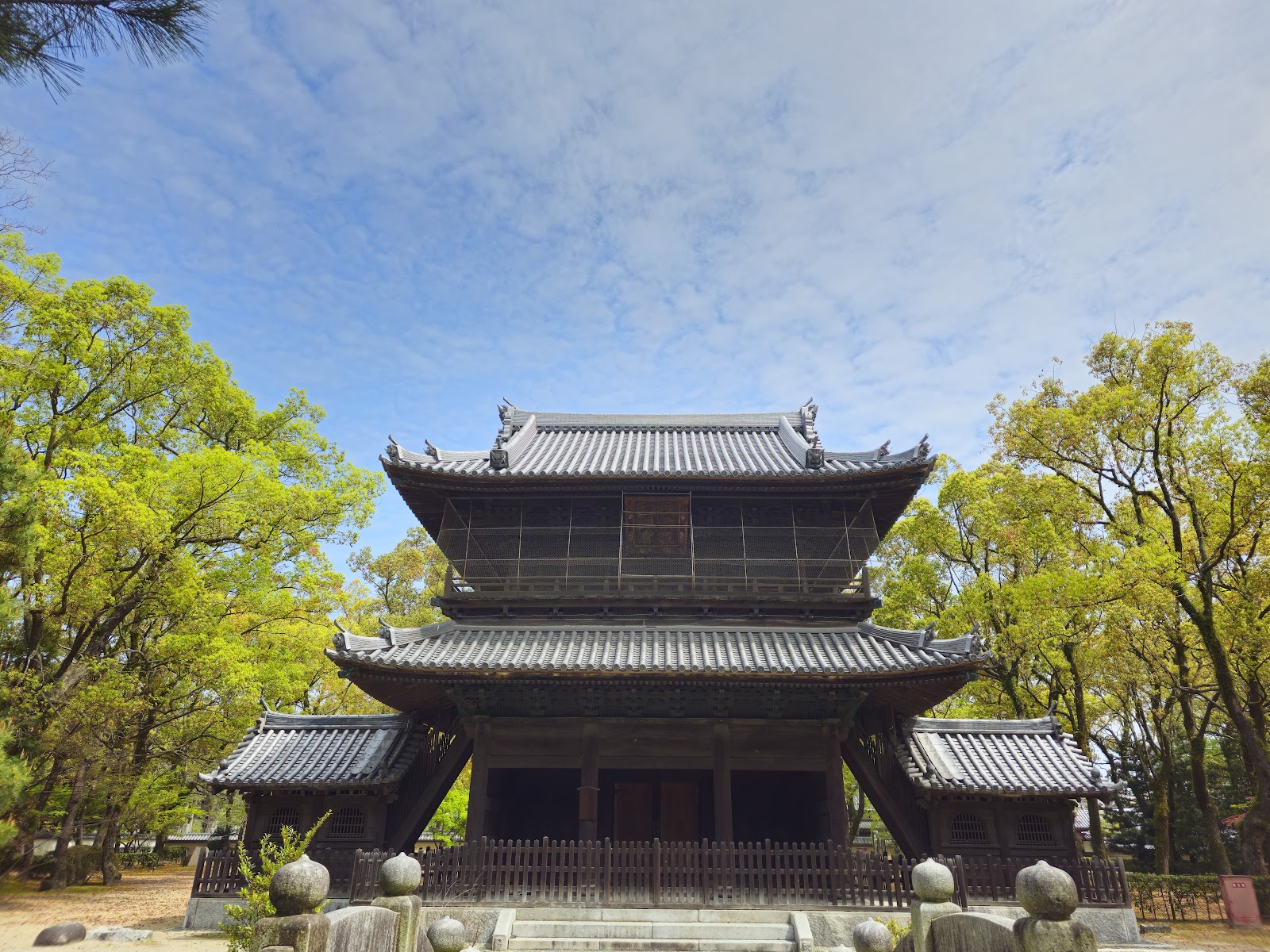
The original Fukusaiji was established in 1628 by Chinese monks and merchants of the Zhangzhou (Fujian) community, part of the wave of Chinese settlers who gave Nagasaki its distinctive Obaku Zen temples. For three centuries it flourished as a centre of Chinese-style Buddhism, its halls filled with imported art and its rituals reflecting mainland traditions. That history ended abruptly on 9 August 1945, when the atomic bomb detonated less than two kilometres away and destroyed the temple almost completely.
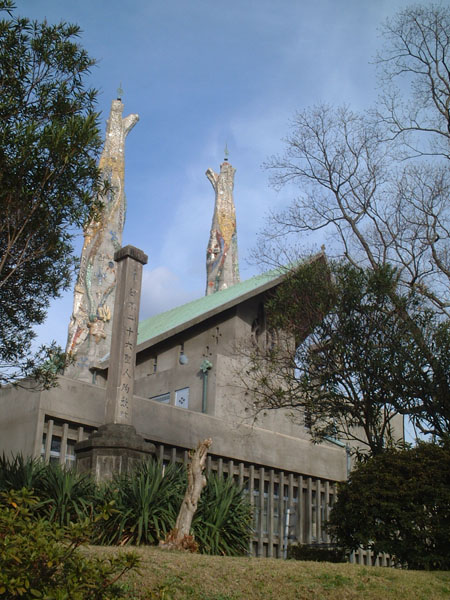
The temple that stands today, rebuilt in 1979, deliberately breaks with convention. Rather than reconstructing the old wooden halls, the priests raised a vast statue in the form of Bodhisattva Kannon, the goddess of mercy, standing some eighteen metres tall upon the back of a giant tortoise — an animal symbolising longevity and, here, the endurance of prayer. The figure is hollow, and inside hangs a Foucault pendulum many tens of metres long, one of the longest in the world, set swinging as a continuous prayer for the repose of the war dead and for peace. Watching it trace its slow arc within the quiet interior is a contemplative, faintly hypnotic experience.
Fukusaiji also serves as a memorial. Beneath and around the statue are enshrined the remains and memory of those who died in the bombing, and the temple is dedicated to consoling their spirits and to the cause of never repeating such destruction. This layering of ancient Zen roots, catastrophic loss and bold modern reinvention gives the site a character quite unlike the city's older, more traditional temples.
For visitors, the appeal is partly the spectacle of the giant Kannon and turtle, partly the moving pendulum within, and partly the temple's place in Nagasaki's atomic-memory landscape alongside the nearby Peace Park and the surviving relics of Sanno Shrine. A small admission fee applies, and daytime hours suit a visit. The statue's scale makes it a favourite photograph, but the interior rewards a quieter pause. To reach it, walk about eight minutes uphill from JR Nagasaki Station toward Chikugo-machi; the towering white figure guides the way. Curious, poignant and unmistakably itself, Fukusaiji is a temple where centuries-old faith and the hard lessons of the twentieth century meet.
A local's tip
Inside the hollow statue hangs a Foucault pendulum, one of the longest in the world, installed as a prayer for peace — step in to see it swing.
Best time to visit
Daytime
Getting there
About an 8-minute walk uphill from JR Nagasaki Station toward the Chikugo-machi area. The giant turtle-mounted Kannon is visible from a distance.
Good to know
- Restrooms
- Memorial hall
Plan the whole trip offline
Fukusaiji Temple is one of many places in the Real Japan app — with turn-by-turn directions, nearby spots and full offline maps you can use with no signal.