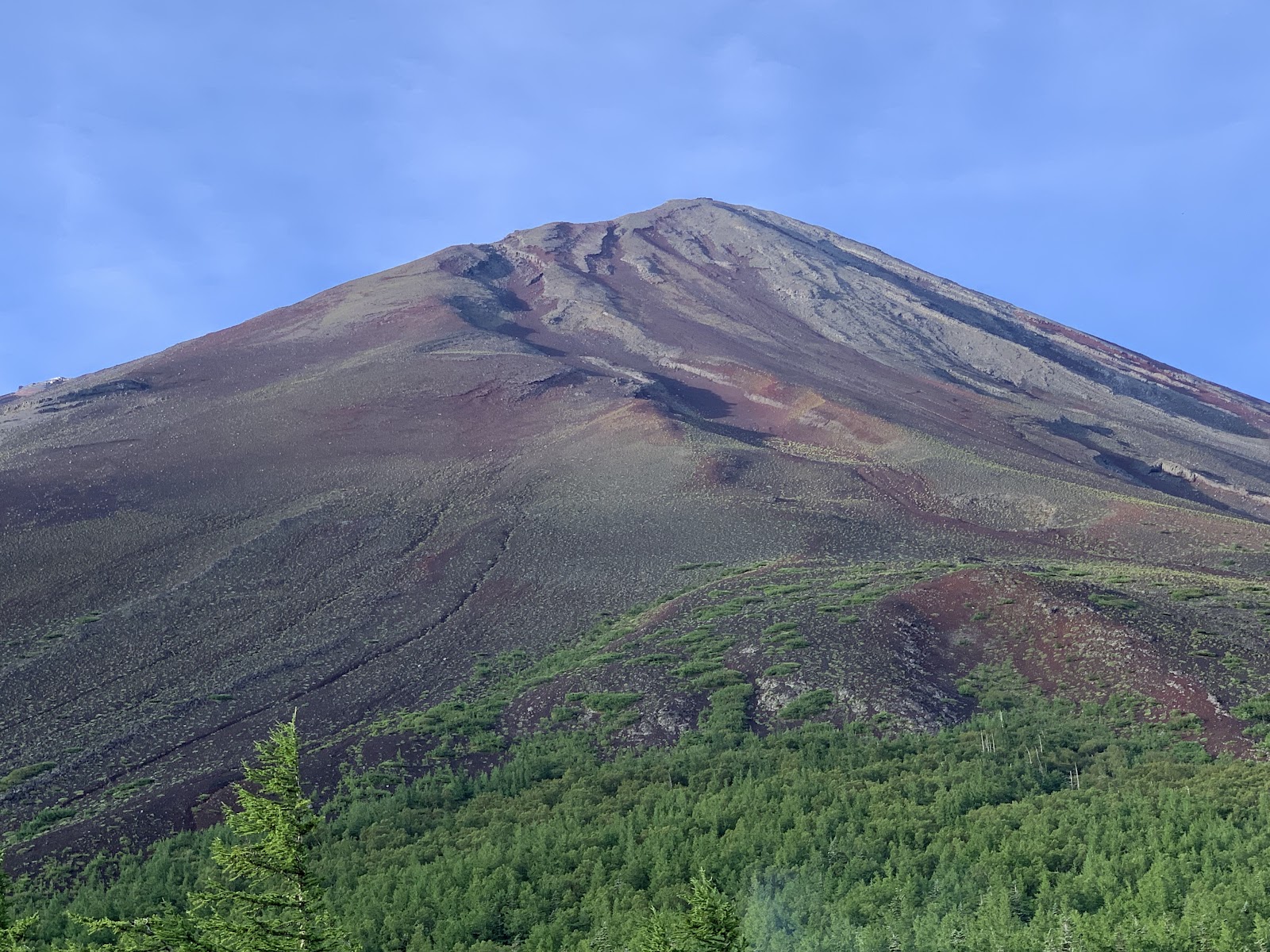
The 2,300m gateway on Mount Fuji’s northern slope — trailhead for the summit and a grand viewpoint for everyone else.
The Fuji Subaru Line 5th Station is the highest point on Mount Fuji easily reachable by road, and for most visitors it is the closest they will ever come to standing on the mountain itself. Perched at about 2,300 metres on the northern (Yoshida) slope, it is the terminus of the Fuji Subaru Line, a toll road that winds up through changing forest zones from the lakes below. During the official climbing season it serves as the main trailhead for the most popular route to the summit, but even outside that window it is a hugely popular destination in its own right for the views, the atmosphere and the simple thrill of being high on Japan’s most sacred peak.
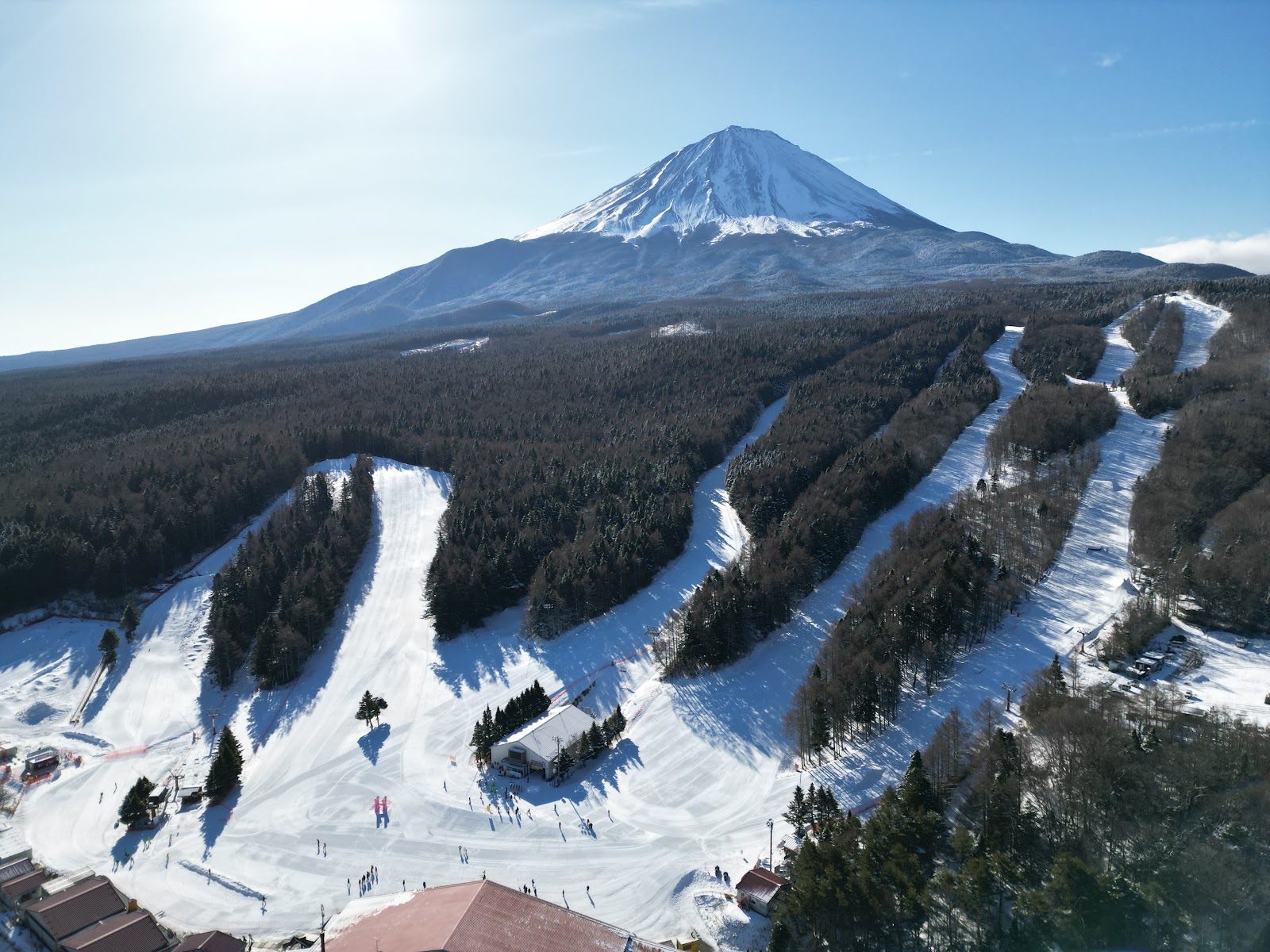
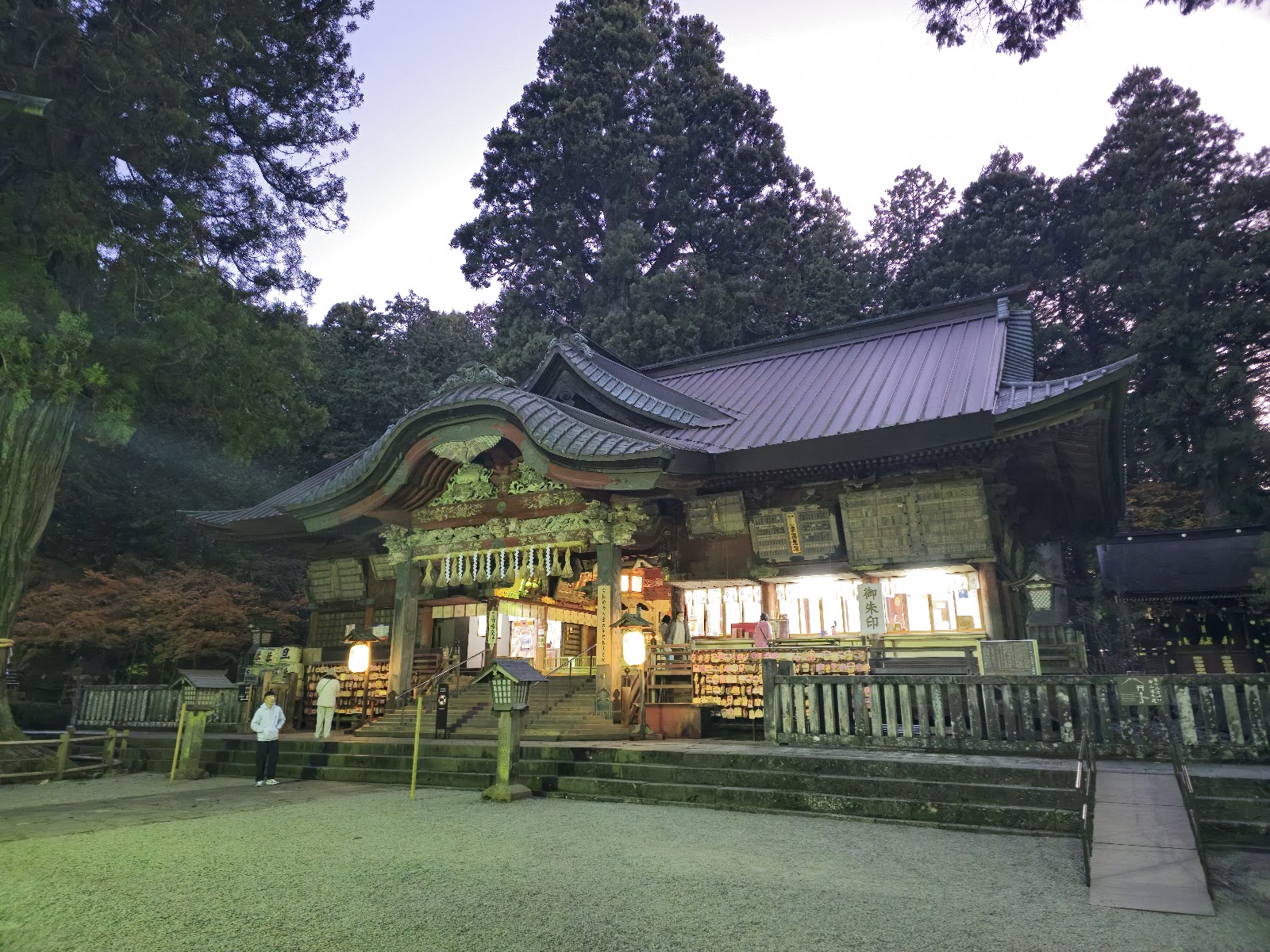
The station is a lively cluster of buildings that feels almost like a small alpine village. There are restaurants serving noodles and curry, souvenir shops selling Fuji-themed goods and climbing gear, a small shrine — the Komitake Shrine, where climbers traditionally pray for a safe ascent — and viewing terraces. Horses are sometimes available for short rides. On a clear day the panorama is magnificent: the Fuji Five Lakes spread out far below, the surrounding mountains of Yamanashi, and in the distance the ranges of the Japanese Alps. Above, the bare volcanic cone of Fuji rises on toward the summit, often streaked with snow.
Because of the altitude, the climate at the 5th Station is dramatically different from the lakeside towns. Temperatures are commonly ten to fifteen degrees colder, winds can be strong, and cloud frequently boils up over the mountain by late morning, so an early start and warm clothing are strongly advised even in midsummer. Visitors are also encouraged to spend a little time acclimatising here before any attempt on the summit, as the thin air can cause altitude sickness for those who ascend too quickly.
The climbing season for Mount Fuji runs roughly from early July to early September, when the trail and mountain huts are open and the route is busy with hikers aiming to reach the top for sunrise. The 5th Station is the starting point of the Yoshida Trail, the most used of the four routes, and in season it buzzes with climbers assembling before the ascent. Outside these months the higher trails are closed and unsafe, but the station itself remains open, with the road generally accessible from around mid-April until early December before winter snow closes it entirely.
Getting there is straightforward without a car: frequent Fujikyu buses climb directly from Kawaguchiko Station to the 5th Station in about fifty to sixty minutes, and during the peak summer period private vehicles are restricted to protect the environment, with a park-and-ride system in place. The round-trip bus fare is modest, and the journey up through the forest is scenic in itself.
For climbers, the Fuji Subaru Line 5th Station is the beginning of an unforgettable journey to the roof of Japan. For everyone else, it offers a rare, accessible chance to experience Mount Fuji up close — the altitude, the volcanic landscape and the sweeping views — without setting foot on the summit trail.
A local's tip
Even non-climbers should come for the view and the altitude — but bring a jacket: it can be 15°C colder than lakeside, and cloud can roll in by midday, so go early.
Best time to visit
Clear mornings; open roughly mid-April to early December (snow closes the road in winter)
Getting there
Take the Fujikyu bus directly from Kawaguchiko Station up the Fuji Subaru Line toll road; the ride takes about 50-60 minutes to reach the 2300m station.
Good to know
- Restrooms
- Gift shops
- Restaurants
Plan the whole trip offline
Fuji Subaru Line 5th Station is one of many places in the Real Japan app — with turn-by-turn directions, nearby spots and full offline maps you can use with no signal.