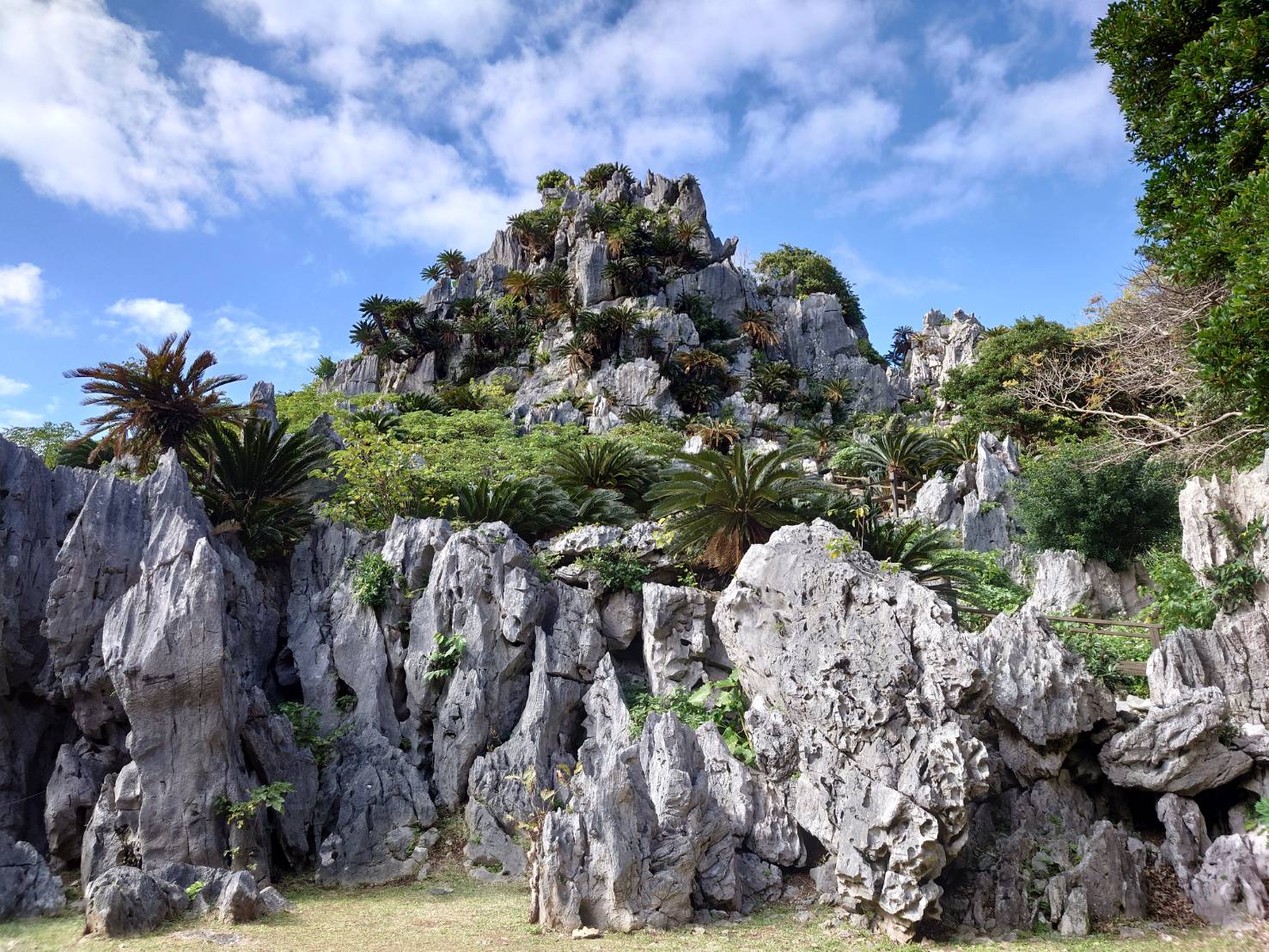
A surreal park of eroded limestone pinnacles and sea views near Okinawa's northern tip, among Japan's oldest karst.
Daisekirinzan, near the northern tip of Okinawa's main island in Kunigami Village, is one of the strangest and most beautiful landscapes in the Ryukyus: a forest of jagged limestone pinnacles, towers, and spires carved over roughly 250 million years by rain and time. This is tropical karst, formed from an ancient uplifted coral reef, and it is reckoned among the oldest exposed limestone terrain in Japan. Walking its trails feels like stepping onto another planet, with weathered grey rock rising in fantastical shapes above subtropical greenery, and the blue ocean glittering beyond.
The park sits within the Yambaru National Park and the wider UNESCO-recognised natural region, and it is designed for easy exploring. A shuttle carries visitors from the entrance building up to a cluster of trailheads, from which several colour-coded walking courses branch out, ranging from gentle to slightly more rugged, but all manageable for reasonably fit walkers. The Sea Panorama course runs along the clifftops with sweeping views over the East China Sea and out toward Cape Hedo, while the Stone Forest and other inland courses thread between the towering karst formations, some of which have been given evocative names and tied to local legend.
Daisekirinzan is steeped in spiritual significance. The area has long been considered sacred in Ryukyuan tradition, associated with the creation deity Amamikiyo, and several spots along the trails are utaki, sacred sites where people came to pray. This lends the walk a contemplative, almost otherworldly atmosphere beyond its geological drama. Ancient banyan and gajumaru trees, their roots draping over the rocks, add to the sense of deep time, and the park highlights the endemic plants and wildlife of the Yambaru along the way.
The park is well equipped for visitors, with a large entrance facility, restrooms, a cafe, souvenir shops, and the shuttle service included in admission. The walking is mostly on paved or well-formed paths, making it far more accessible than the rugged forest hikes elsewhere in the north, and there are shorter loops for those who do not want to walk far. Because much of the terrain is exposed rock, sun protection and water are advisable, and the cooler months from autumn through spring are the most comfortable for walking, though the park is open and impressive year-round.
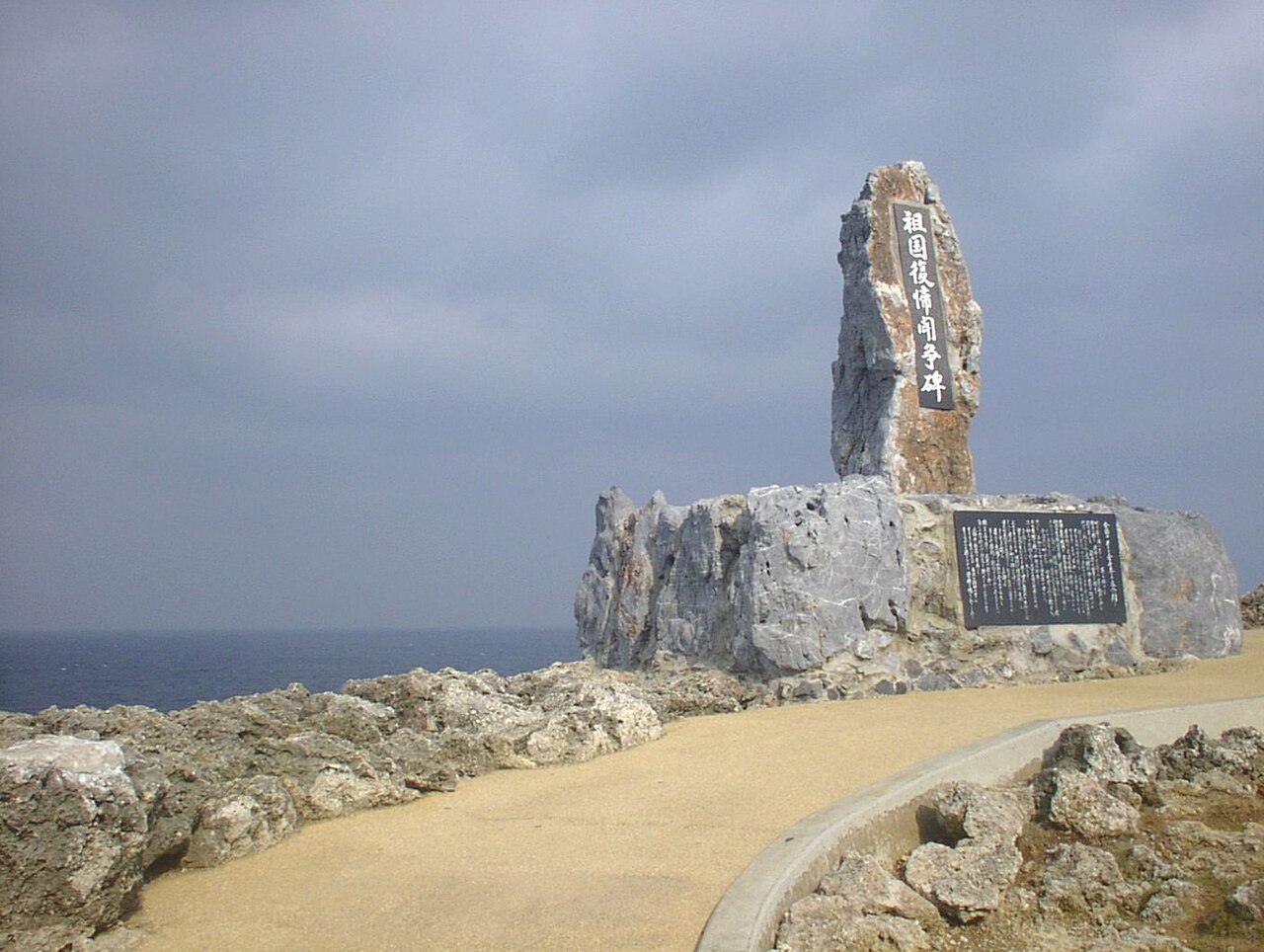
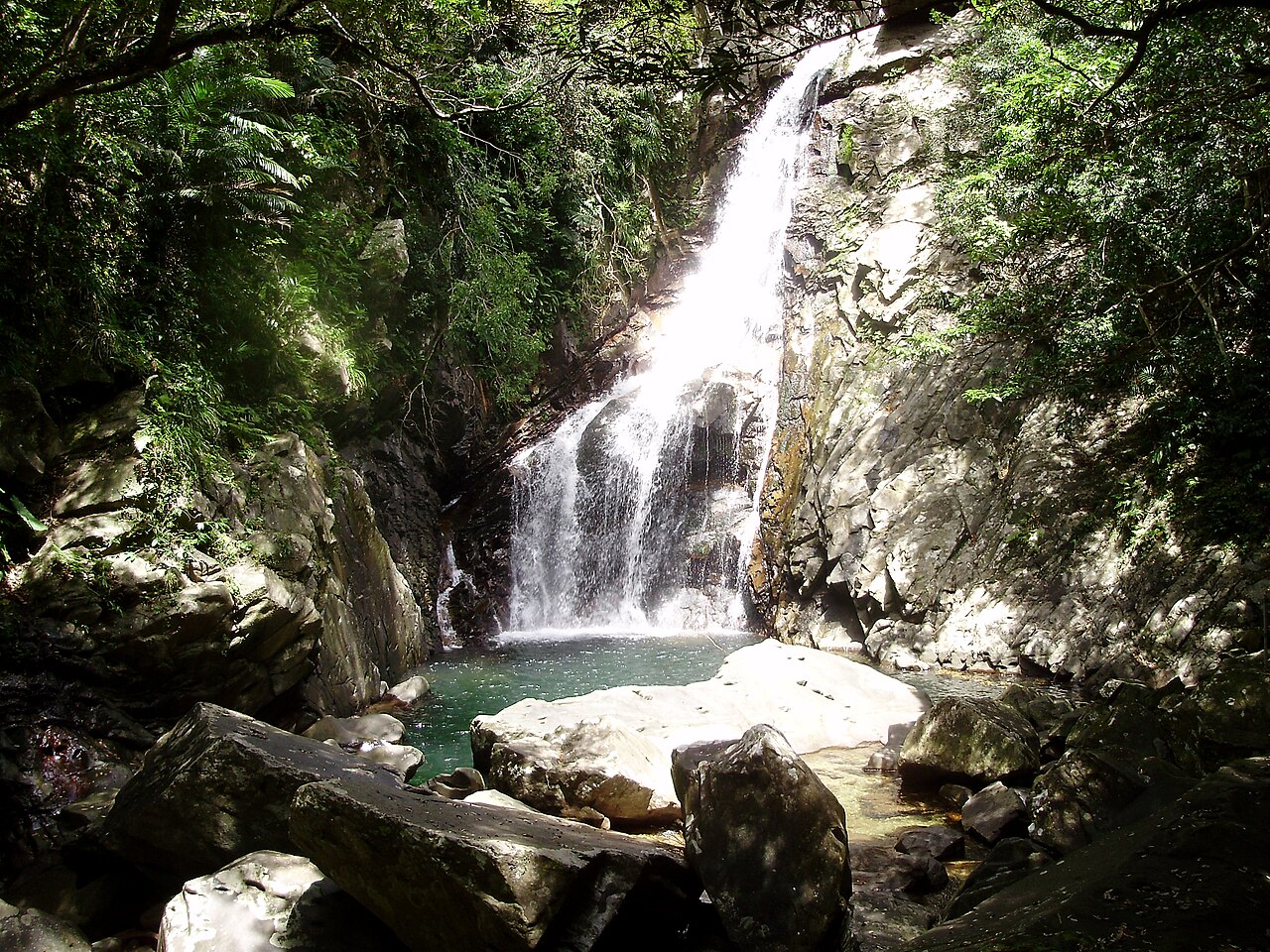
Getting to Daisekirinzan is a northern-Okinawa expedition. There is no railway anywhere in this part of the island, so a rental car is essential; the drive from Naha takes around two and a half hours up Route 58. Its position near Cape Hedo makes for a natural pairing, and many visitors combine the two along with the Hiji Falls hike for a full day exploring the wild, forested top of the island. For travellers who have already seen Okinawa's beaches and want something genuinely unusual, Daisekirinzan offers a landscape of ancient stone and sacred forest unlike anywhere else in Japan.
A local's tip
Take the coastal Sea Panorama trail for the ocean views, then the rocky karst loop; a shuttle carries you from the entrance up to the trailheads.
Best time to visit
Clear days year-round; cooler months for walking
Getting there
In Kunigami Village near Cape Hedo at the northern tip of Okinawa. About 2.5 hours by car from Naha; a rental car is essential.
Good to know
- Cafe
- Shuttle
- Restrooms
Plan the whole trip offline
Daisekirinzan is one of many places in the Real Japan app — with turn-by-turn directions, nearby spots and full offline maps you can use with no signal.