A flat volcanic island in Lake Nakaumi blanketed with peony fields and famed for ginseng and lava caves.
Daikonshima is a low, flat volcanic island lying in the middle of brackish Lake Nakaumi, administratively part of Yatsuka in eastern Matsue. Formed by ancient lava flows, its fertile black soil and mild lakeside climate have made it one of the most productive flower-growing places in Japan, and for much of the year the island is quite literally covered in blooms. Together with its neighbour Eshima, it turns the wide lake into a landscape of water, fields and low green horizons.
The island's great claim to fame is the peony, or botan. Daikonshima is the leading producer of peony plants in the country, and cultivation here dates back centuries. In late April and early May the open growing fields erupt into ruffled reds, pinks and whites, a spectacle you can enjoy simply by driving or cycling the island's quiet lanes, quite apart from the celebrated landscaped garden that sits at the island's heart. Alongside peonies, Daikonshima has long been renowned for growing Korean ginseng, a demanding medicinal root that thrives in its volcanic earth; roadside stands and shops sell both peony roots and ginseng products to visitors.
The island's volcanic origins are visible in more than its soil. Daikonshima preserves lava caves and tunnels, including a designated natural monument formed by ancient eruptions, a reminder that this gentle flower island was born of fire. The flatness that makes it so easy to explore is itself a product of those broad, low lava flows spreading across what is now the lakebed. Around the shore, views open across Nakaumi toward the mountains of the peninsula and, on clear days, distant Mount Daisen.
Experiencing Daikonshima is relaxed and unhurried. The island is small and level, ideal for cycling, and its network of farm roads passes flower fields, greenhouses, small shrines and lake viewpoints. Because it is a working agricultural community rather than a resort, the atmosphere is authentic and calm, with farm stands, local eateries serving lake fish and clams, and plenty of quiet spots to stop and take in the water. Facilities cluster around the main visitor sites, so it is wise to carry water and plan rest stops on a longer loop.
Spring is unquestionably the season to come, when the peonies peak and the whole island feels celebratory; a flower festival marks the bloom. Early summer brings other flowers and lush greenery, while autumn offers mild weather and clear lake views for cyclists. Even in the off-season the island rewards a slow drive for its unusual scenery and its produce.
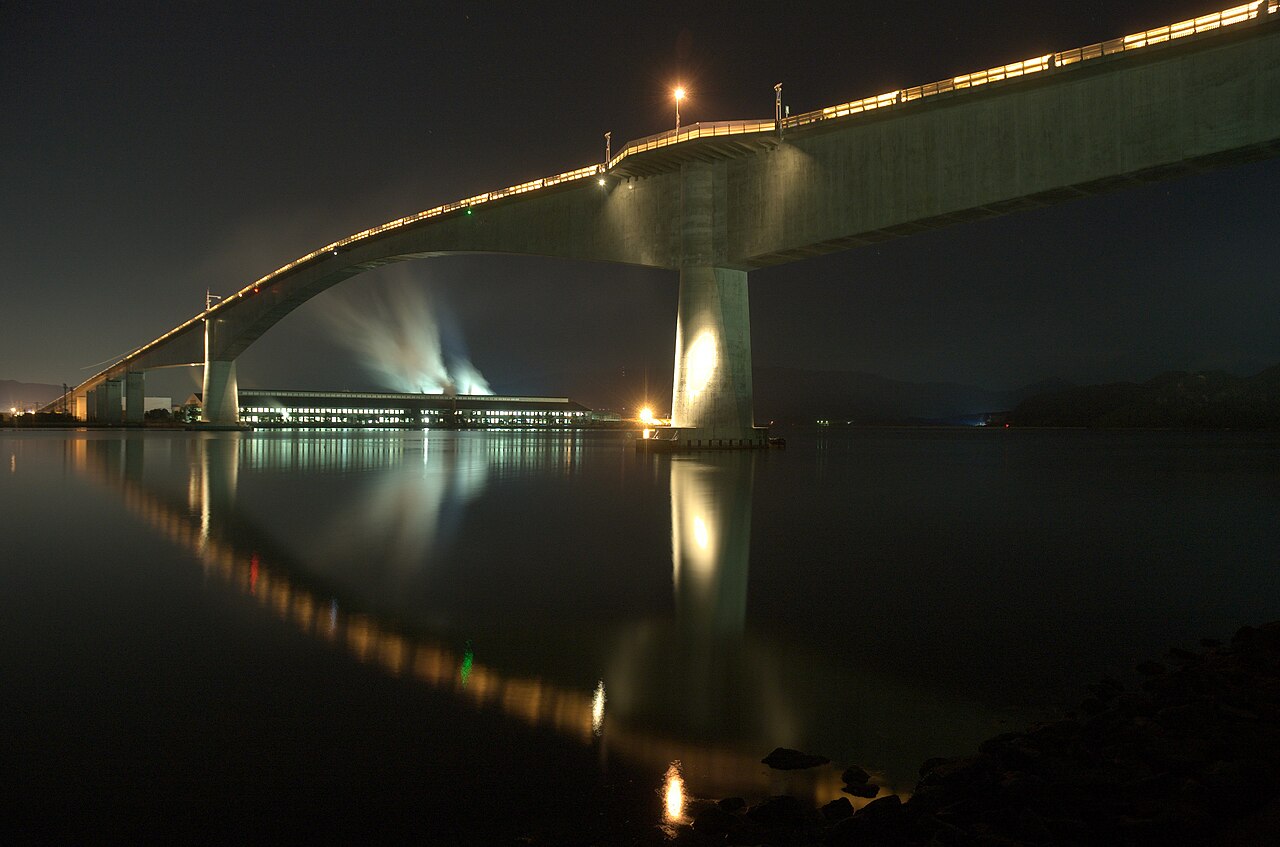
Getting to Daikonshima is straightforward without a car. Ichibata buses from Matsue Station heading toward Yatsuka and on to Sakaiminato cross onto the island by causeway, letting you alight near the main sights. Drivers can follow Route 431 across the lake, combining the island with the Eshima Ohashi bridge and the broader Nakaumi shoreline in a single scenic loop. Once on the island, distances are short and the terrain flat, so it is easy to spend a leisurely couple of hours among the fields and along the water.
A local's tip
Visit in late April when the open-air peony fields, not just the famous garden, are in full bloom; the flat lava island is easy to explore by rental cycle, and roadside farm stands sell peony roots and ginseng.
Best time to visit
Late April to early May for peonies
Getting there
Daikonshima sits in Lake Nakaumi east of Matsue. Take an Ichibata bus from Matsue Station bound for Yatsuka or Sakaiminato, which crosses onto the island by causeway; by car follow Route 431 across the lake. Local roads loop past the peony fields and lava features.
Good to know
- Wi-Fi
- Parking
- Restrooms
Plan the whole trip offline
Daikonshima Island is one of many places in the Real Japan app — with turn-by-turn directions, nearby spots and full offline maps you can use with no signal.