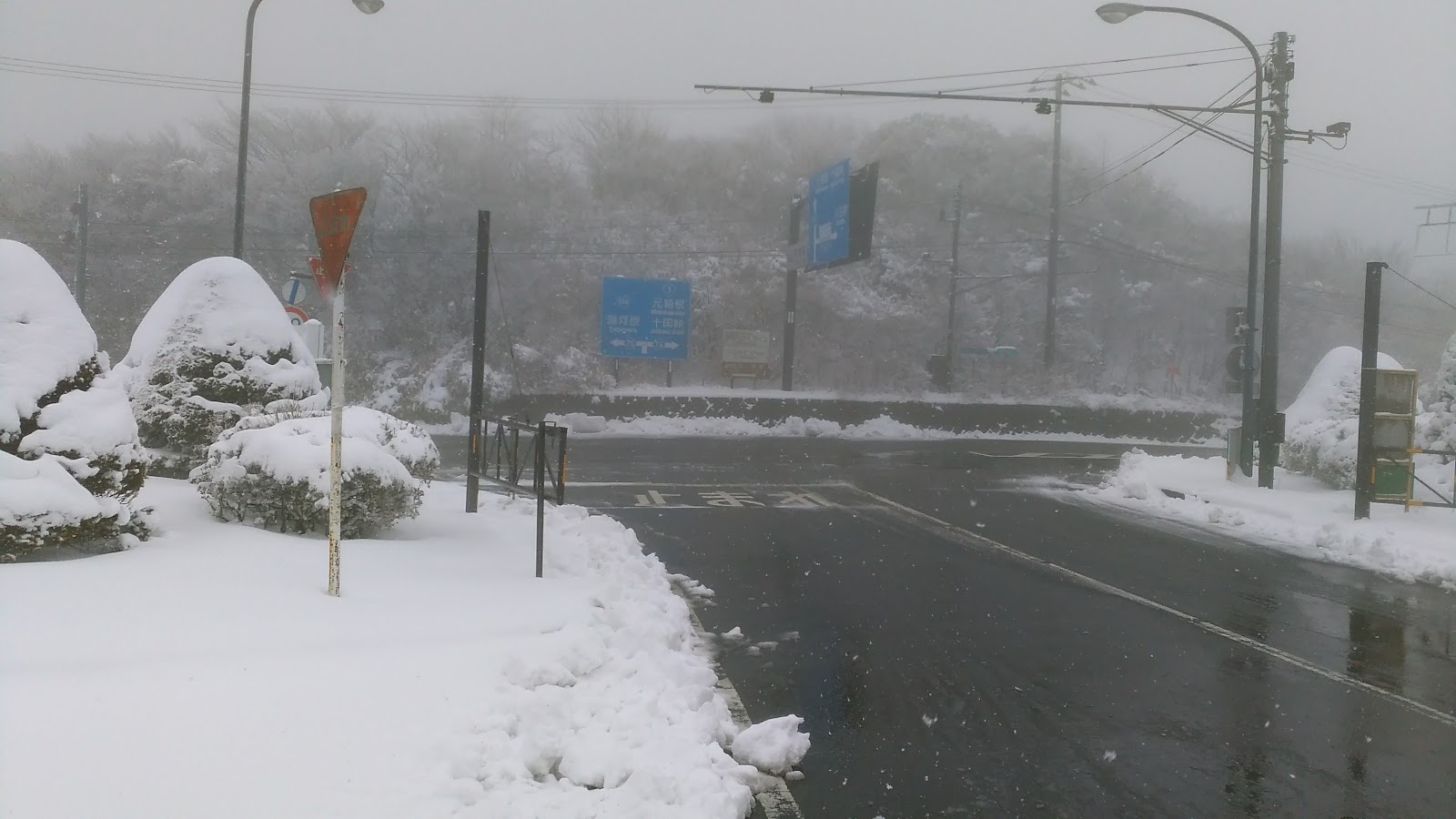
Hakone's highest hot spring at 870m, a remote historic hamlet on the old Tokaido with rare cloudy sulphur waters.
Ashinoyu is the highest of Hakone's seven classic hot springs, sitting at roughly 870 meters above sea level on the southern flank of Mount Komagatake, and it is one of the region's most historic and atmospheric onsen districts. Perched on a mountain saddle along the route of the old Tokaido highway, it feels remote and timeless compared with the busier resorts lower down, and its unusual cloudy, sulphur-rich waters set it apart from the clear springs elsewhere in Hakone.
The district has been in use since the Kamakura period, and its distinctive milky, alkaline-sulphur water has long been prized for its reputed healing properties for skin ailments and other conditions. Because of its high, cool position and its place on the Tokaido, Ashinoyu became a favored retreat for artists, writers, and pilgrims from the Edo era onward, and in 2015 it was designated by Japan's Ministry of the Environment as a national resort hot-spring area, recognizing its cultural and therapeutic value.
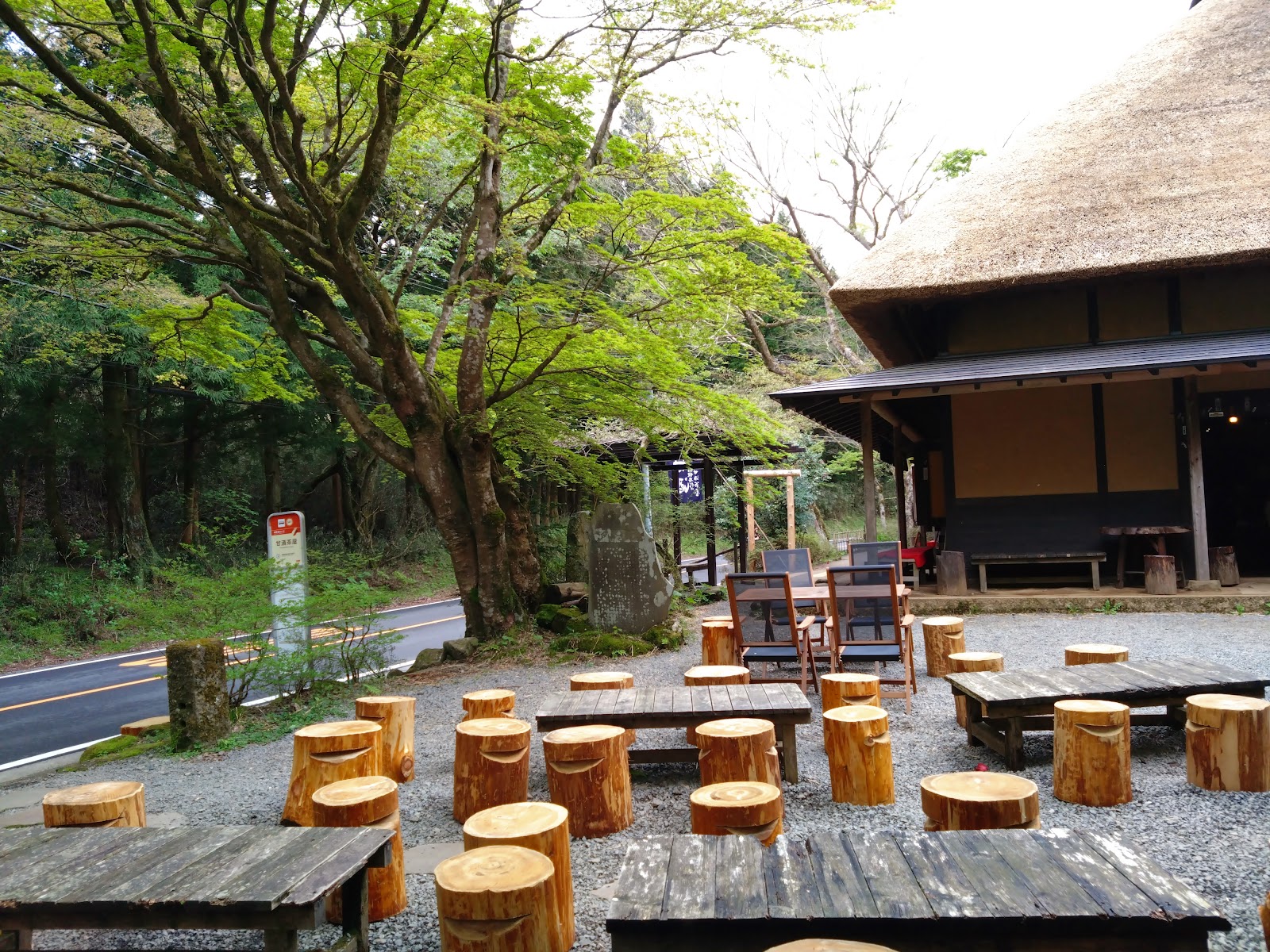
Ashinoyu's identity is inseparable from the old highway. The stone-paved Tokaido passes right through the area, and the district is dotted with historic remnants: weathered stone Jizo statues, moss-covered markers, and traces of the pilgrimage and travel routes that once linked the region to the lake and beyond. This makes Ashinoyu as much a historical site as a bathing spot, a place where the layered past of Hakone travel is still visible in the landscape.
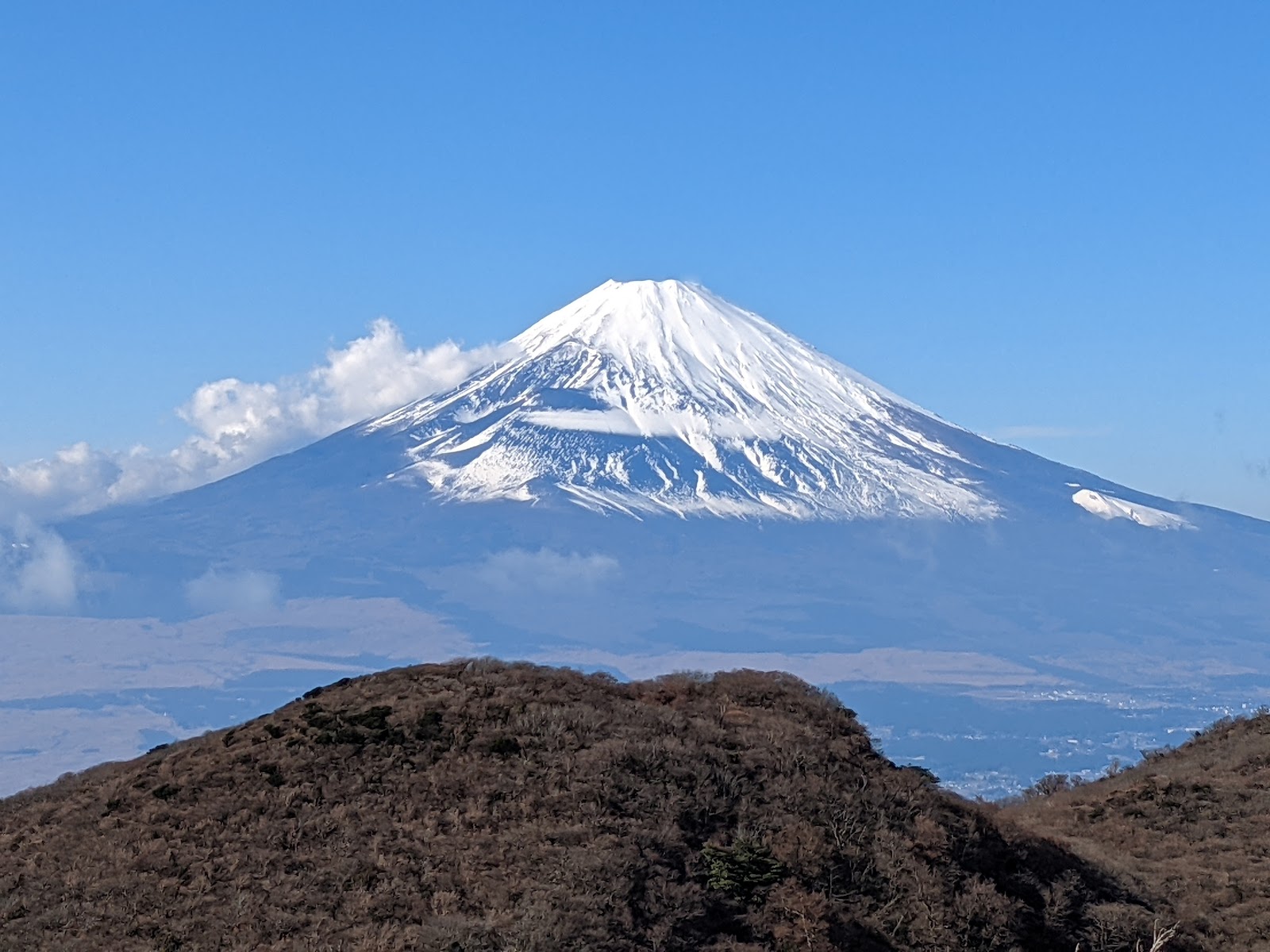
A notable fact is its record altitude among the seven Hakone hot springs, giving it the coolest air and the most secluded feel of the classic onsen. The surrounding highland scenery, with Komagatake rising above, adds to the sense of being deep in the mountains despite the relatively short bus ride from the lake and from Yumoto.
The visiting experience is quiet and contemplative. There is no shopping arcade here; the appeal is the rare waters, the mountain air, and the sense of history along the old road. A handful of long-established inns offer bathing, several welcoming day-use visitors who want to sample the milky sulphur springs. The setting invites a short walk along the stone-paved Tokaido to view the old statues and enjoy the highland views. Terrain is uneven and the old road is cobbled, so sturdy shoes are advised and step-free access is limited.
Autumn is a fine time, when the highland forests color richly and the cool air makes the warm sulphur baths especially welcome, while summer is refreshingly cool at this elevation, a genuine escape from the lowland heat. Winter can be cold and occasionally snowy, and the steaming baths are at their most atmospheric then.
Getting there is by bus. From Hakone-Yumoto Station, board a Hakone Tozan Bus heading toward Moto-Hakone and Hakone-machi and ride up into the mountains, alighting at the Ashinoyu stop on the high saddle. The area also lies within reach of the Lake Ashi lakeside districts by the same bus routes, so Ashinoyu can be combined with a visit to Moto-Hakone or a hike along the old Tokaido. Its remote, elevated setting makes it one of the more rewarding detours for travelers seeking historic Hakone away from the crowds.
A local's tip
Ashinoyu sits on the historic stone-paved Tokaido, so pair a soak in its rare cloudy sulphur waters with a short walk along the old highway toward the moss-covered Jizo statues nearby.
Best time to visit
Afternoon; autumn foliage season
Getting there
From Hakone-Yumoto Station, take a Hakone Tozan Bus bound toward Moto-Hakone/Hakone-machi and alight at the Ashinoyu stop, high on the old Tokaido route at the foot of Mount Komagatake.
Good to know
- Onsen
- Ryokan
- Restrooms
Plan the whole trip offline
Ashinoyu Onsen is one of many places in the Real Japan app — with turn-by-turn directions, nearby spots and full offline maps you can use with no signal.