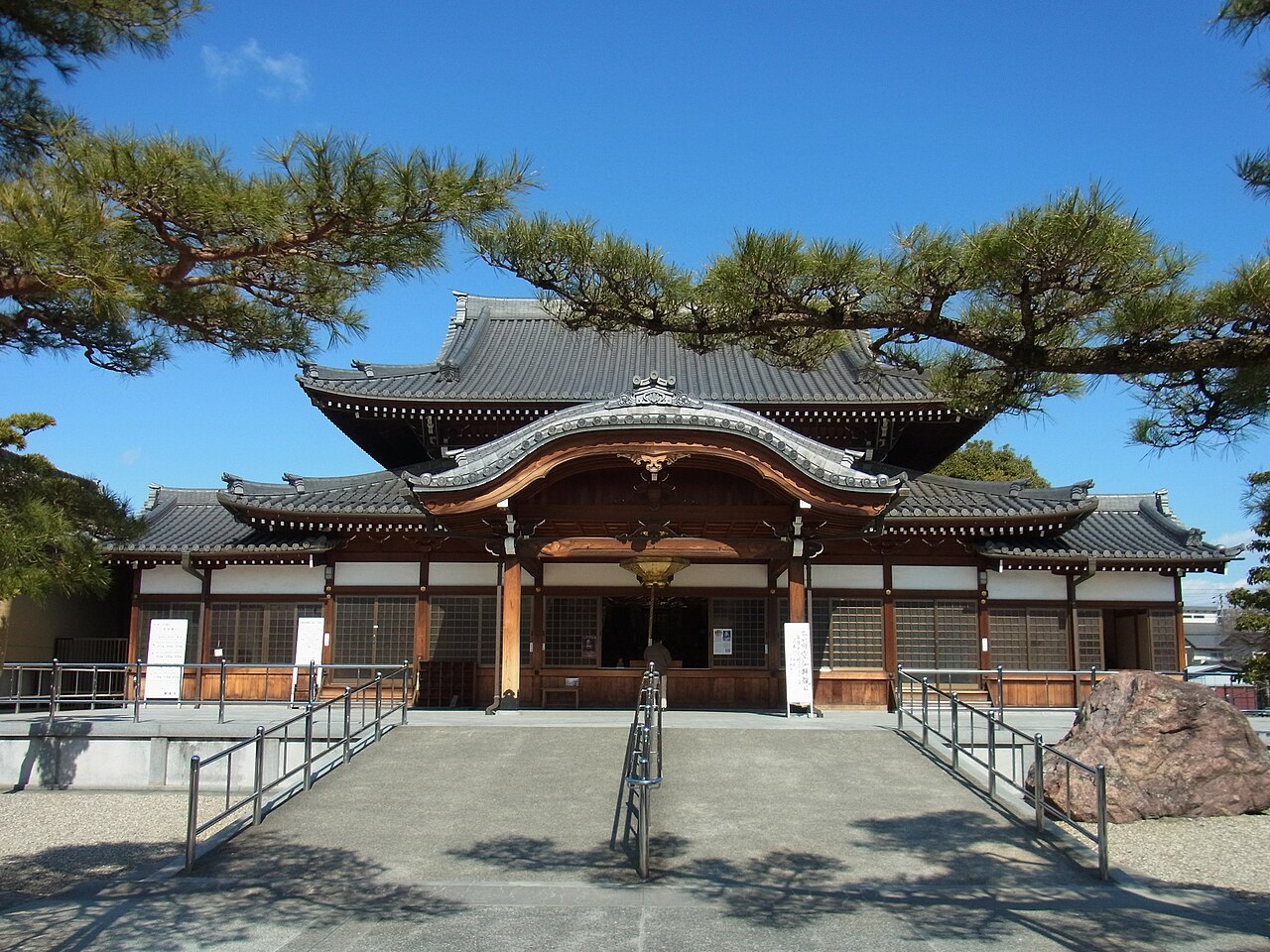
Home to Nagoya's oldest building and a thousand roughly carved Enku Buddhas, hidden in the western suburbs.
Arako Kannon, formally Jofukuji, is a temple of quiet national importance tucked into the residential streets of Nakagawa ward in western Nagoya. Founded, according to tradition, in the eighth century, it preserves the oldest surviving building in the entire city: a multi-storey pagoda dating to the early Edo period and designated an Important Cultural Property. For a metropolis so heavily rebuilt after wartime destruction, having any structure of such age is remarkable.
The temple belongs to the Tendai school and enshrines a statue of Kannon, the bodhisattva of compassion, as its principal image. In keeping with an ancient custom, the main Kannon is a hibutsu, a hidden Buddha revealed to the public only once every thirty-three years, so that most visitors venerate it without ever seeing it directly. This sense of concealed sacredness gives the modest temple a depth that its small footprint might not suggest.
Arako Kannon's greatest treasure, however, is its extraordinary collection of carvings by the wandering monk Enku. Born in 1632, Enku travelled the length of Japan carving Buddhist images from wood, often with a few decisive strokes of the chisel that left the grain rough and the expressions vivid and human. He is said to have created many thousands of these statues, and Arako Kannon holds more than a thousand of them, the single largest concentration of Enku's work anywhere. Their raw, almost folk-art energy is utterly different from the polished statuary of the great city temples, and art lovers travel specifically to see them.
The catch, and the reason a little planning helps, is that the treasure hall housing the Enku Buddhas opens to the public only on the second Saturday and Sunday of each month, for a few afternoon hours. On those days you can walk among ranks of the little wooden figures, each face distinct, and sense the devotion of a monk who carved his way across the country three and a half centuries ago. On other days the atmospheric grounds and the historic pagoda are still worth the trip.
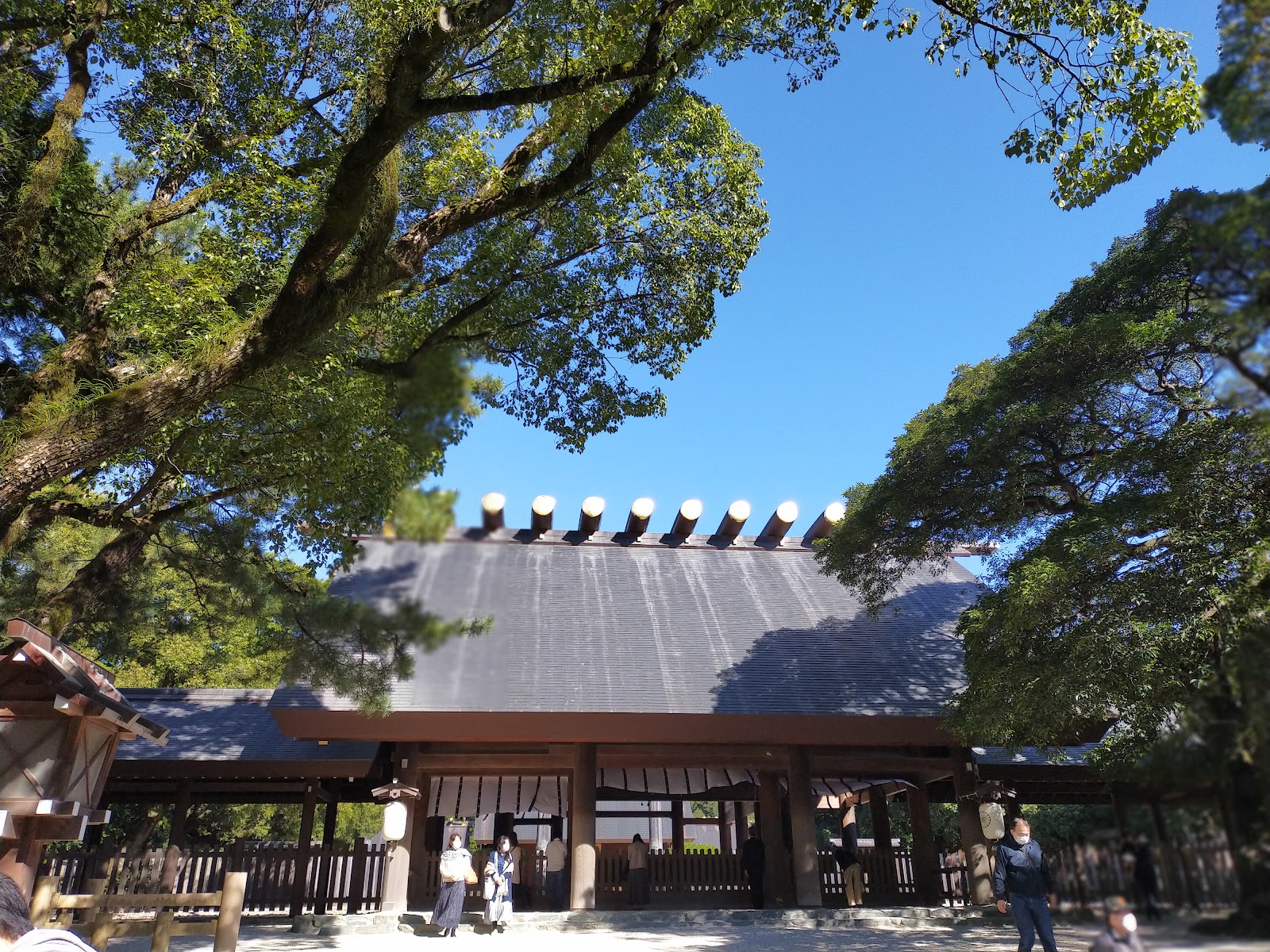
The visiting experience is peaceful and unhurried. Because Arako Kannon sits well off the tourist trail, you are likely to share it only with local worshippers. The compact grounds, weathered gates and ancient pagoda reward slow attention, and the surrounding neighbourhood offers a glimpse of everyday suburban Nagoya rarely seen by visitors.
Getting there takes a little more effort than the central temples but is entirely manageable. Meitetsu trains stop at Arako Station a short walk away, and the Higashiyama subway terminates at nearby Takabata Station, from which the temple is an eight-minute stroll east. The grounds are flat and easy to navigate.
For travellers with an interest in Japanese Buddhist art, especially the singular genius of Enku, Arako Kannon is one of the most rewarding hidden corners of Nagoya. Time your visit to the second weekend of the month and you will see something few tourists ever do.
A local's tip
The temple's small treasure hall opens only on the second Saturday and Sunday of each month, when you can see the largest collection of Enku's rough-hewn wooden Buddhas anywhere in the country.
Best time to visit
The 2nd Saturday and Sunday of each month for the Enku hall
Getting there
Take the Meitetsu line to Arako Station, or the Higashiyama subway to Takabata Station and walk east; the temple is about eight minutes on foot in Nakagawa ward.
Good to know
- Restrooms
Plan the whole trip offline
Arako Kannon Temple is one of many places in the Real Japan app — with turn-by-turn directions, nearby spots and full offline maps you can use with no signal.