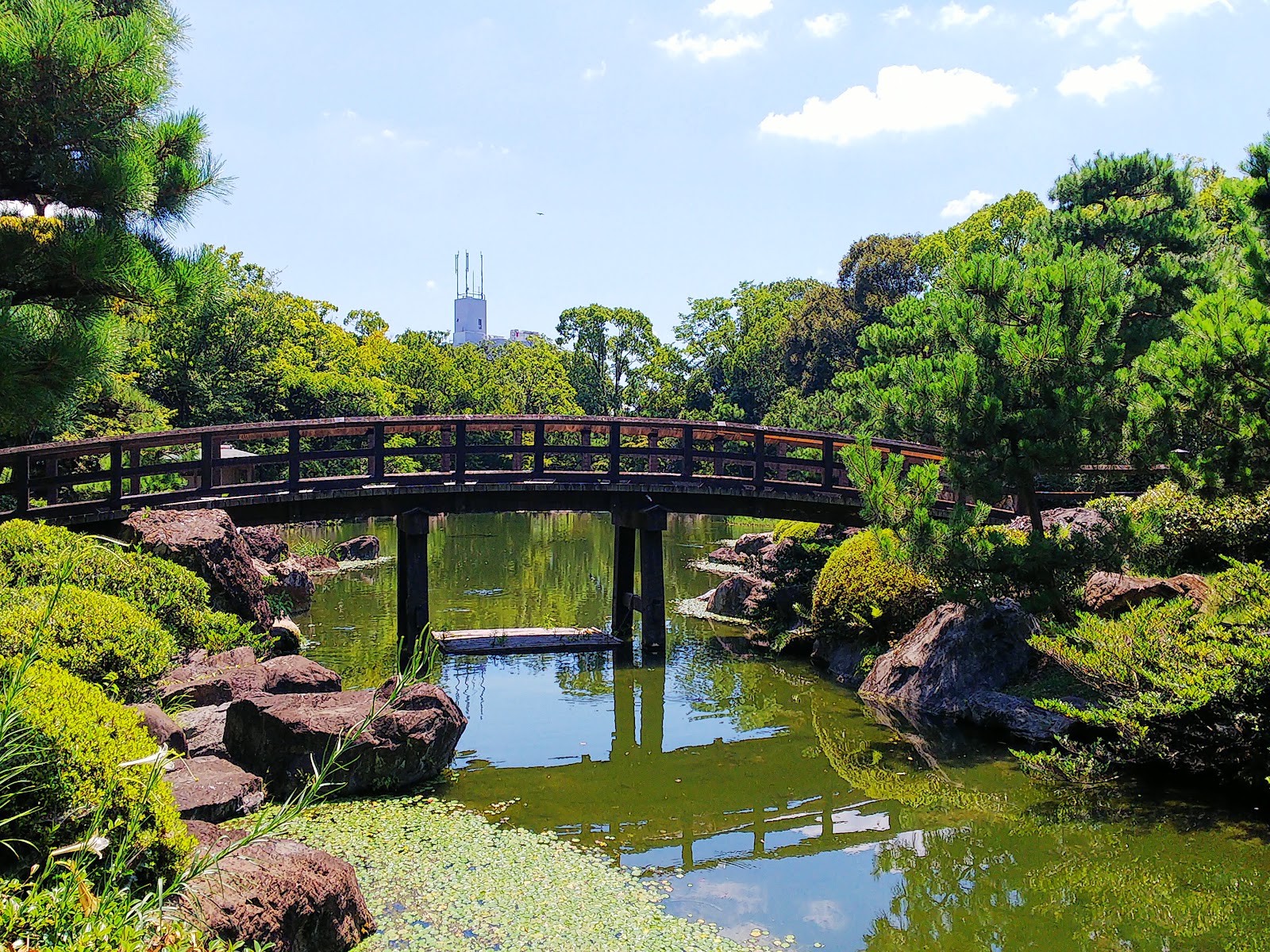
Nagoya's largest traditional strolling garden, a serene landscape of ponds, streams and maples near Atsuta Shrine.
Shirotori Garden is the largest Japanese-style garden in Nagoya and one of the most tranquil places in the city. Laid out in the classic chisen-kaiyu, or pond-strolling, style and opened in its current form in 1991, it covers a generous expanse of manicured landscape near the sacred Atsuta Shrine in the south of Nagoya. The design is meant to be experienced on foot, with paths winding around a large central pond so that the scenery unfolds and recomposes itself at every turn — a garden built for slow, contemplative walking rather than a single grand view.
The garden's landscape is a stylised miniature of the Chubu region's natural scenery. A stream representing the Kiso River tumbles from a symbolic "mountain" of rocks and cascades, flows through the garden and gathers in the broad pond that stands for the sea, complete with a small island and stone lanterns. Carefully placed pines, maples, azaleas and seasonal plantings frame the water, and arched bridges and stepping stones lead visitors across it. The overall effect is one of harmony and calm, a designed nature that feels older and larger than the garden's actual age and size.
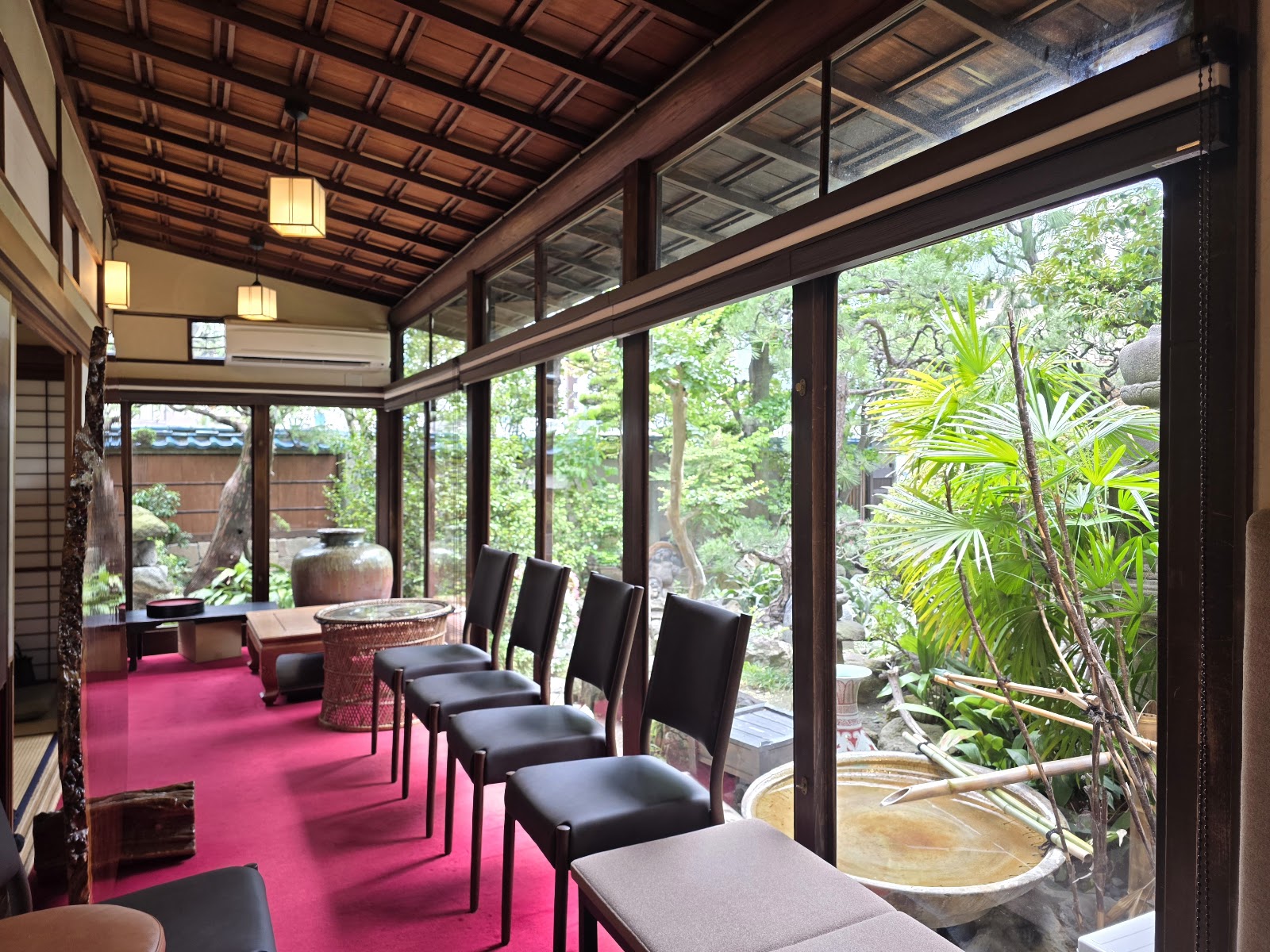
At the heart of the grounds stands the Seiu-tei teahouse, an elegant structure with a distinctive sukiya-style roof, where visitors can rest and, at times, enjoy matcha and a sweet while overlooking the pond. Traditional tea gatherings and cultural events are held here through the year. The garden is beautiful in every season — fresh green and azaleas in spring, cool shade in summer, and snow-dusted stillness in winter — but it is most celebrated in autumn, when its many maples turn brilliant shades of red and gold and are mirrored in the water. In both spring and autumn the garden often holds evening illuminations, lighting the foliage, teahouse and pond for a magical after-dark stroll.
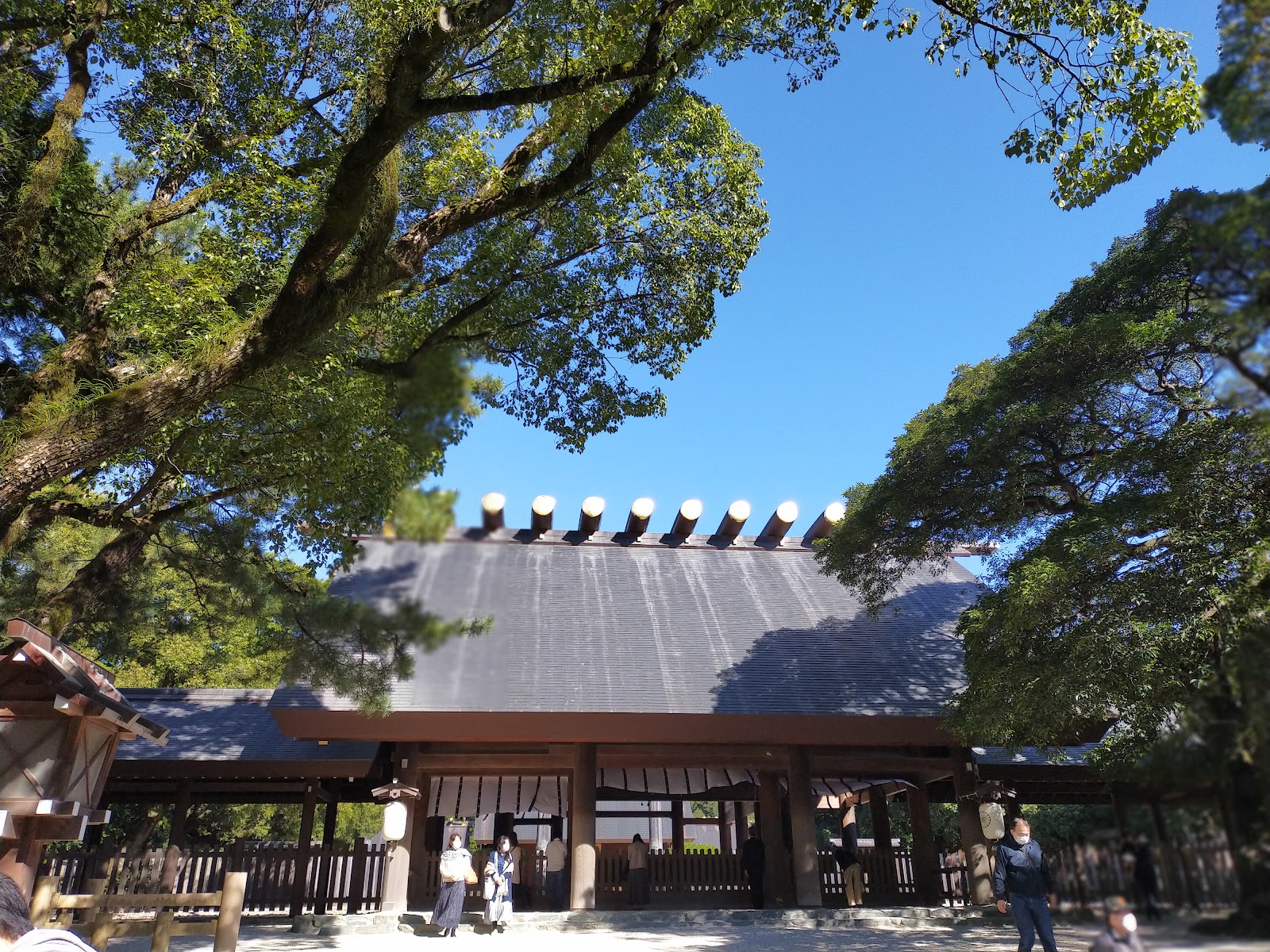
Shirotori Garden's location makes it easy to combine with other southern Nagoya sights. It lies a short walk from Atsuta Jingu, one of the most important Shinto shrines in Japan, and from the celebrated Atsuta Horaiken eel restaurant, so a visit can be paired with shrine grounds and a hitsumabushi lunch for a rich half-day. The Jingu-nishi subway station is only about ten minutes away on foot.
Practical details are straightforward: admission is a very reasonable 300 yen, the garden is open daily except Mondays during daytime hours, and an unhurried visit takes about an hour. Paths are mostly gentle, though the rockwork and bridges mean wheelchair access is only partial. Because it is less famous than Nagoya's castle or modern attractions, the garden is often peaceful even when the city is busy, offering a genuine escape from the urban bustle.
For travellers who want to experience the refined tradition of the Japanese strolling garden without leaving Nagoya, Shirotori is the finest example in the city — a compact, beautifully composed landscape of water, stone and seasonal colour that rewards a quiet, unhurried afternoon.
A local's tip
Time a visit for the autumn or spring night illuminations, when the maples and teahouse are lit and reflected in the central pond.
Best time to visit
Late November for autumn maples; also lovely in spring
Getting there
A 10-minute walk from Jingu-nishi Station on the Meijo Line, near Atsuta Shrine in southern Nagoya.
Good to know
- Teahouse
- Restrooms
- Wheelchair access
Plan the whole trip offline
Shirotori Garden is one of many places in the Real Japan app — with turn-by-turn directions, nearby spots and full offline maps you can use with no signal.