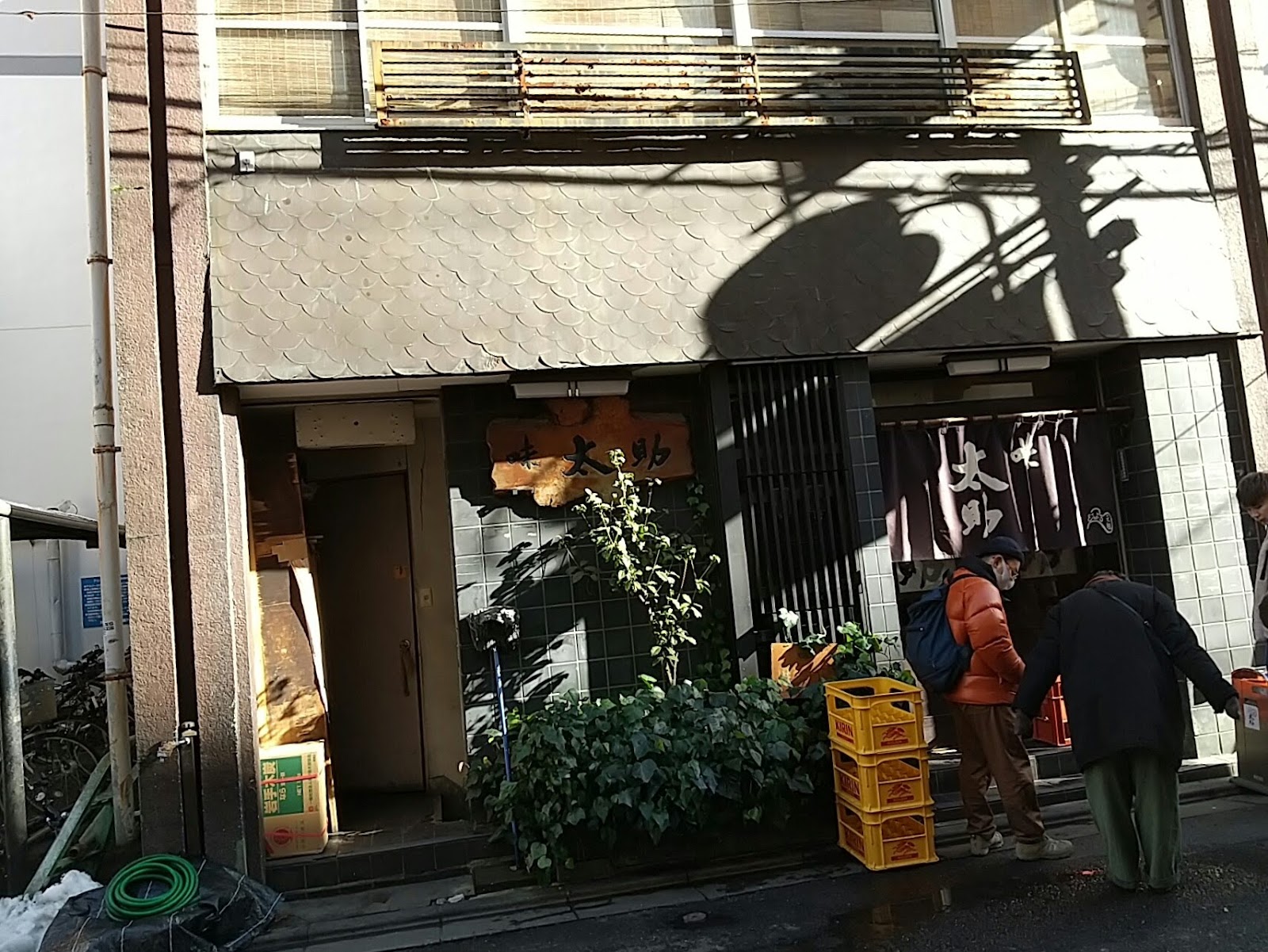
The 1948 birthplace of Sendai's famous charcoal-grilled gyutan, still serving thick-cut beef tongue with barley rice and oxtail soup.
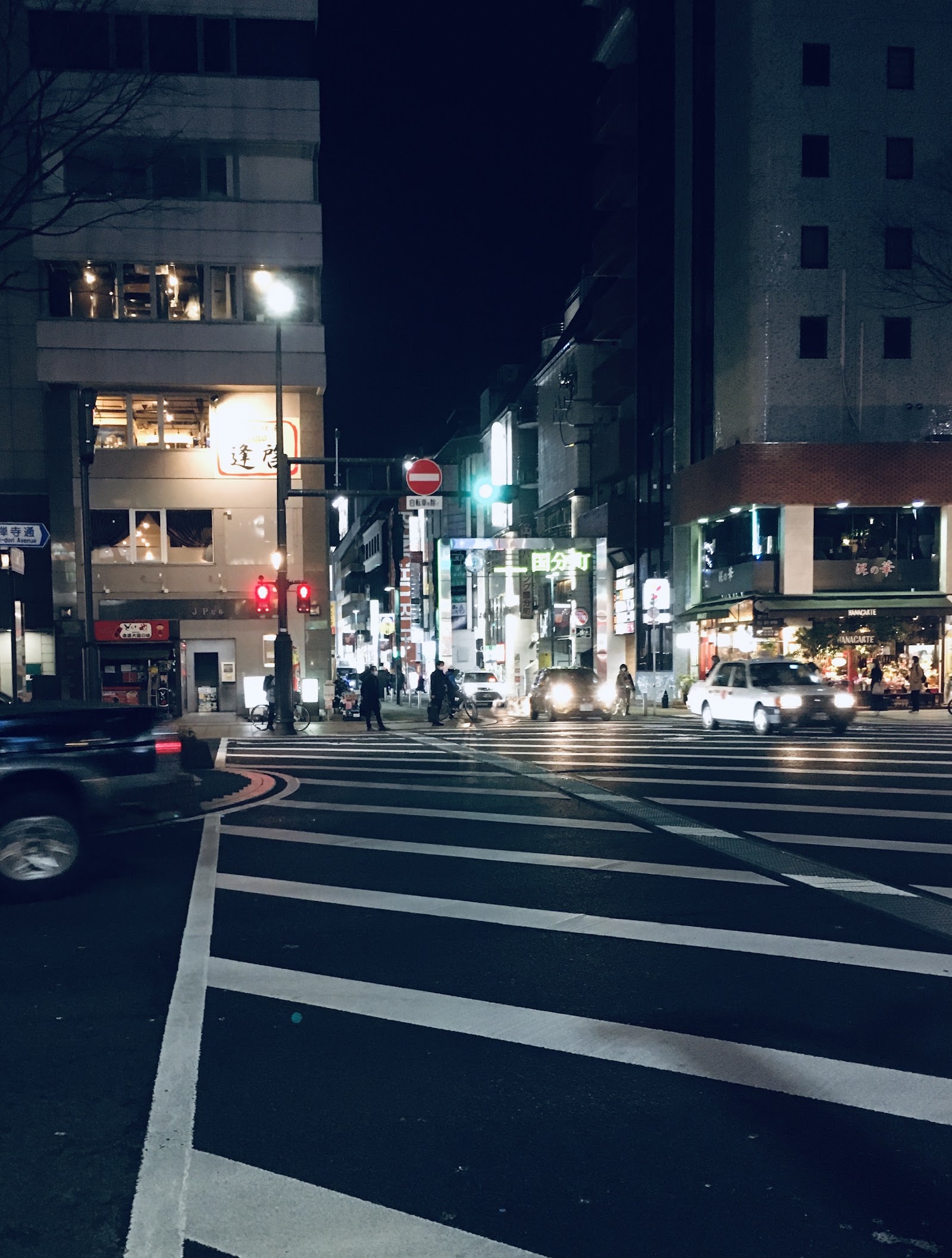
Aji Tasuke is where Sendai's signature dish was born. In 1948, in the lean years after the war, founder Keishiro Sano was searching for a way to use cuts of beef that few others wanted. Drawing on techniques he had seen in Western kitchens, he began salting and charcoal-grilling beef tongue, or gyutan. The dish caught on, spread across the city, and today there are more than a hundred gyutan restaurants in Sendai, all of which trace their lineage back to this modest counter in the Kokubuncho entertainment district.
The restaurant remains small and unpretentious, run by Sano's descendants. You sit at a worn counter or a handful of tables while cooks fan glowing binchotan charcoal just an arm's length away. The specialty is deceptively simple: thick slices of tongue, salted and aged, grilled until the exterior is smoky and lightly crisp while the inside stays tender and juicy. What sets the original apart is the cut, noticeably thicker than the thin slices many chains serve.
The thing to order is the gyutan teishoku, the set meal that has barely changed in decades. It pairs the grilled tongue with mugimeshi (nutty barley-and-rice), a bowl of clear oxtail soup (tehon) that is rich but clean, and a small heap of green pickles. Regulars add extra tongue and a cold beer. The interplay of salty smoke, the slippery-tender meat, the earthy barley and the restorative soup is the whole point, and it explains why the formula was copied so widely.
There is a nice bit of history in the room: the shop has long been a favorite of writers, actors and touring performers passing through Tohoku, and old photographs and signatures line parts of the wall. Do not expect polish or English hand-holding, this is a working local institution, not a tourist showcase, and that is precisely its charm.
The experience is quick and informal, ideal for a solo traveler or a pair. Seating is limited and turnover is fast, so lunchtime can mean a short wait outside. Cash is the safest bet. There is a restroom, but tables are cramped and the atmosphere is loud and friendly rather than refined.
Go for an early lunch or an early dinner to avoid the queue. Any season works, since gyutan is not seasonal, though a warm bowl of tail soup is especially welcome in the cold Tohoku winter.
To get there from Sendai Station, walk about 15 minutes west into the Kokubuncho and Ichibancho area, or ride the Namboku subway line two stops to Kotodai-koen and walk five minutes toward the covered Ichibancho arcade. The shop occupies a corner in the 4-chome block; look for the small dark noren curtain and the plain frontage rather than a flashy sign. A related branch operates nearby, but this honten (main store) is the original.
A local's tip
Order the classic 'gyutan teishoku' set with tail soup (tehon) and mugimeshi barley rice, and go at opening or just after the lunch rush, as the counter is tiny and lines form fast.
Best time to visit
Lunch / early evening
Getting there
From Sendai Station it is a 15-minute walk west into the Kokubuncho district, or two subway stops on the Namboku Line to Kotodai-koen, then a 5-minute walk toward the Ichibancho arcade. The shop sits on a corner in the 4-chome block of Ichibancho with a small navy noren curtain and little English signage.
Good to know
- Restrooms
- Card payment
- English menu
- Counter seating
Plan the whole trip offline
Aji Tasuke Honten (Birthplace of Gyutan) is one of many places in the Real Japan app — with turn-by-turn directions, nearby spots and full offline maps you can use with no signal.