A tranquil pottery village in Yomitan where Okinawan yachimun artisans throw, fire, and sell their work amid banyan-shaded lanes.
Yomitan Yachimun no Sato is a peaceful pottery village in the town of Yomitan on Okinawa's central west coast, where a community of ceramic artisans lives, works, and sells amid quiet, greenery-shaded lanes. Yachimun is the Okinawan word for pottery, a craft with deep roots in the island's history, and this village was established when potters, seeking more space and access to firewood than crowded Naha could offer, relocated here to continue their work. The result is one of the best places in Okinawa to see traditional ceramics being made and to buy directly from the people who make them.
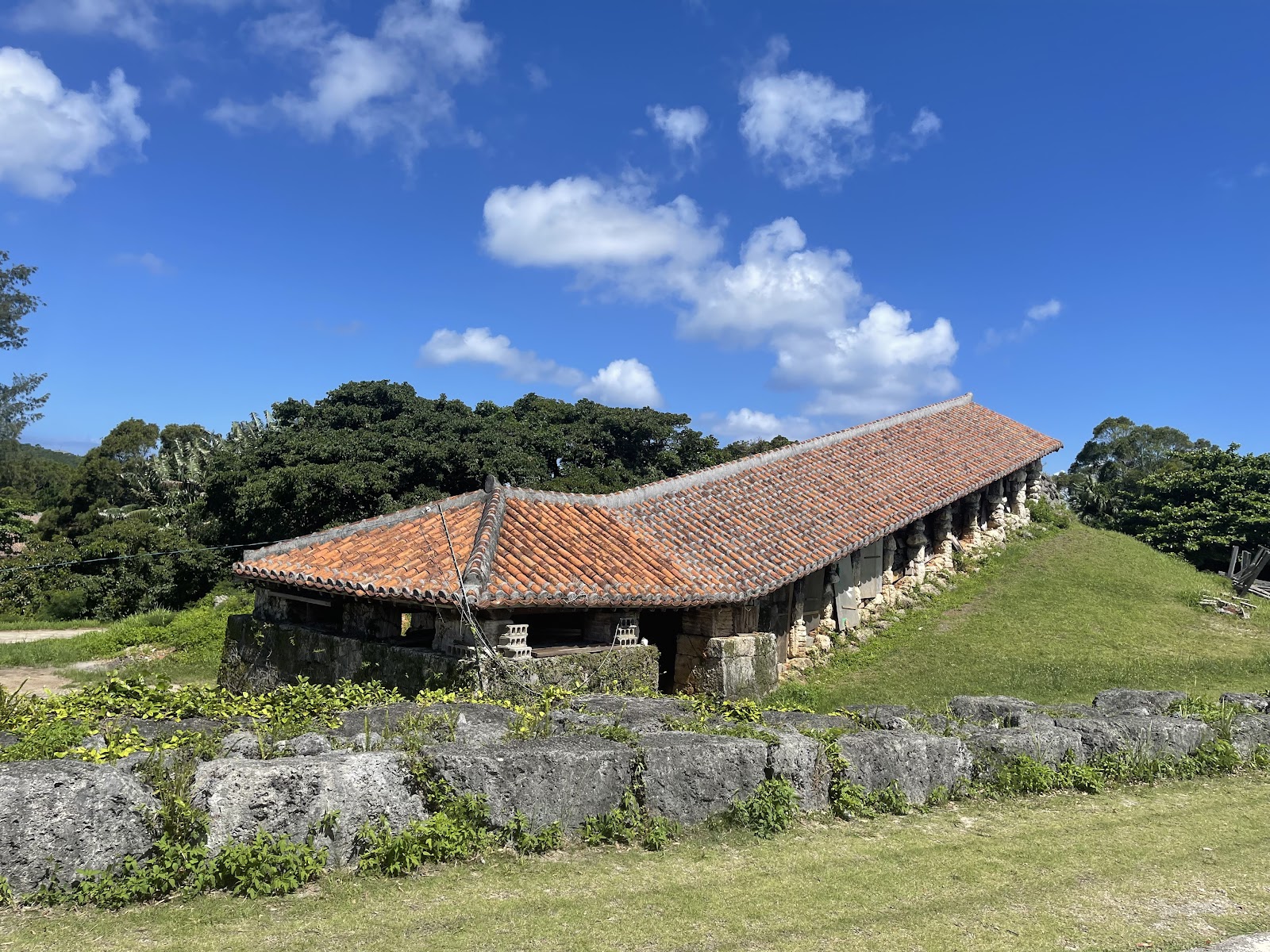
The village is a loose, walkable cluster of studios, workshops, galleries, and kilns set among trees and traditional-style buildings, giving it a calm, rural atmosphere far removed from the island's beach resorts and shopping streets. At its heart stand communal climbing kilns, the long, stepped noborigama built into the slope, which the potters share for the wood firings that give Okinawan ceramics their distinctive character. Yachimun is known for its bold, earthy glazes and folk motifs, from fish and flowers to the fierce shisa lion-dogs, and the pieces here range from everyday cups and plates to prized art ceramics.
What to see and do centres on browsing and buying. Wander from studio to studio admiring the potters at work, explore the galleries where finished pieces are displayed and sold, and pick up a genuinely local, handmade souvenir with real provenance, whether a simple rice bowl, a sake cup, or a hand-modelled shisa. The communal kilns are a highlight in their own right, and the unhurried village setting makes for a lovely, contemplative wander, with the occasional cafe or rest spot to pause along the way.
The visiting experience is quiet, cultured, and refreshingly authentic. Because it is a working craft village rather than a tourist complex, it rewards a slow, curious approach, and buying directly from the artisans supports a living tradition. The lanes are mostly flat and easy to walk, with parking and restrooms available, though the studios keep their own hours and some may close on particular days, so a daytime visit is best.
The best time to visit is daytime, when the workshops and galleries are open and you can watch the potters at work. Getting there really calls for a car, roughly fifty minutes north from Naha to Yomitan, as public transport to the village is limited; parking is available on site. For travellers who value craft, culture, and a meaningful souvenir over beach time, Yomitan Yachimun no Sato is one of Okinawa's most rewarding and characterful stops.
A local's tip
Look for the communal climbing kiln (noborigama) at the heart of the village, a working symbol of the potters' cooperative.
Best time to visit
Daytime, when the pottery studios and galleries are open
Getting there
About 50 minutes by car north from Naha to the village of Yomitan; the pottery village is best reached with your own vehicle.
Good to know
- Parking
- Restrooms
Plan the whole trip offline
Yomitan Yachimun no Sato is one of many places in the Real Japan app — with turn-by-turn directions, nearby spots and full offline maps you can use with no signal.