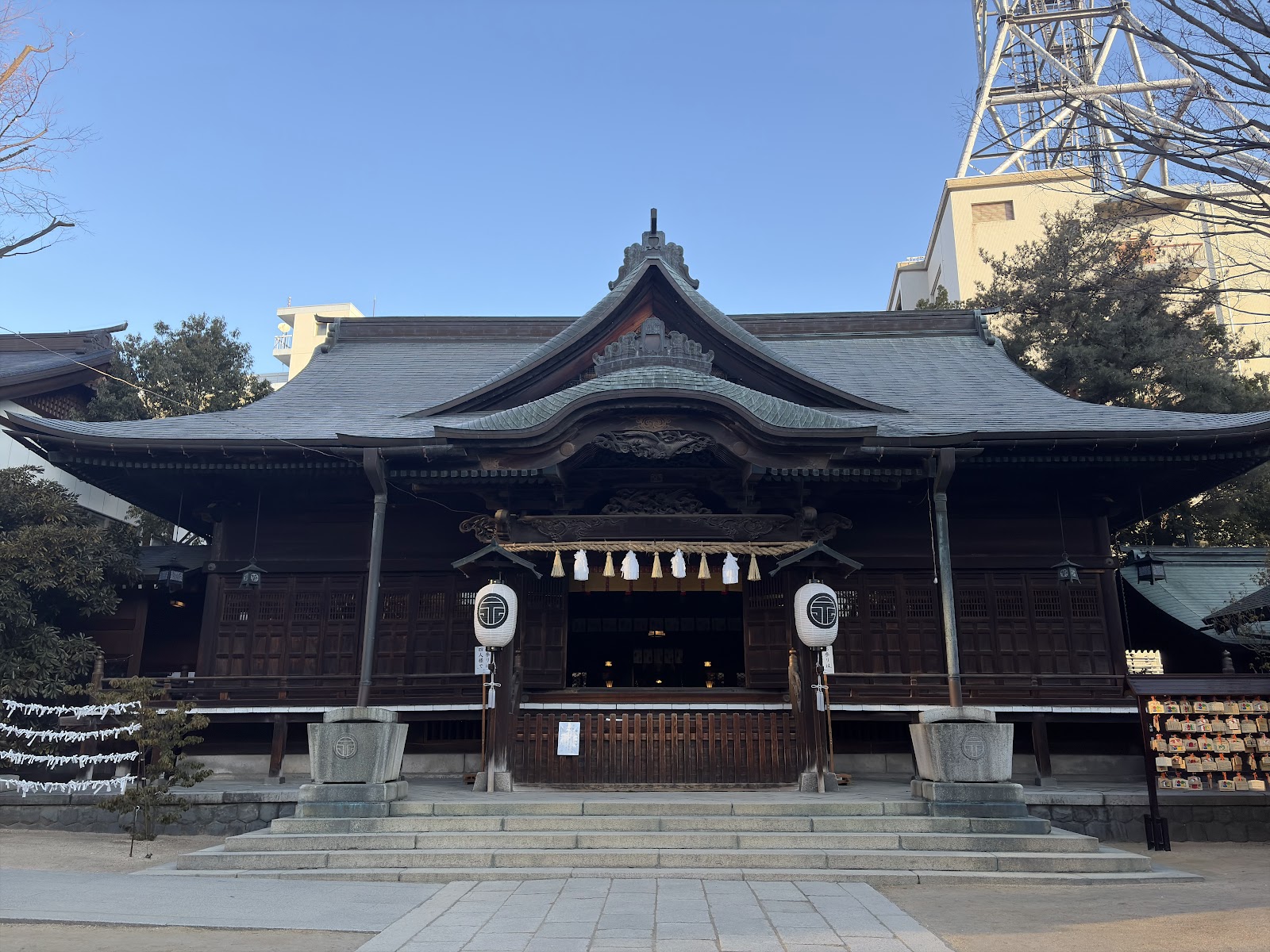
A central Matsumoto Shinto shrine by the Metoba River enshrining four deities, said to grant nearly any wish.
Yohashira Shrine is a much-loved Shinto shrine in the heart of Matsumoto's old town, sitting beside the Metoba River right at the eastern end of the retro Nawate shopping street. Its name, written with characters meaning "four pillars," refers to the four deities it enshrines together, and because those four gods are believed to cover the full range of blessings, the shrine has a popular reputation as a place where almost any wish can be granted, which makes it a busy stop for locals seeking good fortune.
The shrine was established in the early Meiji period, founded in 1879, making it younger than many of Japan's ancient shrines, but it quickly became a spiritual anchor of the modern castle town. It enshrines four important Shinto deities associated with creation, prosperity and the well-being of the nation, and this unusual concentration of gods in one place is exactly what gives Yohashira its all-purpose, one-stop appeal for prayers ranging from success and business to relationships and health.
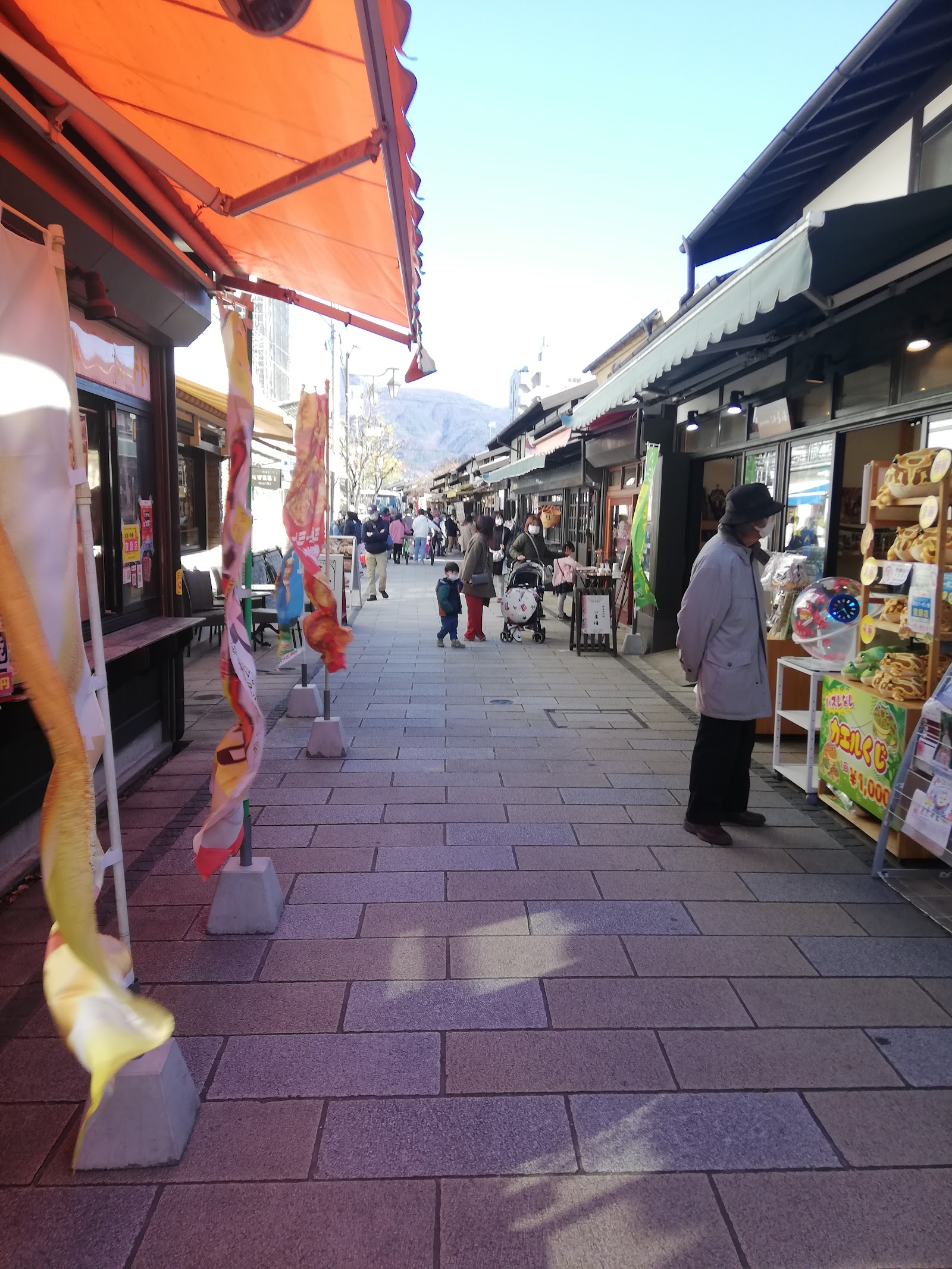
The grounds are compact but atmospheric, with a torii gate, a main worship hall, guardian komainu statues and the gentle sound of the river alongside. Being right on Nawate Street and a short walk from Nakamachi and the castle, the shrine is woven into the fabric of the old town rather than set apart from it, and its approach helped shape Nawate's development as a lively market lane. For visitors it offers a quiet, genuine pocket of Shinto worship in the middle of an easy sightseeing stroll.
A notable feature is the shrine's role in the city's festival calendar. It hosts seasonal events and is especially busy at New Year for hatsumode, the first shrine visit of the year, and during local festivals when stalls and crowds fill the surrounding streets. Collectors of goshuin, the calligraphic shrine stamps, prize Yohashira's seal as a memento of a Matsumoto visit.
The experience is short, free and easy. The grounds are flat and open, a visit takes only around 20 to 30 minutes, and it pairs perfectly with the adjacent Nawate frog street, a river crossing to Nakamachi, and the walk up to Matsumoto Castle. You can toss a coin, offer a prayer, buy a charm or omikuji fortune, and be on your way in minutes, or linger to soak up the everyday devotional atmosphere. It is pleasant in every season, from cherry-blossom spring to snowy winter, though it is at its most vivid during festivals and the New Year period.
Getting there could hardly be simpler. From the east exit of Matsumoto Station it is a flat walk of about 10 minutes north toward the Metoba River, and the shrine stands at the eastern end of Nawate Street on the north bank. It lies directly on the main pedestrian route between the station and the castle, so most visitors pass close by. The Town Sneaker loop bus stops nearby and IC cards work on the local buses. Come during daylight to browse the charm office and, if you enjoy them, to receive a goshuin stamp.
A local's tip
The shrine is said to grant almost any wish because it enshrines four deities together, so it is a popular one-stop spot for good fortune; pick up its distinctive goshuin stamp.
Best time to visit
Daytime; lively during festivals and New Year, quiet on ordinary weekday mornings
Getting there
From Matsumoto Station east exit, walk about 10 minutes north; the shrine sits at the eastern end of Nawate Street beside the Metoba River.
Good to know
- Restrooms
- Charm shop
Plan the whole trip offline
Yohashira Shrine is one of many places in the Real Japan app — with turn-by-turn directions, nearby spots and full offline maps you can use with no signal.