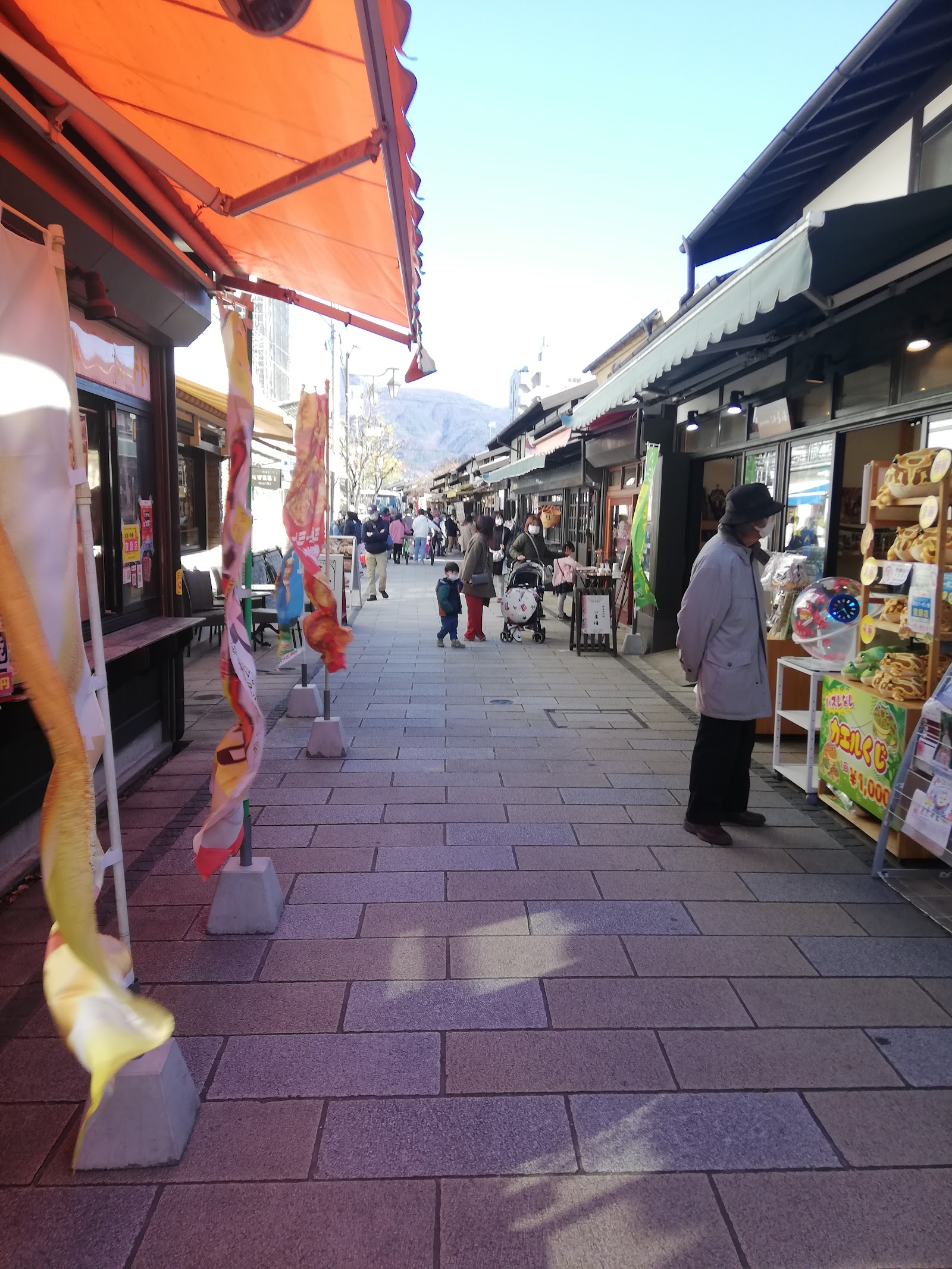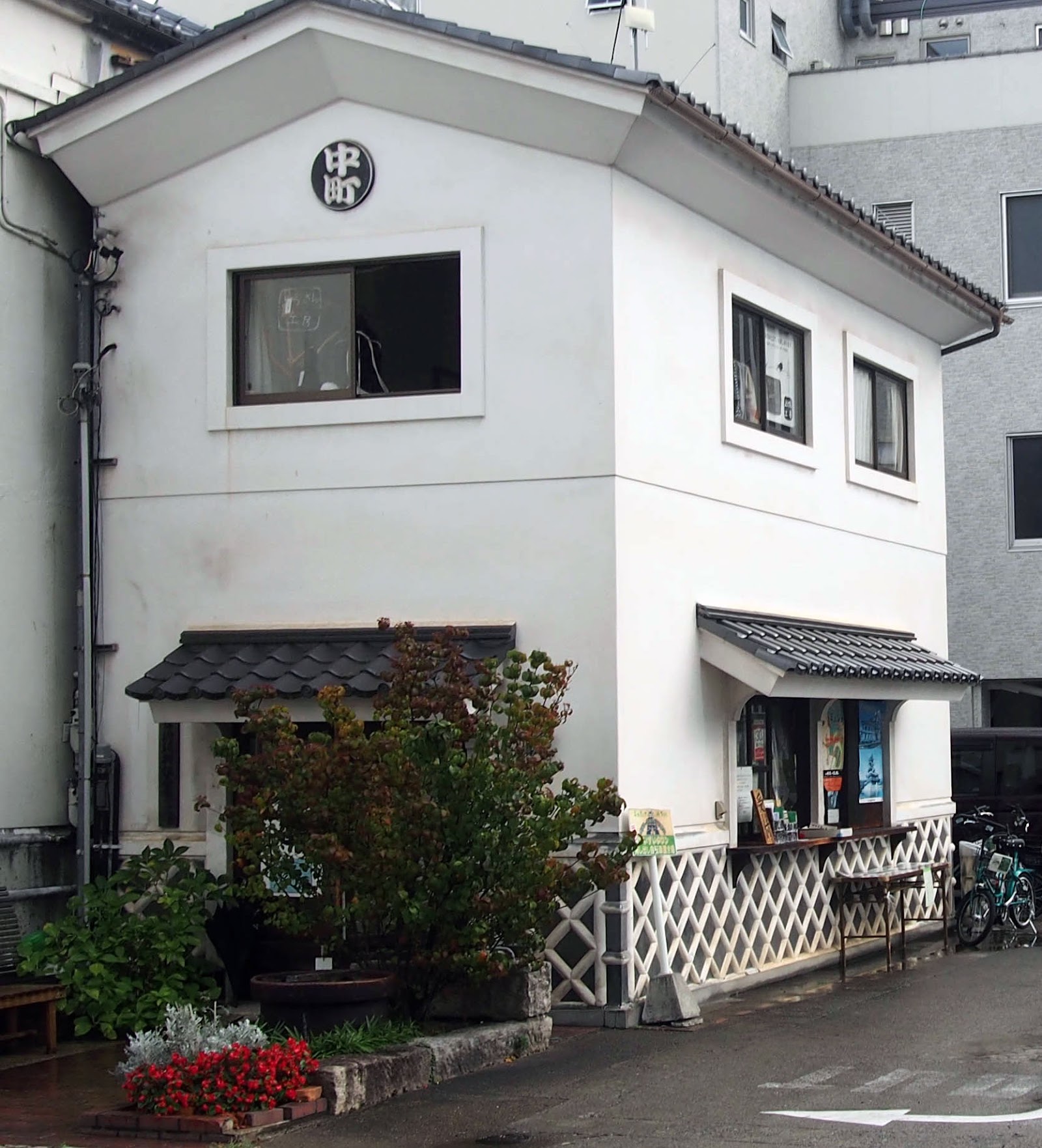
A preserved merchant street of white-walled kura storehouses, now craft shops, cafes and galleries south of the Metoba River.
Nakamachi Street is Matsumoto's best-preserved merchant quarter, a low-slung row of traditional buildings running along the south bank of the Metoba River in the heart of the old castle town. In the Edo and Meiji periods this was the commercial spine of Matsumoto, lined with sake brewers, kimono dealers and merchants who stored their goods in fire-resistant kura, thick-walled storehouses finished in white plaster with distinctive black-and-white lattice patterns called namako-kabe.
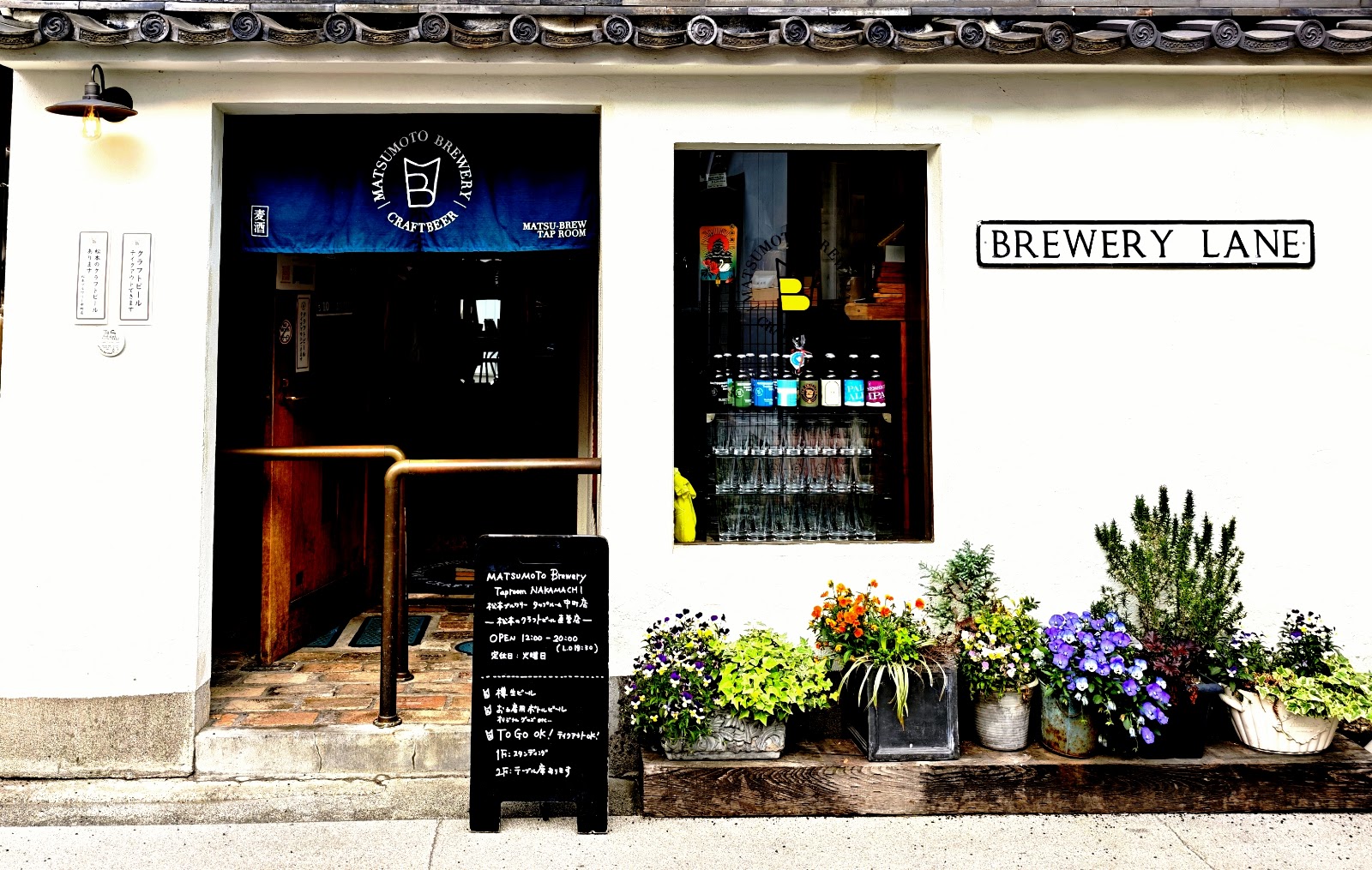
Much of the district burned in a major fire in 1888, and when it was rebuilt the townspeople deliberately chose sturdy kura-style construction to resist future fires. That decision is why the street retains such a consistent, handsome look today. Many of those old warehouses and shophouses have been carefully restored and repurposed into craft shops, cafes, sake stores, miso sellers, antique dealers and small galleries, so the architecture is not a museum piece but a living, working street.
Matsumoto has a strong craft identity, and Nakamachi is one of the best places to see it. Look for locally made woodwork and Matsumoto folk furniture, hand-blown glass, indigo textiles, washi paper goods and Shinshu specialities like miso and soba. The Kurassic-kan, a former sake brewery, sits at the centre of the street as a free community space and rest stop with an impressive timber interior, and it serves as a good landmark and place to catch your breath.
A notable detail is the contrast between Nakamachi's refined merchant atmosphere and the more playful Nawate Street just across the river; together they show the two faces of the old town. Nakamachi feels grown-up and understated, ideal for slow browsing, a coffee in a converted storehouse, or picking up a genuine local craft souvenir rather than mass-produced trinkets.
The experience is relaxed and highly accessible. The street is flat, paved and short enough to stroll end to end in well under an hour, though craft lovers can easily spend a half day. It is comfortable in any season, pleasant under cherry blossoms in spring, shaded in summer, atmospheric in autumn, and quietly pretty when dusted with snow in winter. Shops generally open around 10:00 and close by early evening, so late morning to mid-afternoon is the best window; a few venues close on weekdays, so weekends are liveliest.
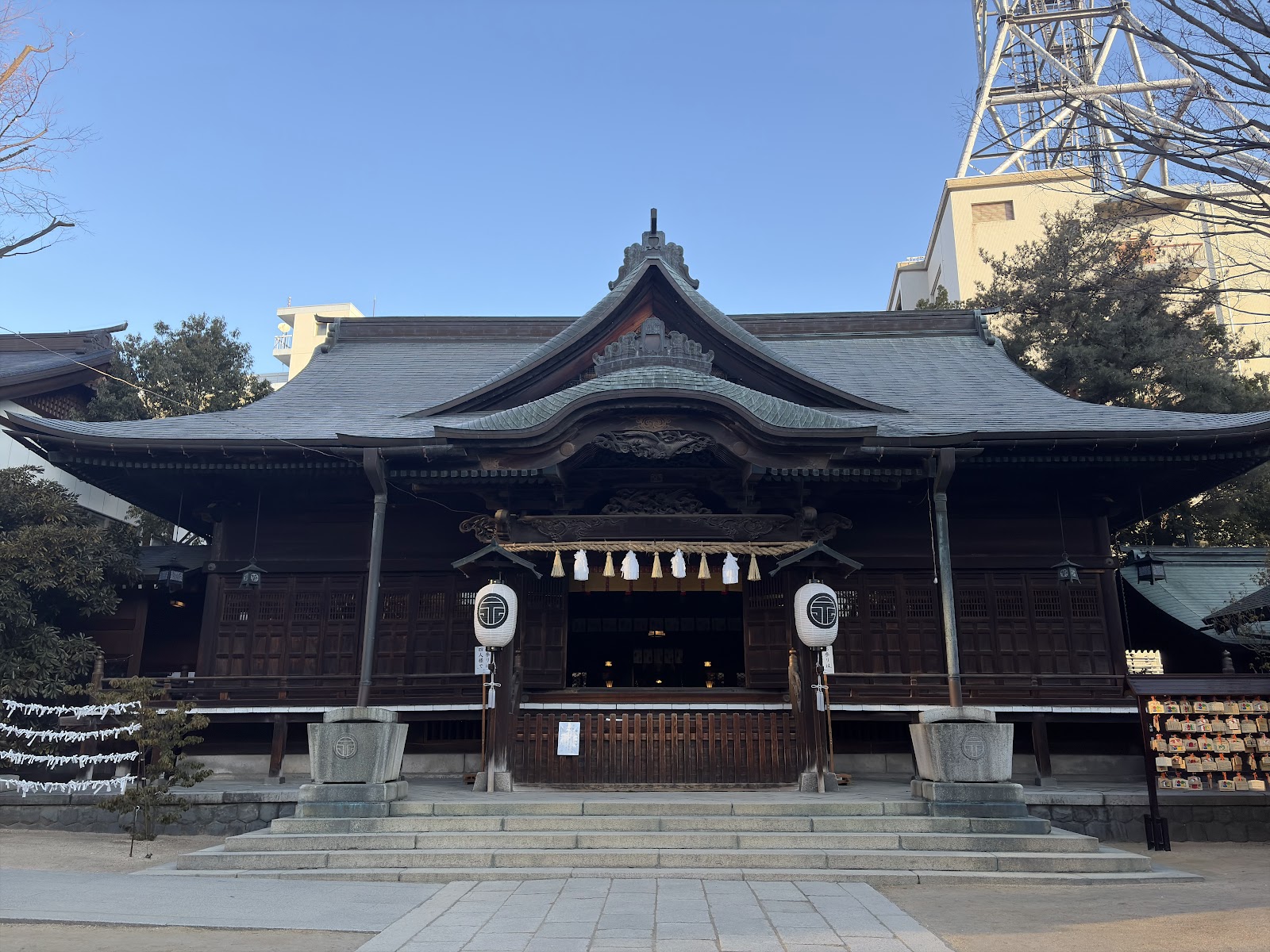
Getting there is easy. From the east exit of Matsumoto Station it is about a 10-minute flat walk northeast toward the Metoba River, and Nakamachi runs parallel to the water on the south side. It sits directly on the natural walking route between the station and Matsumoto Castle, so many visitors pass through it on the way to or from the keep. The Town Sneaker loop bus also stops nearby, and IC cards work on the local buses. Combine it with Nawate Street and Yohashira Shrine, all within a few minutes' walk, for a compact tour of old Matsumoto.
A local's tip
Duck into the shops selling local Matsumoto folk crafts and Shinshu miso, and look for the black-and-white kura warehouses now converted into cafes and galleries.
Best time to visit
Late morning to afternoon when shops and cafes are open
Getting there
From Matsumoto Station east exit, walk about 10 minutes northeast toward the Metoba River; Nakamachi runs along the south bank.
Good to know
- Cafes
- Shops
- Restrooms
Plan the whole trip offline
Nakamachi Street is one of many places in the Real Japan app — with turn-by-turn directions, nearby spots and full offline maps you can use with no signal.