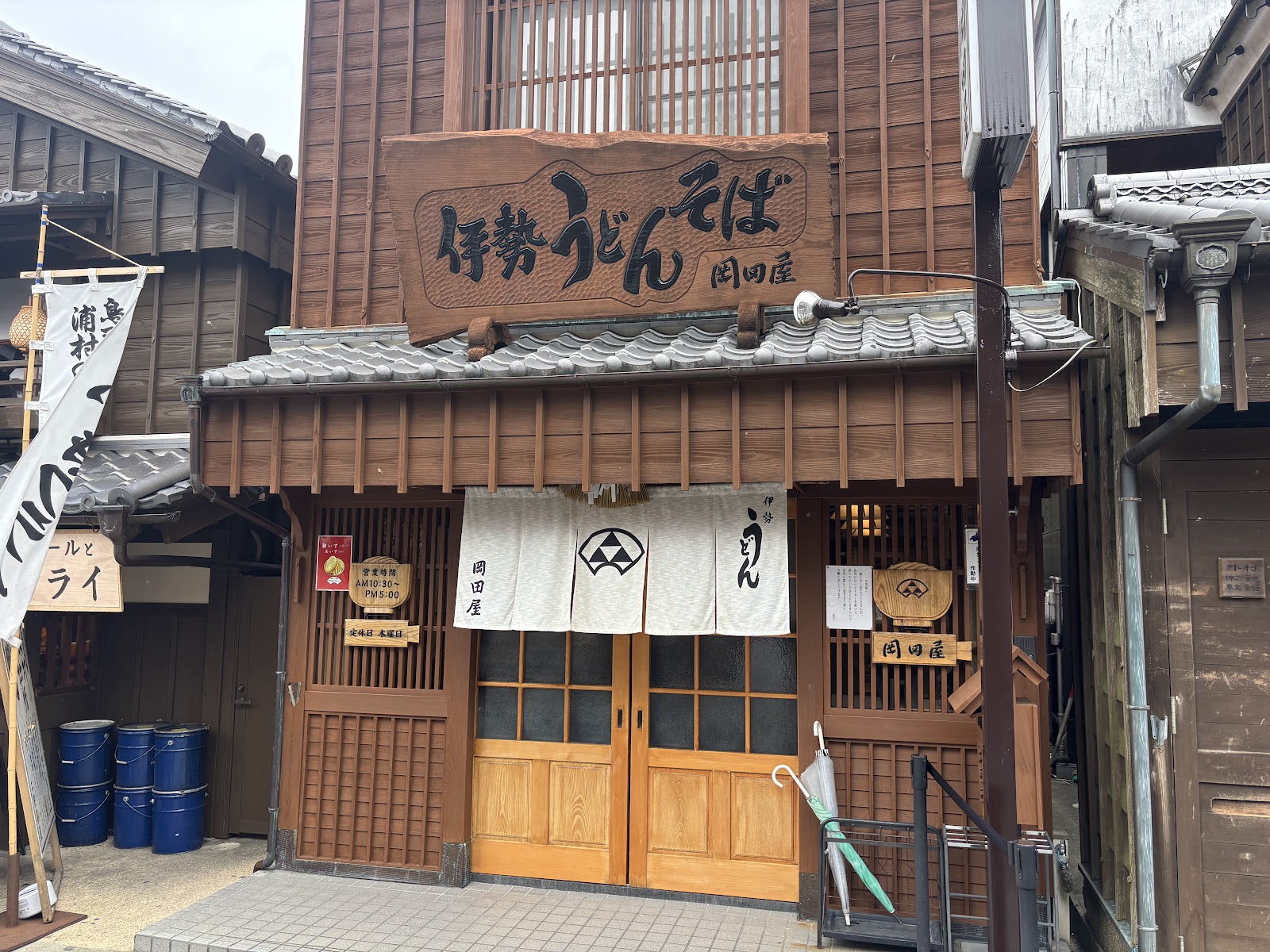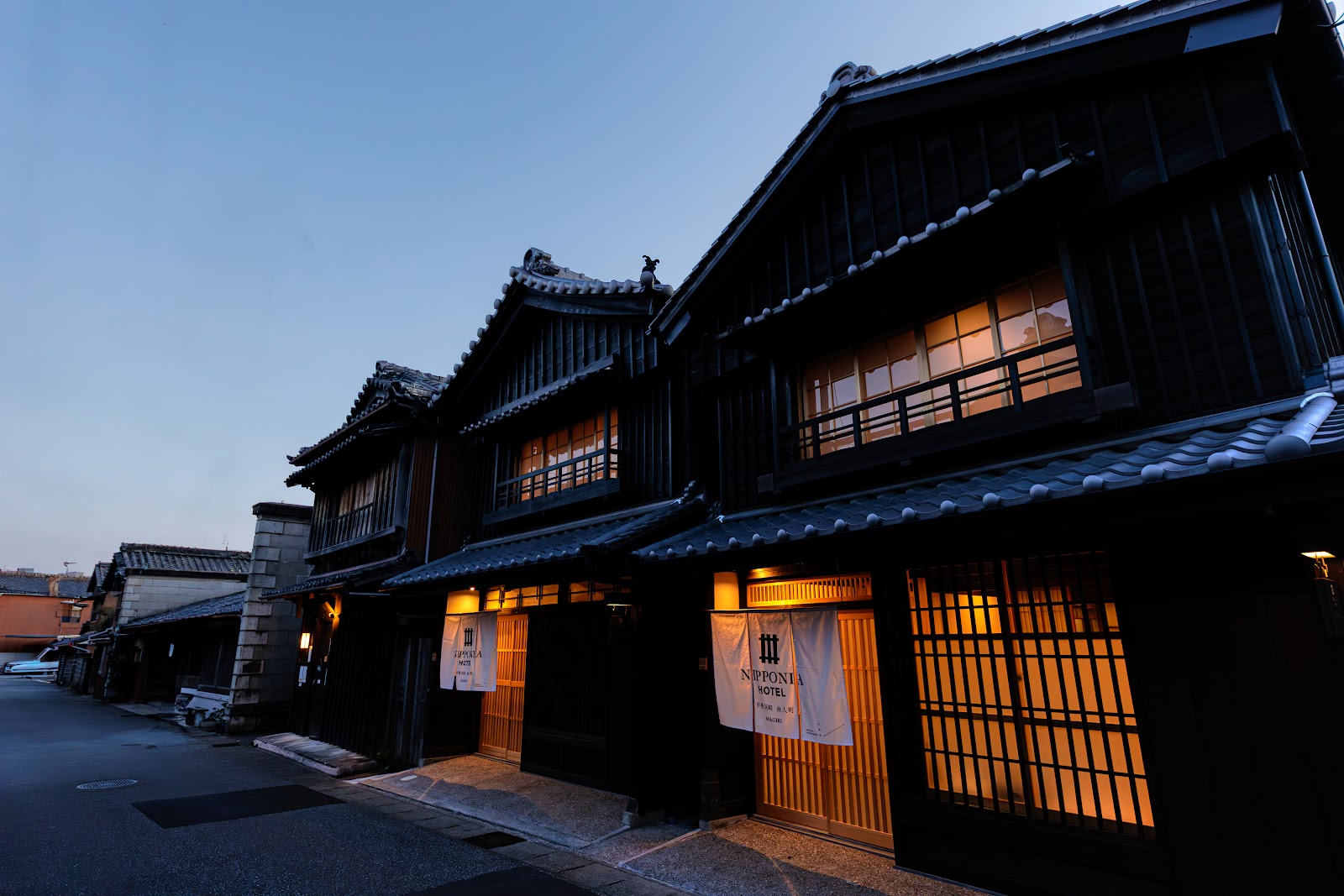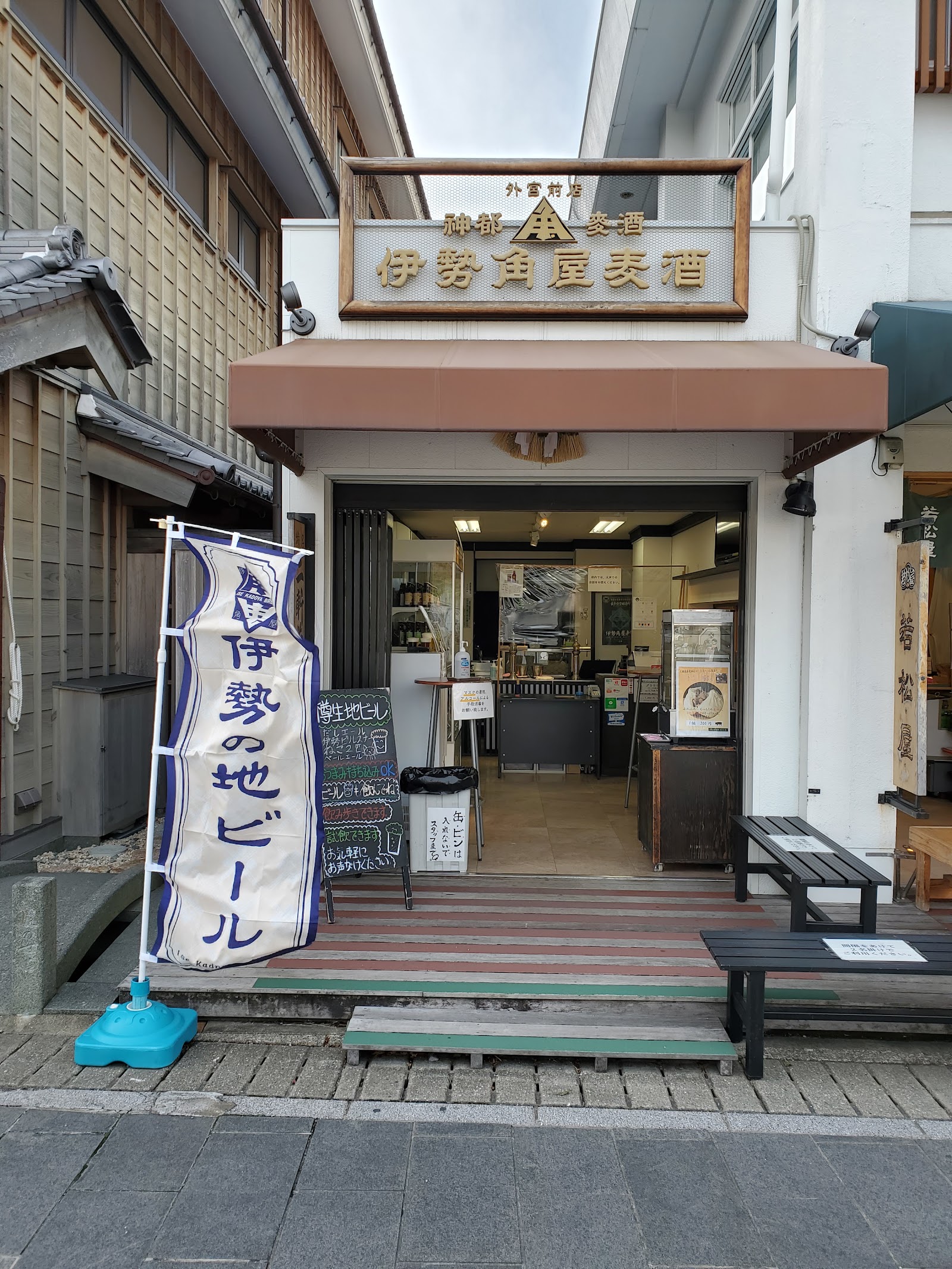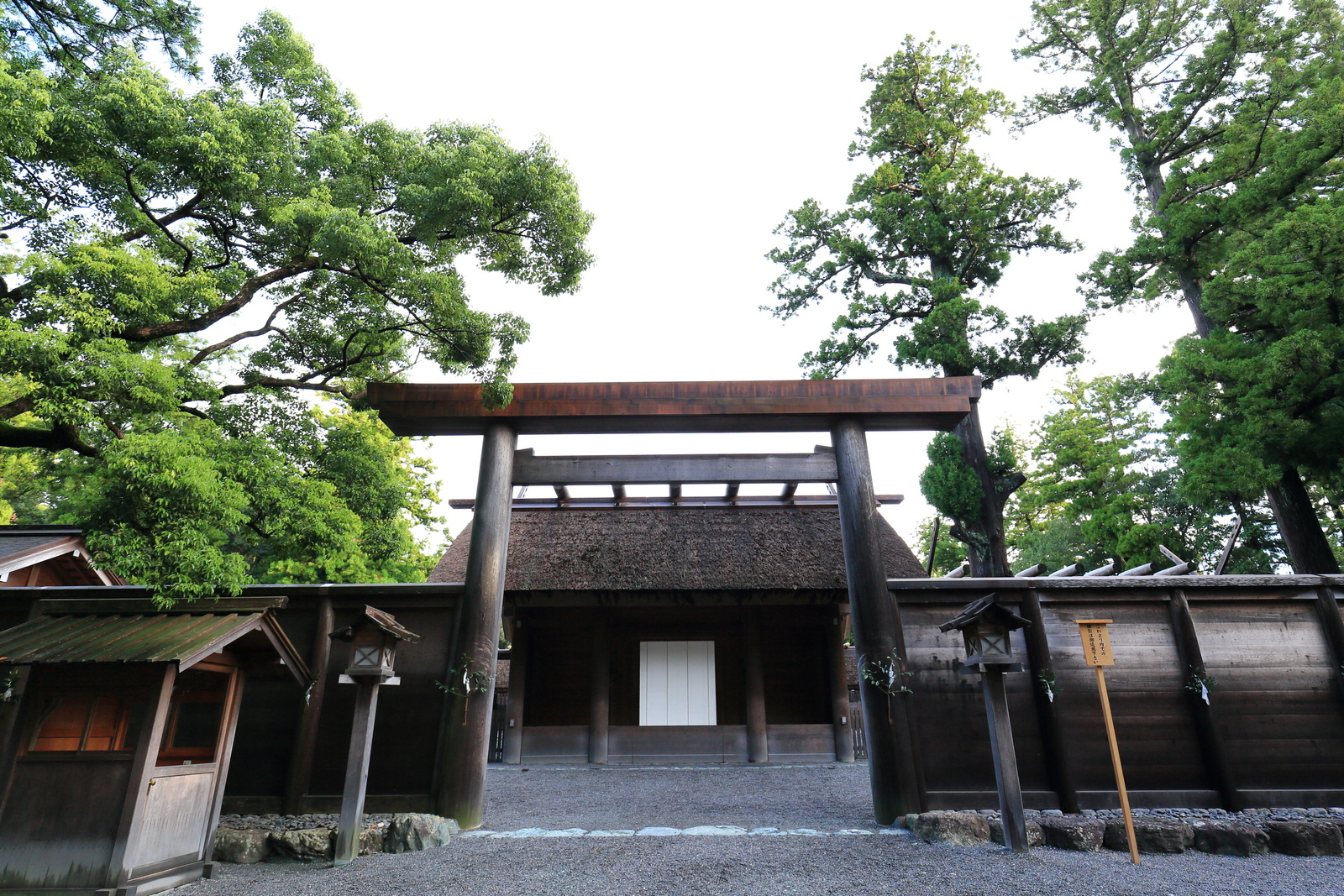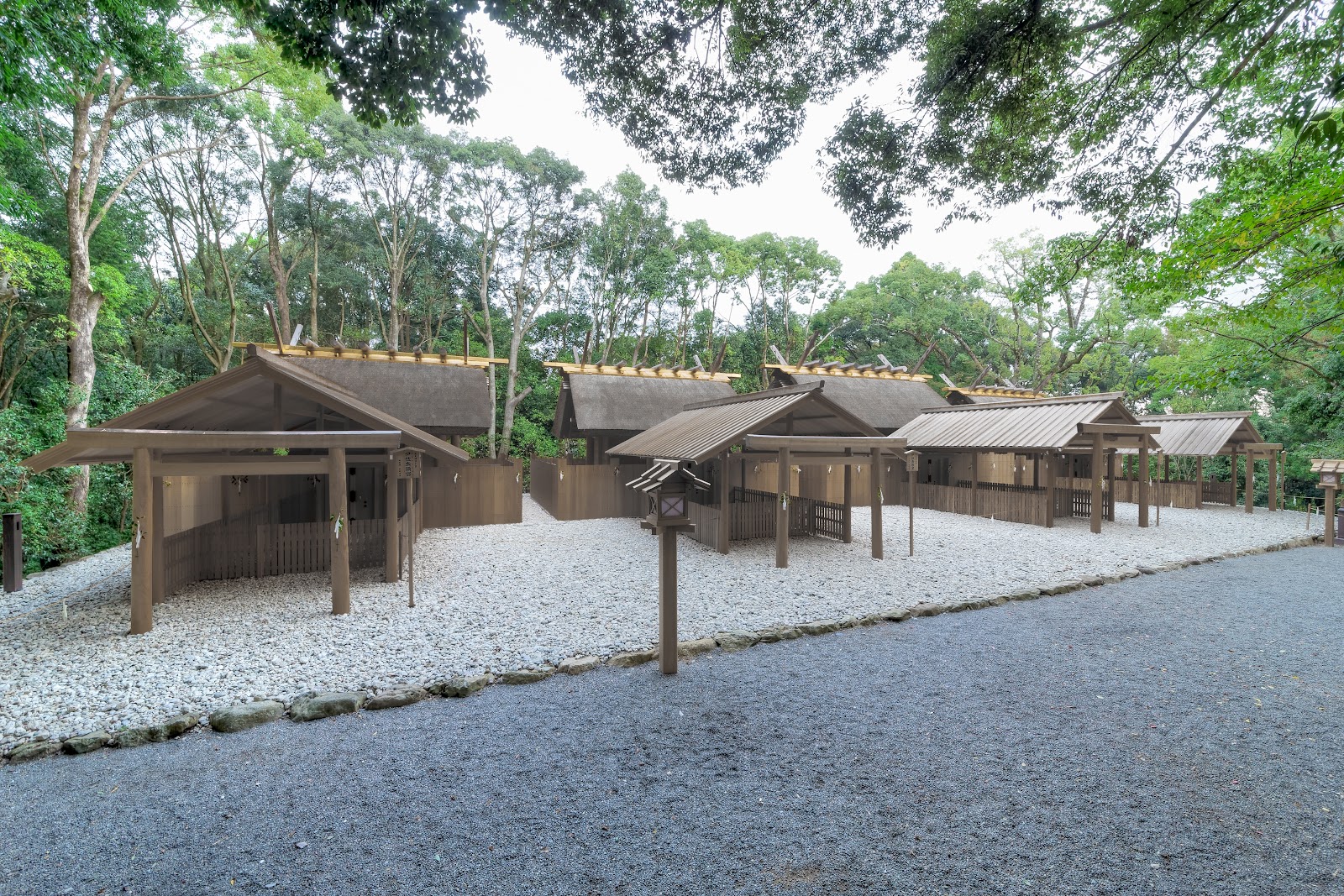
The Outer Shrine's auxiliary moon shrine, a small, tranquil sanctuary within walking distance of Iseshi Station.
Tsukuyomi-no-miya is the principal betsugu, or auxiliary shrine, of the Geku, the Outer Shrine of Ise Jingu, and enshrines the moon deity Tsukuyomi no Mikoto. Small, serene and easily overlooked, it lies tucked into a quiet neighbourhood a short walk from both the Geku and Iseshi Station, and it offers curious visitors a chance to see how the sacred network of Ise ripples outward from its great central shrines into the surrounding town.
It is worth clarifying a point that puzzles many visitors: Ise has two separate moon shrines with almost identical names. One, Tsukiyomi-no-miya, belongs to the Naiku and stands between the two main shrines; this one, Tsukuyomi-no-miya, belongs to the Geku. Both honour the same lunar deity, born in myth from the right eye of the creator god Izanagi as the sibling of the sun goddess Amaterasu, but each falls under a different parent shrine within the hierarchy of Ise Jingu. Seeking out both is a small pilgrimage in itself and a satisfying way to grasp the layered structure of the shrine complex.
As a top-ranking betsugu of the Geku, Tsukuyomi-no-miya is built in the same austere and beautiful Shinmei style as the main sanctuaries, its unpainted cypress hall raised on stilts within a modest wooded compound. Like the great shrines, it too participates in the Shikinen Sengu, the ritual reconstruction carried out every twenty years, so the timber sanctuary is periodically renewed and an adjacent plot lies ready for the next rebuilding. The moon god's association with the passage of time, the tides and the agricultural calendar sits fittingly alongside the Geku's own deity of harvests and food.
The shrine's great appeal is its tranquillity. Far from the streams of visitors at the Naiku, it occupies a peaceful residential setting where the loudest sound is often birdsong and the rustle of leaves. A visit takes only a few minutes, but the quiet dignity of the little sanctuary, and the sense of discovering a sacred place that most tourists pass by, make it a rewarding detour for those who linger in Ise.
Because it sits within walking distance of both the Geku and Iseshi Station, Tsukuyomi-no-miya is one of the most convenient of Ise's auxiliary shrines to include in a walking itinerary, ideally paired with the Outer Shrine at the start of a day of pilgrimage. Admission is free and the grounds open at dawn. For travellers who want to experience Ise beyond its headline sites and feel the deep, understated spirituality that pervades the whole area, this modest moon shrine is a small and memorable treasure.
A local's tip
This is the Outer Shrine's own moon shrine, distinct from the Naiku's Tsukiyomi-no-miya; visit both to appreciate Ise's layered network of sanctuaries.
Best time to visit
Morning, combined with a visit to the nearby Geku
Getting there
A short walk north of the Geku and about 10 minutes on foot from Iseshi Station, tucked into a quiet neighbourhood.
Good to know
- Parking
- Restrooms
Plan the whole trip offline
Tsukuyomi-no-miya (Geku) is one of many places in the Real Japan app — with turn-by-turn directions, nearby spots and full offline maps you can use with no signal.