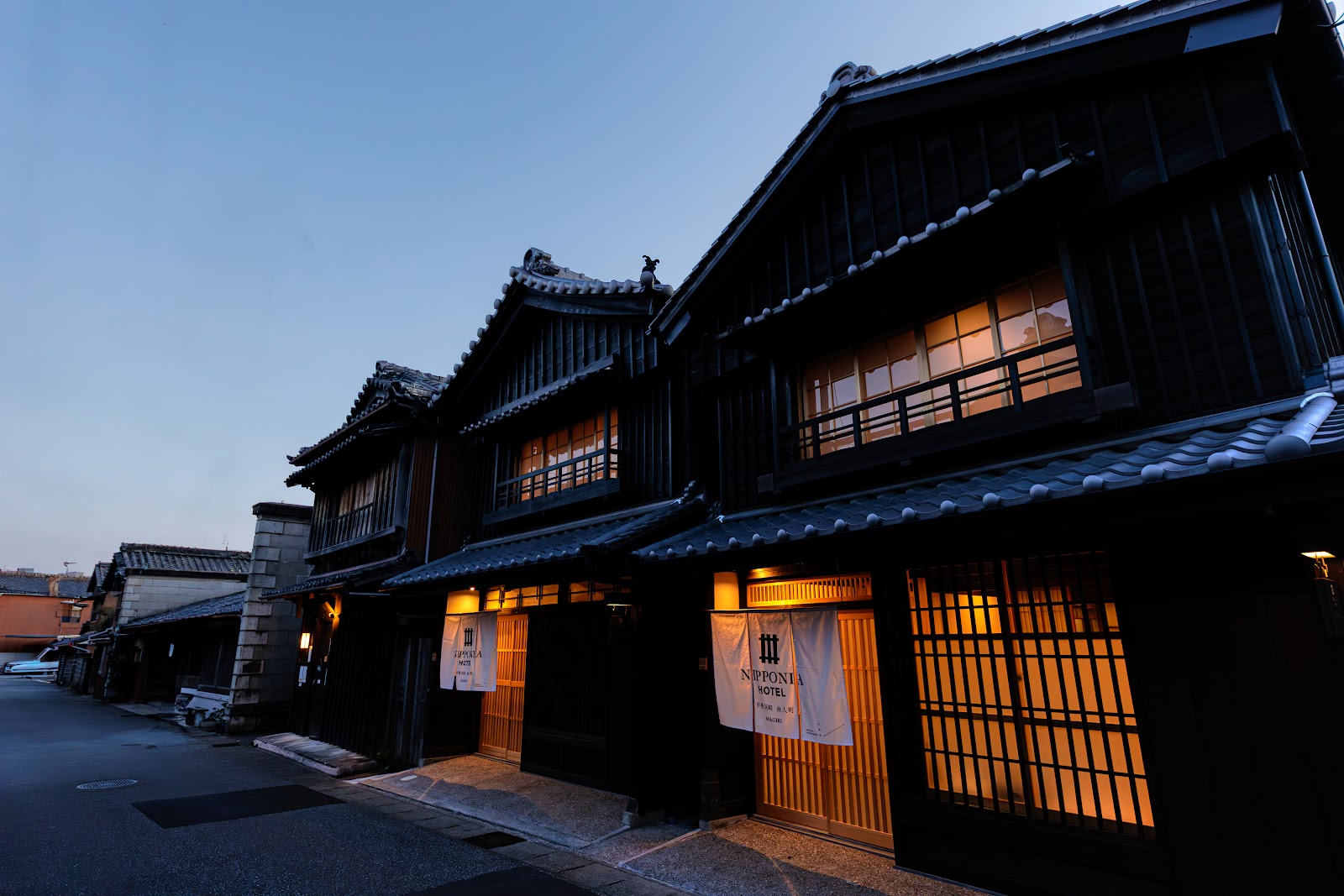
A preserved Edo-era merchant quarter of black-walled storehouses and machiya along the Seta River, once Ise's bustling wholesale port.
Ise Kawasaki, often called Kawasaki no Machinami, is one of the loveliest and least crowded historic districts in the Ise area, a quiet counterpoint to the busy pilgrim streets around the shrine. Stretching along Kawasaki Hondori parallel to the Seta River just north-east of Ise-shi Station, it preserves a townscape of black-plastered storehouses (kura), lattice-fronted merchant homes and old warehouses that recall the district's heyday as the commercial artery of Ise.
During the Edo period, Kawasaki thrived as a wholesale and shipping hub. Goods brought by boat up the Seta River — rice, sake, timber, dry goods and provisions for the enormous numbers of pilgrims flooding into Ise — were unloaded, stored and traded here. The riverbank bristled with landing stages and warehouses, and the merchants who ran them grew wealthy supplying the shrine town. That prosperity built the dignified rows of kura and machiya that still line the street today, many of them two and three centuries old.
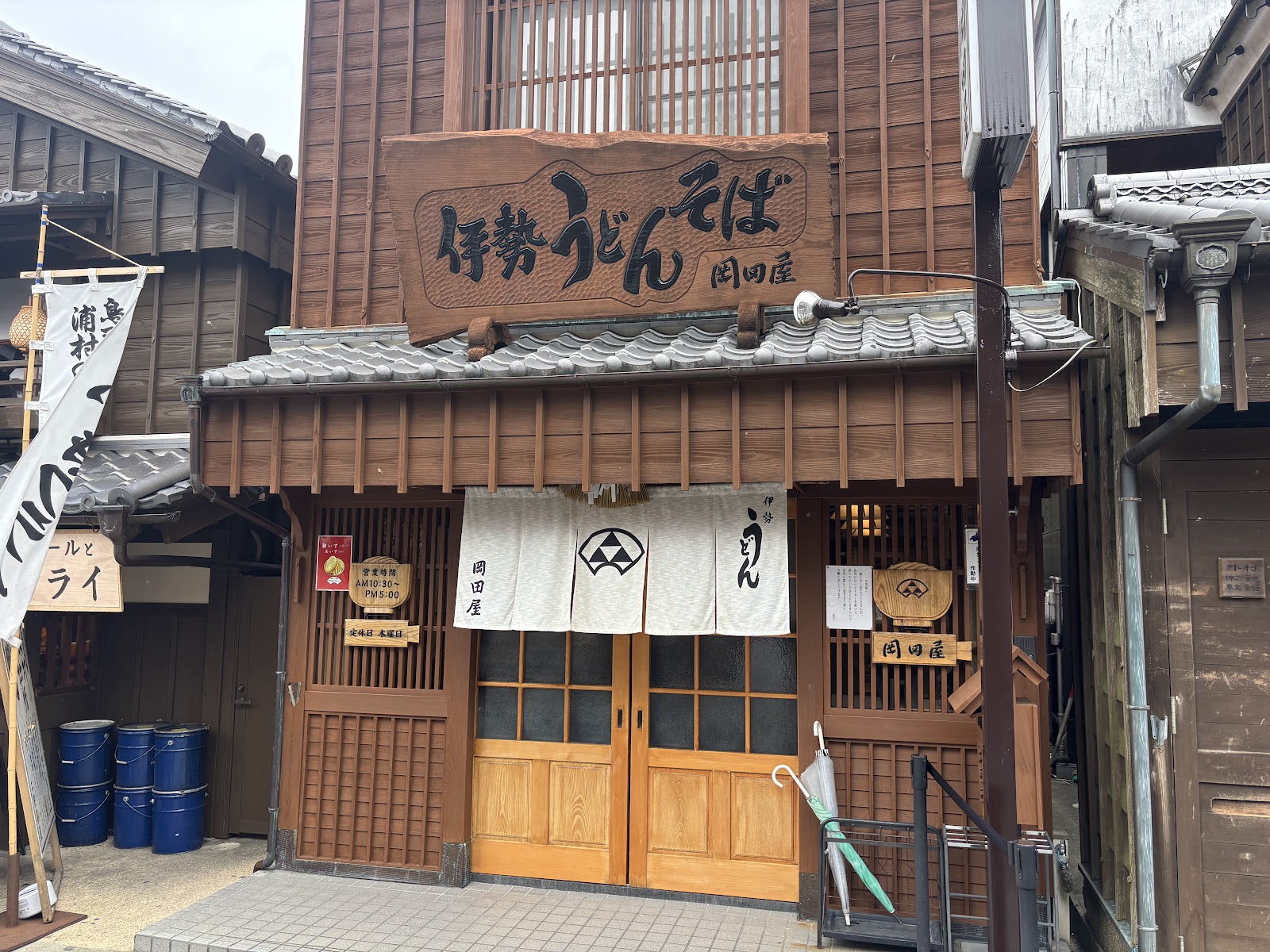
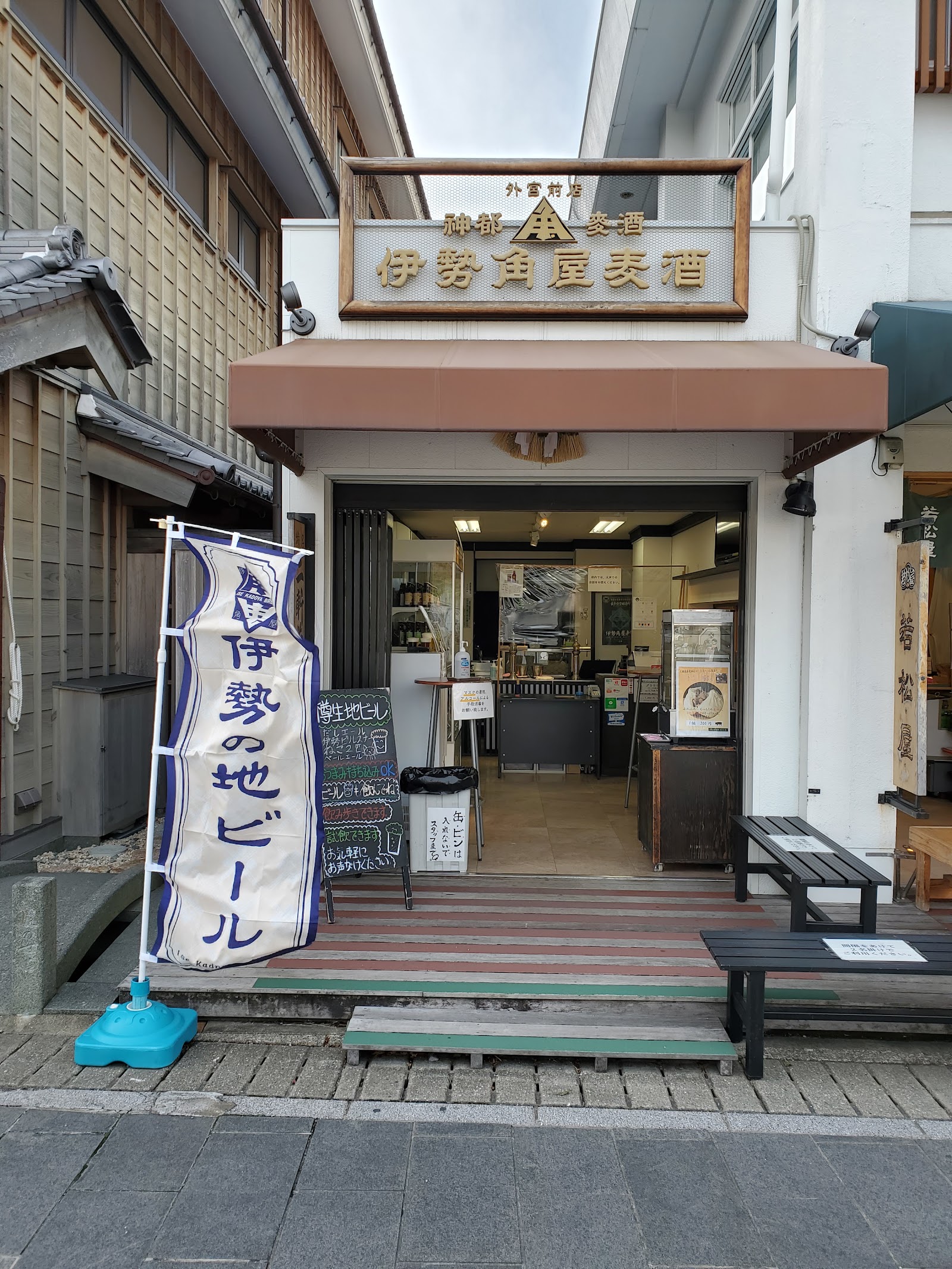
Walking the district now is a gentle pleasure. The main street runs for several hundred metres, its dark-timber facades and white-and-black storehouse walls creating a photogenic, atmospheric corridor that feels worlds away from the tourist bustle of Oharaimachi. Rather than souvenir stalls, Kawasaki has been revived with a scattering of stylish independents: cafes tucked inside old warehouses, shops selling Ise Shunkei lacquerware and other regional crafts, small galleries, and traditional food and sake merchants. The restored Kawasaki Kaisho, a former merchant guild hall, offers a glimpse of how the trading community organised itself and displays panels on the area's history. Down by the water, a retro riverside building known as Kawasaki River Station serves as a landing point for small wooden pleasure boats that still cruise the Seta River.
The appeal of Kawasaki is its unhurried, lived-in authenticity. Because it draws fewer visitors than the shrine approaches, you can wander at your own pace, ducking into a warehouse cafe for hand-made cake and coffee, admiring the craftsmanship of the old beams and plaster, and imagining the clamour of boats and porters that once filled the riverbank. Seasonal events and occasional markets bring extra life, but even on an ordinary weekday the district rewards slow exploration.
For visitors, the practicalities are simple. The streets are always open and free to stroll, while individual shops and cafes generally keep daytime hours and may close irregularly, so mornings and early afternoons are the safest bet for finding them open. Soft morning or late-afternoon light flatters the storehouse walls for photography. The area pairs naturally with a visit to the nearby Geku (Outer Shrine), which is only a short walk away, letting you combine sacred and secular sides of old Ise in one outing. To get there, walk about twelve minutes north-east from Ise-shi Station, served by both JR and Kintetsu lines, toward the Seta River. Peaceful, handsome and genuinely historic, Ise Kawasaki is a rewarding detour for anyone who wants to see the merchant town that once kept the great shrine supplied.
A local's tip
Step inside Kawasaki Kaisho, a restored merchant meeting house, and browse the warehouse cafes and craft shops — many old kura have been reborn as galleries and coffee spots.
Best time to visit
Morning or late afternoon for soft light on the storehouses
Getting there
About a 12-minute walk north-east from Ise-shi Station toward the Seta River. The district runs along Kawasaki Hondori parallel to the water.
Good to know
- Cafes
- Parking
- Restrooms
Plan the whole trip offline
Ise Kawasaki Merchant Town is one of many places in the Real Japan app — with turn-by-turn directions, nearby spots and full offline maps you can use with no signal.