Japan's first convent for Trappistine nuns, a serene brick cloister known for its handmade sweets.
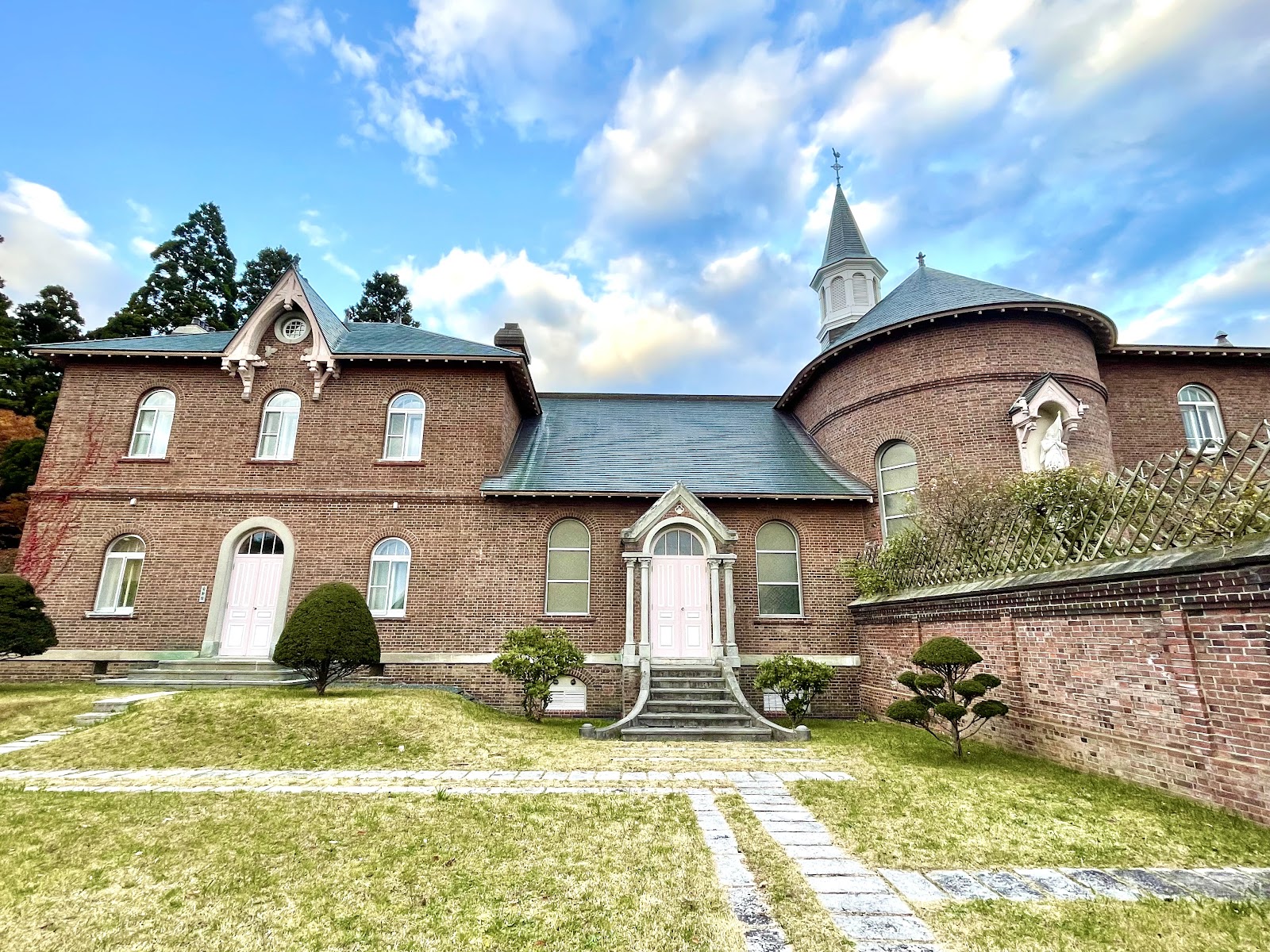
The Trappistine Convent, formally the Tenshien or Monastery of the Angels, sits on a quiet hillside in the southeastern outskirts of Hakodate and holds the distinction of being the first convent for Trappistine nuns established in Japan, founded in 1898 by a small group of French sisters. A working monastery of the Cistercian Order of the Strict Observance, it remains home to a community of cloistered nuns who live a contemplative life of prayer, study and manual labour, and its serene grounds and handsome brick and stone architecture make it one of the more unusual and peaceful attractions in the city.
Hakodate was one of Japan's earliest ports opened to foreign trade and influence in the 19th century, and with that openness came Christian missionaries and the establishment of churches, schools and religious communities. The Trappistine Convent, along with the nearby Trappist Monastery for monks across the bay, is part of this legacy, a tangible reminder of the Western religious presence that shaped Hakodate's distinctive, cosmopolitan character. The convent's founding sisters brought with them European monastic traditions, including skilled dairying and confectionery, which continue to this day.
Because it is an active cloister, visitors cannot enter the enclosed living quarters or interrupt the nuns' secluded life. Instead, the experience centres on the beautiful grounds and the exterior of the buildings, which visitors are free to walk and admire. A gently sloping approach lined with trees leads up to the convent, passing religious statues, including figures of Joan of Arc and the Archangel Michael, set among lawns and gardens that are especially pleasant in spring and autumn. A small museum area and chapel space allow a glimpse into the community's history and devotional life, and the overall atmosphere is calm, reverent and well maintained.
The convent is perhaps best known today for its sweets. Following the European traditions the founding nuns brought with them, the sisters produce hand-made confections, most famously a rich butter candy, along with cookies, madeleines and other treats, which are sold at the gift shop by the entrance. These have become a celebrated Hakodate souvenir, prized for their quality and their connection to the monastic community, and buying a box is for many visitors a highlight of the trip. The proceeds support the convent's self-sufficient way of life.
The setting on the city's edge, near Hakodate Airport and not far from the Yunokawa hot spring district, makes the convent easy to combine with those areas. It is reached by local bus or taxi from the Yunokawa tram terminus, and the grounds are open during daytime hours, with shorter opening in winter and occasional closures for religious observance. Entry to the grounds is free.
For travellers interested in Hakodate's rich history of foreign contact and its unusual religious heritage, or simply seeking a quiet, attractive spot away from the busier sights, the Trappistine Convent offers graceful architecture, tranquil gardens, a moving sense of contemplative life, and some of the most distinctive edible souvenirs in Hokkaido.
A local's tip
You cannot enter the cloister, but the shop sells the nuns' famous hand-made butter cookies, madeleines and candies; they make an excellent, unusual souvenir.
Best time to visit
Daytime; spring and autumn for the gardens
Getting there
From the Yunokawa Onsen tram area take a local bus toward the convent, or a short taxi ride. It sits on a hillside in the southeastern outskirts, near the airport.
Good to know
- Shop
- Parking
- Restrooms
Plan the whole trip offline
Trappistine Convent is one of many places in the Real Japan app — with turn-by-turn directions, nearby spots and full offline maps you can use with no signal.