The stone ramparts of Tottori's feudal castle on Kyusho-zan hill, a top local cherry-blossom spot.
The Tottori Castle Ruins crown Kyusho-zan hill on the northern edge of the city, and together with the surrounding Kyusho Park they form the historic and green heart of Tottori. Though the castle's wooden buildings are long gone, its imposing stone walls, gates and terraced baileys survive, and the site tells the story of the feudal domain that once governed this remote stretch of the Sea of Japan coast.
Tottori Castle was originally built in the sixteenth century and became the seat of the powerful Ikeda clan, who ruled the domain for much of the Edo period. Its most dramatic moment came in 1581, when the warlord Toyotomi Hideyoshi laid a brutal siege to the mountain fortress, starving the defenders into surrender in an episode remembered as one of the harshest sieges in Japanese history. Later rebuilt as the Ikeda family's castle, it served as the center of regional power until the feudal system was abolished in the Meiji era, after which the buildings were dismantled.
Today visitors explore an atmospheric landscape of massive stone ramparts, moats and the outlines of former palaces and defensive works, layered up the hillside. A distinctive round-cornered stone base, unusual in Japanese castle architecture, survives near the base, and interpretive signs help visitors picture the vanished structures. Energetic travelers can climb the old paths up Kyusho-zan to the site of the mountaintop keep, where a fine panorama opens out over the city, across to the famous sand dunes and the sea beyond, a view that makes the effort well worthwhile.
The lower grounds are laid out as Kyusho Park, a spacious lawn that is one of Tottori's most beloved gathering places. In early April the park erupts into cherry blossom, drawing crowds for hanami picnics beneath clouds of pink, and it is consistently rated among the best cherry-blossom destinations in the prefecture. Autumn brings warm foliage to the same slopes, and the park is pleasant to wander in any season.
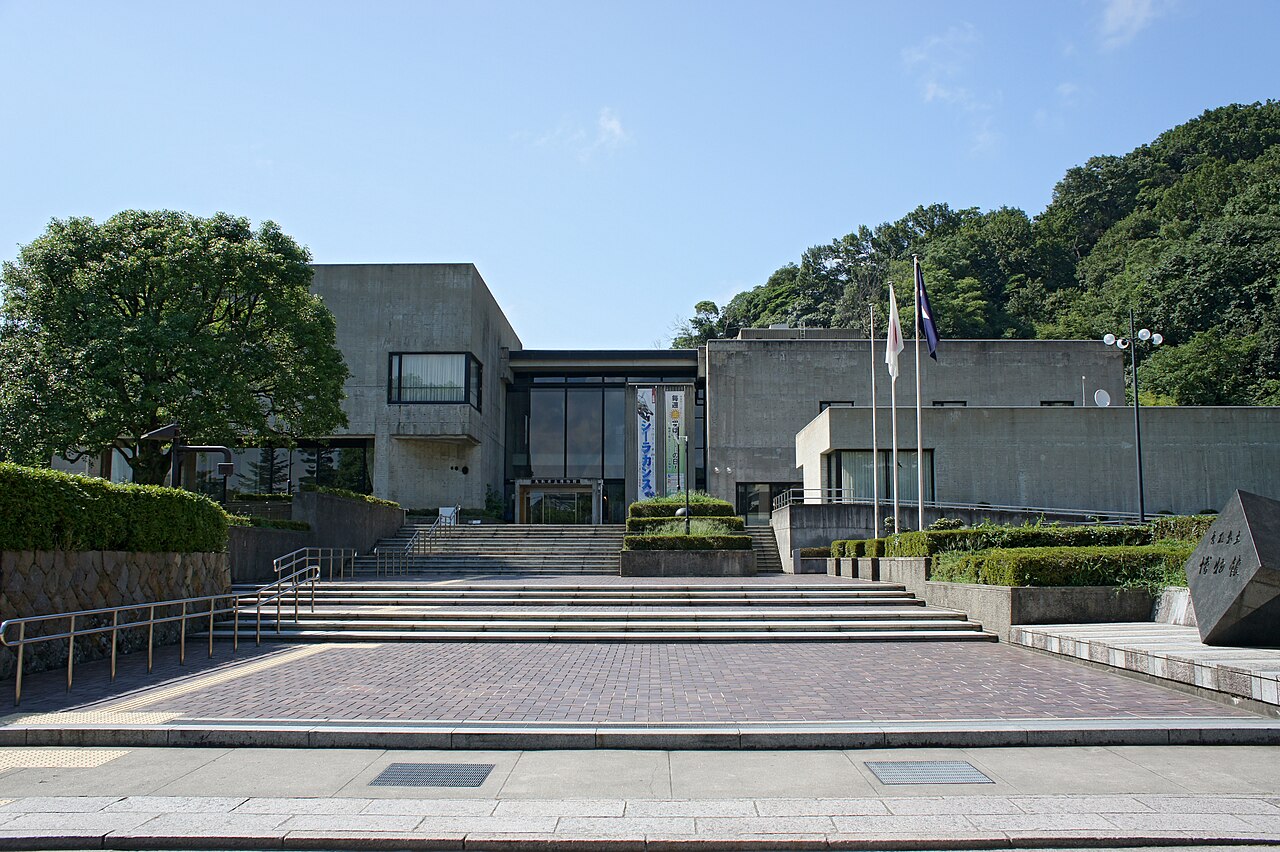
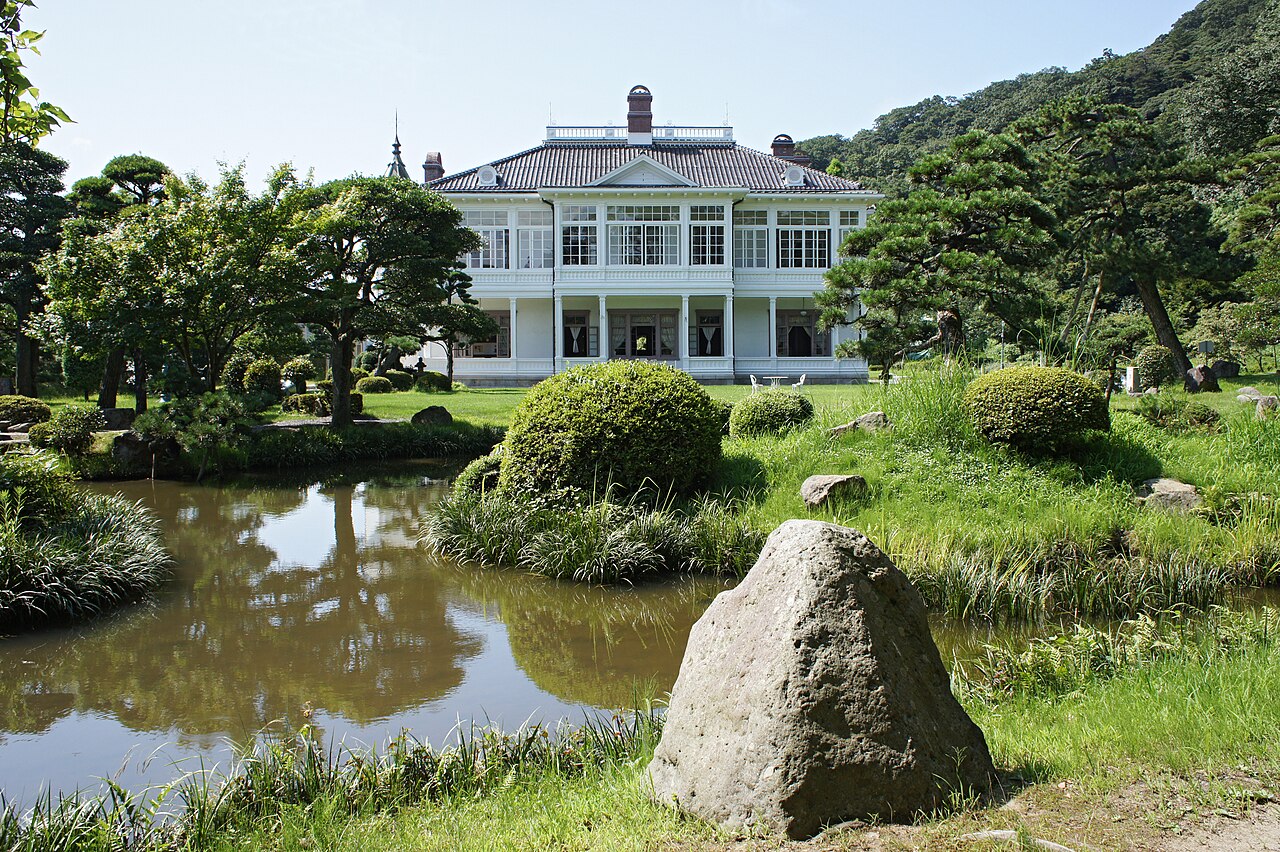
Set within the park is Jinpukaku, an elegant Western-style mansion from the early twentieth century, along with the Tottori Prefectural Museum, so the site conveniently clusters several attractions together and easily fills a half-day of history, nature and views.
A visit is flexible and free. The park and lower ruins are level and easy to enjoy for all ages, while the climb to the upper bailey is a moderate hike on uneven ground best suited to those in reasonable shape and wearing proper shoes. There are restrooms and parking nearby, and the whole area sits within an easy walk or short bus ride of Tottori Station.
For travelers, the Tottori Castle Ruins offer an authentic and uncrowded encounter with samurai-era history, a genuinely dramatic siege story, and one of the best viewpoints in the city, all wrapped in a lovely park that changes beautifully with the seasons, making it a natural first stop when exploring Japan's least-visited prefecture.
A local's tip
Climb the stone ramparts to the upper bailey for a sweeping view over the city to the sand dunes and sea beyond — most day-trippers never leave the lower lawn.
Best time to visit
Early April for cherry blossoms
Getting there
About a 25-minute walk or short bus ride from Tottori Station toward the base of Kyusho-zan hill; the ruins and Kyusho Park are freely accessible.
Good to know
- Park
- Parking
- Restrooms
Plan the whole trip offline
Tottori Castle Ruins is one of many places in the Real Japan app — with turn-by-turn directions, nearby spots and full offline maps you can use with no signal.