Japan's highest bus stop at 2,702 m, the gateway to Mt. Norikura's gentle 3,026 m summit and vast alpine views.
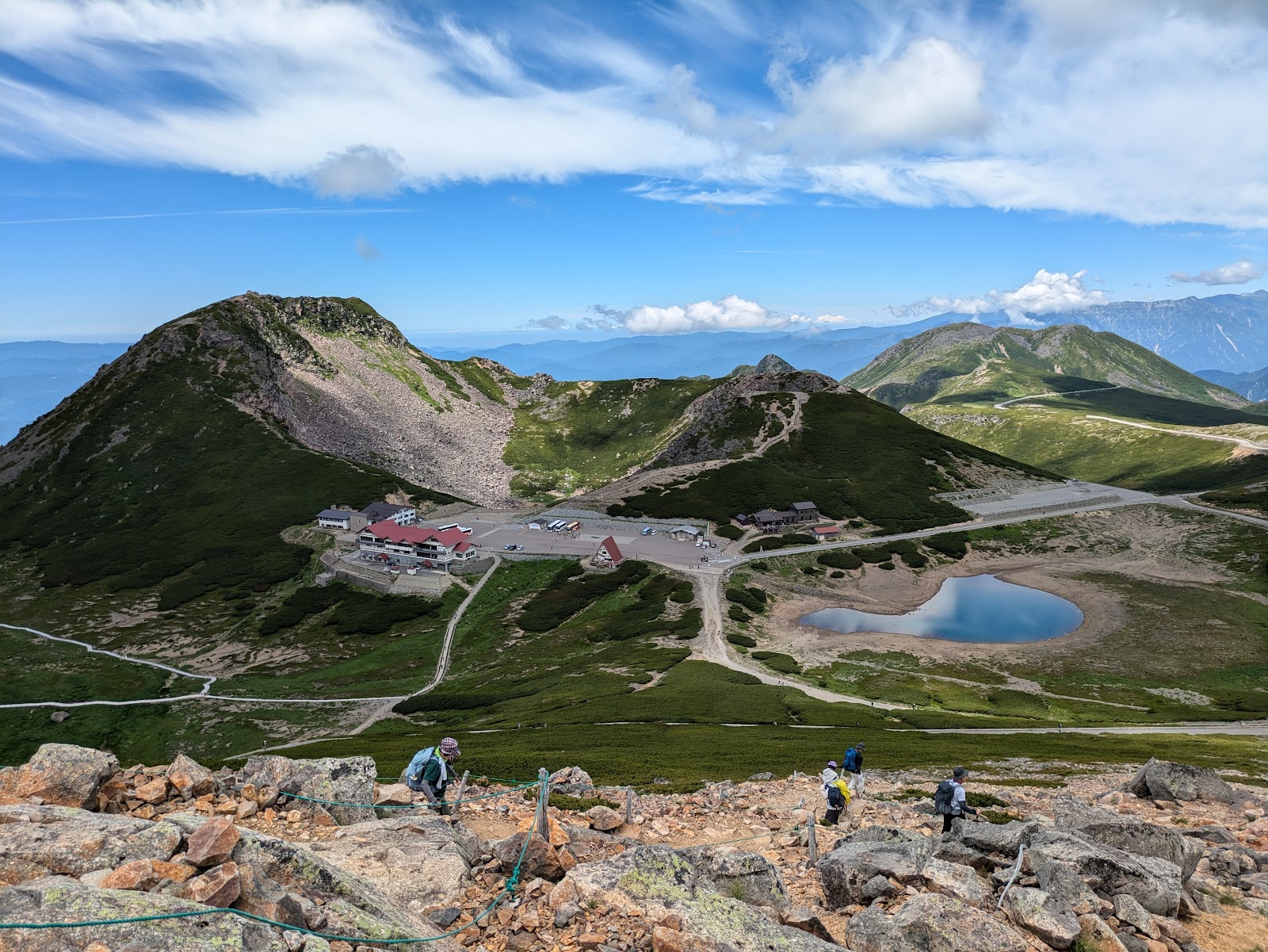
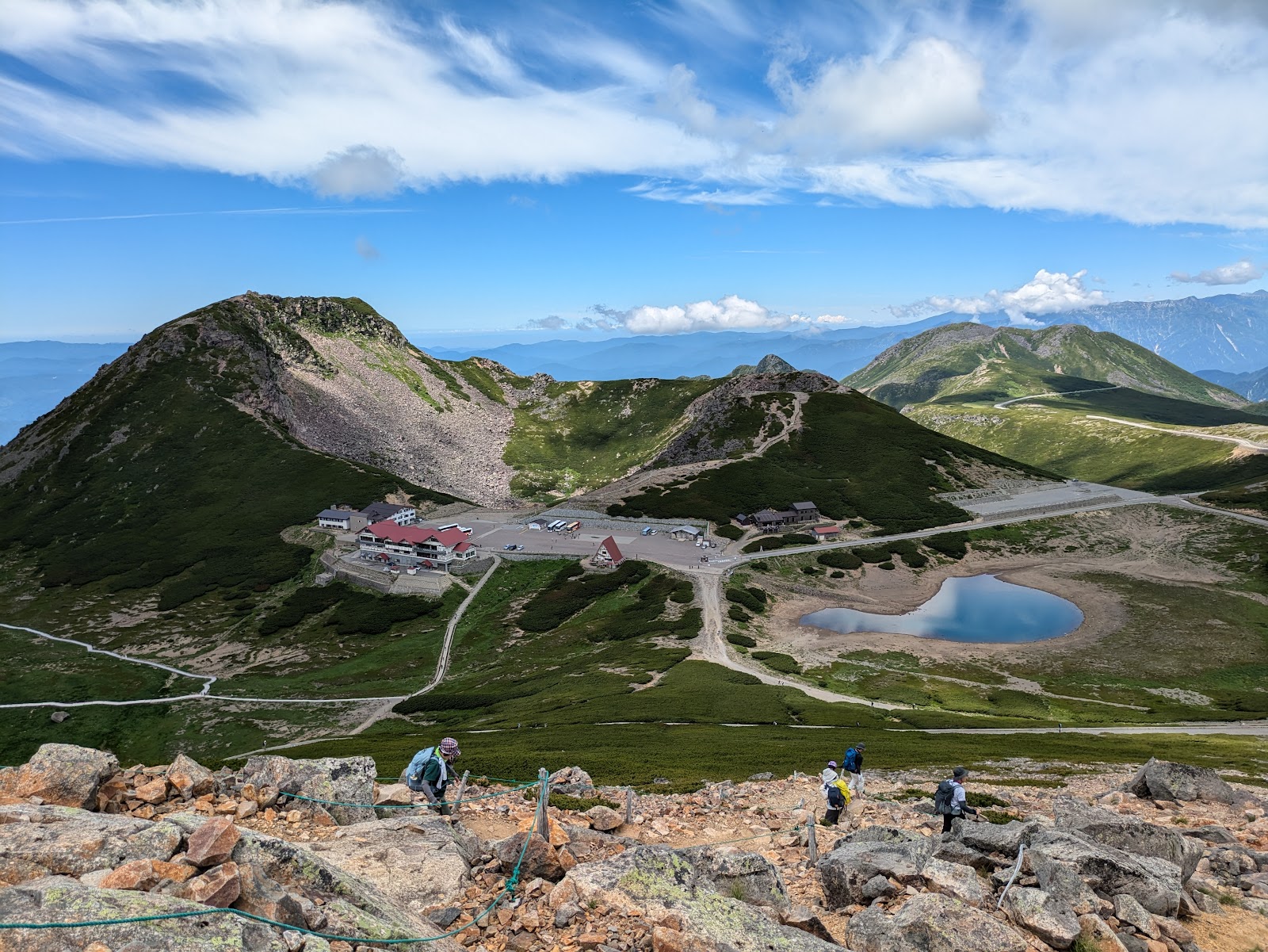
Tatamidaira is a high alpine basin at 2,702 metres on the flank of Mt. Norikura, and it holds a special distinction: it is the highest point in Japan you can reach by public bus. Because private cars are banned on the mountain to protect its fragile environment, everyone arrives the same way, by shuttle up the switchbacking Norikura Echo Line, stepping off into thin, cool air and a landscape of alpine meadows, snow patches and 3,000-metre ridgelines that would normally demand a hard climb.\n\nMt. Norikura (Norikura-dake) is one of the most approachable of Japan's 3,000-metre peaks. Its highest point, Kengamine, stands at 3,026 metres, yet from Tatamidaira the summit is only about 300 metres of ascent away, a hike of roughly ninety minutes on a clear trail. This makes Norikura a favourite first 'real' alpine summit for many Japanese walkers: the bus does the hard work of gaining altitude, leaving a rewarding but non-technical walk to the top past the Katanokoya hut. From the summit the panorama takes in the Hotaka and Yari peaks of the Northern Alps, the Ontake volcano to the south, and ridge upon ridge fading into the distance.\n\nEven without climbing to the top, Tatamidaira itself is a superb viewpoint and a gentle place to experience the high mountains. Short loop trails lead past alpine tarns and, in July and August, meadows of alpine flowers that bloom in the brief mountain summer. Snowfields linger here through midsummer, and it is not unusual to see visitors sliding on the snow in shorts while flowers bloom a few metres away, a vivid illustration of the compressed alpine season.\n\nA classic experience is the summer sunrise. Special early-morning shuttles run in peak season so visitors can reach Tatamidaira before dawn, then walk a short way to watch the sun rise over a sea of clouds filling the valleys below, the light spilling across the peaks. It is one of the most accessible high-alpine sunrises in the country.\n\nBecause the whole area sits above 2,700 metres, conditions are serious even in summer. Temperatures can be close to freezing at dawn, winds are strong, and weather changes fast, so warm, windproof layers, sturdy shoes, water and sun protection are essential. Altitude can also be felt here, so take the walk to the summit slowly.\n\nAccess is entirely seasonal. The shuttle buses operate roughly from July to early October; outside that window the road is closed by snow. From the Nagano side, travellers reach Norikura Kogen via Shin-Shimashima and change to the mountain shuttle, while the Gifu side is served by buses from Takayama and Honokidaira. Autumn brings brilliant foliage on the lower slopes as the buses climb, making the ride itself a scenic event. For anyone who wants to stand on a Japanese 3,000-metre peak without a demanding expedition, Tatamidaira and Mt. Norikura are hard to beat.
A local's tip
Book a summer sunrise shuttle: from Tatamidaira it is a short walk to watch dawn break over a sea of clouds, then an easy hour's climb toward the 3,026 m summit.
Best time to visit
July to early October; sunrise buses in summer
Getting there
Private cars are banned above Norikura Kogen. From Shin-Shimashima take a bus to Norikura Kogen, then the shuttle bus up the Norikura Echo Line to Tatamidaira, Japan's highest bus stop at 2,702 m.
Good to know
- Food
- Restrooms
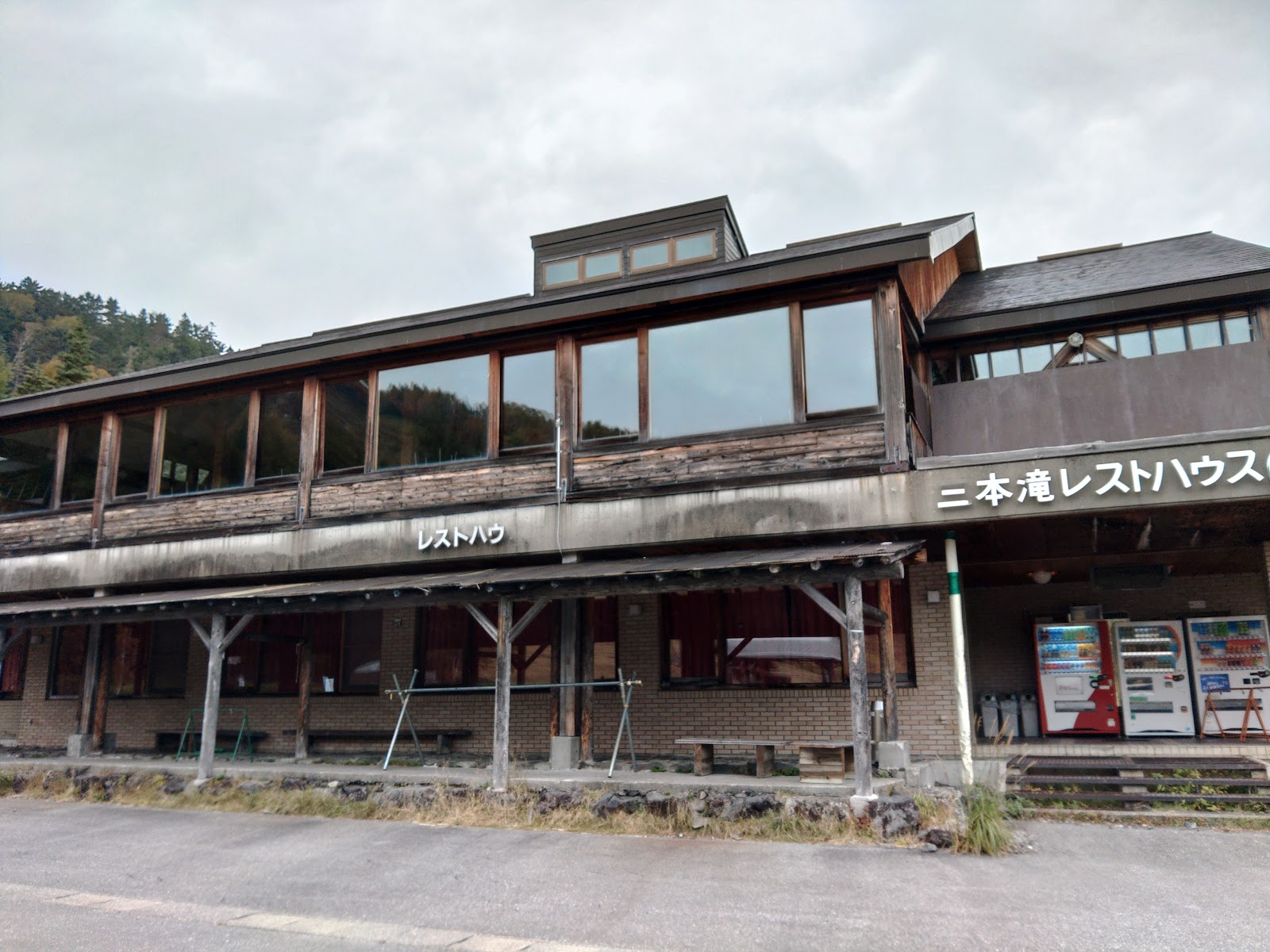
- Rest house
Plan the whole trip offline
Tatamidaira (Mt. Norikura) is one of many places in the Real Japan app — with turn-by-turn directions, nearby spots and full offline maps you can use with no signal.