A 3,026-metre volcano whose Tatamidaira plateau, at 2,702 m, is the highest point in Japan reachable by public road.
Mount Norikura (Norikura-dake) is one of the most accessible of Japan's great high peaks, a 3,026-metre volcano straddling the Nagano–Gifu border whose highest summit, Kengamine, can be reached by a walk of only about 90 minutes. The secret is the Tatamidaira bus terminal at 2,702 metres — the highest point served by public road anywhere in Japan — which delivers you straight into a world of alpine meadows, snow patches and panoramic ridgelines that on most Japanese 3,000-metre peaks would take a hard day's climb to reach.
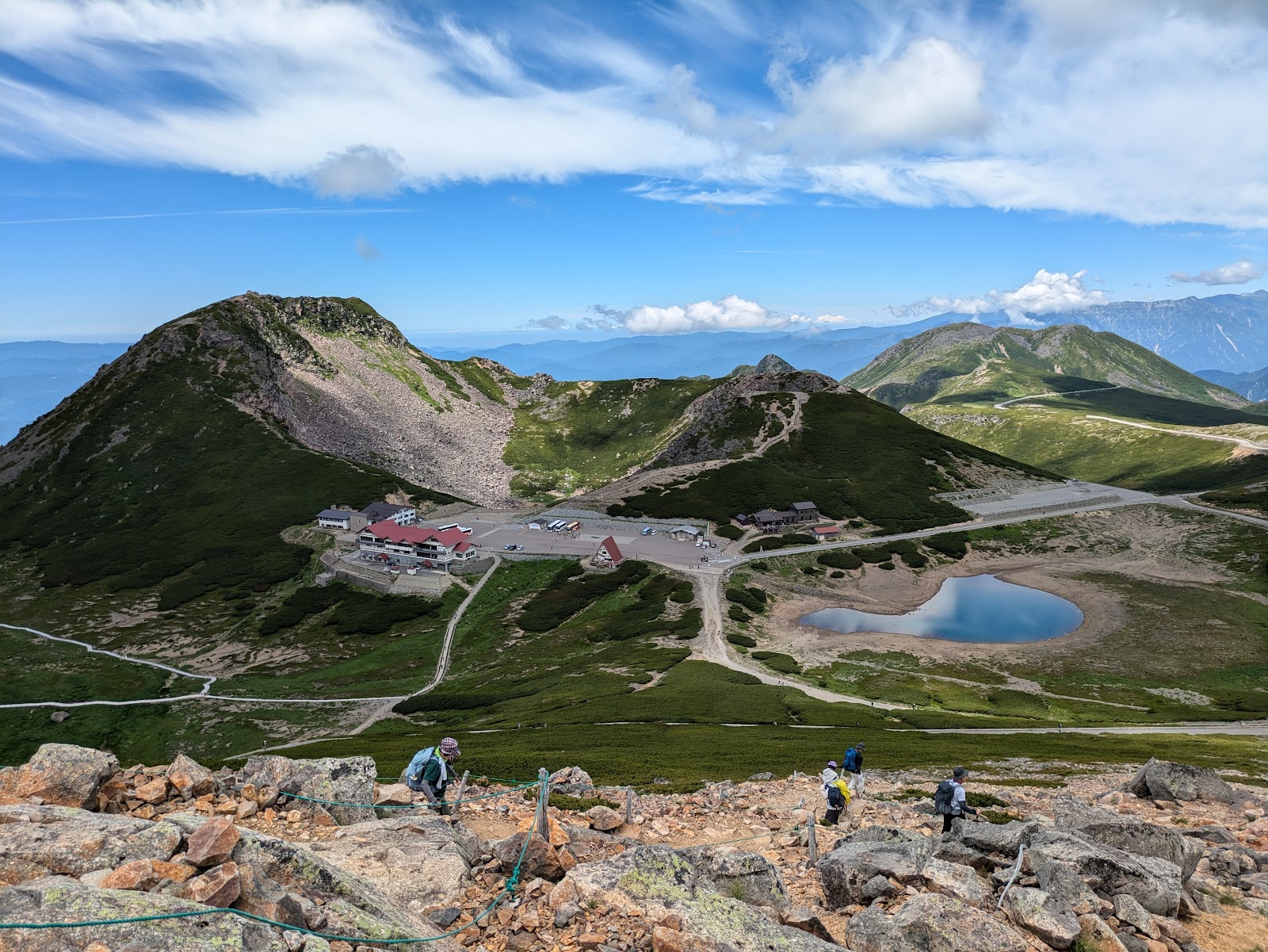
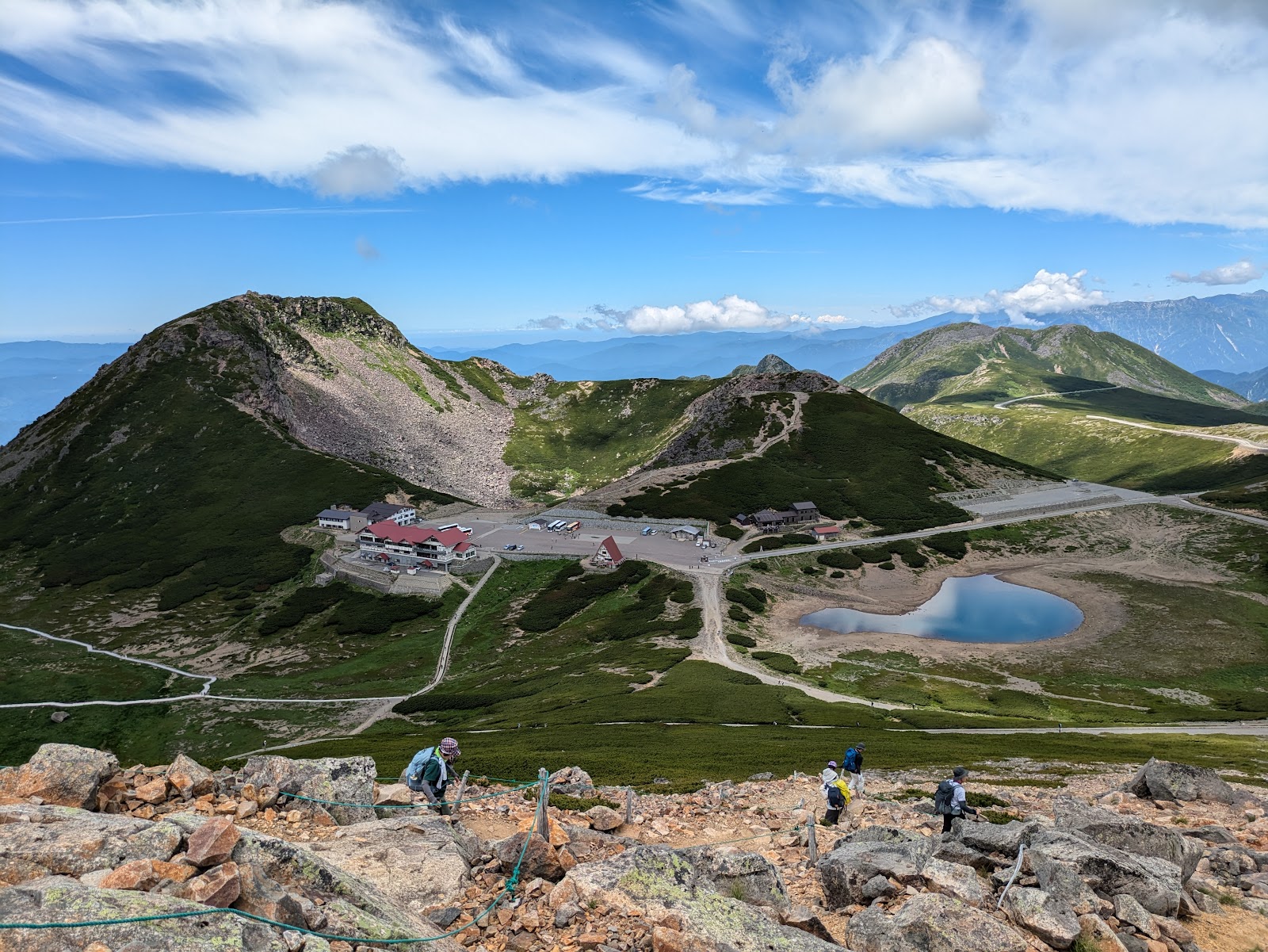
Norikura is a broad, gentle volcano with a cluster of over twenty summits and several crater lakes, the deep-blue Gongen-ike among them. Its slopes are a designated alpine flora zone, and in July and August the meadows around Tatamidaira erupt with alpine flowers — komakusa, chinguruma and others — while patches of permanent snow linger even in high summer, a striking contrast against the wildflowers. The thin, cool air and the sweeping views over the Northern Alps make it feel genuinely high-mountain, yet the environment is unusually forgiving.
From Tatamidaira, a well-trodden trail climbs to the Kengamine summit, gaining a few hundred metres over about 90 minutes each way. It is a moderate hike rather than a technical climb — no ropes or scrambling — but the altitude, exposure and rapidly changing mountain weather demand proper footwear, warm layers, sun protection and water, even in summer. The reward at the top is a 360-degree panorama across the Hotaka range, Yari-ga-take's spire and, on clear days, distant Mount Fuji.
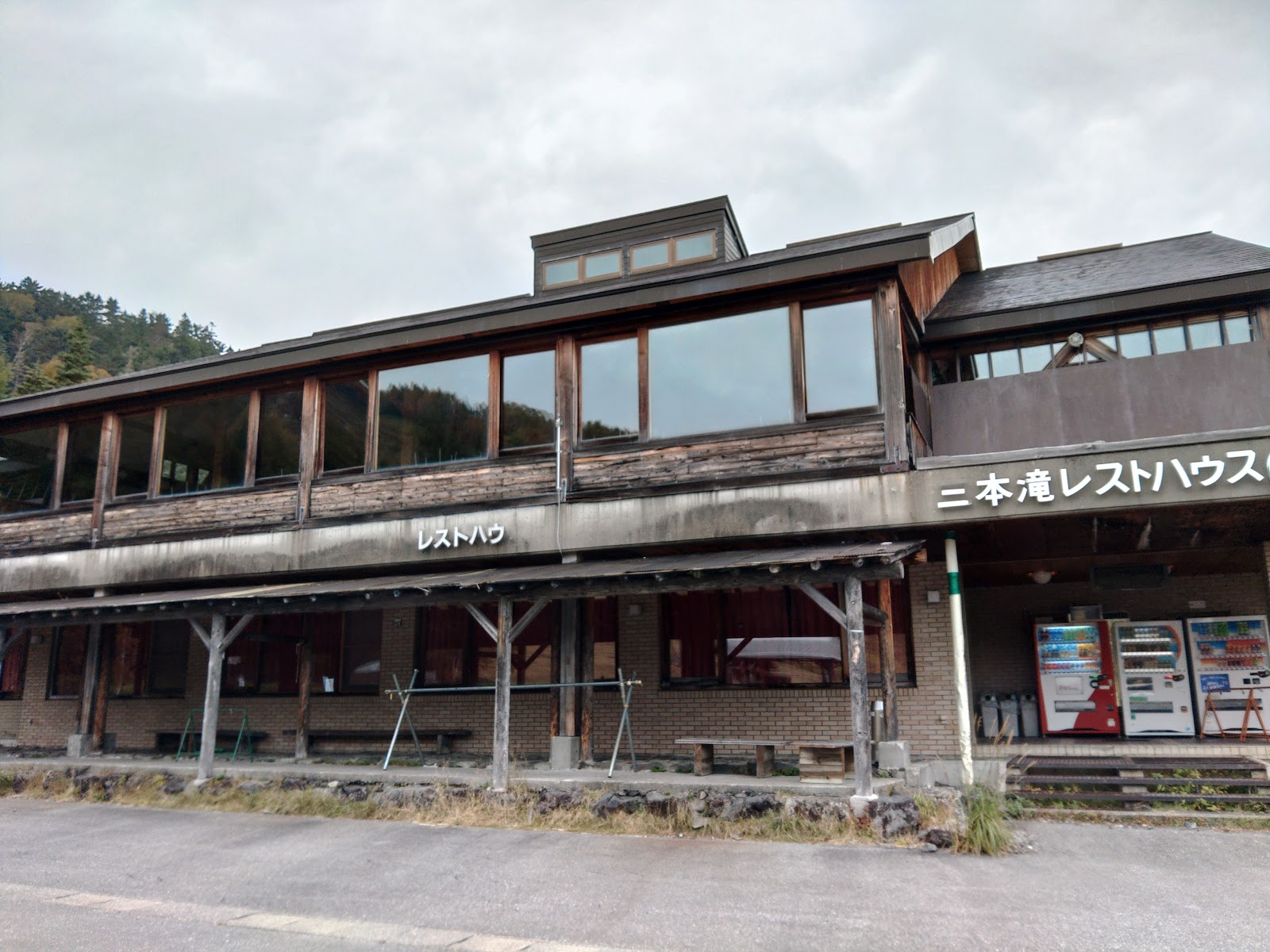
Crucially, even those who do not hike at all can experience Norikura's high alpine world simply by riding the bus. Private cars have been banned from the summit road for environmental protection, so access is by shuttle from the Norikura Kogen side (Nagano) or Honokidaira (Gifu); stepping off at Tatamidaira, you are immediately surrounded by tundra-like scenery, flower fields and sweeping views, with a rest house and restrooms on hand. This makes Norikura a rare high peak that families and casual visitors can enjoy alongside serious mountaineers.
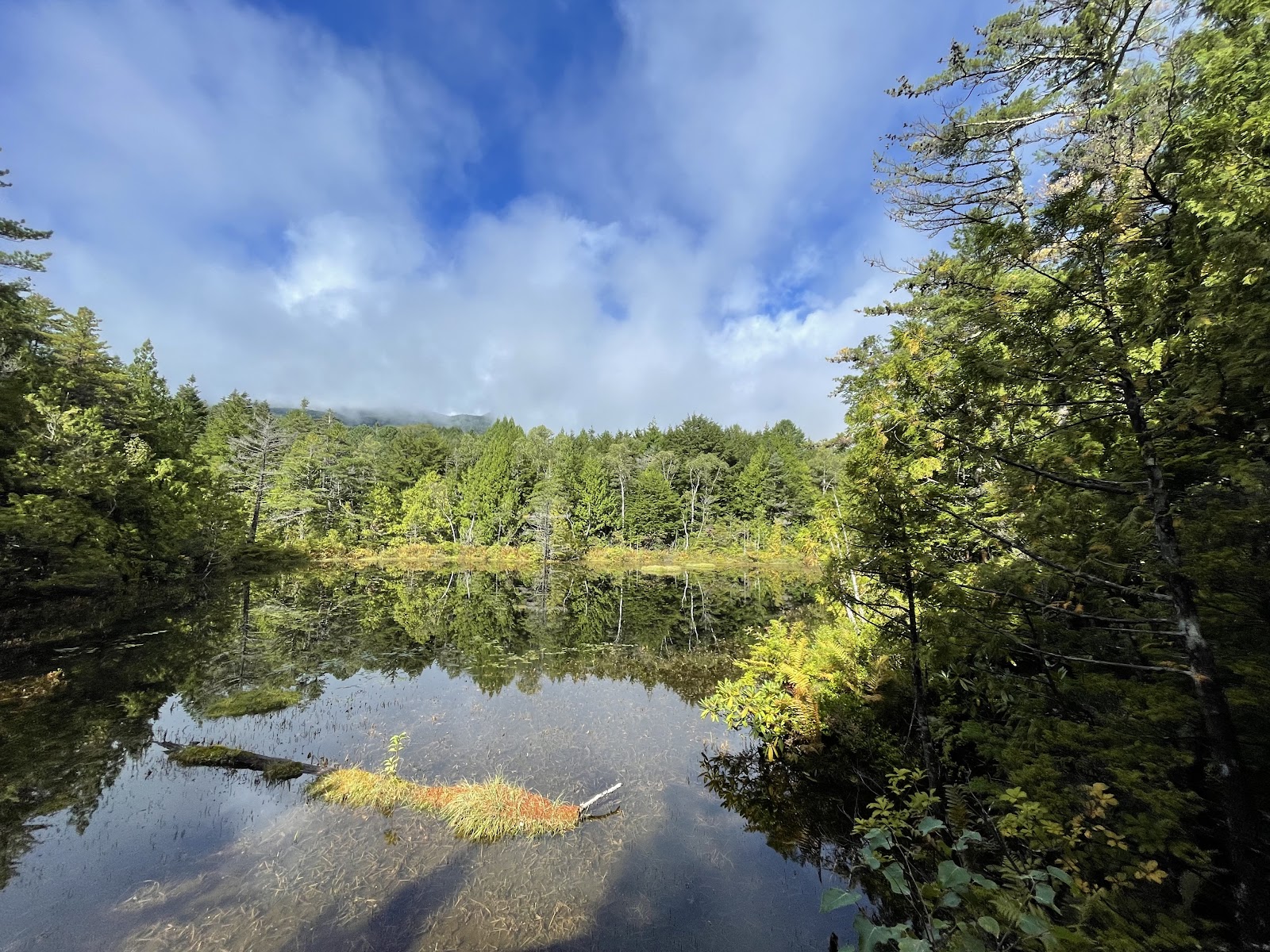
The experience shifts dramatically with the season and the hour. Early morning offers the clearest views before afternoon cloud builds; July and August bring the flowers; late September and early October paint the lower slopes in autumn colour. Norikura is also famous for spring skiing and for its dark, star-filled night skies, and stargazing tours run from the highlands. Because it is a working alpine environment, weather can turn quickly and temperatures at the summit are far colder than in the valley.
The shuttle bus season runs roughly from early July to late October; outside that the road closes and the mountain reverts to deep snow. From Matsumoto, the route runs via Shin-Shimashima to Norikura Kogen and onward by shuttle. Whether you ride to Tatamidaira for the views or push on to Kengamine's summit, Mount Norikura offers one of the most rewarding high-alpine experiences in Japan for the least effort.
A local's tip
Even non-hikers should ride to Tatamidaira: the alpine scenery and flower fields are astonishing straight off the bus.
Best time to visit
July-August for alpine flowers; clear mornings for the summit
Getting there
Take the shuttle bus to Tatamidaira at 2,702 m — the highest point reachable by public road in Japan — then hike about 90 minutes to the Kengamine summit.
Good to know
- Restrooms
- Rest house
Plan the whole trip offline
Mount Norikura (Tatamidaira) is one of many places in the Real Japan app — with turn-by-turn directions, nearby spots and full offline maps you can use with no signal.